


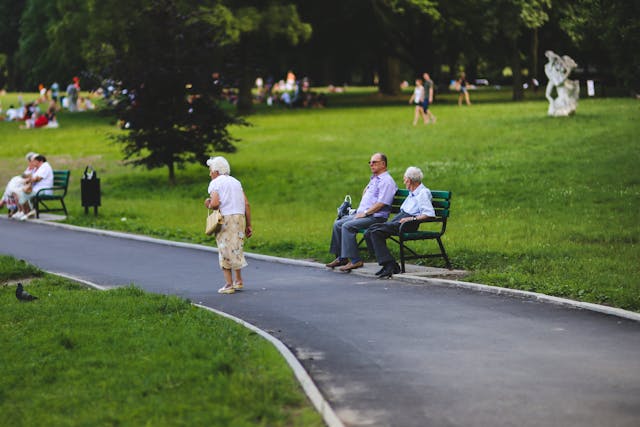
Genes help explain why ageing brings frailty for some
A new study has uncovered genetic variants connected to brain activity, immune response, and metabolism that play a role in the development of frailty among older adults. Published in Nature…

Connecting People with Nature and Community May Reduce Loneliness
Nature-based social prescribing may help reduce loneliness among adults living in socioeconomically vulnerable urban areas, according to a trial conducted in Barcelona by the European RECETAS consortium. The study found…

New Mothers May Need Time Before Feeling Ready to Care for Their Baby
The first days after childbirth bring major physical and emotional changes. Although rooming-in, where mothers and newborns remain together around the clock, is standard practice in many maternity wards, not…

Longer Gaps Between Meals Linked to Faster Disease Accumulation in Older Adults
Older adults who typically went longer between meals accumulated chronic diseases more rapidly over time than those who had shorter meal intervals, according to a study from Karolinska Institutet published…
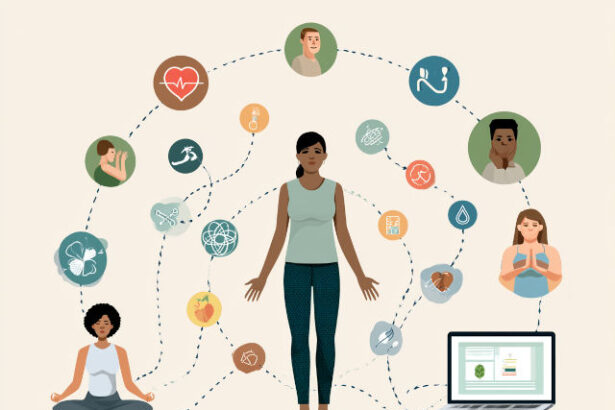
Digital Wellness Program Supports Better Mental Health for Adults with Chronic Conditions
A digital wellness program combining guided movement, breathing and meditation exercises, coping-skills training and health education can reduce symptoms of anxiety and depression in adults living with chronic medical conditions,…

Why We Remember Differently as We Get Older
Research from the University of East Anglia (UEA) is shedding new light on how memory changes as we age, revealing that older adults tend to recall fewer specific details and…
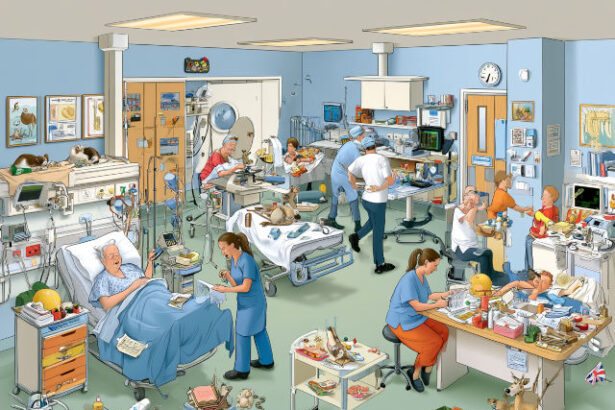
Brexit Changed the UK Health Care Workforce but Did Little to Ease Doctor Shortages
The United Kingdom’s vote to leave the European Union (EU) was associated with major shifts in health care worker migration and worsening physician shortages in England, according to a new…

Study Reveals Persistent Food Insecurity in Formerly Redlined Areas
Poor housing, high crime and underperforming schools may have a greater influence on access to healthy food than transportation or income in neighbourhoods historically affected by redlining, according to a…

Smokers Left Behind by Health Systems in the World’s Poorest Countries
Only 13 low- and middle-income countries provide smokers with the full range of support needed to quit, leaving around 1.3 billion people without access to effective care, according to a…
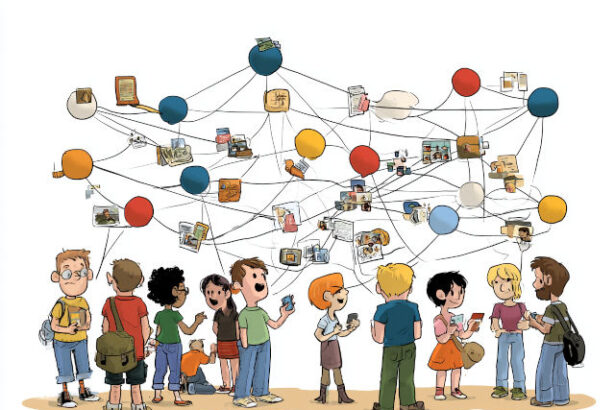
Good Friends, Better Health: Global Study Highlights the Power of Friendship
A major global study has found that fulfilling friendships and close social relationships are strongly associated with better physical and mental health. Published in the peer-reviewed Journal of Mental Health,…

Endometriosis Takes a Financial Toll: Women May Lose a Month’s Pay Annually
Menstrual leave and flexible work arrangements are the forms of workplace support women with endometriosis say would help them most, according to a new study by researchers at Semmelweis University…
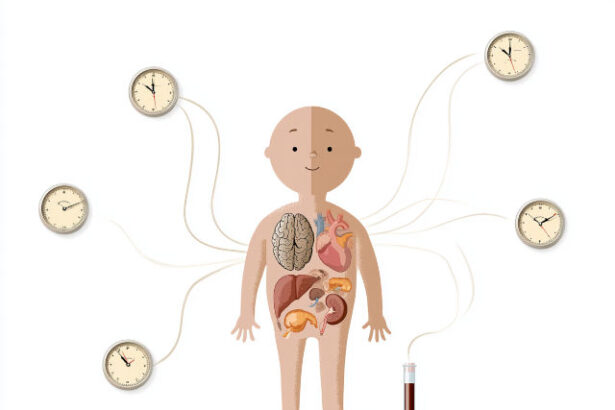
Different Organs, Different Ageing Clocks: A Blood Test Could Reveal Yours
Researchers have developed artificial intelligence (AI)-based “tissue clocks” that can estimate the biological age of human organs from microscopic tissue images. Scientists at the CeMM Research Center for Molecular Medicine…
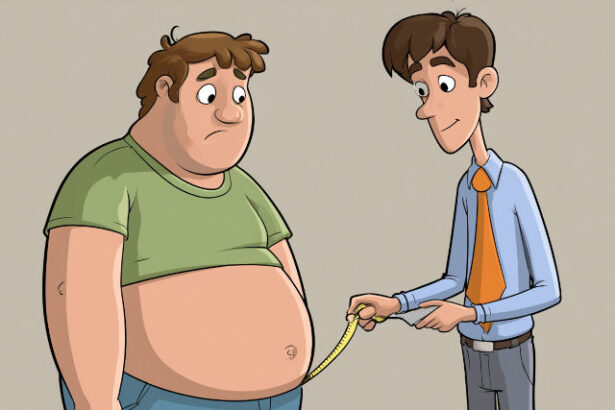
Research Shows Waist Size Can Help Predict Health Risks
Measuring waist size may be one of the simplest and most effective ways to identify obesity-related health risks, according to a study by Rutgers Health researchers. The findings suggest that…

PCB Contamination Detected in Chinese Tea, but Consumer Health Risks Remain Low
Tea is enjoyed by millions of people every day, but tea leaves can also accumulate traces of persistent environmental pollutants during cultivation and production. A new nationwide study provides one…

Socioeconomic Disadvantage Is Associated with Greater Physical Decline with Age
In England and Canada, socioeconomic disadvantage is associated with poorer physical function and greater declines as people age, according to a study published August 13 in the open-access journal PLOS…

Early Life Adversity Leaves a Lasting Molecular Mark Across the Body
The experiences we face early in life may leave lasting marks on our health, with effects that can echo across decades and throughout the body. A new study published in…