



A next-generation platform designed to guarantee ethical and equitable AI use in healthcare
Researchers have created a pioneering platform that enables commercial artificial intelligence systems to be tested head-to-head under real clinical conditions, marking the first time such a large-scale evaluation has been…

Fresh study reveals: neurons build ‘air-tunnel’ networks that circulate harmful proteins linked to Alzheimer’s disease
Scientists at Johns Hopkins Medicine have discovered that mammalian brain cells can form microscopic tubes that transport toxic molecules between neurons, functioning like tiny “pneumatic tubes” within the brain. This…

Guiding Screens and Streams: Grandparents’ Role in Children’s Media Engagement
A new study from Rutgers University has found that grandparents play a far more important role in managing children’s media use than previously recognised. Conducted by Dafna Lemish, a Distinguished…
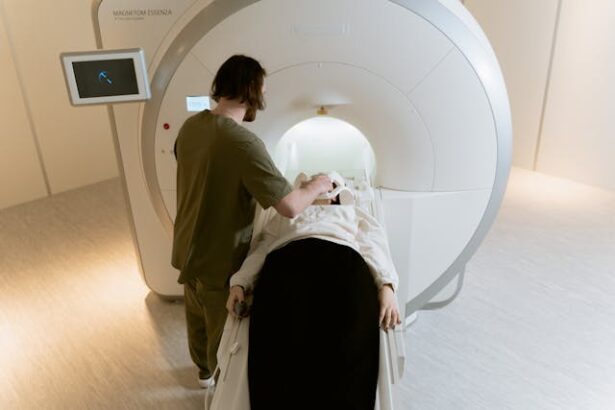
Alterations in brain structure may reveal early indicators of dementia
A new study from the University of California, Irvine’s Center for the Neurobiology of Learning and Memory has found that ageing changes the brain’s shape in ways that can be…
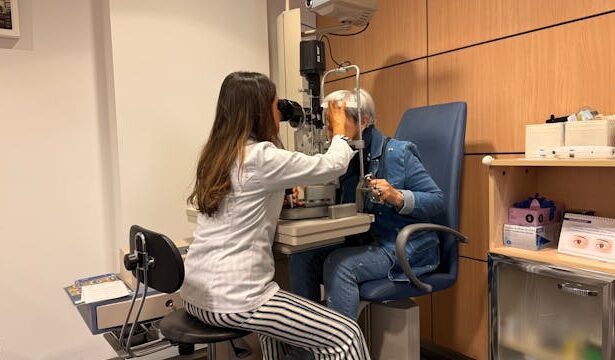
Gene Responsible for Familial Vision Loss Found
A team of scientists from the Medical University of Vienna and the Medical University of Graz has uncovered a new genetic cause of hereditary optic atrophy. This degenerative disease leads…

New guidelines reveal a sharp rise in the number of American adults classified as obese
A new definition of obesity released earlier this year by the Lancet Diabetes and Endocrinology Commission could dramatically increase the number of Americans classified as obese. Researchers at Mass General…

Short, Frequent Exercise Sessions Could Improve Fitness in Sedentary Adults
A new analysis published in the British Journal of Sports Medicine suggests that “exercise snacks” — short bursts of physical activity lasting five minutes or less — could help improve…

Believing positively about ageing may help people stay healthier and more active, researchers find
Older adults who hold positive perceptions of ageing are significantly more likely to engage in vigorous physical activity, even when living with health conditions, according to new research led by…

Living arrangements and cardiovascular mortality risk in ageing Japanese adults
A six-year cohort study in Japan involving nearly 39,000 older adults has found that people living in rental flats and owner-occupied detached houses face a higher risk of dying from…

Calming the Mind Through Music: Examining the Effects of Relaxing Slow-Tempo Tunes on Delirium in Hospitalised Older Adults
A large-scale multi-centre randomised controlled trial examined whether listening to slow-tempo music could reduce the duration or severity of delirium and coma among critically ill older adults admitted to intensive…

Your neighbourhood could influence your brain’s wellbeing, new research reveals
A new study from the Wake Forest University School of Medicine has found that the conditions of your neighbourhood may play a major role in shaping your brain health and…

What your brain does to keep you sharp as you age
Do you naturally see the best in people, or are you quick to notice signs of frustration or anger? According to new research from the Norwegian University of Science and…

Supporting close friends brings emotional rewards for older adults
Older adults who offer practical help to close friends—such as running errands, cooking meals, or assisting with household chores—tend to experience better moods in daily life. New research from the…

The Lasting Health Impacts of Incarceration
A new study has found that older adults who have experienced incarceration face significantly poorer physical and mental health than their peers who have never been imprisoned—even when their time…

Large-scale analysis of Alzheimer’s disease in African American brain samples identifies multiple previously unrecognised genetic contributors
Alzheimer’s disease (AD) affects African Americans at nearly twice the rate of White or European-ancestry (EA) individuals in the United States. Researchers believe this difference is partly due to social…

Mental Stimulation Promotes Optimal Brain Ageing
As the number of people aged 65 and older continues to rise, so does the urgency to understand how to protect the brain from age-related decline. Cognitive abilities often weaken…