Monthly Archives: July 2026

Temperature Perception: How the Body Senses Heat and Cold

New research from the University of Queensland has challenged long-held ideas about how the nervous system detects temperature. Scientists have discovered that most of the skin’s temperature-sensitive nerve cells, known as thermoreceptors, can respond to both warmth and coolness, rather than relying on separate groups of nerve cells for each sensation. The findings overturn a widely accepted model of temperature perception and provide new insight into how the body monitors changes in its environment. Thermoreceptors play a vital role in human survival by detecting temperature at the skin’s surface and transmitting this information to the brain, enabling the body to respond appropriately to changing conditions.

Dr Clarissa Whitmire from the Queensland Brain Institute explained that the study showed thermoreceptors are capable of signalling both warm and cool sensations. Instead of distinct nerve cells responding to different temperatures, the same thermoreceptors increase their activity when temperatures fall and reduce their activity as temperatures rise. This dual response allows the brain to interpret changes in temperature more efficiently than previously believed. The discovery challenges decades of scientific understanding and suggests the nervous system uses a more flexible mechanism for sensing everyday temperature changes.

To investigate this process, researchers used advanced imaging techniques in mouse models to monitor the activity of thousands of thermoreceptor cells. The experiments focused on ordinary, non-painful temperature changes, such as moving into a cool room or stepping into warm bathwater, rather than extreme heat or cold. By observing how individual nerve cells responded across a range of comfortable temperatures, the team was able to demonstrate that most thermoreceptors contribute to sensing both warming and cooling, providing strong evidence against the traditional two-cell model.

The findings may have important implications for understanding disorders that affect temperature sensation. According to Dr Phill Bokiniec, accurate temperature detection is essential for homeostasis, the body’s ability to maintain a stable internal environment. People with conditions such as spinal cord injury, multiple sclerosis, diabetes and peripheral neuropathy often experience impaired thermal sensation, making it difficult to recognise and respond to environmental temperature changes. A better understanding of how thermoreceptors function could help guide the development of more effective treatments for these conditions.

The research may also help explain why ageing reduces the body’s ability to regulate temperature. Older adults are particularly vulnerable during heatwaves and periods of extreme weather, and impaired thermoreceptor function may contribute to their increased risk. By identifying how healthy thermoreceptors normally operate, scientists hope to understand better how ageing and disease disrupt these sensory pathways and why some people lose the ability to detect temperature accurately.

The researchers believe their work could reshape scientific understanding of temperature perception and improve future therapies for thermal dysfunction. Dr Whitmire said the team also hopes to determine whether changes in thermoreceptor function could serve as an early indicator of neurodegeneration, similar to the relationship between hearing loss and dementia. She emphasised that identifying the correct nerve cells and signalling pathways is essential, as treatments targeting the wrong mechanisms are unlikely to be effective. The study therefore provides a foundation for developing more precise approaches to diagnosing and treating disorders that affect the body’s ability to sense temperature.

More information: Phillip Bokiniec et al, Population encoding of cool and warm by thermoreceptors, Neuron. DOI: 10.1016/j.neuron.2026.06.021

Journal information: Neuron Provided by University of Queensland

Doctors May Rely on AI Even When Experience Suggests Otherwise

Artificial intelligence (AI) is increasingly being used to help doctors identify which patients are most likely to benefit from specific treatments. However, because AI systems are not infallible, physicians are expected to evaluate their recommendations critically and correct any errors. A new study suggests that this may be more difficult than expected, with doctors continuing to trust inaccurate AI advice even when patient outcomes indicate that the recommendations are wrong.

Researchers led by Aranzazu Vinas of the University of the Basque Country in Spain examined this issue in two online experiments involving 223 physicians. Participants were asked to imagine treating patients with a rare disease using an experimental therapy still under development. They were informed that an AI system had classified patients according to their likelihood of benefiting from the treatment and then decided which patients should receive it. After reviewing patient recovery data, they also rated the reliability of the AI system.

Unknown to the participants, the AI’s recommendations deliberately conflicted with the treatment’s actual effectiveness. In one experiment, the therapy provided the same moderate benefit to every patient regardless of the AI’s classifications. In the second, the treatment was completely ineffective for all patients. The recovery data, therefore, offered physicians clear evidence that the AI’s predictions were inaccurate.

Despite this feedback, most physicians continued to view the AI system as reliable. They generally failed to recognise that the patient outcomes contradicted the algorithm’s recommendations and did not adjust their assessments accordingly. In the second experiment, many participants also failed to realise that the treatment itself had no benefit, suggesting that reliance on the AI prevented them from concluding directly from the clinical evidence.

The findings highlight a potential challenge as AI becomes more deeply integrated into healthcare. Rather than functioning solely as decision-support tools, AI systems may unintentionally discourage doctors from learning from experience when real-world outcomes conflict with algorithmic advice. The researchers suggest that future studies should explore ways to strengthen critical thinking and improve physicians’ ability to detect AI errors, helping maximise the benefits of human-AI collaboration while reducing the risk of inappropriate clinical decisions.

“In both experiments, physicians mostly trusted the AI’s classifications and had trouble learning from the feedback,” said lead author Aranzazu Vinas. “Furthermore, in the second experiment, professionals did not notice that the treatment was completely ineffective.” Co-author Helena Matute added that the results show doctors, like other people, can struggle to learn from evidence that contradicts an algorithm’s suggestions. Co-author Fernando Blanco said that understanding the mistakes humans make when working with AI is essential for developing strategies that minimise these problems.

More information: Aranzazu Vinas et al, Doctors vs. Algorithms: Physicians, too, struggle to learn from evidence that contradicts AI suggestions, PLOS Digital Health. DOI: 10.1371/journal.pdig.0001490

Journal information: PLOS Digital Health Provided by PLOS

Non-Invasive Technology for Monitoring Babies’ Well-Being

Premature babies in neonatal intensive care units often require constant monitoring, but the process can be invasive and stressful. Frequent blood tests to measure glucose, sodium, and other vital indicators involve repeated needle pricks, while multiple wires and sensors can irritate their fragile, still-developing skin. To provide a gentler alternative, researchers from Tufts University’s Silklab, Helmholtz Munich, Ludwig Maximilian University (LMU) Munich, and the Technical University of Munich have developed a lightweight, silk-based wearable patch that can continuously monitor four key health markers without needles or wires.

Described in ACS Sensors, the coin-sized patch simultaneously measures temperature, pH, sodium, and glucose by analysing tiny amounts of interstitial fluid that naturally pass through the skin of premature infants. The patch changes colour in response to these biomarkers, and an artificial intelligence (AI) system interprets the colour shifts using images captured with a standard camera, even in the dim, humid conditions of an incubator. The technology converts the colour patterns into precise measurements, providing clinicians with real-time information about a baby’s condition.

The researchers say monitoring several biomarkers at the same time offers a more complete picture of an infant’s health than tracking a single measurement alone. “There is a lot more information in how multiple variables move relative to one another than in any single variable on its own,” said Fiorenzo Omenetto, Director of the Silklab at Tufts University. “If you only watch one number, you’re reading one line of a much longer story. We wanted to create a sensing interface that gives clinicians the whole paragraph.” Anne Hilgendorff, a neonatologist and researcher at Helmholtz Munich, LMU Munich, and the Carl von Ossietzky University Oldenburg, added that the patch was designed specifically for the unique needs of premature babies, eliminating the discomfort caused by needles, wires, and adhesive sensors.

The multilayer sensor combines silk fibroin derived from silkworm cocoons with wax-printed paper and a waterproof medical adhesive. The silk stabilises sensitive biological molecules, including enzymes that normally require refrigeration, allowing the patch to remain durable and shelf-stable. The paper layer channels microscopic amounts of interstitial fluid to individual sensing spots, while the adhesive seals the patch against the warm, humid incubator environment and allows it to move comfortably with the baby’s skin. Because premature infants naturally lose higher amounts of interstitial fluid through their underdeveloped skin barrier, the device turns this biological vulnerability into a continuous, painless source of diagnostic information.

Each sensing spot changes colour when exposed to specific biomarkers, such as from yellow to deep red for glucose or from blue to purple for sodium. Since lighting conditions can affect colour interpretation, the team developed a deep-learning AI model that automatically corrects for lighting, viewing angle, and movement before converting the colour changes into quantitative measurements. The system achieved more than 91% accuracy for key health indicators and over 98% accuracy in detecting low blood sugar. According to Benjamin Schubert, who leads computational health research at Helmholtz Munich, the patch is not intended to replace laboratory testing but to continuously detect gradual physiological changes that may occur between routine blood tests, enabling earlier intervention before problems become emergencies.

The researchers emphasise that the current device is a proof-of-principle, with larger clinical studies planned to compare patch measurements directly with conventional blood tests and to refine the AI further using data from different neonatal care settings. They also envision expanding the platform to monitor additional health indicators, including oxygen saturation and carbon dioxide. Because the patch is inexpensive to manufacture and requires no power source, refrigeration, or wired connections, the technology could also improve newborn care in low-resource hospitals and remote communities where advanced monitoring equipment is often unavailable. “A piece of paper, a drop of silk, and a smartphone camera,” Omenetto said. “If that were to become all it takes to keep a baby safer, then we should be putting one in every incubator on the planet.”

More information: Alejandra Castelblanco et al, Artificial Intelligence-Supported Colorimetric Multibiomarker Sensor to Enable Critical Neonatal Monitoring, ACS Sensors. DOI: 10.1021/acssensors.5c04171

Journal information: ACS Sensors Provided by Tufts University

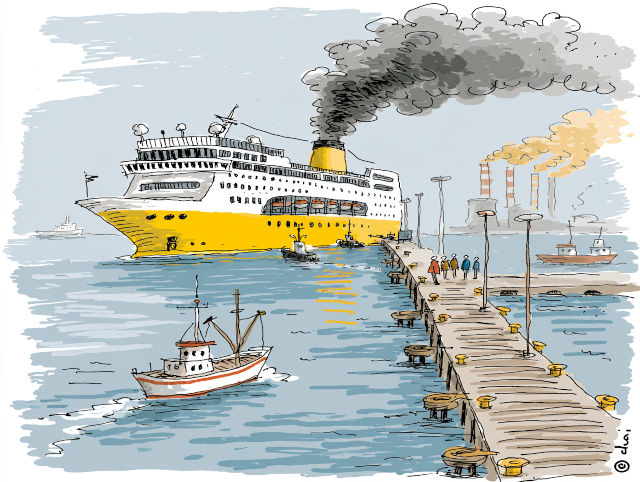
Study Suggests Cruise Ship Air Pollution May Worsen Viral Illness

Air pollution from cruise ships could be increasing the risk and severity of viral infections among people living near busy ports, according to new research from the University of Southampton published in Environment International. The study examined air quality around Southampton Port and found that emissions from cruise ships contain ultrafine particulate matter (PM) enriched with trace elements produced by burning shipping fuel. Laboratory experiments showed that these tiny particles can trigger inflammation while weakening the body’s natural defences against viruses such as the common cold and COVID-19.

Ultrafine particles are far smaller than most regulated forms of air pollution, measuring no more than one thousandth the width of a human hair. Because of their size, they can penetrate deep into the lungs and may even enter the bloodstream. The researchers identified a distinct pollution “signature” associated with cruise ship emissions, particularly high levels of the metals vanadium, nickel and cobalt. “We found that exposure of cells to these particles, and vanadium – the most enriched element in the particles – was both pro-inflammatory and facilitated the replication of viruses,” said Professor Matthew Loxham, senior author of the study. He added that ultrafine particles remain largely unregulated and are rarely monitored despite their potential health risks.

To identify the source of the pollution, the research team collected particulate matter samples from five locations around Southampton Port, including a cruise terminal, a container terminal and a dock gate used by heavy goods vehicles. A comparison site located five kilometres away provided a benchmark. Sampling took place during both the busy spring and summer cruise season and the quieter winter off-season, allowing the researchers to compare changes in pollution levels throughout the year.

The analysis showed substantially higher concentrations of vanadium, nickel and cobalt in fine and ultrafine particles at the cruise terminal during the summer, when cruise ship traffic was at its highest. These trace elements were also generally more abundant across the port than at the comparison site. Lead author Dr Nat Easton said pollution levels consistently increased when winds carried emissions from cruise ships towards the sampling locations. The researchers believe emissions from cruise ships while docked, together with differences in fuel types and time spent in port, likely contributed to the elevated concentrations.

Laboratory tests using human lung lining cells revealed that exposure to ultrafine particles collected during the busy cruise season increased the activity of genes linked to inflammation while suppressing genes involved in antiviral defence. Additional experiments focused on vanadium showed that lung cells exposed to the metal produced significantly more copies of both human rhinovirus, which causes the common cold, and the virus responsible for COVID-19. These findings suggest that vanadium reduces the ability of lung cells to limit viral replication, potentially increasing both the severity of illness and the likelihood of transmission.

The researchers say their findings strengthen the case for reducing emissions from ships operating near populated ports. They recommend greater use of shoreside electricity generated from clean energy, cleaner alternative fuels and improved emission-control technologies to reduce harmful pollution. They also call for routine monitoring of ultrafine particulate matter and further investigation into its health effects, arguing that stronger evidence could help shape future regulations aimed at protecting communities living near ports around the world.

More information: Natasha Easton et al, Ultrafine particulate matter emitted from ships drives inflammation and susceptibility to viral infection, Environment International. DOI: 10.1016/j.envint.2026.110381

Journal information: Environment International Provided by University of Southampton

Study Links Extreme Heat to Higher Mental Health Hospitalization Rates

As the United States recovers from its 4 July heatwave, a new study warns that prolonged extreme heat may increase hospitalisations for mental health and behavioural disorders. Published in Nature Health, the research is the first multi-country study to examine heatwave-related mental health hospitalisations and was led by researchers at Monash University in Australia.

Led by Professors Yuming Guo and Shanshan Li, the study analysed more than 2.6 million warm-season hospitalisations across 852 locations in Brazil, Canada, Chile and New Zealand between 2000 and 2019. The researchers found that sustained exposure to extreme heat during heatwaves was associated with a higher risk of hospitalisation for mental and behavioural disorders. Heatwaves are generally defined as periods of extremely high temperatures lasting several days, when heat-related illness and deaths can rise substantially.

The association between heatwave exposure and mental health-related hospitalisation was particularly pronounced among older adults and people living in areas with low population density. According to Guo, the findings suggest that prolonged extreme heat can rapidly increase demand for hospital care related to mental health. The results highlight the need for targeted health system preparedness and support for vulnerable populations during periods of severe and sustained heat.

Li said climate change has become an increasingly important influence on mental health worldwide. Extreme weather events, shortages of essential resources and disruptions to ecosystems can intensify psychological stress and increase mental health risks. Of particular concern is the growing frequency and intensity of heatwaves, including extreme heat events recently experienced in the United States and across Europe. As global temperatures rise, researchers are increasingly examining how climate-related hazards affect not only physical health but also psychological and behavioural well-being.

Several factors may explain the relationship between heatwaves and mental health hospitalisations. Extreme heat can disrupt sleep and trigger physiological stress responses, potentially worsening existing mental and behavioural disorders. People with impaired ability to regulate body temperature may be especially vulnerable, as may individuals taking medications that increase sensitivity to heat. Heat-related psychological distress and changes in behaviour may also destabilise symptoms, contributing to a greater need for hospital care during or following prolonged periods of extreme temperatures.

The study is the first to estimate the risks and hospital burden associated with heatwave-related mental and behavioural disorders across multiple countries and population groups. Researchers examined differences by sex, age, GDP per capita, population density, air-conditioning access, travel time to healthcare facilities and specific causes of mental and behavioural disorders. The findings provide new evidence of the mental health consequences of extreme heat and suggest that healthcare systems may need to strengthen preparedness as heatwaves become more frequent and intense under climate change.

More information: Yanming Liu et al, Mental health hospitalizations associated with sustained extreme heat in multiple countries, Nature Health. DOI: 10.1038/s44360-026-00166-2

Journal information: Nature Health Provided by Monash University

Young People Awaiting Mental Health Care May Benefit from Social Prescribing

Social prescribing, which connects people with community activities and other forms of non-clinical support, may help young people awaiting specialist mental health care improve their resilience, behaviour and relationships, according to a new study led by researchers at UCL (University College London). Activities can range from arts and exercise programmes to social clubs and nature-based groups, with support tailored to each young person’s interests and needs.

Published in European Child & Adolescent Psychiatry, the study involved more than 550 adolescents aged 11 to 18 who had been referred to children and adolescent mental health services (CAMHS) in England. Researchers compared young people who received personalised social prescribing referrals while waiting for treatment with those who did not. Participants who received social prescribing reported improvements in behaviour, including fewer conduct difficulties, stronger relationships with others and greater resilience. They also showed increased confidence in solving problems and higher self-esteem.

The findings are particularly relevant amid lengthy waits for specialist mental health services. As of late 2024, more than 350,000 children and young people in England were awaiting specialist mental health care, with average waiting times of just under eight months. Lead author Dr Daniel Hayes of UCL said previous research had shown that many young people and their families find the waiting period difficult and often feel unsupported. The new findings suggest social prescribing could provide valuable assistance by strengthening relationships, building resilience and improving everyday functioning.

Link workers connected young people in the study to activities and resources, including karate clubs, art classes, Pokémon tournaments, book clubs and nature walking groups. Link workers also helped participants organise days out with friends. Several young people described becoming more comfortable discussing their feelings and participating in social settings. Others highlighted the importance of having a consistent person who listened to them and showed genuine interest in their well-being. Amanda Thompson, a Children & Young People’s Link Worker at Sunderland Counselling Service, said the person-centred approach allows young people to take greater ownership of their journey while building skills, friendships and confidence.

However, the researchers found no evidence that social prescribing reduced symptoms of depression, anxiety or stress during the six-month follow-up period. Senior author Professor Daisy Fancourt of UCL stressed that social prescribing should not replace evidence-based psychological treatments. Instead, its value may lie in supporting daily functioning and strengthening protective factors while young people remain on waiting lists. By participating in meaningful activities rather than simply waiting, young people may also become better prepared to engage with treatment once specialist care becomes available.

The study follows earlier research by members of the same team showing improvements in wellbeing among adults and young people referred for social prescribing. That study, published in Nature Health, analysed data from 19,627 people in the UK and found a 20% improvement in general mental wellbeing, alongside gains in happiness, life satisfaction, anxiety and feelings that life was worthwhile. With more than one million people in England referred to social prescribing services through GPs in 2023 alone, the latest findings suggest the approach could provide important additional support for young people facing long waits for specialist mental health care.

More information: Daniel Hayes et al, Wellbeing While Waiting: Effectiveness and implementation of youth social prescribing for young people awaiting CAMHS support, European Child & Adolescent Psychiatry. DOI: 10.1007/s00787-026-03074-8

Journal information: European Child & Adolescent Psychiatry Provided by University College London

Birding May Change the Brain—and Bring Cognitive Benefits

Learning a new skill can reshape the brain, changing both its structure and activity. While previous research has demonstrated how learning influences the brain, scientists are still working to understand the effects of more complex expertise involving several cognitive processes at once. A new study suggests that birding, which combines visual perception, focused attention and memory, may provide important clues about how specialised skills affect the brain and potentially support cognitive health.

In research published in JNeurosci, a team led by Erik Wing of Baycrest Hospital compared the brains of 29 expert birders with those of 29 beginners matched by age and sex. Bird identification is a demanding cognitive task that requires people to notice subtle visual details, maintain concentration and retrieve stored information. The researchers believe their findings may also have implications for other forms of expertise that rely on similar combinations of attention, perception and memory.

The study found notable structural differences in brain regions associated with attention and perception. Expert birders had more structurally compact areas in these regions, and these differences were linked to greater accuracy when identifying birds. The findings suggest that years of developing and practising birding skills may be associated with measurable changes in the organisation of brain tissue involved in processing and recognising visual information.

Wing explained that the researchers assessed the diffusion of water molecules within the brain. “One way of putting it is that there’s more constraint on where water goes in the brains of experts,” he said. This greater constraint was interpreted as evidence of a more compact brain structure in certain areas. Some of these regions also appeared to support the identification and memory of less familiar birds, including species that were not local to the birders’ home area.

Importantly, the structural differences in attention- and perception-related brain regions were also observed among older expert birders. This raises the possibility that acquiring and maintaining complex skills could have cognitive benefits later in life. “Acquiring skills from birding could be beneficial for cognition as people age,” Wing said. Researchers are now investigating whether older adults can apply the cognitive abilities developed through birding to tasks that extend beyond their area of expertise.

Early findings suggest these benefits may reach into other forms of memory. Older expert birders were better than beginners at remembering arbitrary faces that had been paired with birds, indicating that established knowledge may help people form and retrieve new associations. The results suggest that connecting unfamiliar information with a well-developed area of expertise could improve recall even outside that specific domain. Researchers hope further studies will clarify whether complex hobbies such as birding can help strengthen cognitive abilities and support brain function as people age.

More information: Erik Wing et al, The Tuned Cortex: Convergent Expertise-Related Structural and Functional Remodeling across the Adult Lifespan, JNeurosci. DOI: 10.1523/JNEUROSCI.1307-25.2026

Journal information: JNeurosci Provided by Society for Neuroscience

Writing by Hand Could Improve Brain Connectivity Compared With Typing

As digital devices increasingly replace pen and paper, handwriting is becoming less common in schools and universities. Typing is often preferred because it is faster and more convenient, particularly for lengthy assignments. However, previous research suggests that writing by hand may offer important learning benefits, including better spelling accuracy and memory recall. Now, researchers in Norway have investigated whether the physical process of forming letters by hand also produces stronger patterns of connectivity in the brain.

Researchers at the Norwegian University of Science and Technology examined the neural networks involved in handwriting and typing. Their study, published in Frontiers in Psychology, found that brain connectivity patterns were considerably more elaborate when participants wrote by hand than when they typed on a keyboard. According to co-author Prof Audrey van der Meer, widespread connectivity between brain regions is important for forming memories and encoding new information, suggesting that handwriting may create conditions in the brain that are particularly beneficial for learning.

The study involved 36 university students who were repeatedly asked to write or type words displayed on a screen. For the handwriting task, participants used a digital pen to write in cursive directly on a touchscreen. During the typing task, they pressed keyboard keys with a single finger. Researchers recorded the participants’ electrical brain activity using high-density electroencephalography, or EEG, which involved 256 sensors positioned around the head. Brain activity was measured for five seconds during each writing or typing prompt.

The results showed increased connectivity between different areas of the brain when participants wrote by hand, but not when they typed. The researchers suggested that the combination of visual information and carefully controlled hand movements involved in using a pen contributes to brain connectivity patterns associated with learning. Forming each letter requires precise coordination between movement and the senses, providing the brain with richer information than the repetitive action of pressing keyboard keys.

Although participants used digital pens rather than traditional pen and paper, the researchers expect similar results from handwriting on paper. Van der Meer explained that the key difference appears to be the careful physical formation of individual letters and the greater use of sensory and movement information. The benefits are also unlikely to be limited to cursive writing, as printing letters involves similar controlled finger movements. This may help explain why children who primarily learn to read and write on tablets can sometimes struggle to distinguish mirror-image letters such as “b” and “d”, as they have less physical experience forming the shapes themselves.

The findings highlight the importance of maintaining handwriting opportunities in education, even as digital technology continues to develop. The researchers suggested that schools should ensure students receive at least a minimum amount of handwriting instruction and have opportunities to use pens during lessons. However, they also emphasised the need for balance. Handwritten notes may support learning and memory more effectively, while keyboards remain practical for producing long texts and essays. Understanding the advantages of each method could help students and educators choose the most appropriate writing tool for different learning tasks.

More information: Audrey van der Meer et al, Handwriting but not typewriting leads to widespread brain connectivity: a high-density EEG study with implications for the classroom, Frontiers in Psychology. DOI: 10.3389/fpsyg.2023.1219945

Journal information: Frontiers in Psychology Provided by Frontiers

Intermittent Fasting Maintains Weight Loss Regardless of Eating Schedule, Researchers Find

Researchers have found that intermittent fasting can help adults with overweight or obesity maintain weight loss for up to a year after completing a structured dietary intervention, regardless of when they schedule their daily eating window. The study, led by scientists from the University of Granada (UGR), the Granada Institute for Biomedical Research (ibs.GRANADA), the Public University of Navarra and the Biomedical Research Networking Center (CIBER), suggests that restricting food intake to eight hours a day may offer sustainable benefits for weight management.

The research focused on the popular 16:8 approach to intermittent fasting, in which people fast for 16 hours and consume food during an eight-hour window. Participants who followed either an early eating schedule, between approximately 9 a.m. and 5 p.m., or a later schedule, between 1 p.m. and 9 p.m., maintained significantly greater weight loss after 12 months than those who continued eating over their usual window of 12 hours or longer. The early fasting group also maintained a greater reduction in fat mass, although both schedules produced lasting benefits.

Published in Clinical Nutrition, the study involved 99 adults, about half of whom were women, with overweight or obesity. During a 12-week intervention, all participants received education about the Mediterranean diet and were assigned to one of four groups: a control group that maintained its normal eating schedule, an early fasting group, a late fasting group or a self-selected group that chose its own eight-hour eating window. Researchers measured body weight, fat mass and fat-free mass before and after the intervention and again one year later.

The study forms part of a larger research project whose main findings were previously published in Nature Medicine. That research showed that participants practising time-restricted eating, regardless of their chosen eating schedule, lost an average of three to four kilograms more than those who received nutritional recommendations alone. According to first author Dr Alba Camacho Cardeñosa of the University of Granada and ibs.GRANADA, the latest findings address an important question about whether the modest short-term weight loss associated with intermittent fasting can be maintained over time.

“By evaluating the participants 12 months after the intervention ended, we demonstrated that the changes in body weight persist,” Camacho Cardeñosa said. Researchers also found that approximately one in three participants chose to continue intermittent fasting independently during the year-long follow-up period. The team said this suggests that time-restricted eating may be relatively easy for some people to integrate into everyday routines, an important consideration because long-term adherence remains a major challenge in weight-management interventions.

The researchers conclude that even a 12-week period of intermittent fasting may provide an effective medium-term weight-control strategy for adults with overweight or obesity. Because both early and late eating windows produced lasting weight-loss benefits, people may have greater flexibility to choose a schedule that fits their lifestyle and daily commitments. The study, involving researchers and clinical teams in Granada and Navarra, adds to growing evidence that flexible time-restricted eating could support obesity treatment while allowing individuals to adopt an eating schedule they are more likely to maintain.

More information: Alba Camacho-Cardenosa et al, Effects of an early, late, and self-selected time-restricted eating intervention on weight loss maintenance in adults with overweight or obesity: A 12-month follow-up of a randomized controlled trial, Clinical Nutrition. DOI: 10.1016/j.clnu.2026.106706

Journal information: Clinical Nutrition Provided by University of Granada

Rethinking the Role of Nutrition in Eating Disorder Recovery

An over-reliance on Body Mass Index (BMI) and body weight to assess recovery from eating disorders may be obscuring meaningful changes in nutrition, according to researchers from the University of Queensland. Their findings highlight the need to rethink how progress is measured during treatment and to develop more individualised approaches that better capture changes in food, eating behaviours, and nutritional health.

Researchers reviewed 60 studies drawn from five databases and covering 16 countries between 1990 and 2025 to examine how nutrition outcomes are assessed in eating disorder treatment. PhD candidate Lauren Pearson, from UQ’s School of Human Movement and Nutrition Sciences, said current approaches were inadequate and frequently placed disproportionate emphasis on BMI or weight. “We found international guidelines lack tools that effectively reflect the complexity of nutrition-focused interventions or dietary changes in eating disorder treatment,” Pearson said.

The review found considerable variation in how nutrition was measured across studies, even among patients with similar diagnoses or receiving treatment in comparable settings. This inconsistency is particularly concerning when care is delivered by clinicians without specialised nutrition training, Pearson said, as BMI and weight may then become convenient proxies for recovery. Yet changes in food choices, eating patterns, and nutrition can extend far beyond numbers on a scale. “Anyone who has sought support knows changes to food, eating and nutrition extend far beyond this and are frustrated when their efforts are reduced to weight or BMI,” she said. “We need better ways to measure and communicate nutrition-related change so treatment can be tailored to the individual.”

Eating disorders are serious, complex, and potentially life-threatening mental health conditions that have increased significantly over the past two decades. They involve disturbances in behaviours, thoughts, and feelings related to body weight and shape, food, or eating. According to Pearson, the research is believed to be the first review specifically examining how food and nutrition outcomes are measured in the eating disorder field. Treatment outcomes are currently assessed using measures such as BMI and weight alongside psychometric tools, including questionnaires designed to evaluate psychological symptoms and behaviours.

However, the researchers warn that an excessive focus on predetermined weight targets could have unintended consequences, particularly given concerns surrounding weight stigma and bias. “Our hope is the research will lead to a re-examination of ‘gold-standard’ treatments by better understanding what effective treatment looks like through individualised measures,” Pearson said. While weight and BMI can provide useful information in some circumstances, she stressed that they represent only one component of recovery. “I’m not saying BMI and weight isn’t important, but it’s not the only piece of the puzzle we need to pay attention to. For some people it shouldn’t even be in the puzzle.”

More meaningful indicators of progress may include being able to eat socially again, going out for a meal or snack, celebrating a birthday, or gaining confidence in choosing, preparing, and consuming an adequate meal. Improvements in concentration, digestive function, blood test results, and athletic performance may also reflect nutritional recovery. The researchers argue that recognising these diverse outcomes could help clinicians provide more personalised and effective care. “Eating disorders can affect anyone – regardless of size, age, race or background – and we encourage anyone who is concerned for themselves or others to seek help early,” Pearson said.

More information: Lauren Pearson et al, Validity of nutrition-related outcome measures in eating disorder treatment: a scoping review, Journal of Treatment & Prevention. DOI: 10.1080/10640266.2026.2669112

Journal information: Journal of Treatment & Prevention Provided by University of Queensland

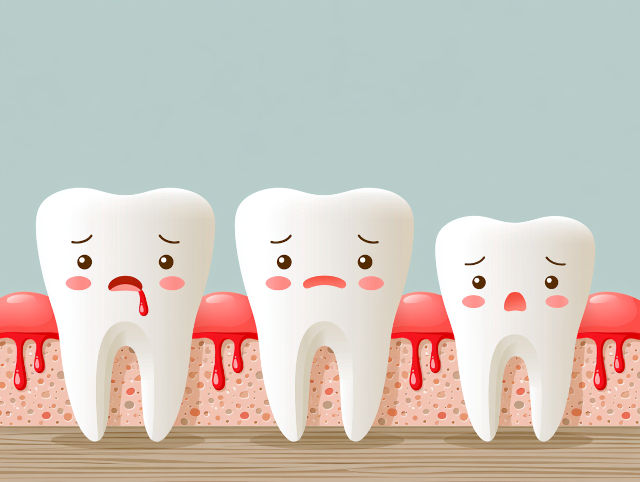
Bleeding Gums Could Point to Kidney Health Problems

Periodontitis is commonly viewed as a disease confined to the mouth, characterised by bleeding gums, progressive tissue damage and eventual tooth loss. However, growing evidence suggests its effects may extend throughout the body. The chronic inflammation associated with periodontal disease has been linked to cardiovascular disease and diabetes, raising questions about its possible connection to chronic kidney disease (CKD). While earlier studies have associated periodontitis with advanced CKD, its relationship with early kidney dysfunction has remained less clear.

Researchers at the University Medical Center Hamburg-Eppendorf, led by Dr Christian Schmidt-Lauber and Prof Dr Ghazal Aarabi, investigated whether periodontal disease is associated with early signs of impaired kidney health. “We aimed to evaluate the relationship between periodontitis and markers of early kidney dysfunction, including reduced renal function and albuminuria, and to explore the potential mediating role of systemic inflammatory markers,” Dr Schmidt-Lauber explained. The findings were published in Volume 18 of the International Journal of Oral Science on April 6, 2026.

The study analysed 6,179 participants from the Hamburg City Health Study, a population-based cohort in Germany. Participants underwent detailed periodontal examinations, with disease severity classified using the 2017 American Academy of Periodontology/European Federation of Periodontology staging system. Kidney health was assessed through estimated glomerular filtration rate (eGFR) and urinary albumin-to-creatinine ratio (uACR). Researchers also measured high-sensitivity C-reactive protein (hsCRP) and interleukin-6 (IL-6) to examine whether systemic inflammation could help explain the relationship.

The results showed a consistent association between worsening periodontal health and poorer kidney function. Severe periodontitis affected 14% of participants with normal kidney function, compared with 36% of those with moderately reduced kidney function. Advanced periodontal disease also became increasingly common as urinary albumin levels rose. Measures of cumulative oral damage, including clinical attachment loss and tooth loss, similarly worsened across stages of kidney dysfunction. Importantly, the associations remained after researchers adjusted for major factors including age, sex, diabetes and smoking.

Systemic inflammation appeared to explain only part of the connection. Levels of hsCRP and IL-6 rose alongside both periodontal disease severity and declining kidney health. However, hsCRP accounted for about 35% of the association between severe periodontitis and reduced eGFR, and only around 10% of the link with albuminuria. The researchers suggest other mechanisms may be involved, potentially including the spread of microbes from periodontal tissues, endothelial dysfunction, oxidative stress and metabolic changes.

Because CKD can progress without noticeable symptoms until significant kidney damage has occurred, recognising early indicators of risk remains a major clinical challenge. “By demonstrating an association between periodontitis and markers of early kidney dysfunction, this study highlights oral health as a potential window into kidney health,” Prof Dr Aarabi said. The findings suggest periodontal health could potentially contribute to future kidney risk assessment and support further studies examining whether treating gum disease can help preserve kidney function. Overall, the research strengthens evidence that oral and kidney health are closely interconnected and that periodontitis should be considered within the broader context of systemic health.

More information: Christian Schmidt-Lauber et al, Association of periodontitis with reduced kidney function and albuminuria in early chronic kidney disease: a population-based study, International Journal of Oral Science. DOI: 10.1038/s41368-026-00435-6

Journal information: International Journal of Oral Science Provided by Editorial Office of West China School of Stomatology, Sichuan University

The Unseen Environment: How Our Surroundings Shape Disease

From the air we breathe to the food we eat, people are continually exposed to thousands of chemicals, yet understanding how these substances influence health has remained a major scientific challenge. A new study led by researchers at the CeMM Research Center for Molecular Medicine of the Austrian Academy of Sciences and the Ludwig Boltzmann Institute for Network Medicine at the University of Vienna offers a new way to make sense of these complex environmental influences. Published in Nature Communications, the research suggests that very different substances can disrupt the same biological systems, creating patterns that may help scientists predict how environmental exposures contribute to disease.

Environmental pollution is estimated to play a role in around one in six deaths worldwide, but linking individual exposures to specific illnesses has proved difficult. Much of the problem lies in the complexity of the “exposome”, the complete collection of environmental influences a person encounters throughout life. Chemicals have traditionally been classified according to their structure or origin, but these characteristics do not necessarily reveal how they affect the human body. Two chemically similar substances may produce very different biological effects, while unrelated compounds can disturb the same processes and contribute to similar diseases.

To overcome this problem, a research team led by Jörg Menche, CeMM Adjunct Principal Investigator and Director of the Ludwig Boltzmann Institute for Network Medicine, focused on what chemicals do rather than what they look like. The study was first authored by Salvo Danilo Lombardo, a former PhD student at CeMM and LBI NetMed, who is now a postdoctoral researcher at Harvard Medical School. The scientists compiled information on nearly 10,000 environmental exposures, including pollutants, food components and medications, and mapped how each substance affects human genes. This produced a large network connecting exposures according to their shared biological effects.

The network revealed a striking pattern. Exposures formed clusters linked to common biological functions, including inflammation, metabolism and blood clotting. Chemically diverse substances, from pharmaceuticals to environmental toxins, often acted on the same molecular pathways. The findings suggest that the body does not necessarily respond to an exposure according to its chemical identity. Instead, the health effects of a substance may depend largely on which biological systems it disrupts. By identifying these shared pathways, researchers can uncover hidden connections between exposures that might otherwise appear completely unrelated.

The researchers also examined where these disruptions occur within the cell’s protein interaction network. Some proteins act as highly connected hubs that coordinate numerous essential biological processes, making them particularly important to the stability of the body’s molecular systems. The study found that exposures targeting these central proteins tend to have more damaging effects. A disruption involving even one highly connected protein can spread through the wider biological network and amplify its consequences. The researchers then compared their molecular predictions with large-scale health and environmental data from across Europe. Countries with higher levels of certain exposures also tended to have higher rates of diseases molecularly connected to those substances, suggesting that the biological “distance” between an exposure and a disease could help predict health outcomes.

The findings offer a broader framework for understanding how the unseen environment shapes human health. Rather than examining every chemical in isolation, the approach shows that thousands of exposures can converge on shared biological pathways within a complex but structured network. Menche says mapping these connections could eventually allow researchers to anticipate the health effects of substances that have not yet been studied extensively. By bridging molecular biology and public health, the research provides a foundation for a more systematic understanding of the exposome. It could ultimately help identify hidden environmental risks, strengthen monitoring efforts and guide strategies aimed at reducing the global burden of disease.

More information: Salvo Danilo Lombardo et al, A network-based map of the chemical exposome connects molecular interactions to public health, Nature Communications. DOI: 10.1038/s41467-026-72402-y

Journal information: Nature Communications Provided by CeMM Research Center for Molecular Medicine of the Austrian Academy of Sciences