Saturday, 25 Jul 2026
  • My Feed
  • My Saves
  • History
  • Blog
Living Well Study
  • Blog
  • Ageing Well
  • Brain Health
  • Healthy Diets
  • Physical Wellness
  • Wellness
  • 🔥
  • Wellness
  • older adults
  • Living Well
  • Brain Health
  • dementia
  • public health
  • Ageing Well
  • Health and Medicine
  • alzheimer disease
  • physical exercise
Font ResizerAa
Living Well StudyLiving Well Study
  • My Saves
  • My Feed
  • History
Search
  • Pages
    • Home
    • Search Page
  • Personalized
    • Blog
    • My Feed
    • My Saves
    • History
  • Categories
    • Ageing Well
    • Brain Health
    • Healthy Diets
    • Mental Wellness
    • Physical Wellness
    • Wellness
Have an existing account? Sign In
Follow US
© 2022 Foxiz News Network. Ruby Design Company. All Rights Reserved.
Living Well Study > Blog > Health and Medicine > Study Suggests Cruise Ship Air Pollution May Worsen Viral Illness
Health and Medicine

Study Suggests Cruise Ship Air Pollution May Worsen Viral Illness

support
Share
cruise ship, port, air pollution
SHARE

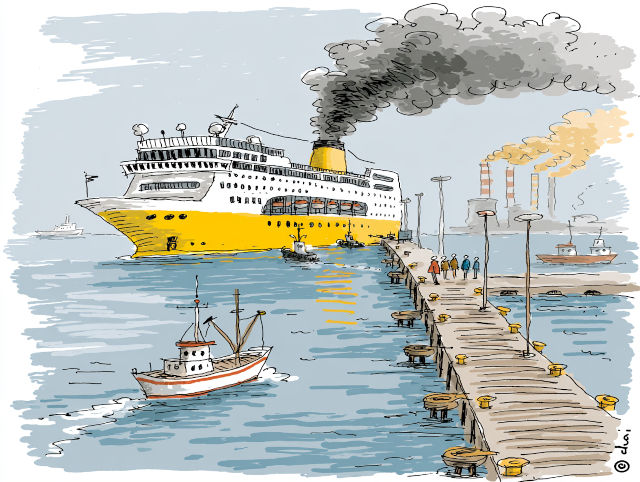
Air pollution from cruise ships could be increasing the risk and severity of viral infections among people living near busy ports, according to new research from the University of Southampton published in Environment International. The study examined air quality around Southampton Port and found that emissions from cruise ships contain ultrafine particulate matter (PM) enriched with trace elements produced by burning shipping fuel. Laboratory experiments showed that these tiny particles can trigger inflammation while weakening the body’s natural defences against viruses such as the common cold and COVID-19.

Ultrafine particles are far smaller than most regulated forms of air pollution, measuring no more than one thousandth the width of a human hair. Because of their size, they can penetrate deep into the lungs and may even enter the bloodstream. The researchers identified a distinct pollution “signature” associated with cruise ship emissions, particularly high levels of the metals vanadium, nickel and cobalt. “We found that exposure of cells to these particles, and vanadium – the most enriched element in the particles – was both pro-inflammatory and facilitated the replication of viruses,” said Professor Matthew Loxham, senior author of the study. He added that ultrafine particles remain largely unregulated and are rarely monitored despite their potential health risks.

To identify the source of the pollution, the research team collected particulate matter samples from five locations around Southampton Port, including a cruise terminal, a container terminal and a dock gate used by heavy goods vehicles. A comparison site located five kilometres away provided a benchmark. Sampling took place during both the busy spring and summer cruise season and the quieter winter off-season, allowing the researchers to compare changes in pollution levels throughout the year.

The analysis showed substantially higher concentrations of vanadium, nickel and cobalt in fine and ultrafine particles at the cruise terminal during the summer, when cruise ship traffic was at its highest. These trace elements were also generally more abundant across the port than at the comparison site. Lead author Dr Nat Easton said pollution levels consistently increased when winds carried emissions from cruise ships towards the sampling locations. The researchers believe emissions from cruise ships while docked, together with differences in fuel types and time spent in port, likely contributed to the elevated concentrations.

Laboratory tests using human lung lining cells revealed that exposure to ultrafine particles collected during the busy cruise season increased the activity of genes linked to inflammation while suppressing genes involved in antiviral defence. Additional experiments focused on vanadium showed that lung cells exposed to the metal produced significantly more copies of both human rhinovirus, which causes the common cold, and the virus responsible for COVID-19. These findings suggest that vanadium reduces the ability of lung cells to limit viral replication, potentially increasing both the severity of illness and the likelihood of transmission.

The researchers say their findings strengthen the case for reducing emissions from ships operating near populated ports. They recommend greater use of shoreside electricity generated from clean energy, cleaner alternative fuels and improved emission-control technologies to reduce harmful pollution. They also call for routine monitoring of ultrafine particulate matter and further investigation into its health effects, arguing that stronger evidence could help shape future regulations aimed at protecting communities living near ports around the world.

More information: Natasha Easton et al, Ultrafine particulate matter emitted from ships drives inflammation and susceptibility to viral infection, Environment International. DOI: 10.1016/j.envint.2026.110381

Journal information: Environment International Provided by University of Southampton

TAGGED:air pollutionairborne transmissible virusesinfectious diseases
Share This Article
Email Copy Link Print
Previous Article Study Links Extreme Heat to Higher Mental Health Hospitalization Rates
Next Article Non-Invasive Technology for Monitoring Babies’ Well-Being
Leave a Comment

Leave a Reply Cancel reply

Your email address will not be published. Required fields are marked *

Recent Posts

  • Living Environment May Affect Women’s Heart Health for Decades, Study Suggests
  • Study Shows How the Adolescent Brain Reshapes Memory
  • Study Finds Frequent TV Watching Associated with Smaller Brain Structures
  • Overweight May Contribute to Cancer Risk More Than Previously Thought
  • New Analysis in Nature Reviews Microbiology Examines the Impact of Climate Change on Waterborne Diseases

Tags

adolescents adverse effects ageing populations aging populations air pollution alzheimer disease amyloids anxiety artificial intelligence atopic dermatitis behavioral psychology biomarkers blood pressure body mass index brain cancer cancer research cardiology cardiovascular disease cardiovascular disorders caregivers children climate change climate change effects clinical research cognition cognitive development cognitive disorders cognitive function cognitive neuroscience COVID-19 dementia depression diabetes diets discovery research disease control disease intervention disease prevention diseases and disorders environmental health epidemiology foods food science gender studies geriatrics gerontology gut microbiota health and medicine health care health care costs health care delivery heart disease heart failure home care human brain human health hypertension inflammation insomnia life expectancy life sciences longitudinal studies memory disorders menopause mental health metabolic disorders metabolism mortality rates neurodegenerative diseases neurological disorders neurology neuroscience nursing homes nutrients nutrition obesity older adults parkinsons disease physical exercise population studies preventive medicine psychiatric disorders psychological science psychological stress public health research impact risk assessment risk factors risk reduction skin sleep sleep apnea sleep disorders social interaction social research socioeconomics tobacco type 2 diabetes weight loss
July 2026
S M T W T F S
 1234
567891011
12131415161718
19202122232425
262728293031  
« Jun    

This website is for information purpose only and is in no way intended to replace the advice, professional medical care, diagnosis or treatment of a doctor, therapist, dietician or nutritionist.

About | Contact | Cookie Policy | Digital Millennium Copyright Act Notice | Disclaimer | Privacy Policy | Terms of Service

You Might Also Like

Brain Health

Prolonged Exposure to Outdoor Air Pollution Associated with Higher Dementia Risk

By support
Health and Medicine

The Hidden Cost of Age Anxiety: Faster Ageing in Women

By support
Health and Medicine

Data-Driven Platform Reveals Alzheimer’s Pathways, Offering a New Approach to Predicting Risk

By support
Health and Medicine

Research in Sweden Reveals Subtle Complexities in Japanese Ageing

By support
Living Well Study
Categories
  • Ageing Well
  • Brain Health
  • Healthy Diets
  • Mental Wellness
  • Physical Wellness
  • Wellness
LivingWellStudy
  • About
  • Contact
  • Cookie Policy
  • Digital Millennium Copyright Act Notice
  • Disclaimer
  • Privacy Policy
  • Terms of Service
Welcome Back!

Sign in to your account

Username or Email Address
Password

Lost your password?