


Evaluating Pain, Anxiety, and Additional Symptoms in Non-Verbal Nursing Home Residents
Up to fifty per cent of nursing home residents suffer from cognitive impairments, rendering them unable to verbally communicate their experiences of pain or anxiety to the staff and healthcare…

Insufficient Protein Consumption May Contribute to Functional Decline with Age
Researchers have found that consuming lower amounts of protein-rich foods may negatively affect physical functioning as people grow older, highlighting the important role protein plays in maintaining muscle strength, mobility,…

Long-Term Research Indicates Health Problems Emerging Earlier for Younger Generations in the UK
Younger generations in the UK appear to be experiencing poorer health earlier in life than previous generations, according to a review of studies comparing national birth cohort datasets involving tens…

New Research Suggests the Ageing Brain May Be More Resilient and Adaptable Than Previously Thought
A landmark study recently published in the journal Nature Portfolio Scientific Reports suggests that cognitive decline is not an inevitable part of ageing. Researchers from the Center for BrainHealth at…

The Arts and Healthy Ageing: Evidence of a Slower Ageing Pace
Regular participation in arts and cultural activities such as reading, listening to music, or visiting museums and galleries may help slow the pace of biological ageing, according to a new…
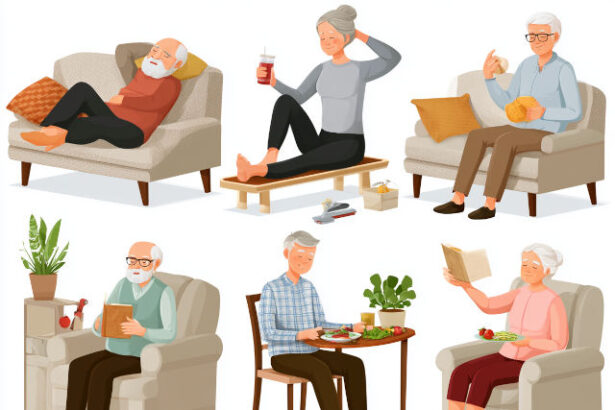
Daily Rest-Activity Patterns Correlate with the Pace of Biological Ageing
Adults with stronger and more consistent daily patterns of rest and activity may experience slower biological aging, according to a new study led by researchers at the Johns Hopkins Bloomberg…

The Upside of Ageing: Regret May Fade Over Time
Older adults tend to report fewer recent regrets than younger adults, according to research published by the American Psychological Association. While people of different ages reported a similar number of…

Healthy Ageing in the Digital Era
As Australia and many countries around the world experience rapidly ageing populations, technology is increasingly viewed as a solution to help older adults live safely, independently and well. However, a…

Scientists Design “Ageing Clocks” to Predict Age-Related Decline
Ageing is a complex biological process, and accurately measuring how the body declines over time has long challenged scientists. People of the same chronological age can experience very different health…

New Research Questions Long-Held Beliefs About the Harms of “Yo-Yo Dieting”
Weight loss followed by weight regain, commonly referred to as “yo-yo dieting” or weight cycling, has long been viewed as harmful to health, with some experts suggesting it may even…
Study Reveals How Gut Changes with Age May Drive Disease Risk
Researchers at the Marshall University Joan C. Edwards School of Medicine have uncovered new evidence suggesting that microscopic particles produced in the gut may contribute to inflammation and chronic diseases…

Participating in Nature-Based Groups Enhances Wellbeing in Older Adults Experiencing Social Isolation
Nature-based group activities can help reduce loneliness, improve sleep and cognitive function, and strengthen feelings of connection to nature among older adults living in care homes. Activities centred on outdoor…

Researchers Explore Garlic Compound’s Role in Maintaining Muscle Health
Researchers are exploring whether a natural compound found in aged garlic extract could help support muscle health as people grow older. A new study suggests that S-1-propenyl-L-cysteine, or S1PC, may…

Redesigning Hospitals for an Ageing Population
Public hospitals play a vital role in caring for aging populations, yet many operate under financial strain and limited resources. As populations grow older, these pressures can intensify existing imbalances…

More Than an Energy Drink: National Study Shows Kratom Use Is Increasing
A national study examining kratom use in the United States has found that the substance is becoming increasingly popular, particularly among young adults, while also being strongly associated with addiction…

Spending Time Outdoors Linked to Higher Life Satisfaction
A major international study has found that spending time in nature is linked to greater life satisfaction, with positive feelings about one’s body playing a key role in explaining this…