Author Archives: support

Weight variation as a potential contributor to cognitive decline in later life

Adults aged 65 and older who lose more than five per cent of their body weight, or whose weight fluctuates by this amount over time, may face an accelerated risk of cognitive decline. This conclusion comes from a study led by researchers in the Department of Nutritional Sciences at Penn State, whose findings were recently published in Obesity.

“We examined over a decade of information on weight, body mass index, and waist circumference,” explained Muzi Na, associate professor of nutritional sciences and senior author of the study. “Using three different analytic approaches, the pattern was unmistakable: the greater the year-to-year variation in a person’s weight, the faster they experienced cognitive decline.”

The research team drew on data from 4,304 older adults who took part in the National Health and Aging Trends Study between 2011 and 2021. In addition to weight-related measures, the dataset included annual assessments of memory, orientation, and executive function. These variables were combined into a composite index of cognitive ability, allowing the team to track trajectories of decline. Apart from minor adaptations necessitated by the COVID-19 pandemic, the data were gathered consistently each year.

As Na observed, it is natural for cognitive ability to diminish gradually with age, and the study confirmed this trend across the sample. However, participants whose weight varied most dramatically displayed markedly faster declines. When grouped according to weight stability, those with the least variation experienced the slowest decline. In contrast, those with the most significant variation suffered two to four times the rate of cognitive deterioration. The association remained significant when examining fluctuations in waist circumference and body mass index.

Further analyses revealed that both a weight loss of at least five per cent and repeated cycles of losing and regaining this amount were strongly associated with steeper cognitive decline. These findings, Na noted, highlight the potential dangers of unstable weight in later life. Interestingly, participants who gained weight over time showed similar levels of cognitive decline to those whose weight remained stable. However, Na emphasised that this should not be interpreted as a recommendation for older adults to gain weight.

“Obesity during mid-life is a well-established risk factor for cognitive decline in later years,” Na explained. “Yet there is also an ‘obesity paradox’ in which late-life obesity has been linked with healthier cognitive trajectories. The interplay of age-related muscle loss and fat gain is highly complex, and our study does not imply that gaining weight is beneficial for older adults.”

The findings suggest that tracking weight stability could be an important tool in safeguarding cognitive health. Still, Na warned against relying solely on occasional doctor’s appointments for monitoring. “Weight can be measured inconsistently in clinical settings,” she said. “Clothing, footwear, and other factors can skew results. Older adults should aim for consistent at-home tracking, such as weighing themselves at the same time each morning after waking, before breakfast, and after using the bathroom, while wearing the same type of clothing. This approach offers more reliable information, and if changes appear, they should be shared with physicians.”

More information: Muzi Na et al, Variability in body weight and body composition and cognitive trajectories in older adults in the United States, Obesity. DOI: 10.1002/oby.24309

Journal information: Obesity Provided by Penn State

Biological ageing speed shown to predict cognitive deterioration in older adults

A new study published in Aging (Aging-US), Volume 17, Issue 7, on 21 July 2025, is titled “Association of DNA methylation age acceleration with digital clock drawing test performance: the Framingham Heart Study.” The research team was led by first author Zexu Li of the Department of Anatomy and Neurobiology at Boston University’s Chobanian and Avedisian School of Medicine, with corresponding author Chunyu Liu, who also holds appointments at the Boston University School of Public Health. Their investigation sheds light on the relationship between biological ageing at the molecular level and long-term cognitive performance.

The researchers found that individuals who exhibited signs of faster biological ageing tended to perform less well on a digital cognitive test administered seven years later. This suggests that the rate at which DNA undergoes age-related molecular changes may influence how the brain functions as people grow older. The findings emphasise that biological, rather than simply chronological, age might provide a more accurate measure of an individual’s vulnerability to cognitive decline.

The analysis drew on data from 1,789 participants in the Framingham Heart Study, a long-running cohort that has provided extensive insights into health and ageing. To estimate biological age, the team examined DNA methylation (DNAm) patterns—chemical modifications to DNA known to accumulate over time and commonly referred to as “epigenetic ageing.” Cognitive function was measured using the digital Clock Drawing Test (dCDT), a computerised version of the traditional assessment tool. The dCDT evaluates memory, processing speed, motor control, and spatial reasoning, producing both overall and domain-specific scores.

Results showed that greater epigenetic age acceleration was significantly associated with lower cognitive scores, particularly among participants over 65 years of age. Among the different epigenetic ageing metrics, the DunedinPACE measure showed the strongest correlation with poorer cognitive function across age groups. Other indices, such as Horvath and PhenoAge, were linked to lower performance only in the older participants. Declines were most pronounced in areas related to motor ability and spatial reasoning, both essential for everyday functioning.

The study also investigated proteins included in the GrimAge epigenetic clock, a blood-based biomarker of ageing. Two proteins in particular—plasminogen activator inhibitor-1 (PAI1) and adrenomedullin (ADM)—were closely associated with poorer cognitive performance, again with the most potent effects seen in older individuals. These findings point to a broader connection between systemic ageing processes in the body and mental as well as motor decline in the brain, highlighting the intertwined nature of ageing across multiple biological systems.

Taken together, the results provide compelling evidence that accelerated biological ageing is linked to declines in memory, thinking speed, and motor control. The authors argue that epigenetic age is likely a better predictor of cognitive decline than chronological age. Because the dCDT is automated, precise, and easy to administer, it could become a valuable tool for early detection of brain ageing when combined with DNA methylation measures. Ultimately, this research opens new possibilities for identifying individuals at risk of cognitive impairment and developing more targeted approaches to support healthy ageing in older populations.

More information: Zexu Li et al, Association of DNA methylation age acceleration with digital clock drawing test performance: the Framingham Heart Study, Aging-US. DOI: 10.18632/aging.206285

Journal information: Aging-US Provided by Impact Journals LLC

The hidden costs of early puberty and young motherhood

The age at which women reach puberty or give birth may have profound consequences for their long-term health. New research published in eLife by investigators at the Buck Institute shows that girls who experience puberty (marked by the onset of menstruation) before age 11 or women who have their first child before age 21 face significantly elevated health risks. Specifically, these women are twice as likely to develop type 2 diabetes, obesity, and heart failure, and four times more likely to suffer from severe metabolic disorders later in life. Conversely, later puberty and childbirth were genetically linked to longer lifespan, reduced frailty, slower epigenetic ageing, and a lower risk of age-related conditions such as diabetes and Alzheimer’s disease.

Buck professor Dr Pankaj Kapahi, senior author of the study, underscores the public health importance of these findings. “Although menstrual and childbirth history is routinely recorded during medical care, it is rarely considered outside of gynaecological contexts,” he explains. “Our research shows that these factors, whether beneficial or harmful, have a powerful influence on ageing and the development of disease. They need to be incorporated into the broader framework of women’s healthcare.”

The study represents one of the most comprehensive analyses of reproductive timing to date. Drawing on regression analyses of nearly 200,000 women enrolled in the UK Biobank, the team identified 126 genetic markers that connect early reproductive events with accelerated ageing. “Many of these markers lie within well-known longevity pathways, including IGF-1, growth hormone, AMPK, and mTOR signalling,” notes Dr Yifan Xiang, a postdoctoral fellow who led the research. These pathways regulate metabolism and ageing, making them central to understanding how early puberty and childbirth set the stage for long-term health risks.

The findings provide compelling evidence for the evolutionary concept of antagonistic pleiotropy—the idea that genetic traits advantageous early in life can have damaging consequences later on. “Our results show that genetic factors promoting early reproduction carry a substantial cost for women as they age,” Kapahi says. “From an evolutionary perspective, it makes sense: traits that enhance the survival of offspring may simultaneously increase disease risk and accelerate ageing in the mother.”

Body Mass Index (BMI) emerged as a key mechanism in this process. The study demonstrated that women who undergo early reproductive events tend to have higher BMI, which in turn increases their risk for metabolic diseases. Kapahi elaborates: “Enhanced nutrient absorption would be advantageous in the context of supporting offspring survival, but in today’s world of abundant calories, this same mechanism contributes to obesity and diabetes.”

From a public health standpoint, the implications are far-reaching. Kapahi argues that integrating reproductive timing into healthcare strategies could improve health outcomes across the lifespan. Personalised approaches—including lifestyle interventions, routine metabolic screenings, and targeted nutritional guidance—may help offset the risks linked to early puberty and early childbirth. The issue is especially timely, as recent research shows that the age of menarche in the United States has steadily declined by about three months per decade since the 1970s. While the underlying causes remain uncertain, rising rates of childhood obesity appear to play a role.

Finally, the study challenges long-standing practices in basic science research. Most preclinical studies on ageing use virgin female mice, which may not adequately represent the health trajectories of women who reproduce early. Kapahi suggests this oversight limits the translational value of such research. “If evolution has prioritised early reproduction at the expense of healthy ageing, then we need to ask how this knowledge can be applied in modern society,” he reflects. “We cannot alter our genetic inheritance, but we can use these insights to shape lifestyle, healthcare, and even medical interventions aimed at extending women’s healthspan.” The identification of genetic pathways associated with reproductive timing, he adds, also opens avenues for future therapies that could benefit both mothers and their children.

More information: Yifan Xiang et al, Early menarche and childbirth accelerate aging-related outcomes and age-related diseases: Evidence for antagonistic pleiotropy in humans, eLife. DOI: 10.7554/eLife.102447.4

Journal information: eLife Provided by Buck Institute for Research on Aging

Consistent sleep patterns linked to better recovery outcomes in heart failure, researchers report

People recovering from heart failure may significantly improve their chances of avoiding further complications by maintaining a regular sleep routine, according to a new study led by Oregon Health & Science University (OHSU). Published in JACC Advances, the research highlights the risks associated with irregular sleep schedules, showing that even moderate inconsistency can double the likelihood of a serious medical event within six months. Such events could range from emergency room visits and hospital readmissions to fatalities.

The investigation was conducted by a team of OHSU researchers, led by Brooke Shafer, Ph.D., a research assistant professor in the Sleep, Chronobiology and Health Laboratory within the OHSU School of Nursing. Shafer underscored the broader health implications of sleep consistency, but stressed its particular importance for those already managing heart failure. “Going to bed and waking up at consistent times is important for overall health,” she explained. “Our study suggests that consistency in sleep timing may be essential for adults with heart failure.”

Between September 2022 and October 2023, the team enrolled 32 patients who had been admitted to OHSU Hospital and Hillsboro Medical Centre for acutely decompensated heart failure. After discharge, participants kept detailed sleep diaries for one week, recording when they went to sleep, woke up, and whether they took naps during the day. This data enabled the researchers to categorise individuals as either “regular” or “moderately irregular” sleepers, depending on the stability of their patterns.

The results were striking. Over the following six months, 21 participants experienced another clinical event. Among them, 13 were classified as moderately irregular sleepers, while only eight were identified as having regular sleep habits. Statistically, the irregular group faced more than double the risk of recurrence compared with their counterparts who maintained consistency. Importantly, this elevated risk persisted even after researchers adjusted for potential confounders such as other sleep disorders and chronic health conditions.

According to the authors, this is one of the first studies to specifically assess the impact of sleep regularity on heart failure outcomes. The findings contribute to a growing body of research suggesting that the timing of sleep—alongside its quality and duration—plays a key role in cardiovascular health. The team concluded that encouraging patients to stabilise their sleep schedules could provide a low-cost, non-invasive way to reduce the likelihood of repeat medical crises among those recovering from heart failure.

Shafer added that the physiological mechanisms behind this link may involve the cardiovascular system’s natural rhythm. “When we’re asleep and in a resting state, our blood pressure and heart rate decrease compared with daytime levels,” she said. “But variability in sleep timing may disrupt mechanisms involved in the regulation of the cardiovascular system. Irregular sleep may contribute to adverse outcomes, especially for people already affected by heart failure.” Moving forward, the researchers plan to scale up their study with a larger cohort to explore whether interventions that directly improve sleep regularity can further reduce risks in this vulnerable population.

More information: Brooke Shafer et al, Effect of Posthospitalization Sleep Regularity on Clinical Events in Adults With Heart Failure, JACC Advances. DOI: 10.1016/j.jacadv.2025.102109

Journal information: JACC Advances Provided by Oregon Health & Science University

Innovative drug could help patients with stubborn blood pressure

A major international study has shown that a new tablet treatment can substantially reduce blood pressure in patients whose levels remain dangerously high despite taking several existing medicines. The findings come from a Phase III clinical trial led by Professor Bryan Williams of UCL’s Institute of Cardiovascular Science, and they point to a potentially transformative option for people living with resistant hypertension. Globally, high blood pressure affects around 1.3 billion people, with almost half of cases either uncontrolled or resistant to treatment. In the UK alone, around 14 million people are affected, leaving millions at heightened risk of heart attack, stroke, kidney disease, and premature death.

The BaxHTN trial, sponsored by AstraZeneca and supported by the NIHR Biomedical Research Centre at UCLH, tested the drug baxdrostat in nearly 800 patients across 214 clinics worldwide. After 12 weeks, those receiving baxdrostat at doses of 1 mg or 2 mg once daily experienced an average fall in blood pressure of 9–10 mmHg more than patients taking a placebo. This reduction was not only statistically significant but also clinically meaningful, since even modest reductions in systolic blood pressure are known to lower cardiovascular risk substantially. Remarkably, about four in ten patients taking baxdrostat achieved healthy blood pressure targets, compared with fewer than two in ten in the placebo group.

Professor Williams, who is presenting the findings at the European Society of Cardiology (ESC) Congress 2025 in Madrid and in the New England Journal of Medicine, described the results as “exciting.” He emphasised that a near 10 mmHg drop in systolic blood pressure represents a significant advance, directly translating into fewer heart attacks, strokes, episodes of heart failure, and cases of kidney disease. Moreover, the treatment proved durable, with clinically meaningful blood pressure reductions sustained for up to 32 weeks and no unanticipated safety concerns observed in the study population.

Baxdrostat is the latest innovation in a long research effort to tackle one of the most difficult drivers of hypertension: excess aldosterone. This hormone regulates salt and water balance in the body. When overproduced, it forces the kidneys to retain salt and water, pushing up blood pressure and making it stubbornly resistant to control. For decades, scientists have sought practical ways to target aldosterone overproduction, with limited success. Baxdrostat works by directly blocking aldosterone production, offering a precise way to address this underlying cause in people with difficult-to-treat hypertension.

Professor Williams, Chair of Medicine at UCL, highlighted the broader significance of these findings, noting that up to half of patients on treatment may still have uncontrolled blood pressure—a figure likely higher when considering the stricter targets now set for optimal control. By effectively reducing blood pressure in resistant cases, baxdrostat provides crucial new evidence that aldosterone dysregulation is central to the condition in millions of people. Importantly, it offers hope that future care for hypertension could be much more effective, moving beyond simply adding more and more drugs to a patient’s regimen.

The global implications are profound. While hypertension was once more prevalent in higher-income Western nations, the burden has shifted dramatically to Eastern and lower-income countries as diets and lifestyles have changed. Today, more than half of all people with high blood pressure live in Asia, including 226 million in China and 199 million in India. Professor Williams concluded that the results suggest baxdrostat could help up to half a billion people worldwide—and as many as 10 million in the UK—at a time when achieving lower and healthier blood pressure targets has never been more urgent.

More information: Bryan Williams et al, Efficacy and Safety of Baxdrostat in Uncontrolled and Resistant Hypertension, New England Journal of Medicine. DOI: 10.1056/NEJMoa2507109

Journal information: New England Journal of Medicine Provided by University College London

Can eye tests uncover the earliest clues of Alzheimer’s disease?

Within the next few years, a simple eye examination could offer doctors a new way of detecting Alzheimer’s disease and other dementias long before the first memory lapses appear. A study recently published in Alzheimer’s & Dementia suggests that routine eye checks may reveal subtle warning signs in the retina, potentially opening the door to earlier diagnosis and treatment.

The research, carried out at The Jackson Laboratory (JAX), focused on the tiny blood vessels that run through the retina. Scientists found that mice carrying a common genetic mutation linked to Alzheimer’s risk, known as MTHFR677C>T, displayed twisted vessels, narrowed arteries, and fewer vascular branches in their retinas as early as six months of age. These abnormalities are strikingly similar to changes seen in the brain, suggesting that the retina may serve as a powerful biomarker for neurodegenerative disease.

According to neuroscientist Alaina Reagan, who led the study with colleague Gareth Howell, the findings highlight the close relationship between the eye and the brain. “Your retina is essentially your brain, but it’s much more accessible because your pupil is just a hole,” Reagan explained. The retina, like the brain, is part of the central nervous system, and its neurons, immune cells, and supporting structures often respond to disease in the same way. This makes it uniquely suited for non-invasive monitoring of brain health.

Beyond structural changes, the researchers also observed molecular disruptions in both the brain and retina of the mutant mice. These included problems with energy production, removal of damaged proteins, and maintenance of blood vessel integrity—processes vital for healthy function. Such findings add weight to a growing theory that vascular health is central to the development of Alzheimer’s and related conditions. The study also noted that female mice fared worse than males, echoing epidemiological data showing that women are more likely than men to develop dementia.

The implications for clinical care are potentially far-reaching. Because eye tests are already part of routine health care—particularly for people over the age of fifty—optometrists and ophthalmologists may one day be able to flag early vascular changes that point to dementia risk. Reagan and her colleagues are now working with clinicians and dementia specialists at Northern Light Acadia Hospital in Maine to determine whether similar retinal patterns can be detected in humans and used to guide preventative strategies.

If successful, this approach could shift the timeline for Alzheimer’s detection forward by decades. “Are patients more at risk if they have these vascular changes, and is that a point when doctors could start mitigating brain changes?” Reagan asked. “That could be twenty years before cognitive decline becomes obvious to patients and their families.” For now, the research offers fresh hope that the eye may hold vital clues to one of the most challenging health problems of our time.

More information: Alaina Reagan et al, Retinal vascular dysfunction in the Mthfr677C>T mouse model of cerebrovascular disease, Alzheimer’s & Dementia. DOI: 10.1002/alz.70501

Journal information: Alzheimer’s & Dementia Provided by Jackson Laboratory

Fall Prevention in Aged Care: What Works Best

An international review led by Flinders University has found that supervised exercise programs, vitamin D supplementation, and improved nutrition are among the most effective ways to prevent falls in aged care homes. Published by the Cochrane Collaboration, the study analysed data from 104 clinical trials involving nearly 69,000 residents across 25 countries, making it the most comprehensive investigation of its kind.

Lead author Dr Suzanne Dyer, from the Flinders Health and Medical Research Institute (FHMRI), says the findings provide vital guidance for care providers, policymakers, and families. “Falls are one of the most serious health risks facing older Australians, often leading to broken bones, hospital admissions, and loss of independence,” she explains. The evidence, she adds, shows that interventions must be carefully tailored rather than applied as a one-size-fits-all solution.

Among the most effective measures were structured, supervised exercise programs, particularly when carried out regularly in groups or for more than an hour each week. These benefits extended even to residents living with dementia and other cognitive impairments, provided the exercise was delivered consistently and with staff support.

The study also found that vitamin D supplements reduced falls by improving muscle strength, while nutrition made a significant difference through diets rich in calcium and protein. Increasing dairy servings—such as milk, cheese, and yoghurt—strengthened bones and lowered both falls and fracture rates. Dr Dyer emphasises that “by adding more calcium and protein-rich foods, aged care homes were able to improve residents’ bone health and stability.”

The review further showed that combining personalised exercise plans with medication reviews and environmental assessments, supported by strong staff involvement, achieved the best results. In contrast, programs focused solely on medication management, staff training, or changes to care models did not consistently reduce falls. “We now have strong evidence about what works best,” says Dr Dyer, “and this offers aged care providers a clear roadmap for improving resident safety.”

More information: Suzanne Dyer et al, Interventions for preventing falls in older people in care facilities, Cochrane Database of Systematic Reviews. DOI: 10.1002/14651858.CD016064

Journal information: Cochrane Database of Systematic Reviews Provided by Flinders University

Study highlights deteriorating heart function in ageing adults with cardiac illness

New research published in the Journal of the American Heart Association has revealed that U.S. adults aged 65 and older with high blood pressure, stroke, or heart failure are experiencing marked declines in cardiovascular health. The study analysed cardiovascular health scores derived from the American Heart Association’s “Life’s Essential 8” framework, which measures eight behaviours and health factors considered critical to heart and brain health: diet, physical activity, smoking, sleep, body mass index, cholesterol, blood sugar, and blood pressure. The results suggest that older adults with pre-existing cardiovascular disease consistently fared worse in maintaining optimal scores compared with their peers without such conditions.

The analysis was based on data collected from 2013 to 2018 through the U.S. National Health and Nutrition Examination Survey (NHANES), representing a sample of 3,050 adults that equated to population-level estimates for nearly 38 million older Americans. Researchers found that people with no history of cardiovascular disease had an average cardiovascular health score of 68 out of 100. In contrast, individuals who reported one or more cardiovascular conditions averaged scores below 60, with health further declining as the number of conditions increased. By condition, scores dropped by 4.1% for those with high blood pressure, 11.5% for those with a history of stroke, and 15.2% for those living with heart failure over the study period.

One of the most striking findings was the disparity in physical activity and blood pressure measures. According to lead author James M. Walker, a fourth-year M.D./M.B.A. student at Northwestern University, participants with cardiovascular disease typically had significantly lower scores in these categories. On average, adults with at least one cardiovascular disease had Life’s Essential 8 scores nine points lower than those without, underscoring the disproportionate challenges older adults face in maintaining activity levels and healthy blood pressure as their conditions progress.

The researchers emphasised that these results establish a crucial baseline for understanding cardiovascular health in older adults before the COVID-19 pandemic, a period when disparities became even more evident. As Walker explained, the study was designed to highlight cardiovascular health trends before 2020 to assess subsequent shifts caused by the pandemic. The findings provide insight into the urgent need for tailored interventions, suggesting that earlier and more comprehensive support is essential to preserve health in ageing populations, especially those already diagnosed with heart disease.

Experts who were not directly involved in the study, such as Dr. Stacey E. Rosen of Northwell Health, underscored the broader implications of these findings. With the U.S. population rapidly ageing and the last of the Baby Boom generation entering retirement age within five years, the burden of cardiovascular disease is expected to grow. Rosen noted that while medical advances have enabled more people to live longer even after serious cardiovascular events, strategies to promote healthier lifestyles at every stage of life are essential. The American Heart Association continues to urge individuals to adopt Life’s Essential 8 behaviours early, ideally starting in childhood, to mitigate risks later in life.

While the study provides compelling insights, the authors caution that it has limitations. Because the analysis was cross-sectional, it cannot establish causality, and it only included six primary cardiovascular conditions, potentially excluding less common diagnoses. Nevertheless, the results strongly reinforce the importance of early, sustained lifestyle interventions, as well as continued research to monitor and support cardiovascular health in the rapidly growing population of older adults.

More information: James M. Walker et al, Comparing the “Life’s Essential 8” Scores of Older Adults Living With Cardiovascular Diseases: NHANES, 2013 to 2018, Journal of the American Heart Association. DOI: 10.1161/JAHA.124.039659

Journal information: Journal of the American Heart Association Provided by American Heart Association

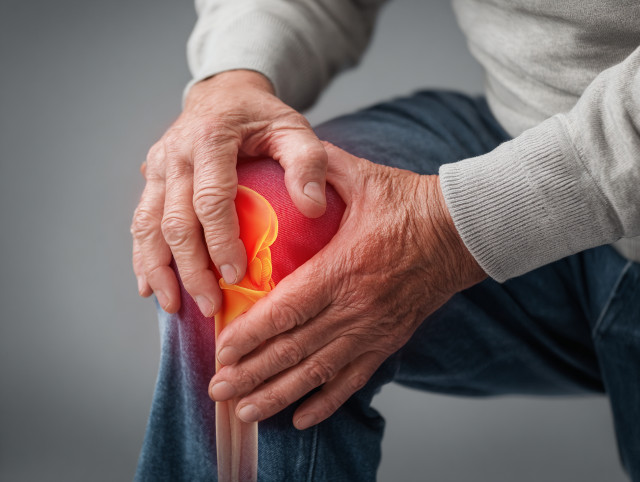
AI-Enhanced Approaches to Forecasting Knee Osteoarthritis Outcomes

An artificial intelligence (AI) model that integrates MRI scans, biochemical tests, and clinical information has shown early promise in predicting whether a patient’s knee osteoarthritis will worsen. The study, led by Ting Wang of Chongqing Medical University in China, was published on August 21st in the open-access journal PLOS Medicine. The research suggests that this kind of integrated model may support clinicians in making earlier and more accurate treatment decisions for patients at risk of disease progression.

Knee osteoarthritis is a common and debilitating condition in which cartilage in the knee joint deteriorates over time, causing persistent pain and stiffness. Globally, it affects more than 300 million people and is a leading cause of disability among older adults. In severe cases, the disease often results in the need for total knee replacement surgery. Predicting which patients are most likely to experience worsening symptoms or structural decline could allow doctors to deliver more timely interventions, potentially slowing disease progression and improving quality of life.

Previous studies have suggested that predictive models may be strengthened by drawing upon multiple forms of patient data. For instance, MRI scans can reveal subtle changes in cartilage and joint space, while biochemical tests in blood or urine may capture metabolic or inflammatory signals. Clinical data, meanwhile, provides essential context about pain, mobility, and overall health. Yet, despite the promise of such multimodal approaches, few studies have successfully integrated all three forms of information into a single AI-driven model.

To address this gap, Wang and colleagues analysed data from 594 individuals with knee osteoarthritis, drawn from the Foundation of the National Institutes of Health Osteoarthritis Biomarkers Consortium. This included clinical assessments, biochemical test results, and a total of 1,753 MRI scans gathered over two years. The team used half the dataset to build a predictive model they called the Load-Bearing Tissue Radiomic plus Biochemical biomarker and Clinical variable Model (LBTRBC-M), and then validated its performance using the other half. The results showed that LBTRBC-M could accurately distinguish between patients who would experience worsening pain, combined pain and joint space narrowing, structural worsening without pain, or no decline at all over the following two years.

Importantly, the model was also tested in a clinical context by seven resident physicians. When these doctors used the LBTRBC-M system to guide their own predictions, their accuracy improved significantly—from just under 47 per cent to more than 65 per cent. This finding demonstrates the potential of AI models not only as research tools but as practical supports for medical decision-making. By synthesising complex data into actionable predictions, such systems could provide clinicians with an evidence-based means of identifying patients most at risk of rapid disease progression.

The authors emphasised that further refinement and broader validation are needed before LBTRBC-M can be implemented in routine clinical practice. Nevertheless, they underscored the potential of combining deep learning with longitudinal imaging and biochemical biomarkers to advance personalised care. “Our study shows that integrating these approaches significantly improves prediction of knee osteoarthritis progression, creating opportunities for earlier and more tailored interventions,” they wrote. Co-author Professor Changhai Ding added that the work highlights how AI can extract clinically meaningful insights from complex musculoskeletal datasets, paving the way for innovations that bridge technology and patient-centred care.

More information: Ting Wang et al, Predicting knee osteoarthritis progression using neural network with longitudinal MRI radiomics, and biochemical biomarkers: A modeling study, PLOS Medicine. DOI: 10.1371/journal.pmed.1004665

Journal information: PLOS Medicine Provided by PLOS

Community Exercise Classes Empower Older Adults to Stay Strong and Independent

Older adults who regularly engaged in a community-based exercise programme were able to slow—and in some cases reverse—the natural declines in cardiovascular fitness and muscle strength associated with ageing, according to a new study from McMaster University. The findings, published in the journal Exercise, Sport, and Movement, highlight the remarkable potential of structured, age-appropriate physical activity to help seniors maintain their health and independence.

The study revealed particularly promising outcomes for women, whose cardiorespiratory fitness actually improved over time. For men, declines in aerobic capacity were significantly less steep than expected. Both groups also preserved more muscle strength than is usually associated with ageing. These results emphasise the power of consistent, guided exercise in supporting the well-being of older adults at a time when the population over 65 is expanding rapidly.

Researchers followed 124 participants enrolled in the MacSeniors Exercise and Wellness Programme at McMaster’s Physical Activity Centre of Excellence (PACE) over five years. Each individual was encouraged to attend at least two sessions per week, combining a minimum of 30 minutes of moderate-intensity aerobic exercise—ideally totalling 150 minutes weekly—with resistance training for every major muscle group. The programme was designed in line with national guidelines for physical activity among older adults.

During the study, investigators tracked two key measures of long-term health: cardiorespiratory fitness and muscular strength. These are not only markers of functional ability but also predictors of chronic illness, independence, and even mortality risk. “This is a stage of life when many physiological systems are in decline,” explained Angelica McQuarrie, co-author and Programme Manager at PACE. “The fact that participants could sustain their function, reduce the expected age-related changes, and in the case of women reverse them, really underscores the importance of community-based exercise.”

The researchers also credited the supportive social environment as a crucial factor. “A welcoming community keeps older adults engaged, connected, and motivated to return,” said co-author Giulia Coletta, a kinesiology PhD graduate. “When that social connection is combined with evidence-based exercise, participants gain both the confidence and the knowledge to stay active independently. That combination is what leads to lasting health improvements.”

These findings are particularly significant in light of the well-documented decline in physical capacity that begins surprisingly early in adulthood. Aerobic capacity starts to drop after age 30, with the rate of decline accelerating after 45 and worsening through the later decades of life. Muscle strength, which is vital for mobility and fall prevention, also decreases steadily from midlife onward. By the age of 40, respiratory muscle strength typically falls by 8 to 10 per cent per decade, threatening both health and independence if left unaddressed.

For Stuart Phillips, co-author and Director of PACE, the implications are clear. “These kinds of programmes provide sustainable, affordable options where older adults can be guided and monitored in a friendly, non-intimidating environment,” he said. “It’s never too late to get started, and the impact on daily living is profound. Regular, structured activity not only helps preserve physical function but also gives participants confidence, independence, and a stronger quality of life.”

More information: Giulia Coletta et al, Long-Term Enrollment in a Community Exercise Program Attenuates Age-Related Declines in Fitness in Older Adults, Exercise Sport and Movement. DOI: 10.1249/ESM.0000000000000052

Journal information: Exercise Sport and Movement Provided by McMaster University

Metabolic syndrome increases vulnerability to Parkinson’s disease

A recent study published on 20 August 2025 in Neurology®, the journal of the American Academy of Neurology, has found that people with metabolic syndrome face a heightened risk of developing Parkinson’s disease. While the findings highlight a significant association, the researchers caution that the results do not prove metabolic syndrome directly causes Parkinson’s. Instead, the study underscores a possible link between the two conditions, raising important questions about prevention and risk management.

Metabolic syndrome is diagnosed when a person has three or more of the following factors: excess abdominal fat, high blood pressure, elevated blood sugar, higher-than-normal triglyceride levels, and reduced levels of high-density lipoprotein (HDL), commonly known as the “good” cholesterol. Each of these elements places stress on the body’s metabolic and cardiovascular systems, and together they form a profile that increases vulnerability to a wide range of diseases, now including Parkinson’s.

“Parkinson’s disease is the second most common neurodegenerative disorder among older adults, after Alzheimer’s disease, and metabolic syndrome affects roughly one in four adults worldwide,” said lead author Weili Xu, PhD, of the Karolinska Institutet in Stockholm. “Our findings suggest that metabolic syndrome may be a modifiable risk factor for Parkinson’s disease. More research is needed to determine whether improving metabolic health can actually help prevent the onset of Parkinson’s.”

The research team tracked 467,200 participants, with an average age of 57, over a median period of 15 years. Of those, 38% were identified as having metabolic syndrome. Over the study period, 3,222 people developed Parkinson’s disease. After adjusting for age, lifestyle factors such as smoking and physical activity, and genetic predispositions, the researchers found that individuals with metabolic syndrome were around 40% more likely to develop Parkinson’s than those without it. A complementary meta-analysis, combining this study with eight previous investigations, confirmed the association, showing that people with metabolic syndrome have a 29% increased risk overall.

The study also discovered that people who had both metabolic syndrome and a genetic susceptibility to Parkinson’s faced an even greater risk, underscoring the importance of maintaining metabolic health, especially in genetically predisposed individuals. However, the researchers note a limitation: the study population was predominantly white, which means the findings may not fully represent other ethnic groups. Despite this, the results suggest that managing weight, blood pressure, and other metabolic factors could be a practical way to lower the risk of Parkinson’s disease on the broader population.

More information: Weili Xu et al, Metabolic Syndrome and Incidence of Parkinson Disease, Neurology. DOI: 10.1212/WNL.0000000000214033

Journal information: Neurology Provided by American Academy of Neurology

Mediterranean diet shows promise in protecting against inherited Alzheimer’s risk

A new study led by researchers from Mass General Brigham, the Harvard T.H. Chan School of Public Health, and the Broad Institute of MIT and Harvard suggests that following a Mediterranean-style diet may lower the risk of dementia. Published in Nature Medicine, the research found that people at the highest genetic risk for Alzheimer’s disease saw the most significant benefit from this diet, showing a marked reduction in dementia risk compared with those at lower genetic risk.

The Mediterranean diet—rich in fruits, vegetables, whole grains, legumes, olive oil, and fish—has previously been the only dietary pattern shown in a randomised trial to improve cognition directly. “We wanted to know if the benefits might vary depending on genetic background and whether diet could affect blood metabolites linked to brain health,” said first author Yuxi Liu, PhD, a research fellow at Brigham and Women’s Hospital and the Harvard Chan School.

Genetics play a significant role in Alzheimer’s, with heritability estimated at up to 80 per cent. The APOE gene is the most substantial known risk factor: carrying one copy of the APOE4 variant triples or quadruples risk, while having two copies increases risk twelve-fold. The study aimed to determine whether dietary habits could influence outcomes in individuals with this heightened susceptibility.

To answer this, the researchers analysed data from more than 4,200 women in the Nurses’ Health Study and 1,490 men in the Health Professionals Follow-Up Study, with participants followed for up to three decades. Diet was assessed through food questionnaires, blood was analysed for hundreds of metabolites, and genetic data were used to estimate Alzheimer’s risk. Some participants also completed regular cognitive testing by telephone.

The results showed that those adhering more closely to a Mediterranean-style diet were less likely to develop dementia and experienced slower cognitive decline. The most substantial benefits were observed in individuals carrying two copies of the APOE4 variant, suggesting diet may counterbalance a significant inherited risk.

The authors cautioned that the findings were drawn from largely well-educated participants of European ancestry and that more diverse studies are needed. They also emphasised that while genetics and metabolomics offer valuable clues, these tools are not yet part of everyday clinical practice. Future research will aim to determine whether tailoring diet to genetic and metabolic profiles can provide even stronger, more personalised protection against Alzheimer’s disease.

More information: Yuxi Liu et al, Interplay of genetic predisposition, plasma metabolome and Mediterranean diet in dementia risk and cognitive function, Nature Medicine. DOI: 10.1038/s41591-025-03891-5

Journal information: Nature Medicine Provided by Mass General Brigham