Author Archives: support

Research uncovers hidden body fat’s role in speeding up heart ageing

An extensive new study has revealed that excessive amounts of visceral fat — the hidden fat stored deep within the abdomen and wrapped around vital organs — are linked to faster ageing of the heart. Although age is already the most significant risk factor for cardiovascular disease, the reasons why some people’s hearts age more quickly than others remain unclear. Researchers now suggest that visceral fat may play a central role in this process, making it a potential target for therapies aimed at protecting long-term heart health.

The investigation, led by scientists at the Medical Research Council (MRC) Laboratory of Medical Sciences in London, analysed body scans and health data from more than 21,000 participants in the UK Biobank. The study, published in the European Heart Journal, used advanced imaging to measure both the quantity and distribution of fat, as well as detailed scans of the heart and blood vessels. With the help of artificial intelligence, the team assessed these images for signs of organ ageing — such as stiffened or inflamed tissues — and assigned each participant a “heart age” to compare with their actual age.

The findings demonstrated a strong link between higher levels of visceral adipose tissue and accelerated ageing of the heart. Unlike the fat just beneath the skin, this type of fat is hidden from view, meaning that even people who appear slim or have a healthy body weight can carry dangerous amounts. Blood samples also showed that visceral fat is associated with raised levels of inflammation, which is thought to drive premature ageing across multiple organ systems.

The study also highlighted striking differences between men and women. Men with an “apple-shaped” pattern of fat — concentrated around the abdomen — were more likely to show signs of early heart ageing. By contrast, women with a “pear-shaped” distribution of fat — around the hips and thighs — tended to have a degree of protection against cardiovascular decline. In addition, premenopausal women with higher oestrogen levels showed slower heart ageing, suggesting that hormones may help explain sex-specific differences.

Professor Declan O’Regan, who led the research at the MRC Laboratory of Medical Sciences and Imperial College London, said the results underscore the importance of understanding not just how much fat a person carries, but where it is stored. He noted that BMI was a poor predictor of heart age and added that even physically active individuals can be at risk if they carry large amounts of hidden visceral fat. Looking ahead, he and his team aim to investigate whether new drug treatments, such as GLP-1 inhibitors including Ozempic, might reduce the ageing effects of this fat in addition to helping with obesity and diabetes.

The Medical Research Council, the British Heart Foundation, and the National Institute for Health and Care Research, Imperial College Biomedical Research Centre funded the study. Professor Bryan Williams OBE, Chief Scientific and Medical Officer at the British Heart Foundation, said the findings are concerning because excess visceral fat is already known to raise blood pressure and cholesterol. He added that future therapies may benefit from focusing on hormonal influences such as oestrogen. Still, he stressed that lifestyle choices remain vital: eating a healthier diet and becoming more active can both reduce visceral fat and help protect the heart from premature ageing.

More information: Vladimir Losev et al, Sex-specific body fat distribution predicts cardiovascular ageing, European Heart Journal. DOI: 10.1093/eurheartj/ehaf553

Journal information: European Heart Journal Provided by UK Research and Innovation

Education and Its Impact on Biological Ageing Patterns

A new study from the USC Leonard Davis School of Gerontology has found that Americans with lower levels of education are ageing faster than their better-educated peers, and this inequality has grown significantly over the past three decades. The findings highlight that differences in health are not solely a matter of lifestyle or chance but are profoundly tied to educational attainment. The researchers argue that the growing divide in biological ageing reflects the enduring impact of social inequalities that shape people’s health trajectories across their lives.

At the centre of the study is the concept of biological ageing, which looks beyond the number of years someone has lived. Chronological age counts birthdays, but biological age measures how well the body is functioning—how organs, systems, and tissues are changing over time. Two people in their mid-sixties may share the same chronological age, yet one may have a biological profile similar to that of someone a decade younger. At the same time, the other may exhibit accelerated decline. This measure, researchers explain, provides a sharper lens on health than simple age.

“Biological age gives us a clearer picture of health than chronological age,” said Professor Eileen Crimmins, the study’s senior author. “It allows us to understand who is likely to remain healthy longer and who may face higher risks of disease and disability.” By studying changes at the biological level, the researchers can pinpoint disparities in health that traditional measures may overlook, particularly those influenced by education and social background.

The research team drew upon data from the National Health and Nutrition Examination Survey, focusing on adults aged 50 to 79 across two different periods: 1988–1994 and 2015–2018. Their analysis showed that while biological ageing has slowed for the American population overall—a sign of progress in health outcomes—the benefits were not distributed evenly. Adults with higher education experienced significantly greater improvements than those with less schooling, resulting in an ever-widening gap between the two groups.

In the earlier survey period, the difference in biological ageing between adults with less than a high school education and those holding a university degree was approximately one year. By 2015–2018, the gap had nearly doubled to two years. “This means that people with more education are not just living longer lives; they are ageing more slowly than everyone else,” said Mateo Farina, assistant professor at the University of Texas at Austin and lead author of the study. “The health improvements we see at the population level are not being shared equally across society.”

Why does education matter so profoundly for ageing? Education influences employment opportunities, income, neighbourhood environments, and access to healthcare. It also shapes behaviours such as smoking, diet, and exercise, all of which contribute to long-term health. The researchers tested whether smoking, obesity, or medication use might explain the growing divide, but these factors did not account for the full disparity. Instead, it was education itself—with its far-reaching effects on opportunity and wellbeing—that emerged as the strongest predictor of differences in ageing.

Crimmins noted that “education shapes opportunities and risks throughout the life course. It is one of the most powerful social determinants of health, and its influence leaves a visible mark on how fast or slow our bodies age.” This framing underscores that educational inequality is not only about career prospects or income but also about something as fundamental as how long and how well people live. The health gap created by unequal schooling has become a matter of public health concern, demanding responses that reach far beyond the classroom.

The implications are sobering. If current trends continue, people with less education may not only have shorter lives but also spend a greater proportion of their later years in poor health, putting added strain on families, communities, and health systems. Farina stressed that this is not merely an issue of personal responsibility but a collective one. “If we want to reduce health disparities, we must view education as a public health investment,” he said. In this light, the study’s findings urge policymakers to see equal access to quality education as essential not only for social equity but for the health and longevity of future generations.

More information: Mateo Farina et al, Increasing Educational Inequality in Biological Aging Among U.S. Adults Aged 50–79 From 1988–1994 to 2015–2018, Demography. DOI: 10.1215/00703370-12175545

Journal information: Demography Provided by University of Southern California

Omega-3 shows promise in reducing women’s risk of Alzheimer’s

Recent research suggests that omega fatty acids may play a protective role against Alzheimer’s disease in women. Scientists investigating lipid profiles in the blood have found that women living with Alzheimer’s show a marked reduction in unsaturated fats – particularly those containing omega fatty acids – when compared with cognitively healthy women. These fats are vital for brain health, and their depletion could help explain why women are disproportionately affected by Alzheimer’s disease. In contrast, men with the condition showed no significant difference in the same lipid molecules compared to their healthy counterparts, suggesting a sex-specific role of lipids in the disease.

The study, published in Alzheimer’s & Dementia: The Journal of the Alzheimer’s Association by researchers at King’s College London and Queen Mary University London, represents the first large-scale evidence that lipid biology could influence Alzheimer’s differently in men and women. The team analysed plasma samples from 841 participants, including those with Alzheimer’s, mild cognitive impairment, and cognitively healthy individuals. Using mass spectrometry, they examined around 700 lipid molecules in the blood, finding a pronounced rise in saturated fats – often labelled as “unhealthy” – in women with Alzheimer’s. In contrast, the beneficial omega-rich lipids were significantly reduced.

Senior author Dr Cristina Legido-Quigley highlighted the significance of this discovery. Alzheimer’s disease disproportionately impacts women, and they are more often diagnosed with the condition than men after the age of 80. One of the most surprising findings was the stark difference between the sexes: in men, there was no discernible difference in lipid levels between the healthy and cognitively impaired groups, whereas in women, the difference was clear. These results suggest that the biology of Alzheimer’s is shaped differently by sex, opening up new directions for future research.”

The researchers emphasise that while their analysis points to a statistical link between omega fatty acids and Alzheimer’s disease in women, clinical trials are needed before dietary interventions can be formally recommended. Nevertheless, Dr Legido-Quigley noted that women may wish to ensure they are obtaining adequate omega fatty acids through sources such as fatty fish or supplements. Establishing whether modifying lipid intake could influence the disease’s biological trajectory is a critical next step.

First author Dr Asger Wretlind added that these findings underscore a crucial biological difference that has long been overlooked. “Scientists have known for years that more women than men are diagnosed with Alzheimer’s disease. In this study, we demonstrated biological differences in lipid composition between the sexes in a large cohort, a finding that has not been previously reported. The results are striking, and our next question is how early in life these changes emerge in women and whether interventions at that stage could alter long-term risk.”

Alzheimer’s Research UK also welcomed the study, noting its importance for understanding the gendered dimensions of dementia. Dr Julia Dudley, Head of Research at the charity, pointed out that two-thirds of people with dementia in the UK are women, which may reflect a combination of longevity, hormonal changes, and social or educational factors. She cautioned that more work is required to unravel the mechanisms behind lipid differences and to test whether lifestyle changes, including diet, can alter disease risk. She also emphasised the importance of including more ethnically diverse participants in future studies. As she explained, “Understanding how the disease works differently in women could help tailor future treatments and health advice. This research is an important step towards that goal.”

More information: Cristina Legido-Quigley et al, Lipid profiling reveals unsaturated lipid reduction in women with Alzheimer’s disease, Alzheimer’s & Dementia. DOI: 10.1002/alz.70512

Journal information: Alzheimer’s & Dementia Provided by King’s College London

Echoes of Emotion: How Musical Experience Influences Memory

Listening to music while engaging in an activity often makes the experience more enjoyable. Yet new research from UCLA neuroscientists suggests that listening to music after an event may hold even greater power: it can strengthen memory, provided the emotional response to the music reaches an optimal level. The findings, recently published in the Journal of Neuroscience, highlight the delicate balance between music, emotion, and memory.

Lead author Stephanie Leal, a professor of integrative biology and physiology at UCLA, explained that the type of music mattered far less than the emotional response it evoked. Whether the music was happy or sad, familiar or unfamiliar, these qualities were secondary to the listener’s own internal state. “There was an optimal level of emotional response that aided in remembering the details of an experience,” she said. “Too much or too little emotional response had the opposite effect—people recalled fewer details, though they often remembered the general gist of the experience more clearly.”

The researchers designed their study to explore this phenomenon in a controlled setting. Volunteers were first shown about one hundred everyday objects—items such as laptops, oranges, and telephones. After this visual session, they listened to ten minutes of classical music, during which their emotional arousal levels were tracked. Once these levels had returned to baseline, the volunteers took memory tests in which they had to distinguish between objects they had seen before, new ones, and slightly altered versions of familiar objects. Participants also rated their familiarity with the music and reported their emotional responses while listening to it.

The results revealed that music, on its own, did not boost memory across the board. However, specific individuals did show notable improvements, particularly when it came to recognising objects that were similar but not identical to those they had studied earlier. This improvement suggested an enhancement of detail-based memory, the type of recall that allows us to distinguish fine distinctions rather than just remembering general impressions. In contrast, those whose emotional responses to the music were either too strong or too muted tended to rely more on gist-based memory, capturing the big picture but losing track of specifics.

This distinction between gist and detail memory lies at the heart of how human cognition balances efficiency and accuracy. Gist-based memory is vital for functioning in everyday life, as it enables us to retain broad concepts and discard unnecessary details, thereby conserving mental resources. But detailed memory is equally essential, particularly in tasks that demand precision, such as studying, recognising faces, or recalling instructions. As Leal noted, “Music helped with detail-based memory, but only when the level of emotional arousal was just right for that person.”

The implications extend well beyond the laboratory. For students, listening to moderately arousing music after studying may sharpen the retention of crucial details for exams, whereas listening to highly emotional music could inadvertently blur recall. Clinically, the findings are even more intriguing. Because music influences the hippocampus, the brain region essential for transforming experiences into long-term memories, it could be harnessed to either strengthen or soften memory depending on therapeutic goals. For example, music might enhance memory for details in older adults or those in the early stages of Alzheimer’s disease. At the same time, in conditions like PTSD, it might instead be used to promote gist-based memory, reducing the sharpness of traumatic recollections.

However, the researchers caution that there is no one-size-fits-all approach. The “sweet spot” of emotional arousal varies significantly between individuals, meaning that therapies will need to be personalised. Leal and her team stress that continued research is crucial, particularly at a time when funding for Alzheimer’s research remains uncertain. “Music is non-invasive, low cost, and easy to personalise,” she said. “But without adequate support, it will be difficult to scale this research into treatments that could be both effective and widely accessible.” By illuminating the subtle ways in which music shapes memory, the study underscores the extraordinary potential of this everyday art form to influence learning, therapy, and ageing.

More information: Stephanie Leal et al, Fine-Tuning the Details: Post-encoding Music Differentially Impacts General and Detailed Memory, JNeurosci. DOI: 10.1523/JNEUROSCI.0158-25.2025

Journal information: JNeurosci Provided by University of California – Los Angeles

Rising Heat Waves Endanger the Health of Older Adults

Older adults often underestimate their vulnerability to extreme heat and are frequently unprepared for prolonged periods of hot weather. This concern is highlighted in a new review of more than forty studies, which found that while seniors may take basic steps during a heatwave, such as drinking water or moving to a cooler space, far less is known about how they prepare in advance. The researchers suggest this lack of planning may stem from a low perception of risk, leaving many at greater danger than they realise.

Smitha Rao, assistant professor of social work at The Ohio State University and co-author of the study, emphasised the need to change how extreme heat is viewed. “Heat is rarely considered a disaster in the same way as hurricanes or floods, but it should be,” she said. “Because it is not visible, it is often described as the ‘silent killer.’” The study, published on August 20, 2025, in PLOS Climate, systematically reviewed 41 studies from around the world, spanning the years 2010 to 2024. Most of these, 29 in total, examined how older adults cope with the onset of a heatwave. Only one study looked at long-term preparedness.

The researchers argue that this gap is worrying, given that older adults are one of the fastest-growing segments of the global population. By 2050, the number of people aged 65 and above is expected to surpass the number of children under five. At the same time, the world has experienced unprecedented heat in recent years, with record-breaking temperatures in 2023 and 2024. Co-author Holly Dabelko-Schoeny, professor of social work at Ohio State, warned that strategies used in the past to handle hot weather are no longer sufficient. “We tend to rely on experience, but the reality has shifted. Both individuals and service providers must adapt to this new climate,” she said.

Ageing itself complicates matters. As bodies grow older, their ability to regulate heat changes, and health conditions or common medications may increase susceptibility to overheating. Rao stressed that many older adults and their caregivers are unaware of these risks. This helps explain why so many heat-related deaths occur at home, often quietly during the night, with individuals not realising they were in danger until it was too late. The study underscores the importance of recognising these physiological changes and adapting safety strategies accordingly.

While most research has focused on individual behaviours, a smaller number of studies—seven in total—examined service delivery to older adults during extreme heat or other weather emergencies. Strikingly, more emphasis was often placed on protection from cold rather than heat, further evidence that heat has been underestimated as a hazard. Even fewer studies addressed policy-level responses, despite their importance in preventing harm. The authors argue that governments and organisations must do more to ensure seniors are protected before emergencies strike. Examples include home weatherisation programmes, providing affordable access to cooling systems, and designing tailored interventions that reflect the needs of different communities.

Some local responses show promise. In Columbus, Ohio, the Central Ohio Transit Authority has introduced free bus rides during periods of extreme heat, allowing residents of all ages to reach cooling centres without financial barriers. Marisa Sheldon, director of the Age-Friendly Innovation Center at Ohio State, praised such measures as forward-thinking. “It is good to see policy changes that reflect our new climate reality,” she said. Yet the researchers stress that much more needs to be done, especially to scale up similar initiatives elsewhere.

Finally, communication and trust emerged as key themes in both this review and related work published in Environmental Communication. Older adults, especially those from culturally and linguistically diverse backgrounds, often rely on trusted networks for information during extreme weather events. Co-author Fiona Doherty highlighted the value of relationship-building: “Connecting neighbours, identifying trusted information sources, and strengthening ties between individuals and community agencies are essential. Without that trust, even the best expert advice may not change behaviour.” Taken together, the findings underscore that preparing older adults for extreme heat requires more than short-term fixes—it demands systemic change, proactive planning, and recognition that this invisible threat is every bit as dangerous as more dramatic disasters.

More information: Fiona Doherty et al, Extreme heat preparedness and coping among older adults: A rapid review, PLOS Climate. DOI: 10.1371/journal.pclm.0000689

Journal information: PLOS Climate Provided by Ohio State University

Stalking linked to increased risk of heart disease and stroke in women

A new study published in the American Heart Association’s journal Circulation has found that women who reported being stalked or who obtained a restraining order faced a significantly higher risk of heart attack and stroke in later life. The research highlights an under-recognised link between experiences of violence and women’s cardiovascular health, urging healthcare professionals to consider such factors alongside more traditional risks. Lead author Rebecca B. Lawn, Ph.D., from Harvard T.H. Chan School of Public Health and the University of British Columbia, emphasised the importance of moving beyond conventional risk factors to examine how underexplored forms of violence may affect long-term health.

The study analysed data from over 66,000 participants in the Nurses’ Health Study II, tracking women aged 36 to 56 from 2001 to 2021. None of the women had cardiovascular disease at the start of the study. Researchers collected self-reported data on stalking experiences and restraining orders, then compared these against medical outcomes such as heart attacks and strokes. Overall, nearly 12% of women reported stalking experiences, while almost 6% reported having obtained a restraining order—considered a marker of severe violence.

Findings revealed that women who reported stalking were 41% more likely to develop cardiovascular disease compared to those who had not, while those with restraining orders faced a 70% higher risk. Roughly 3% of participants developed new-onset heart disease or stroke over the study’s 20-year period. These associations remained even after accounting for conventional risk factors such as lifestyle, medication, health conditions, depression, and childhood abuse. The results suggest that experiences of stalking and harassment can exert long-term health consequences that extend beyond psychological harm.

The study underscores the chronic and often underestimated impact of stalking. “Stalking is often seen as less serious because it does not involve physical contact,” Lawn noted. “However, it can be persistent and disruptive, often forcing women to make significant changes such as moving house.” Other experts, such as Dr Harmony R. Reynolds from NYU Grossman School of Medicine, stressed that feeling unsafe can be profoundly damaging to cardiovascular health, echoing evidence that stress, trauma, and intimate partner violence raise disease risk over time.

Researchers suggest that the connection between stalking, restraining orders, and cardiovascular disease may be rooted in psychological distress, which disrupts biological processes such as nervous system regulation and blood vessel function. While the precise mechanisms were not thoroughly examined in this study, the findings align with previous research linking sexual assault and workplace harassment to higher blood pressure. They highlight the need for greater awareness, prevention strategies, and support systems for women who have endured violence.

Despite its strengths, the study had limitations. Most participants were non-Hispanic white women and registered nurses, which means the results may not apply to more diverse populations. Moreover, data on stalking and restraining orders relied on self-reports, though health outcomes were confirmed with medical records. Even so, the evidence reinforces the urgency of training healthcare providers to recognise violence as a potential cardiovascular risk factor and to connect affected women with appropriate resources and support.

More information: Rebecca B. Lawn et al, Experiences of Stalking and Obtaining a Restraining Order Are Associated With Onset of Cardiovascular Events in Women: A Prospective Analysis in the Nurses’ Health Study II, Circulation. DOI: 10.1161/CIRCULATIONAHA.124.073592

Journal information: Circulation Provided by American Heart Association

The Cutting-Edge Tools Shaping the Future of Parkinson’s Care

Over the past quarter-century, the number of people worldwide living with Parkinson’s disease has doubled, yet methods of treatment and monitoring remain outdated. Clinicians still rely on subjective rating scales to assess symptoms, and many patients wait months or even years between visits to a trained neurologist. This gap leaves patients uncertain about how their condition is progressing or whether their medication regimes are working effectively. The shortage of movement disorder specialists, who comprise only a small fraction of physicians, exacerbates the challenge and hampers the development of new therapies.

Researchers at Stanford Medicine have sought to address this unmet need with a simple, portable device known as the KeyDuo, paired with a digital platform called Quantitative DigitoGraphy Care. This system enables patients to monitor their Parkinson’s symptoms from home using just two tactile levers connected to a smartphone or tablet. The device translates subtle details of finger tapping—such as pressure, speed and amplitude—into quantifiable data that can be transmitted directly to clinicians. In turn, physicians gain real-time insights into their patients’ motor performance without relying solely on occasional in-person assessments.

The idea originated from earlier work on a computerised keyboard designed for musicians with dystonia. When a pianist with Parkinson’s tested the keyboard both on and off medication, researchers noticed the difference in the resulting data. Refinements led to the KeyDuo, engineered to measure not only taps but also joint rigidity, something previously impossible to capture outside an in-person examination. Patients complete a short test by alternating finger taps for thirty seconds, and the device instantly generates a detailed motor assessment for physicians to review.

Clinical studies have underscored the device’s promise. In one trial, patients used the whole system at home for 30 days, testing themselves twice daily. The results provided valuable information on symptom fluctuations in response to medication, offering a day-to-day picture of disease progression. Another study demonstrated the system’s ability to detect tremors with 98% sensitivity, a breakthrough in capturing a symptom that often eludes even trained examiners during clinic visits. Compliance rates were high, showing that patients found the technology both practical and easy to use.

The benefits of such objective monitoring are far-reaching. For clinicians, it provides consistent, validated data that reduces reliance on subjective scales. For patients, it fosters more frequent connections with providers between visits, enabling them to manage their medication schedules better. The device could also support primary care physicians who lack specialist training, providing them with reliable data to inform treatment decisions. Researchers also stand to gain, as continuous, high-resolution monitoring could streamline clinical trials and accelerate the testing of new therapies.

Ultimately, the Stanford team envisions their technology transforming Parkinson’s care in much the same way continuous glucose monitoring has revolutionised diabetes management. By shifting evaluation from sporadic clinic visits to continuous, real-world data collection, the KeyDuo and its digital platform promise to improve both day-to-day care and long-term outcomes for patients living with Parkinson’s disease.

More information: Helen Bronte-Stewart et al, Remote real time digital monitoring fills a critical gap in the management of Parkinson’s disease, Nature. DOI: 10.1038/s41531-025-01101-0

Journal information: Nature Provided by Stanford Medicine

Rising Heat and Humidity Linked to Surge in Emergency Visits for Heart Problems

Extreme heat places an enormous strain on the cardiovascular system, as the heart must work harder to regulate body temperature. When the air is hot, the heart increases its pumping rate to move blood closer to the skin, allowing heat to be released through sweat and evaporation. However, this extra workload can significantly increase the risk of serious complications such as a heart attack or stroke, especially in individuals already living with heart conditions. The burden on the body intensifies further when high humidity is added to the mix, reducing the effectiveness of the body’s natural cooling system.

A recent study conducted by Tulane University has highlighted the dangers of this combination. Published in Science of the Total Environment, the research analysed more than 340,000 emergency room visits for cardiovascular issues in Dhaka, Bangladesh, between 2014 and 2019. By comparing medical data with historical weather records, researchers were able to draw clear connections between extreme weather conditions and surges in hospital visits. The results showed that while high heat alone increased risks, the danger escalated sharply on days when both temperature and humidity were at their highest.

The numbers were striking. On days of intense heat combined with humidity levels above 82 per cent, the likelihood of a person requiring emergency treatment for a heart-related issue was six times greater than on days with more moderate weather. Even when considered in isolation, heat was associated with an 8% rise in emergencies. On days that were hot but with relatively low humidity, the risk increased by about 4.4 per cent. However, when oppressive humidity was layered on top of already high temperatures, the probability increased by 26.7 per cent. This consistent pattern held across different age groups and between men and women, demonstrating the universality of the risk.

Lead author Mostafijur Rahman, an assistant professor at Tulane’s Celia Scott Weatherhead School of Public Health and Tropical Medicine, emphasised the importance of these findings. He explained that while the dangers of heat are well understood, the extent to which humidity amplifies the risks was surprising even to the research team. “We know extreme heat can have a negative health impact,” Rahman noted, “but I never expected such a dramatic increase in risk when high humidity is also factored in.” Notably, the study found that humidity alone was not responsible for the increased number of heart emergencies, but rather its combination with heat, which disrupts the body’s ability to cool itself.

In Dhaka, the stakes are exceptionally high. Air conditioning remains rare in most households, leaving millions of residents vulnerable during periods of severe weather. Bangladesh is also consistently ranked among the nations most exposed to the impacts of climate change, meaning that its citizens will face growing challenges as average temperatures continue to rise. The study highlights how climate-related health threats disproportionately affect regions with limited access to cooling technology, underscoring the need for governments and health systems to develop strategies to protect those at risk.

The implications of the Tulane research extend far beyond Bangladesh. Across large parts of Southeast Asia, Africa, and other regions prone to high heat, billions of people live with limited access to air conditioning. They are regularly exposed to extreme heat and humidity. Rahman and his colleagues hope their findings will inspire both governments and communities to take proactive steps. These include early warning systems for dangerous weather conditions, as well as public health campaigns urging individuals to adopt protective behaviours. Simple measures, such as staying hydrated, wearing breathable clothing, avoiding strenuous outdoor activities, and utilising public, air-conditioned spaces, can reduce risks. In a warming world, the message is clear: the combination of heat and humidity poses a grave danger to heart health, and ignoring their combined impact could be deadly.

More information: Mostafijur Rahman et al, Compounding effects of heat and high humidity on cardiovascular morbidity in Dhaka, Bangladesh: An implication of climate crisis, Science of The Total Environment. DOI: 10.1016/j.scitotenv.2025.180220

Journal information: Science of The Total Environment Provided by Tulane University

Stigma turns hearing loss into hidden silence

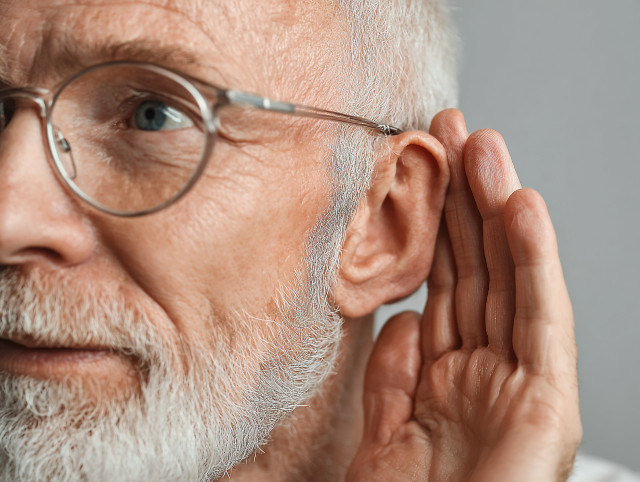
One in three adults over the age of 50 conceals their hearing loss, often because they fear being judged or dismissed. Despite greater public discussion around accessibility and inclusion, stigma remains a powerful barrier that prevents many from seeking the help they need. A newly published special issue of the International Journal of Audiology reveals the persistence of these negative perceptions and their real-world consequences.

The international research program featured in the issue brought together eight studies that examine how stigma influences the experiences of adults with hearing loss, their families, and the professionals who provide support. The work was led by Dr Katie Ekberg of Flinders University and Professor Louise Hickson AM of The University of Queensland, who emphasise that while hearing loss is often seen as a practical or technical issue, the emotional and social toll can be just as significant.

In Australia alone, around 3.6 million people live with some form of hearing loss. Yet the condition is not just about missing sounds or struggling in noisy settings. Left unacknowledged, hearing difficulties can erode confidence, contribute to social withdrawal, and are linked to loneliness, memory problems, and even depression. The research also found that nearly 60% of adults with hearing loss had been laughed at or ridiculed, experiences that often led to embarrassment and reinforced their decision to keep quiet about their condition.

To explore these experiences in depth, the team drew upon a wide range of methods: interviews, surveys, and even real-world video recordings of interactions between adults with hearing loss, their partners, and clinicians. An extensive online survey, completed by more than 600 participants across Australia, the United States, and the United Kingdom, provided further evidence of how widespread stigma remains. The scope of the study makes it one of the most comprehensive investigations into this issue to date.

One striking discovery was the difference in perspective between those experiencing hearing loss and the clinicians who support them. Professionals tended to emphasise the stigma associated with hearing aids, whereas adults with hearing loss described their most significant concern as the stigma of the condition itself. Far from viewing modern hearing aids as embarrassing, many participants praised them as discreet, high-tech tools that improved quality of life. What proved more difficult was taking the first step of admitting the need for support.

Encouraging open conversations is therefore vital. The research shows that individuals who talk openly about their hearing loss are more likely to embrace hearing aids and other forms of assistance. Yet disclosure is often fraught with anxiety. Dr Ekberg points out that clinicians can help by asking gentle, straightforward questions such as “Who have you told about your hearing loss?” In doing so, professionals can gain insight into the personal barriers their clients face and provide reassurance that sharing these challenges is a sign of strength, not weakness.

Challenging public stereotypes also matters. Too often, hearing loss is still associated exclusively with advanced old age, when in reality it commonly begins in midlife. Raising awareness of this fact, alongside providing supportive resources, is a crucial step in breaking the silence. To that end, the research team has developed practical tools—including infographics for clinics and community settings—to spark discussion and reduce stigma. By reframing hearing loss as a normal, manageable condition rather than a hidden burden, the findings call upon families, professionals, and society at large to speak more openly, paving the way towards greater understanding and connection.

More information: Katie Ekberg et al, To tell or not to tell? Exploring the social process of stigma for adults with hearing loss and their families: introduction to the special issue, International Journal of Audiology. DOI: 10.1080/14992027.2023.2293651

Journal information: International Journal of Audiology Provided by Flinders University

Boston University develops AI model to forecast early indicators of Alzheimer’s

Researchers at Boston University’s Chobanian & Avedisian School of Medicine have created an artificial intelligence (AI) tool that can predict key biological signs of Alzheimer’s disease with high accuracy. The tool focuses on the presence of amyloid beta and tau—sticky proteins that accumulate in the brain and are strongly linked to the condition. Unlike costly diagnostic methods, this AI system relies on more accessible information, such as brain scans, memory tests, medical records, and genetic data.

According to lead author Vijaya B. Kolachalama, PhD, FAHA, associate professor of medicine and computer science at Boston University, the AI tool offers something current blood tests cannot: the ability to show where in the brain these proteins are building up. “While new blood tests can detect signs of Alzheimer’s, they lack the capacity to reveal the affected brain regions. Our AI system addresses this gap, providing valuable location-specific details,” he explains.

To train the model, the research team collected data from seven international cohorts, including information from more than 12,000 participants. This large dataset contained health histories, cognitive assessments, genetic profiles, and imaging results. The AI was designed to learn the patterns associated with amyloid and tau build-up and was also programmed to function even when certain types of data were missing. When tested on a separate group of individuals, the model was able to accurately predict which participants had elevated protein levels, confirming its robustness.

The potential impact of this innovation is significant. By offering a cheaper and less invasive method of identifying people at risk, the tool could allow doctors to select suitable candidates for treatment with new Alzheimer’s drugs or for participation in clinical trials. Kolachalama emphasises that such efficiency could save time and reduce unnecessary procedures, while improving access for patients who may not otherwise undergo expensive testing. For families, this could mean faster diagnoses, fewer burdensome exams, and earlier opportunities to begin treatment.

Looking ahead, the researchers suggest that this AI technology may change how Alzheimer’s disease is staged, enabling detection before symptoms become severe and paving the way for personalised interventions such as tailored diets or exercise plans. They also believe its applications could extend beyond Alzheimer’s, helping to detect other protein-related conditions such as frontotemporal dementia and chronic traumatic encephalopathy. In this way, the tool represents not only a breakthrough in Alzheimer’s research but also a promising advance for the broader field of neurodegenerative disease.

More information: Vijaya B. Kolachalama et al, AI-driven fusion of multimodal data for Alzheimer’s disease biomarker assessment, Nature Communications. DOI: 10.1038/s41467-025-62590-4

Journal information: Nature Communications Provided by Boston University School of Medicine

Centenarians show delayed progression of age-related illnesses

Reaching the milestone of one hundred years of age does not automatically equate to a life overshadowed by illness. According to new research from Karolinska Institutet, those who live to become centenarians not only enjoy longer lives but also tend to remain in better health than their peers, with fewer diseases that emerge at a slower pace.

Published in eClinicalMedicine, the study compared individuals who lived to 100 with those who died earlier. The findings reveal that centenarians carry a lighter disease burden overall, and when illnesses do appear, they progress more gradually. Unlike many older adults who accumulate multiple diagnoses in their final years, centenarians often maintain a more stable health profile from around the age of 90 onwards. Typically, they experience conditions confined to a single organ system, with a notably lower frequency of overlapping illnesses.

One of the more striking results concerns cardiovascular disease, which is not only rarer among centenarians but also tends to develop later in life. Similarly, neuropsychiatric disorders are less prevalent in those who achieve extreme longevity. These patterns indicate that centenarians are not merely prolonging the inevitable course of ageing; instead, they follow a distinctive trajectory marked by resilience against some of the most common age-related conditions.

“Our results challenge the prevailing assumption that a longer life is synonymous with an extended period of poor health,” explains Karin Modig, associate professor at the Institute of Environmental Medicine, Karolinska Institutet, and senior author of the study. “Centenarians demonstrate a unique ageing curve, where disease progression slows down and resistance to age-related disorders is heightened.”

The investigation drew on the entire Swedish birth cohort of 1920 to 1922, encompassing over 270,000 individuals. Researchers monitored the participants’ health records from the age of 70 for up to three decades, using national health registers to track the development and progression of disease. The analysis revealed that centenarians not only postpone the onset of illness but also seem to age in a way that sets them apart fundamentally from those with shorter lifespans.

“Exceptional longevity is not simply about avoiding sickness until later years,” Modig continues. “It represents a distinctive biological pathway of ageing. The data suggest that centenarians maintain homeostasis and a remarkable resistance to disease despite the usual wear and tear of ageing—a phenomenon that may stem from a fortunate interplay of genetics, lifestyle choices, and environmental factors.”

More information: Karin Modig et al, Disease accumulation and distribution across the lifespan in Swedish centenarians and non-centenarians: a nationwide life course comparison of longevity and health resilience, EClinicalMedicine. DOI: 10.1016/j.eclinm.2025.103396

Journal information: EClinicalMedicine Provided by Karolinska Institutet

Helping Others Found to Delay Cognitive Decline

Recent evidence suggests that meaningful social engagement can be a powerful safeguard for brain health. A team from The University of Texas at Austin and the University of Massachusetts Boston has shown that older adults who regularly help others outside the home experience a significantly slower rate of cognitive decline. Their study, published in Social Science & Medicine, draws on more than two decades of data and highlights how even modest acts of support can make a lasting difference as people age.

The research followed over 30,000 U.S. adults aged 51 and above, examining outcomes over 20 years through the nationally representative Health and Retirement Study. Findings revealed that individuals who volunteered formally or who offered informal help to neighbours, relatives, or friends slowed their age-related cognitive decline by 15% to 20%. The most striking results appeared among those devoting just two to four hours per week to helping behaviours, a relatively modest commitment with substantial benefits.

“What stood out to me was that the cognitive benefits of helping weren’t just temporary boosts, but cumulative over time,” explained lead author Sae Hwang Han, assistant professor of human development and family sciences at UT Austin. “Sustained engagement was consistently linked to slower decline, whether through formal volunteering or informal help. And importantly, moderate involvement — just a few hours a week — proved robustly effective.”

The study is notable for considering not only structured volunteering, such as working with charities or community organisations, but also informal acts of support that are often overlooked. These include giving neighbours lifts to medical appointments, assisting with childcare, helping with home maintenance, or offering guidance on financial tasks such as taxes. While about a third of older Americans participate in formal volunteering, more than half engage in such informal helping. Contrary to assumptions that informal assistance carries fewer health benefits because it lacks formal recognition, the study found its cognitive impact to be comparable.

Importantly, the research controlled for factors such as wealth, education, physical health, and mental health, reinforcing the finding that helping behaviours themselves drive the protective effect. The data also showed that individuals who withdrew from helping roles entirely fared worse in terms of cognitive functioning. As Han emphasised, this underscores the need for older adults to remain engaged in meaningful roles, with supports and accommodations in place to help them continue contributing.

The broader implications are profound. With conditions like dementia and Alzheimer’s increasingly common in ageing populations, the study strengthens the case for viewing volunteerism and neighbourly support as public health priorities. Han’s related research has also linked volunteering to lower levels of stress-related inflammation, a biological pathway tied to dementia risk. Taken together, the findings suggest that helping others not only reduces physiological wear and tear but also nurtures the social connections that provide psychological and emotional resilience. In a society grappling with rising loneliness and isolation, the message is clear: opportunities to give support are also opportunities to protect and sustain brain health.

More information: Sae Hwang Han et al, Helping behaviors and cognitive function in later life: The impact of dynamic role transitions and dose changes, Social Science & Medicine. DOI: 10.1016/j.socscimed.2025.118465

Journal information: Social Science & Medicine Provided by University of Texas at Austin