Sunday, 16 Aug 2026
  • My Feed
  • My Saves
  • History
  • Blog
Living Well Study
  • Blog
  • Ageing Well
  • Brain Health
  • Healthy Diets
  • Physical Wellness
  • Wellness
  • 🔥
  • Wellness
  • older adults
  • Living Well
  • Brain Health
  • dementia
  • public health
  • Ageing Well
  • Health and Medicine
  • ageing populations
  • alzheimer disease
Font ResizerAa
Living Well StudyLiving Well Study
  • My Saves
  • My Feed
  • History
Search
  • Pages
    • Home
    • Search Page
  • Personalized
    • Blog
    • My Feed
    • My Saves
    • History
  • Categories
    • Ageing Well
    • Brain Health
    • Healthy Diets
    • Mental Wellness
    • Physical Wellness
    • Wellness
Have an existing account? Sign In
Follow US
© 2022 Foxiz News Network. Ruby Design Company. All Rights Reserved.
Living Well Study > Blog > Wellness > Strength Training Could Be the Most Effective Exercise for Combating Insomnia in the Elderly
Wellness

Strength Training Could Be the Most Effective Exercise for Combating Insomnia in the Elderly

support
Share
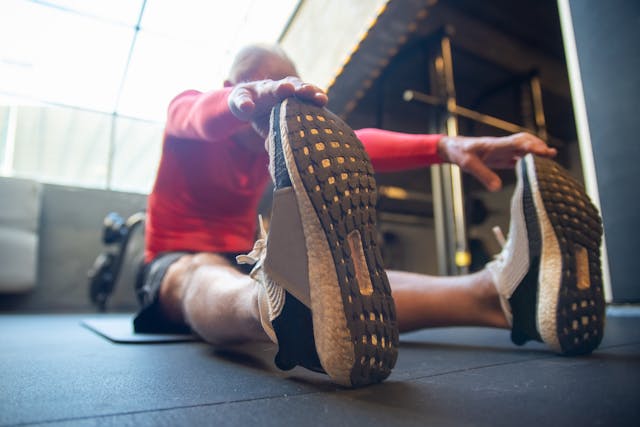
Photo by Kampus Production: https://www.pexels.com/photo/person-sitting-on-exercise-mat-doing-stretching-6922129/
SHARE

Muscle strengthening exercises, such as weightlifting or using one’s body weight, may be the optimal type of exercise for addressing insomnia in older adults, according to a comprehensive analysis of existing research published in the open-access journal Family Medicine and Community Health. This research suggests that aerobic exercises or a combination of strength, aerobic, balance, and flexibility training can improve sleep quality. Sleep quality typically deteriorates with age, and up to one in five older adults suffers from insomnia. This condition is not only associated with various severe health issues and cognitive decline but also increases the risk of workplace underperformance and absenteeism, the researchers highlight.

Previous studies have demonstrated that physical exercise can mitigate insomnia symptoms, although it has been unclear which type of exercise is most beneficial. To clarify this, the researchers reviewed clinical trials from research databases until October 202. These trials compared physical exercise against routine activities, usual care, other non-physical interventions, or health education among individuals formally diagnosed with insomnia, assessed using The Global Pittsburgh Sleep Quality Index (GPSQI).

The studies examined various forms of exercise: aerobic activities like cycling, dancing, swimming, brisk walking, and gardening; resistance exercises such as using weights, performing push-ups, and planks; balance exercises including step-ups and walking heel to toe; flexibility exercises like gymnastics, yoga, and Pilates; and a combination of these exercises. A total of 24 studies involving 2045 participants aged 60 and above (average age 70) were included in the pooled data analysis. These studies were predominantly conducted in Asia (56%), followed by North America (16%), South America (16%), and Europe (12%), with one in five taking place in nursing homes.

The intensity of the exercise reported in these studies ranged from mild to moderate, with the average session lasting just over 50 minutes and occurring about 2 to 3 times a week. The exercise programmes typically spanned around 14 weeks. However, the pooled data analysis focused only on studies involving combination and aerobic exercises due to insufficient data covering other types of exercises.

This analysis revealed that combination exercises improved the GPSQI by 2.35 points, while aerobic activities significantly improved by 4.35 points. Using a network meta-analysis, which combines the direct and indirect effects of different treatments, it was found that strength/resistance exercise was the most effective, enhancing the GPSQI by 5.75 points. Aerobic exercises improved the GPSQI by 3.76 points and combination exercises by 2.54 points.

Compared to other interventions, sleep education was found to be the most effective; however, its precise methods were not well-defined in the studies, and it was still less effective than muscle strengthening or resistance exercises. The researchers note considerable variations in the design and methodology of the studies included, with many not specifying the intensity of the exercises or focusing solely on certain types of exercises. They also highlight that some exercises might be challenging for older adults due to physical limitations.

Despite these challenges, the researchers conclude that exercise, especially strengthening and aerobic exercises, significantly enhances subjective sleep quality compared to normal activities. This conclusion supports the notion that targeted physical activities, specifically tailored for the elderly, can significantly alleviate the burden of insomnia and improve overall health and quality of life in this population.

More information: Pakwan Bahalayothin et al, Impact of different types of physical exercise on sleep quality in older population with insomnia: a systematic review and network meta-analysis of randomised controlled trials, Family Medicine and Community Health. DOI: 10.1136/fmch-2024-003056

Journal information: Family Medicine and Community Health Provided by BMJ Group

TAGGED:insomniaolder adultsphysical exercise
Share This Article
Email Copy Link Print
Previous Article Traumatic Childhood Events Hasten Brain Ageing
Next Article Barbecue and Grandma’s Treats: A Fresh Look at Comfort and Nostalgia in Cooking for Older Adults
Leave a Comment

Leave a Reply Cancel reply

Your email address will not be published. Required fields are marked *

Recent Posts

  • Socioeconomic Disadvantage Is Associated with Greater Physical Decline with Age
  • Early Life Adversity Leaves a Lasting Molecular Mark Across the Body
  • Growing Up Gets Easier With Time, New Research Suggests
  • Most Patients with Early Alzheimer’s Disease Seeking Anti-Amyloid Antibody Therapy Fall Short of Brain Health Guidelines
  • Strength in Motion: Muscles May Hold the Key to Protecting the Parkinson’s Brain

Tags

adolescents adverse effects ageing populations aging populations air pollution alzheimer disease amyloids anxiety artificial intelligence atopic dermatitis behavioral psychology biomarkers blood pressure body mass index brain cancer cancer research cardiology cardiovascular disease cardiovascular disorders caregivers children climate change clinical research cognition cognitive development cognitive disorders cognitive function cognitive neuroscience COVID-19 dementia depression diabetes diets discovery research disease control disease intervention disease prevention diseases and disorders environmental health epidemiology foods food science gender studies geriatrics gerontology gut microbiota health and medicine health care health care costs health care delivery heart disease heart failure home care human brain human health hypertension inflammation insomnia life expectancy life sciences longitudinal studies memory disorders menopause mental health metabolic disorders metabolism mortality rates neurodegenerative diseases neurological disorders neurology neuroscience nursing homes nutrients nutrition obesity older adults parkinsons disease physical exercise population studies preventive medicine psychiatric disorders psychological science psychological stress public health research impact risk assessment risk factors risk reduction skin sleep sleep apnea sleep disorders social interaction social research social sciences socioeconomics tobacco type 2 diabetes weight loss
August 2026
S M T W T F S
 1
2345678
9101112131415
16171819202122
23242526272829
3031  
« Jul    

This website is for information purpose only and is in no way intended to replace the advice, professional medical care, diagnosis or treatment of a doctor, therapist, dietician or nutritionist.

About | Contact | Cookie Policy | Digital Millennium Copyright Act Notice | Disclaimer | Privacy Policy | Terms of Service

You Might Also Like

Wellness

Using generative AI to convert inpatient discharge summaries into a language and format that is friendly for patients

By support
Wellness

The Mediterranean diet is a simple option to boost IVF success among numerous nutritional strategies

By support
Living Well

Experts caution against the excessive medical treatment of menopause and advocate for a fresh perspective on how society perceives menopause and assists women during the ageing process

By support
Wellness

Palliative Care is Often Overlooked in Nursing Home Settings

By support
Living Well Study
Categories
  • Ageing Well
  • Brain Health
  • Healthy Diets
  • Mental Wellness
  • Physical Wellness
  • Wellness
LivingWellStudy
  • About
  • Contact
  • Cookie Policy
  • Digital Millennium Copyright Act Notice
  • Disclaimer
  • Privacy Policy
  • Terms of Service
Welcome Back!

Sign in to your account

Username or Email Address
Password

Lost your password?