Monday, 18 May 2026
  • My Feed
  • My Saves
  • History
  • Blog
Living Well Study
  • Blog
  • Ageing Well
  • Brain Health
  • Healthy Diets
  • Physical Wellness
  • Wellness
  • 🔥
  • Wellness
  • older adults
  • Living Well
  • Brain Health
  • dementia
  • public health
  • Ageing Well
  • alzheimer disease
  • physical exercise
  • mental health
Font ResizerAa
Living Well StudyLiving Well Study
  • My Saves
  • My Feed
  • History
Search
  • Pages
    • Home
    • Search Page
  • Personalized
    • Blog
    • My Feed
    • My Saves
    • History
  • Categories
    • Ageing Well
    • Brain Health
    • Healthy Diets
    • Mental Wellness
    • Physical Wellness
    • Wellness
Have an existing account? Sign In
Follow US
© 2022 Foxiz News Network. Ruby Design Company. All Rights Reserved.
Living Well Study > Blog > Physical Wellness > Customised Text Messages Enhance Early Physical Activity in Patients with Heart Issues
Physical Wellness

Customised Text Messages Enhance Early Physical Activity in Patients with Heart Issues

support
Share
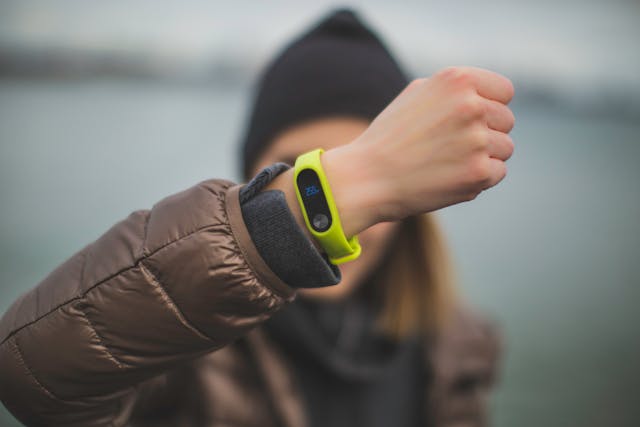
Photo by Burst: https://www.pexels.com/photo/person-wearing-green-xiaomi-band-374755/
SHARE

Exercise is widely acknowledged as one of the most effective ways to reduce the risk of heart disease or prevent a repeat cardiovascular event such as a heart attack or stroke. As wearable technology, such as smartwatches, becomes more prevalent, healthcare researchers increasingly explore their potential to promote physical activity.
This exploration includes customised messages designed to motivate individual patients to increase their activity levels based on their immediate environment. For example, these messages may encourage patients to enjoy good weather by walking outside.

A significant study by the University of Michigan Health Frankel Cardiovascular Center found that personalised text messages could significantly enhance physical activity among patients recovering from major heart events, such as heart attacks or surgeries. However, the effects of these messages were observed to diminish over time.

The study, published in Circulation: Cardiovascular Quality and Outcomes, was part of the Virtual Application-supported Environment To Increase Exercise Study or VALENTINE Study. This randomised clinical trial assessed the physical activity levels of over 200 patients enrolled in cardiac rehabilitation, comparing those who received a mobile health intervention that promoted exercise with those who did not. The interventions were contextually aware and tailored to factors such as the weather and the time and day of the week.

In the first 30 days of the intervention, Apple Watch users noted a 10% increase in their step count following a message, while Fitbit users saw a 17% increase. Jessica R. Golbus, M.D., assistant professor of internal medicine-cardiology at the University of Michigan Medical School and a U-M Precision Health initiative member, led the study. She highlighted the potential of simple, low-cost interventions delivered through mobile technology to help prevent secondary cardiovascular events.

Cardiac rehabilitation, a program that combines physical activity with lifestyle changes, is highly recommended to improve health after cardiovascular events. Despite its benefits, it remains widely underutilised. After one month, the initial effects of the personalised messages began to wane for both Apple Watch and Fitbit users. Researchers attribute this regression to patients becoming accustomed to the messages but remain optimistic about the potential for further improvements through more finely tailored interventions.

Dr Brahmajee Nallamothu, senior author of the study and professor of internal medicine-cardiology at U-M Medical School, shared his insights on the future of digital health tools. He noted that while the most consistent effects were observed in the first month of smartwatch use, the study’s findings would allow researchers to refine their understanding of how different individuals respond to these interventions. This is an exciting time in the field of mobile health technology, with great potential to transform healthcare delivery and personalisation.

More information: Jessica R. Golbus et al, Text Messages to Promote Physical Activity in Patients With Cardiovascular Disease: A Micro-Randomized Trial of a Just-In-Time Adaptive Intervention, Circulation Cardiovascular Quality and Outcomes. DOI: 10.1161/CIRCOUTCOMES.123.010731

Journal information: Circulation Cardiovascular Quality and Outcomes Provided by Michigan Medicine – University of Michigan

TAGGED:disease interventionphysical exerciserisk reductionwearable devices
Share This Article
Email Copy Link Print
Previous Article The Connection Between Financial Status and Social Isolation in Elderly Individuals
Next Article Emory Study Reveals Higher Heart Disease Rates in Black Women Linked to Childhood Trauma
Leave a Comment

Leave a Reply Cancel reply

Your email address will not be published. Required fields are marked *

Recent Posts

  • Spending Time Outdoors Linked to Higher Life Satisfaction
  • Exercise Could Play a Key Role in Helping People Stop Smoking
  • The Tiny Cellular Framework Behind Brain Development
  • ‘Forever Chemicals’ Found in Nearly Entire US Study Population, Researchers Report
  • Healthy Hearts May Still Face the Risk of Alzheimer’s Disease

Tags

adolescents adverse effects ageing populations aging populations air pollution alzheimer disease amyloids anxiety artificial intelligence atopic dermatitis behavioral psychology biomarkers blood pressure body mass index brain cancer cancer research cardiology cardiovascular disease cardiovascular disorders caregivers children climate change effects clinical research coffee cognition cognitive development cognitive disorders cognitive function cognitive neuroscience cohort studies COVID-19 dementia depression diabetes diets discovery research disease control disease intervention disease prevention diseases and disorders environmental health epidemiology foods food science gender studies geriatrics gerontology gut microbiota health and medicine health care health care costs health care delivery heart disease heart failure home care human brain human health hypertension inflammation insomnia life expectancy life sciences longitudinal studies memory disorders menopause mental health metabolic disorders metabolism mortality rates neurodegenerative diseases neurological disorders neurology neuroscience nursing homes nutrients nutrition obesity older adults parkinsons disease physical exercise population studies preventive medicine psychiatric disorders psychological science psychological stress public health research impact risk assessment risk factors risk reduction skin sleep sleep apnea sleep disorders social interaction social research socioeconomics type 2 diabetes weight loss
May 2026
S M T W T F S
 12
3456789
10111213141516
17181920212223
24252627282930
31  
« Apr    

This website is for information purpose only and is in no way intended to replace the advice, professional medical care, diagnosis or treatment of a doctor, therapist, dietician or nutritionist.

About | Contact | Cookie Policy | Digital Millennium Copyright Act Notice | Disclaimer | Privacy Policy | Terms of Service

You Might Also Like

Wellness

How Changes in Your Sleep Patterns Indicate Health Status

By support
Living Well

The approach of remote care enhanced therapy adherence and engagement among patients with type 2 diabetes

By support
Living Well

Recommendation on interventions for preventing falls in older adults residing in the community

By support
Physical Wellness

Stride into Digital Incentives

By support
Living Well Study
Categories
  • Ageing Well
  • Brain Health
  • Healthy Diets
  • Mental Wellness
  • Physical Wellness
  • Wellness
LivingWellStudy
  • About
  • Contact
  • Cookie Policy
  • Digital Millennium Copyright Act Notice
  • Disclaimer
  • Privacy Policy
  • Terms of Service
Welcome Back!

Sign in to your account

Username or Email Address
Password

Lost your password?