Author Archives: support

Rethinking the Role of Nutrition in Eating Disorder Recovery

An over-reliance on Body Mass Index (BMI) and body weight to assess recovery from eating disorders may be obscuring meaningful changes in nutrition, according to researchers from the University of Queensland. Their findings highlight the need to rethink how progress is measured during treatment and to develop more individualised approaches that better capture changes in food, eating behaviours, and nutritional health.

Researchers reviewed 60 studies drawn from five databases and covering 16 countries between 1990 and 2025 to examine how nutrition outcomes are assessed in eating disorder treatment. PhD candidate Lauren Pearson, from UQ’s School of Human Movement and Nutrition Sciences, said current approaches were inadequate and frequently placed disproportionate emphasis on BMI or weight. “We found international guidelines lack tools that effectively reflect the complexity of nutrition-focused interventions or dietary changes in eating disorder treatment,” Pearson said.

The review found considerable variation in how nutrition was measured across studies, even among patients with similar diagnoses or receiving treatment in comparable settings. This inconsistency is particularly concerning when care is delivered by clinicians without specialised nutrition training, Pearson said, as BMI and weight may then become convenient proxies for recovery. Yet changes in food choices, eating patterns, and nutrition can extend far beyond numbers on a scale. “Anyone who has sought support knows changes to food, eating and nutrition extend far beyond this and are frustrated when their efforts are reduced to weight or BMI,” she said. “We need better ways to measure and communicate nutrition-related change so treatment can be tailored to the individual.”

Eating disorders are serious, complex, and potentially life-threatening mental health conditions that have increased significantly over the past two decades. They involve disturbances in behaviours, thoughts, and feelings related to body weight and shape, food, or eating. According to Pearson, the research is believed to be the first review specifically examining how food and nutrition outcomes are measured in the eating disorder field. Treatment outcomes are currently assessed using measures such as BMI and weight alongside psychometric tools, including questionnaires designed to evaluate psychological symptoms and behaviours.

However, the researchers warn that an excessive focus on predetermined weight targets could have unintended consequences, particularly given concerns surrounding weight stigma and bias. “Our hope is the research will lead to a re-examination of ‘gold-standard’ treatments by better understanding what effective treatment looks like through individualised measures,” Pearson said. While weight and BMI can provide useful information in some circumstances, she stressed that they represent only one component of recovery. “I’m not saying BMI and weight isn’t important, but it’s not the only piece of the puzzle we need to pay attention to. For some people it shouldn’t even be in the puzzle.”

More meaningful indicators of progress may include being able to eat socially again, going out for a meal or snack, celebrating a birthday, or gaining confidence in choosing, preparing, and consuming an adequate meal. Improvements in concentration, digestive function, blood test results, and athletic performance may also reflect nutritional recovery. The researchers argue that recognising these diverse outcomes could help clinicians provide more personalised and effective care. “Eating disorders can affect anyone – regardless of size, age, race or background – and we encourage anyone who is concerned for themselves or others to seek help early,” Pearson said.

More information: Lauren Pearson et al, Validity of nutrition-related outcome measures in eating disorder treatment: a scoping review, Journal of Treatment & Prevention. DOI: 10.1080/10640266.2026.2669112

Journal information: Journal of Treatment & Prevention Provided by University of Queensland
Bleeding Gums Could Point to Kidney Health Problems

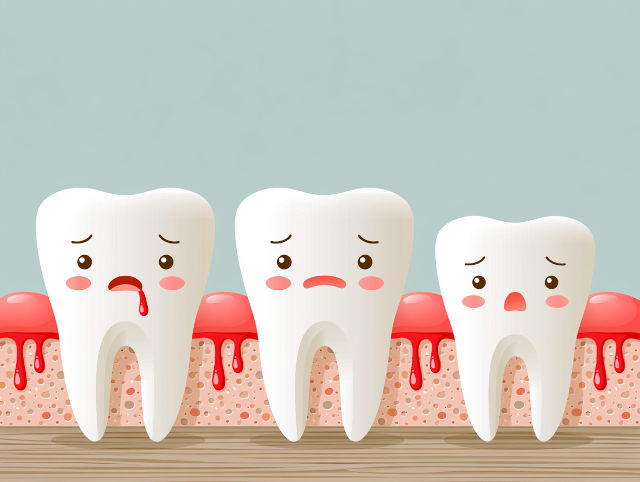
Periodontitis is commonly viewed as a disease confined to the mouth, characterised by bleeding gums, progressive tissue damage and eventual tooth loss. However, growing evidence suggests its effects may extend throughout the body. The chronic inflammation associated with periodontal disease has been linked to cardiovascular disease and diabetes, raising questions about its possible connection to chronic kidney disease (CKD). While earlier studies have associated periodontitis with advanced CKD, its relationship with early kidney dysfunction has remained less clear.

Researchers at the University Medical Center Hamburg-Eppendorf, led by Dr Christian Schmidt-Lauber and Prof Dr Ghazal Aarabi, investigated whether periodontal disease is associated with early signs of impaired kidney health. “We aimed to evaluate the relationship between periodontitis and markers of early kidney dysfunction, including reduced renal function and albuminuria, and to explore the potential mediating role of systemic inflammatory markers,” Dr Schmidt-Lauber explained. The findings were published in Volume 18 of the International Journal of Oral Science on April 6, 2026.

The study analysed 6,179 participants from the Hamburg City Health Study, a population-based cohort in Germany. Participants underwent detailed periodontal examinations, with disease severity classified using the 2017 American Academy of Periodontology/European Federation of Periodontology staging system. Kidney health was assessed through estimated glomerular filtration rate (eGFR) and urinary albumin-to-creatinine ratio (uACR). Researchers also measured high-sensitivity C-reactive protein (hsCRP) and interleukin-6 (IL-6) to examine whether systemic inflammation could help explain the relationship.

The results showed a consistent association between worsening periodontal health and poorer kidney function. Severe periodontitis affected 14% of participants with normal kidney function, compared with 36% of those with moderately reduced kidney function. Advanced periodontal disease also became increasingly common as urinary albumin levels rose. Measures of cumulative oral damage, including clinical attachment loss and tooth loss, similarly worsened across stages of kidney dysfunction. Importantly, the associations remained after researchers adjusted for major factors including age, sex, diabetes and smoking.

Systemic inflammation appeared to explain only part of the connection. Levels of hsCRP and IL-6 rose alongside both periodontal disease severity and declining kidney health. However, hsCRP accounted for about 35% of the association between severe periodontitis and reduced eGFR, and only around 10% of the link with albuminuria. The researchers suggest other mechanisms may be involved, potentially including the spread of microbes from periodontal tissues, endothelial dysfunction, oxidative stress and metabolic changes.

Because CKD can progress without noticeable symptoms until significant kidney damage has occurred, recognising early indicators of risk remains a major clinical challenge. “By demonstrating an association between periodontitis and markers of early kidney dysfunction, this study highlights oral health as a potential window into kidney health,” Prof Dr Aarabi said. The findings suggest periodontal health could potentially contribute to future kidney risk assessment and support further studies examining whether treating gum disease can help preserve kidney function. Overall, the research strengthens evidence that oral and kidney health are closely interconnected and that periodontitis should be considered within the broader context of systemic health.

More information: Christian Schmidt-Lauber et al, Association of periodontitis with reduced kidney function and albuminuria in early chronic kidney disease: a population-based study, International Journal of Oral Science. DOI: 10.1038/s41368-026-00435-6

Journal information: International Journal of Oral Science Provided by Editorial Office of West China School of Stomatology, Sichuan University

The Unseen Environment: How Our Surroundings Shape Disease

From the air we breathe to the food we eat, people are continually exposed to thousands of chemicals, yet understanding how these substances influence health has remained a major scientific challenge. A new study led by researchers at the CeMM Research Center for Molecular Medicine of the Austrian Academy of Sciences and the Ludwig Boltzmann Institute for Network Medicine at the University of Vienna offers a new way to make sense of these complex environmental influences. Published in Nature Communications, the research suggests that very different substances can disrupt the same biological systems, creating patterns that may help scientists predict how environmental exposures contribute to disease.

Environmental pollution is estimated to play a role in around one in six deaths worldwide, but linking individual exposures to specific illnesses has proved difficult. Much of the problem lies in the complexity of the “exposome”, the complete collection of environmental influences a person encounters throughout life. Chemicals have traditionally been classified according to their structure or origin, but these characteristics do not necessarily reveal how they affect the human body. Two chemically similar substances may produce very different biological effects, while unrelated compounds can disturb the same processes and contribute to similar diseases.

To overcome this problem, a research team led by Jörg Menche, CeMM Adjunct Principal Investigator and Director of the Ludwig Boltzmann Institute for Network Medicine, focused on what chemicals do rather than what they look like. The study was first authored by Salvo Danilo Lombardo, a former PhD student at CeMM and LBI NetMed, who is now a postdoctoral researcher at Harvard Medical School. The scientists compiled information on nearly 10,000 environmental exposures, including pollutants, food components and medications, and mapped how each substance affects human genes. This produced a large network connecting exposures according to their shared biological effects.

The network revealed a striking pattern. Exposures formed clusters linked to common biological functions, including inflammation, metabolism and blood clotting. Chemically diverse substances, from pharmaceuticals to environmental toxins, often acted on the same molecular pathways. The findings suggest that the body does not necessarily respond to an exposure according to its chemical identity. Instead, the health effects of a substance may depend largely on which biological systems it disrupts. By identifying these shared pathways, researchers can uncover hidden connections between exposures that might otherwise appear completely unrelated.

The researchers also examined where these disruptions occur within the cell’s protein interaction network. Some proteins act as highly connected hubs that coordinate numerous essential biological processes, making them particularly important to the stability of the body’s molecular systems. The study found that exposures targeting these central proteins tend to have more damaging effects. A disruption involving even one highly connected protein can spread through the wider biological network and amplify its consequences. The researchers then compared their molecular predictions with large-scale health and environmental data from across Europe. Countries with higher levels of certain exposures also tended to have higher rates of diseases molecularly connected to those substances, suggesting that the biological “distance” between an exposure and a disease could help predict health outcomes.

The findings offer a broader framework for understanding how the unseen environment shapes human health. Rather than examining every chemical in isolation, the approach shows that thousands of exposures can converge on shared biological pathways within a complex but structured network. Menche says mapping these connections could eventually allow researchers to anticipate the health effects of substances that have not yet been studied extensively. By bridging molecular biology and public health, the research provides a foundation for a more systematic understanding of the exposome. It could ultimately help identify hidden environmental risks, strengthen monitoring efforts and guide strategies aimed at reducing the global burden of disease.

More information: Salvo Danilo Lombardo et al, A network-based map of the chemical exposome connects molecular interactions to public health, Nature Communications. DOI: 10.1038/s41467-026-72402-y

Journal information: Nature Communications Provided by CeMM Research Center for Molecular Medicine of the Austrian Academy of Sciences

Affordable AI Is Driving Change in Health Care Logistics

Managing medical supply chains in low- and middle-income countries can be particularly difficult when health systems face sudden and unpredictable disruptions. In Sierra Leone, political instability, infectious disease outbreaks and widespread power failures can all interfere with the delivery of essential medicines. The consequences can be severe. Despite a national initiative providing free medical care and essential supplies to pregnant women and children under five, the country continues to have one of the world’s highest maternal mortality rates. Hamsa Bastani, an operations researcher and statistician at the Wharton School, says the problem is not always a shortage of medicine. Often, supplies fail to reach the facilities that need them most, leaving some clinics overstocked while others experience chronic shortages.

To tackle this imbalance, computer scientist Osbert Bastani and PhD candidate Angel Tsai-Hsuan Chung partnered with Sierra Leone’s government to develop an affordable decision-support system powered by machine learning. The tool forecasts demand for medical products at individual health facilities and recommends how limited national supplies should be distributed. Following a pilot programme in five districts, researchers recorded a 19% increase in the consumption of allocated medical products in areas using the system, indicating improved access to essential supplies. The findings, published in Nature, also showed particularly strong benefits for poorer and more remote communities, where medicine consumption rose by 32%.

Encouraged by the results, the government expanded the system nationwide. It now helps guide allocation decisions for more than 70 essential health products, including medicines used to manage postpartum haemorrhage and eclampsia, as well as tetanus vaccines, gloves and antimalarial treatments. The programme is estimated to reach around two million women and children under five across Sierra Leone. Remarkably, the technology operates at a server cost of only about $30 a month and requires no additional workforce. The system demonstrates how relatively inexpensive artificial intelligence can strengthen health care logistics without demanding major investments in infrastructure or staffing.

Developing an effective tool required more than analysing data remotely. Chung travelled to Freetown to understand the country’s complex logistics network and work directly with local officials. Some employees initially worried that an overseas AI system might replace their jobs or leave them responsible for mistakes. To build trust, Chung spent weeks providing personalised training and ensuring officials were fairly compensated for their time. She also helped design a web application that closely resembled the spreadsheet-based processes staff already used. Rather than replacing human decision-makers, the technology was deliberately built as a support tool. Local officials retain final authority and can override its recommendations whenever necessary.

One of the biggest technical challenges was incomplete and uneven data. Understaffed and under-resourced clinics are often the least able to submit consistent records, meaning the greatest data gaps tend to occur in communities with the greatest needs. A conventional model trained on the cleanest information could therefore favour well-documented facilities that are already better served. The researchers addressed this problem through multitask learning, allowing the system to identify shared patterns, such as seasonal changes in demand, from facilities with stronger data and apply those insights to clinics with limited records.

The team also created a backup approach using census information and satellite imagery from Google Earth to estimate local health care needs. Vegetation and other geographic indicators helped identify areas of human activity, while travel times were used to estimate which populations were likely to rely on particular clinics. Combined with demographic information about women and children, these data provided a stable baseline for the demand for medicine. With ownership of the allocation system now transferred to Sierra Leone’s government, the researchers are exploring similar approaches elsewhere, including Somaliland. Their work suggests that affordable, carefully designed machine learning can improve health care delivery in resource-constrained settings while keeping local officials firmly in control.

More information: Angel Tsai-Hsuan Chung et al, Improving access to essential medicines via decision-aware machine learning, Nature. DOI: 10.1038/s41586-026-10433-7

Journal information: Nature Provided by University of Pennsylvania

Sustainable Diet Changes Could Lower Emissions Without Higher Food Costs

Modest changes to meat and dairy consumption could help Scotland meet its climate targets while improving public health and nutrition, according to new research. A modelling study found that replacing some processed and unprocessed meat and dairy products with vegetables, beans and eggs could deliver significant environmental and health benefits without increasing the overall cost of diets. The findings suggest that relatively small and realistic changes to everyday eating habits could contribute to both climate and public health goals.

Scientists from the University of Edinburgh assessed 33 different approaches to meeting the UK Climate Change Committee’s recommendations for more sustainable diets. Researchers examined how dietary changes could affect greenhouse gas emissions, land and water use, nutrient intake and food costs, as well as the risk of health conditions including type 2 diabetes and cardiovascular disease. Across every scenario modelled, reductions in meat and dairy consumption were linked to improvements in health outcomes and environmental indicators.

The study found that even small, gram-for-gram substitutions in familiar meals, including sandwiches and pasta dishes, could produce meaningful long-term benefits when adopted across the population. Replacing some meat with a variety of alternative foods did not negatively affect overall nutrient intake. Lower dairy consumption could, however, considerably reduce iodine intake among some groups. Researchers said this potential nutritional gap could be addressed by fortifying plant-based dairy alternatives with iodine, highlighting the importance of considering nutrition when encouraging dietary change.

The findings also challenge the perception that eating more sustainably is necessarily more expensive. Most of the dietary changes assessed had little effect on overall food costs, suggesting that lower-emission diets do not have to place additional financial pressure on households. Researchers say making healthier and more sustainable options easier to find, more convenient and more accessible could help people adopt dietary changes without requiring major changes to their lifestyles or spending.

Targeting people who consume the largest quantities of processed and unprocessed red meat could deliver particularly substantial benefits, the study suggests. Rather than asking everyone to reduce meat consumption by the same amount, helping the highest consumers move towards lower intakes could produce greater health and environmental gains. The modelling predicted that this targeted approach could prevent almost 60,000 cases of type 2 diabetes over 10 years while also achieving larger reductions in environmental impacts. All 33 dietary pathways modelled resulted in lower greenhouse gas emissions and reduced land and water use.

The research also found that emissions linked to food consumed by adults in Scotland, including the carbon footprint of imported products, exceed emissions from agricultural production within Scotland itself. The findings underline the importance of changing food consumption alongside efforts to reduce emissions from farming. “The findings show that modest, realistic dietary changes, when scaled across a population, can deliver substantial benefits to people and the planet,” said Dr Joe Kennedy, from the University of Edinburgh’s Division of Global Agriculture and Food Systems. “Making healthier, sustainable options more available and convenient will be key to enabling such change.”

More information: Joe Kennedy et al, Reduced meat and dairy consumption improves health, environmental and most nutritional outcomes without increasing diet costs among Scottish adults, Nature Food. DOI: 10.1038/s43016-026-01384-3

Journal information: Nature Food Provided by University of Edinburgh

Research Reveals Association Between Sedentary Behaviour and Increased Cancer Risk

Each additional hour spent in prolonged, uninterrupted sedentary behaviour is associated with a 9% higher risk of dying from cancer, according to a new study published on July 2 in the journal PLOS Medicine. Led by Frederick Ho at the University of Glasgow, the research suggests that not only the amount of time people spend sitting but also how that time is accumulated may influence long-term health. While previous studies have linked sedentary lifestyles to poorer health outcomes, most public health recommendations have focused on reducing total sitting time rather than encouraging people to break up long periods of inactivity.

To investigate the health effects of sedentary behaviour patterns, the researchers analysed data from 91,292 participants in the UK Biobank. Participants wore wrist-based activity monitors continuously for seven days, allowing researchers to measure their movement objectively. They were then followed for a median of 12.38 years. The team classified activity into prolonged sedentary behaviour, defined as sitting or remaining inactive for at least 30 minutes with at least 90% of the time spent sedentary, interrupted sedentary behaviour, and varying levels of physical activity.

The findings showed that prolonged sedentary behaviour was consistently associated with poorer health outcomes. Each additional hour spent in uninterrupted sedentary activity was linked to a 9% increase in cancer mortality risk. It was also associated with a greater likelihood of developing cancer overall, including obesity-related cancers such as cancers of the oesophagus, liver, kidney, pancreas, colorectum, breast, ovary, and thyroid, as well as cancers associated with type 2 diabetes. In contrast, sedentary time that was regularly interrupted by movement was associated with lower risks across these health outcomes, highlighting the potential importance of taking frequent activity breaks throughout the day.

The researchers also examined whether replacing prolonged sedentary time with physical activity could reduce health risks. Their analysis indicated that substituting just one hour per day of uninterrupted sitting with light physical activity was associated with a 12% lower risk of cancer death. The findings suggest that even modest increases in movement, such as standing, walking, or completing light household tasks, may offer measurable health benefits. This supports growing evidence that small changes in daily behaviour can complement regular exercise in reducing disease risk.

The authors caution that the study has important limitations. Because it is based on a single cohort of volunteers from the UK Biobank, who tend to be healthier and more physically active than the general population, the results may not apply equally to everyone. As an observational study, it cannot establish that prolonged sitting directly causes cancer or cancer-related deaths. In addition, the researchers were unable to determine the context of sedentary behaviour, such as whether participants were sitting at work, travelling, or relaxing at home, factors that could influence health outcomes.

According to the researchers, the results suggest that the health effects of sedentary behaviour depend not only on the total amount of time spent sitting but also on whether that time is broken up by movement. Experimental studies have already shown that interrupting prolonged sitting with brief periods of activity can improve metabolic function compared with remaining seated continuously. The team argues that current health guidelines place considerable emphasis on moderate- and vigorous-intensity exercise. Still, light movement throughout the day should also be recognised as an important component of disease prevention. They add that future clinical trials will help determine the most effective and personalised strategies for reducing the health risks associated with prolonged sitting.

More information: Ziyi Zhou et al, Accelerometry-measured prolonged and interrupted sedentary behavior and cancer incidence and mortality: A cohort study of 91,292 UK Biobank participants, PLOS Medicine. DOI: 10.1371/journal.pmed.1004767

Journal information: PLOS Medicine Provided by PLOS

Gerophysics Emerges: Applying Physics to the Biology of Ageing

A new meeting report published in Aging (Volume 18) on May 14, 2026, introduces the emerging field of Gerophysics, which seeks to explain aging by combining biology with the quantitative principles of physics. Titled “Foundations of Gerophysics,” the report was led by first author Maximilian Unfried and corresponding authors Maximilian Unfried and Brian K. Kennedy from the National University of Singapore. While aging has traditionally been studied through biology, genetics, and medicine, many fundamental questions remain unresolved, including why organisms age at different rates, why resilience declines over time, and whether aging trajectories can be predicted before disease develops. Researchers argue that addressing these questions may require a new interdisciplinary framework grounded in physical laws.

The report summarises the inaugural Global Conference on Gerophysics, held in Singapore on March 5–6, 2025, which brought together 160 researchers from physics, biology, computational science, and medicine. Across 31 presentations, participants explored how concepts such as dynamical systems, thermodynamics, network theory, stochastic processes, and artificial intelligence could transform aging research into a predictive science. A central theme was the search for simple mathematical principles capable of explaining the complex biological processes underlying aging. For example, Uri Alon presented the “saturated removal” model, which explains hallmark aging patterns through the balance between damage production and repair. At the same time, Yifan Yang demonstrated how the same framework could distinguish interventions that extend lifespan from those that specifically reduce the years spent in poor health.

Several presentations examined whether aging behaves like a physical phase transition. Peter Fedichev and Jan Gruber proposed that aging emerges from growing instability within gene regulatory networks, linking resilience, entropy, and mortality patterns across species. Other researchers showed how network instability, loss of robustness, and critical transitions may help explain the progression from healthy aging to frailty and disease. Advances in measuring biological age were also highlighted. Andrew Teschendorff discussed improvements in epigenetic clocks, while Steffen Rulands presented evidence that age-related DNA methylation changes may reflect collective behaviours across the genome, suggesting that aging can be understood as a multi-scale physical process extending from molecular interactions to whole organisms.

Artificial intelligence also featured prominently throughout the meeting. Matt Kaeberlein described the “Million Molecule Challenge,” an ambitious initiative combining automated lifespan experiments with machine learning to screen more than one million compounds for longevity-promoting effects. Andrei Tarkhov presented AI-guided protein design strategies that substantially improve cellular reprogramming factors used in age-reversal research. Beyond AI, researchers emphasised systems-level approaches, including the use of network science to model cascading biological failures, entropy-based measures as potential biomarkers of aging, and computational analyses of large clinical and molecular datasets to identify promising geroprotective interventions. Additional presentations explored reproductive aging, skeletal muscle aging, comparative longevity across species, and tissue-specific metabolic changes linked to aging.

Research on metabolism and longevity further illustrated the breadth of the emerging field. Peter James Mullen presented multi-organ metabolomic analyses revealing tissue-specific metabolic signatures associated with aging. At the same time, Maximilian Unfried described comparative lipidomics studies showing that longer-lived species possess more resilient lipid interaction networks. Brian K. Kennedy discussed the challenges of translating aging biomarkers into reliable clinical tools capable of assessing biological age and evaluating interventions. Throughout the conference, participants repeatedly stressed that meaningful progress will require close collaboration between theoretical modelling and experimental research, with mathematical models generating testable predictions that are continually refined by new biological data.

The conference concluded with broad agreement on four priorities for advancing Gerophysics: developing shared multi-modal datasets, establishing physics-based definitions of aging and rejuvenation, building predictive models that forecast responses to interventions, and strengthening the translation of findings from animal models to humans. Participants also emphasised the need for interdisciplinary training to bridge the languages of biology, physics, and computational science. By integrating quantitative physical principles with modern biological research and artificial intelligence, Gerophysics aims to shift aging research from a largely descriptive discipline towards a predictive science capable of accelerating the development of interventions that promote healthier aging throughout life.

More information: Maximilian Unfried et al, Foundations of Gerophysics, Aging-US. DOI: 10.18632/aging.206378

Journal information: Aging-US Provided by Impact Journals LLC

Understanding Fragility Fracture Risk: Preventing the Next Fall

Japan’s rapidly ageing population has brought the health and wellbeing of older adults into sharper focus, with preventing falls and fractures emerging as a major public health priority. Fragility fractures, which occur when weakened bones break after relatively minor falls or impacts, can significantly reduce mobility, independence, and quality of life. Identifying preventable risk factors is therefore essential to helping older adults remain healthy and active for longer.

While lifestyle habits and medication use are believed to influence the likelihood of falls and fractures, researchers say comprehensive evidence has been limited. Particular attention has been given to potentially modifiable factors such as polypharmacy—the use of multiple medications simultaneously—and unintentional weight loss, both of which are common among older adults. At the same time, the role of physical activity in preventing falls and fractures has remained uncertain, with previous studies producing conflicting findings.

To better understand these risks, a research team led by Dr. Masayoshi Iwamae from Osaka Metropolitan University’s Graduate School of Medicine conducted a cross-sectional study involving 4,967 community-dwelling adults aged 60 and older in Osaka Prefecture. Participants completed an online survey that collected information on demographic characteristics, fragility fractures and falls over the previous five years, medication use, unintended weight loss, and levels of physical activity.

The analysis identified several independent factors associated with fragility fractures. Women were more likely than men to experience these injuries, while polypharmacy, a previous history of falls, and unintentional weight loss were also linked to a higher risk of fracture. These findings suggest that multiple health-related factors can combine to increase vulnerability among older adults, highlighting the need for comprehensive assessments rather than focusing on a single risk factor.

When researchers examined falls specifically, they found a slightly different pattern. The use of sleeping medications, polypharmacy, and unintended weight loss were each independently associated with a greater likelihood of falling. In contrast, physical activity was not significantly associated with either falls or fragility fractures. Although exercise remains widely recommended for maintaining overall health, the findings suggest that physical activity alone may not be sufficient to reduce fracture or fall risk without addressing other underlying health issues.

According to Dr. Iwamae, the results underscore the importance of adopting broad prevention strategies that go beyond encouraging exercise alone. Optimising medication use to reduce unnecessary prescriptions and addressing nutritional problems that contribute to weight loss could play key roles in lowering the risk of falls and fractures among older adults. While physical activity should continue to be promoted because of its many benefits for overall health and quality of life, the study provides evidence that practical interventions targeting medication management and nutrition may be equally important in helping community-dwelling seniors maintain their independence and reduce their risk of serious injury.

More information: Masayoshi Iwamae et al, Lifestyle factors, including physical activity status, associated with fragility fractures and falls: a cross-sectional study, BMC Geriatrics. DOI: 10.1186/s12877-026-07344-7

Journal information: BMC Geriatrics Provided by Osaka Metropolitan University

The Key to a Fulfilling Retirement: Staying Social

Staying socially connected may be one of the most effective ways to protect brain health after leaving the workforce, according to a new study led by researchers at the International Institute for Applied Systems Analysis (IIASA). Drawing on data from more than 145,000 observations across 27 European countries, the researchers found that strong social networks can help offset the loss of mentally stimulating interactions that often come with retirement or other forms of non-employment. The findings also reveal that men and women benefit from different types of social relationships, highlighting the need for tailored approaches to healthy ageing.

As Europe’s population continues to age, preserving cognitive health has become an increasingly important public health priority. Previous studies have shown that both employment and social engagement contribute to better mental functioning. Still, little research has examined how these factors work together or whether their effects differ between men and women. To address this gap, the researchers analysed data from adults aged 50 and older who participated in the Survey of Health, Ageing and Retirement in Europe (SHARE) between 2011 and 2020. Participants included those who were employed, retired, unemployed, or homemakers.

The research focused on two important measures of cognitive health: episodic memory, which involves recalling past experiences and information, and verbal fluency, or the ability to generate words quickly. Researchers then examined how different levels of social connectedness influenced cognitive performance among people with different employment statuses. The results showed that social relationships can provide valuable mental stimulation, especially for individuals who are no longer working.

The study also uncovered important gender differences. Among women, having a broad and diverse social network appeared to compensate for the cognitive stimulation that employment often provides. Women who maintained connections with family members, friends, neighbours, and community groups generally performed better on cognitive tests after leaving the workforce. For men, however, the quality of close personal relationships appeared to matter more than the size of their social circle. Strong bonds with a spouse or partner were particularly important, while men with few or no social connections experienced significantly poorer episodic memory, underscoring the risks associated with social isolation.

These findings have important implications for policymakers and healthcare professionals seeking to promote healthy ageing. Rather than adopting a one-size-fits-all approach, programmes designed to support older adults should recognise that men and women may benefit from different forms of social engagement. Encouraging older women to maintain diverse social networks and helping older men build and preserve close personal relationships could both play a meaningful role in protecting cognitive health. Preventing loneliness and social isolation should therefore be considered a key component of public health strategies in ageing societies.

The researchers conclude that social networks can serve as an important source of cognitive stimulation when employment is no longer part of daily life. While retirement often marks the end of regular workplace interactions, maintaining meaningful social connections may help preserve memory, communication skills, and overall cognitive resilience. As populations continue to age around the world, fostering stronger social relationships may prove just as valuable as promoting physical health in helping older adults enjoy fulfilling, independent lives.

More information: Thomas Arnhold et al, Employment Status and Later Life Cognitive Functioning: A Gendered Perspective on the Moderating Role of the Social Network, Research on Aging. DOI: 10.1177/01640275261456210

Journal information: Research on Aging Provided by International Institute for Applied Systems Analysis

Adopting a Healthy Lifestyle Linked to Slower Biological Ageing in Older Men

A new research paper published in Volume 18 of Aging on May 29, 2026, reports that adopting a healthy lifestyle may modestly slow biological ageing in older men. The Editors’ Choice article, titled “Short-term responsiveness of DNA methylation–based ageing biomarkers to a multimodal intervention comprising exercise and dietary guidance involving daily consumption of yogurt containing Bifidobacterium longum BB536: an exploratory randomized controlled trial,” was led by first author Tatsuki Nishimura and corresponding author Yukihiro Hishida from the R&D Division of Morinaga Milk Industry Co., Ltd., Japan. The findings add to growing evidence that coordinated lifestyle changes may influence molecular markers associated with the pace of biological ageing.

As interest grows in strategies to promote healthy ageing, researchers are increasingly investigating interventions that target multiple biological pathways simultaneously. Regular physical activity and a balanced diet are well established as pillars of healthy ageing, while emerging evidence suggests that the gut microbiome may also play an important role. In this study, the researchers examined whether a 12-week intervention combining individualized exercise guidance, dietary counselling, and daily consumption of yogurt containing Bifidobacterium longum BB536 could influence DNA methylation-based biomarkers of ageing in overweight men aged 50 years and older.

The randomized controlled trial enrolled 48 participants, who were assigned either to the intervention group or to a control group that continued their usual lifestyle. Participants receiving the intervention were provided with dietary counselling to reduce overeating, exercise guidance encouraging regular walking or stepper-based activity, and a daily serving of probiotic yogurt containing Bifidobacterium longum BB536. Before and after the intervention, investigators measured several DNA methylation-based biomarkers, including DunedinPACE, an epigenetic indicator that estimates the current pace of biological ageing rather than chronological age.

The intervention group experienced a modest but statistically significant reduction in DunedinPACE compared with the control group, corresponding to an estimated 2.2% slowing in the pace of biological ageing over the 12 weeks. Exploratory analyses also identified a significant reduction in DNAmCystatinC, a DNA methylation-based biomarker associated with kidney-related physiological processes. Although most other epigenetic ageing clocks did not remain statistically significant after correction for multiple comparisons, the overall findings suggest that selected molecular markers of ageing may respond to coordinated lifestyle interventions over a relatively short period.

Interestingly, the observed improvements in biological ageing markers were not significantly associated with weight loss alone, suggesting that the combined effects of exercise, dietary guidance, and probiotic supplementation may have contributed to the changes. The authors propose that improvements in metabolic regulation, inflammation, and gut microbial function may underlie these findings. They concluded that a practical, multimodal lifestyle intervention may be associated with short-term improvements in selected DNA methylation-based measures of biological ageing.

The authors caution that the study was exploratory and had several limitations, including a small sample size, a relatively short intervention period, and inclusion of only overweight Japanese men. Larger and longer-term studies involving more diverse populations will be needed to confirm these findings and determine whether changes in biological ageing biomarkers translate into lasting health benefits. Nevertheless, the study provides encouraging preliminary evidence that combining regular physical activity, healthy dietary practices, and targeted nutritional interventions may help slow aspects of biological ageing and support healthier ageing.

More information: Tatsuki Nishimura et al, Short-term responsiveness of DNA methylation–based aging biomarkers to a multimodal intervention comprising exercise and dietary guidance involving daily consumption of yogurt containing Bifidobacterium longum BB536: an exploratory randomized controlled trial, Aging-US. DOI: 10.18632/aging.206386

Journal information: Aging-US Provided by Impact Journals LLC

Innovative Wound Treatment Could Improve Healing and Recovery

For most people, a blister or small cut heals with little attention. But for millions of people living with diabetes or other conditions that restrict blood flow, even minor wounds can become chronic, leading to infection, tissue damage, amputation and other serious complications. Researchers at the Texas A&M College of Veterinary Medicine and Biomedical Sciences (VMBS) are developing a promising new treatment designed to improve healing by increasing blood flow directly at the wound site. Working with Exhalix, a company specializing in technologies for vascular health and wound care, the team has created a bandage-like device that delivers hydrogen sulfide gas directly to injured tissue. Rather than treating the entire body, the approach focuses on improving circulation where it is needed most, potentially helping wounds that are otherwise difficult to heal.

The body naturally produces hydrogen sulfide and plays an important role in tissue repair. It promotes healing by relaxing and widening blood vessels, a process known as vasodilation, while also stimulating angiogenesis, the formation of new blood vessels. Together, these effects improve blood flow, allowing oxygen and nutrients to reach damaged tissue more effectively. This is particularly important for patients with diabetes or ischemia, whose reduced circulation often prevents wounds from healing properly. According to Dr. Cristine Heaps, interim head of the VMBS Department of Physiology and Pharmacology, insufficient blood flow is one of the biggest barriers to recovery. “If we can improve healing in these hard-to-treat wounds, it could make a real difference,” she said. “People are losing limbs to wounds most of us would never think twice about.”

Unlike existing wound treatments, which typically focus on cleaning wounds, controlling infection and using specialized dressings, the new device targets the underlying problem of poor circulation. The bandage is coated with a material that releases carefully controlled amounts of hydrogen sulfide directly onto the wound. Delivering the gas locally is essential because exposing the entire body to hydrogen sulfide could cause blood vessels throughout the body to widen excessively, resulting in dangerously low blood pressure and reduced blood flow to vital organs such as the brain. By confining the treatment to the wound itself, researchers aim to maximize healing while minimizing potential side effects.

Early preclinical findings indicate that the device successfully keeps hydrogen sulfide concentrated at the wound site rather than allowing it to circulate throughout the body. This targeted delivery enables the gas to act directly on damaged tissue, where improved circulation is most needed. The researchers believe this localized strategy could provide a safer and more effective way to harness the healing properties of hydrogen sulfide than systemic treatments, offering a potential breakthrough for patients whose wounds have failed to respond to conventional therapies.

The research team is also investigating whether the new device can complement existing treatments rather than replace them. One widely used therapy for chronic wounds is negative pressure wound therapy, which applies controlled suction to remove excess fluid and encourage tissue repair. Researchers are testing a combined approach in which hydrogen sulfide is first delivered to the wound before suction is resumed, giving the gas time to improve circulation without being immediately removed. The team hopes this combination will produce better healing outcomes than either treatment alone and could benefit not only people with diabetes but also surgical patients and individuals recovering from injuries that impair blood flow.

Although the research remains in the early preclinical stage and has not yet been tested in human patients, the initial results are encouraging. Scientists are continuing to determine the optimal dose of hydrogen sulfide and the most effective treatment schedule before moving to clinical studies. If future research confirms its safety and effectiveness, the innovative bandage could provide a valuable new treatment for chronic wounds, helping patients recover more quickly while reducing the risk of infection, tissue loss and amputation.

More information: Matthew Justus et al, A novel device for in-situ on-demand hydrogen sulfide generation and delivery to increase tissue perfusion to chronic wounds, Journal of Biological Engineering. DOI: 10.1186/s13036-026-00654-9

Journal information: Journal of Biological Engineering Provided by Texas A&M University

Bringing Toxoplasmosis Into Focus: A Global Call for Recognition

An estimated one-third of the world’s population carries the Toxoplasma parasite, yet the serious health consequences of infection remain widely overlooked. One of the most devastating complications is ocular toxoplasmosis, an eye infection that can damage the retina and lead to permanent vision loss. Although toxoplasmosis is often regarded as an unavoidable consequence of everyday interactions between people, animals and the environment, experts say the disease is both preventable and controllable. Now, an international team of researchers is urging the World Health Organization (WHO) to formally recognise toxoplasmosis as a neglected tropical disease (NTD), arguing that doing so would strengthen global efforts to prevent, diagnose and treat the infection.

The call comes in a new international paper led by Associate Professor João Furtado of the University of São Paulo and Professor Justine Smith of Flinders University. Bringing together experts from the Americas, Europe, Africa and Asia, the authors contend that toxoplasmosis has long been underestimated despite its widespread impact on human health. Senior author Professor Smith, an internationally recognised ophthalmologist from FHMRI Eye & Vision at Flinders University, says toxoplasmosis is a leading infectious cause of vision loss worldwide but remains largely absent from global public health priorities. She believes formal WHO recognition would increase awareness of the disease while driving research, prevention and improved patient care.

People can become infected with Toxoplasma by eating undercooked meat, consuming contaminated food or water, or coming into contact with cat faeces. Infection during pregnancy is particularly concerning because the parasite can be transmitted to the unborn baby, potentially causing miscarriage or lifelong damage to the brain and eyes. Many affected children experience vision problems that worsen over time. Associate Professor Furtado says the disease is frequently misunderstood as unavoidable when, in reality, its transmission routes are well established and effective preventive measures already exist.

According to the researchers, the greatest burden falls on disadvantaged communities where access to healthcare, clean water, sanitation, safe food and prenatal care is limited. These inequities contribute to the most severe outcomes, including blindness, but many cases could be prevented through practical public health interventions. Improved food safety, better sanitation, access to clean drinking water and expanded antenatal care could substantially reduce infections and their lifelong consequences. The researchers argue that prevention strategies are both achievable and cost-effective, particularly when integrated into existing maternal and child health programmes.

Despite affecting millions of people globally, toxoplasmosis receives far less research funding and policy attention than many diseases with comparable or even lower health impacts. The authors say the WHO designation as a neglected tropical disease would help unlock resources for research, surveillance, prevention and treatment while encouraging countries to incorporate toxoplasmosis into primary healthcare, maternal health services and food safety programmes. Recognition would also strengthen the disease’s place within the global One Health framework, promoting coordinated action across human, animal, agricultural and environmental sectors to reduce transmission.

The researchers point to the success of other diseases that have gained momentum following NTD classification, leading to increased investment, stronger public health programmes and better health outcomes. They believe toxoplasmosis deserves the same level of international attention, particularly as the WHO’s NTD strategy emphasises health equity, integrated care and multisectoral collaboration. “At a time when the WHO NTD framework emphasises equity, integration and multisectoral action, toxoplasmosis represents a clear and actionable gap that warrants corrective action,” says Professor Smith. “Our statement is a call to action to finally address the unacceptable global health burden of toxoplasmosis.”

More information: João Marcello Furtado et al, Toxoplasmosis meets the World Health Organization criteria for a neglected tropical disease, PLOS Neglected Tropical Diseases. DOI: 10.1371/journal.pntd.0014425

Journal information: PLOS Neglected Tropical Diseases Provided by Flinders University