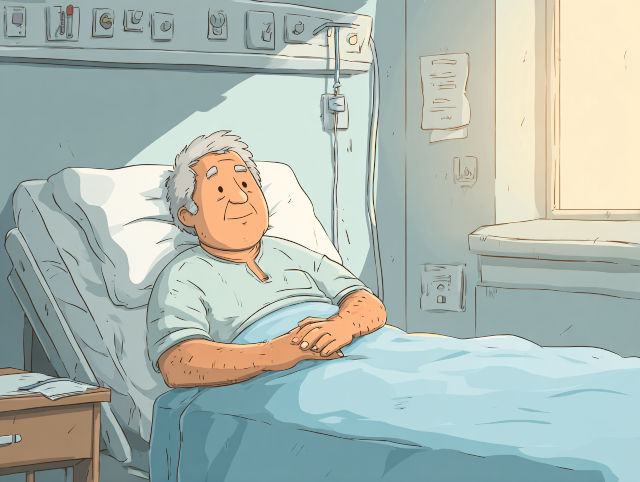
A new study led by researchers at the University of Toronto reveals that recovery after surgery in older adults often takes significantly longer than expected. The findings show that nearly one in five older patients continues to experience difficulties with basic activities of daily living well into the recovery period, raising important questions about how post-operative care is planned and communicated.
This extended recovery period places considerable strain not only on patients but also on their caregivers. The added burden increases the likelihood of adverse outcomes, including infections, visits to the emergency department, and hospital readmissions. These challenges underscore the need for more comprehensive support systems to ensure safer and more manageable recoveries for older adults.
Co-author Martine Puts, a professor at the Lawrence Bloomberg Faculty of Nursing, notes that while previous research has largely focused on mortality and readmission rates, far less attention has been paid to the lived recovery experiences of patients and their caregivers. This gap, she suggests, has led to an underestimation of the true demands of post-surgical recovery in older populations.
“The healthcare system often assumes that caregivers will instinctively know what to expect and how to support recovery,” says Puts, who also holds the Canada Research Chair in Care of Frail Older Adults. “However, our study shows that guidance is minimal, particularly when it comes to critical aspects such as wound care. Many participants reported feeling unprepared for what lay ahead after surgery.”
The study, one of the largest of its kind, followed 289 participants across 17 hospital sites in Canada between 2021 and 2023. This included 204 older adults and 85 caregivers, all tracked for six months after elective non-cardiac surgery. Researchers assessed participants’ ability to perform instrumental activities of daily living, such as managing finances, household responsibilities, and appointments, as well as basic activities like bathing, eating, and toileting. Two months after surgery, 64 per cent of older adults reported difficulty with instrumental tasks, while one-third experienced challenges with basic daily activities. Even after six months, 42 per cent continued to struggle with instrumental activities and 19 per cent with basic care needs.
“These findings are quite striking and highlight the real challenges faced during recovery,” says co-author Shabbir Alibhai, a Senior Scientist at the Princess Margaret Cancer Centre and professor at Temerty Medicine. “We need to develop better strategies to support both patients and caregivers throughout this process.” The study also found that many caregivers experienced a greater-than-expected impact on their mental health, often due to a lack of preparation for the duration and intensity of care required.
Study participant Michele Chaban, who underwent spinal surgery at age 71, shared her experience navigating recovery. Despite preparing in advance and having a background in healthcare, she encountered serious complications when her surgical incision reopened shortly after the procedure. She also struggled with unmanaged pain and ultimately left the hospital early to seek better care, only to return to the emergency department with complications. Reflecting on her experience, Chaban emphasised the need for clearer communication and more proactive planning, suggesting that tools such as pre-operative educational videos and better guidance could significantly improve outcomes for older adults and their caregivers.
More information: Nelly Toledano et al, Recovery Experiences of Older Adults and Their Caregivers After Major Elective Noncardiac Surgery, Surgery. DOI: 10.1001/jamanetworkopen.2026.0692
Journal information: Surgery Provided by University of Toronto