Author Archives: support

Unravelling the Link Between Brain Iron Accumulation and Neurodegeneration

Neurodegenerative diseases such as Alzheimer’s and Parkinson’s affect millions of people worldwide, yet scientists are still trying to understand what causes neurons to fail gradually with age. Researchers at the Salk Institute have uncovered new evidence that iron accumulation within neurons may play a central role in this process. Their study, published in Cell Death Discovery, suggests that excess iron weakens the cells’ natural defences over time, making them increasingly vulnerable to stress and ultimately contributing to neurodegeneration. The researchers describe this newly identified process as chronoferroptosis, highlighting the importance of prolonged iron exposure rather than iron itself.

Iron is essential for human health, supporting oxygen transport, hormone production, immune function and energy metabolism. It is found in foods such as leafy green vegetables, whole grains, seafood and lean meats. According to co-corresponding author Dr Nawab John Dar, iron is not harmful in itself. Instead, problems arise when neurons gradually accumulate iron as people age. The researchers believe this buildup may occur because ageing neurons lose their ability to export excess iron after it has been used efficiently. While iron continues entering cells normally, it is not removed effectively, allowing it to accumulate over decades.

To investigate how this gradual buildup affects neurons, the team developed the first progressive laboratory model of chronic iron accumulation in human-derived nerve cells. Previous studies had typically examined the effects of iron exposure for only 24 to 48 hours, but neurodegenerative diseases develop over many years. The researchers therefore compared short-term exposure lasting several hours with chronic exposure over nine days. This approach allowed them to mimic the slow progression of iron accumulation that occurs during ageing and revealed biological changes that had not been observed in earlier experiments.

The study identified chronoferroptosis as a previously unrecognised pathway linked to long-term iron accumulation. Unlike classical ferroptosis, an iron-dependent form of cell death driven by lipid peroxidation, chronoferroptosis does not necessarily kill neurons immediately. Instead, it acts as a chronic cellular stress state that gradually erodes neuronal resilience. Neurons exposed briefly to iron remained largely unchanged and were able to cope with additional stress. In contrast, chronically exposed neurons showed widespread biochemical alterations, including increased lipid peroxidation, disruption of iron-handling and antioxidant defence systems, accumulation of harmful molecules and depletion of protective compounds. As a result, these cells became far less capable of surviving further stress.

The findings suggest that the duration of iron exposure, rather than the absolute amount of iron present, is the critical factor determining neuronal vulnerability. “It’s not the amount of iron that seals the fate of these cells,” said Dar. “It’s the amount of time they spend under stress.” Senior author Dr Pam Maher added that neurons appear to lose resilience once iron reaches a critical threshold, making them much more susceptible to the various stressors associated with ageing and neurodegenerative diseases. The researchers believe this progressive loss of resilience may help explain why neurons can tolerate iron accumulation for many years before symptoms emerge.

The discovery of chronoferroptosis offers a promising new direction for predicting, preventing and treating neurodegenerative diseases. If scientists can identify when neurons begin entering this vulnerable state, they may be able to intervene before irreversible damage occurs. Maher noted that her laboratory has already developed compounds capable of inhibiting this pathway, raising the possibility of future therapies that preserve neuronal resilience by limiting the harmful effects of long-term iron accumulation. Although further research is needed, the findings point to brain iron regulation as a promising target for delaying age-related neurodegeneration.

More information: Nawab John Dar et al, Sustained dysregulation of iron and glutathione homeostasis induces chronoferroptosis, a persistent ferroptotic adaptation in neuronal cells, Cell Death Discovery. DOI: 10.1038/s41420-026-03208-6

Journal information: Cell Death Discovery Provided by Salk Institute

Study Finds Paid Paternal Leave Supports Fathers’ Mental Well-Being

A new study from Northwestern University and Ann & Robert H. Lurie Children’s Hospital of Chicago has found that paid paternal leave plays an important role in supporting fathers’ mental health after the birth of a child. Using data from a large population-representative survey, researchers found that fathers who lacked access to paid leave, or who were unable to take the leave they needed, experienced significantly higher levels of anxiety and depression. The findings reinforce growing evidence that fathers, like mothers, face emotional and psychological challenges during the transition to parenthood and may benefit from greater support during this period.

The study, published in the American Journal of Public Health, analyzed data from the 2022–2023 Ohio Fatherhood Survey, one of the most comprehensive surveys examining fathers’ experiences during the perinatal period in the United States. Researchers assessed mental health outcomes among 4,290 new fathers using validated screening tools for anxiety and depression. Among participants, 6.6% reported symptoms of depression and 11% reported symptoms of anxiety. More than half of fathers (54%) took paid leave following the birth of their child, while 22% took unpaid leave, 9% used a combination of paid and unpaid leave, and 15% did not take any leave.

The study found a clear relationship between leave status and mental health. Fathers who took unpaid leave were 58% more likely to report anxiety symptoms than those who took paid leave. Mental health risks were even greater among fathers who wanted to take leave but were unable to do so. These men were more likely to experience symptoms of both depression and anxiety, suggesting that barriers preventing fathers from taking time off may have important consequences for their well-being during the early stages of parenthood.

Financial pressures emerged as one of the most significant obstacles to taking leave. Approximately three-quarters of fathers experiencing depressive symptoms and more than 70% of those with anxiety symptoms identified financial concerns as the primary reason they could not take time away from work. These findings highlight how economic barriers can limit fathers’ ability to spend time with their newborns and support their families during a critical period, while also increasing their vulnerability to mental health challenges.

According to lead researcher Dr. Craig Garfield, professor of pediatrics and medical social science at Northwestern University Feinberg School of Medicine and a paediatrician at Lurie Children’s, the findings demonstrate that paternal leave is more than an employment benefit. “Mental health and paternity leave are linked,” he said. The researchers argue that expanding access to paid parental leave could yield benefits that extend beyond fathers themselves, including stronger parent-child bonding, improved family stability, and better overall family well-being. The study adds to a growing body of evidence suggesting that equitable parental leave policies can contribute to healthier families and communities.

The findings also carry important implications for policymakers and employers. Expanding paid leave programmes, reducing financial barriers, and encouraging fathers to take leave may improve population health and family outcomes. The study builds on previous research showing that most fathers take less than two weeks of leave after the birth of a child. Looking ahead, Garfield plans to expand this work through the Pregnancy Risk Assessment Monitoring System for Dads (PRAMS for Dads), which is being implemented in multiple states. As discussions continue about how best to support families from the earliest stages of parenthood, the researchers suggest that paid paternity leave represents a practical and effective tool for promoting the health and well-being of fathers, children, and families alike.

More information: Craig Garfield et al, Paternity Leave Status and Mental Health Symptoms Among Ohio Fathers: A Population-Representative Survey, 2022‒2023, American Journal of Public Health. DOI: 10.2105/AJPH.2026.308554

Journal information: American Journal of Public Health Provided by Northwestern University

Researchers Find Sugary Gum After Beetroot Consumption Lowers Blood Pressure

Researchers at King’s College London have discovered that chewing sugary gum after consuming nitrate-rich vegetables such as beetroot, spinach, and kale may enhance the vegetables’ blood pressure-lowering effects. The study is the first to demonstrate a link between sugary gum, increased nitrate conversion in the mouth, and reductions in blood pressure. The findings highlight the important role that oral bacteria play in transforming dietary nitrate into compounds that support cardiovascular health.

Bacteria convert nitrate absorbed by vegetables from the soil into nitrite. This compound helps relax and widen blood vessels, allowing blood to flow more easily and lowering blood pressure. Scientists have long known that this conversion process is essential for obtaining the cardiovascular benefits of nitrate-rich foods. Still, little research has examined whether changes in the oral environment can improve the efficiency of this reaction.

To investigate, researchers tested whether increasing the acidity of saliva could enhance nitrate conversion. Healthy volunteers consumed a shot of beetroot juice and were randomly assigned to chew either sugar-containing Hubba Bubba® gum or sugar-free Wrigley’s Extra® gum for three to six hours afterward. Blood and saliva samples were collected throughout the study, along with blood pressure measurements. Participants returned at least one week later to repeat the experiment using the alternative gum, allowing researchers to compare the effects directly.

The results showed that chewing sugary gum significantly increased saliva acidity, lowering oral pH by 1.4 units compared with sugar-free gum. This change was associated with a 45% increase in nitrite levels in the mouth and a 25% increase in circulating nitrite levels throughout the body. Participants who chewed sugary gum also experienced meaningful reductions in blood pressure, with systolic and diastolic blood pressure falling by nearly 3 mmHg and 2 mmHg, respectively, compared with those chewing sugar-free gum.

Dr Andrew Webb, Clinical Senior Lecturer at King’s College London, explained that understanding how saliva acidity affects nitrate conversion is important because the process influences several physiological functions, including blood pressure regulation. He noted that previous studies had suggested increased acidity might inhibit nitrate conversion, but this had never been thoroughly examined in the whole body over several hours. The new findings indicate that increased oral acidity can, under certain conditions, enhance the conversion of nitrate into biologically active nitrite and strengthen the beneficial effects of dietary nitrate.

The researchers emphasize that sugary chewing gum should not be considered a treatment for high blood pressure, as regular consumption of sugar-containing products can negatively affect dental and cardiometabolic health. Instead, the study serves as proof of concept that dietary nitrate processing can potentially be improved. Co-author Dr Charlotte Mills of the University of Reading said future research should focus on developing tooth-friendly and metabolically healthy approaches that achieve similar benefits. Because nitrate-rich foods are already widely used by athletes to support performance, the researchers plan to conduct larger studies to determine whether enhancing nitrate conversion can further improve exercise and cardiovascular outcomes.

More information: Andrew Webb et al, Lowering salivary pH with sugar-containing gum augments salivary nitrite production and blood pressure reduction with dietary nitrate (beetroot juice), British Journal of Clinical Pharmacology. DOI: 10.1002/bcp.70640

Journal information: British Journal of Clinical Pharmacology Provided by King’s College London

New Research Questions Fish Oil’s Role in Preventing Alzheimer’s Decline

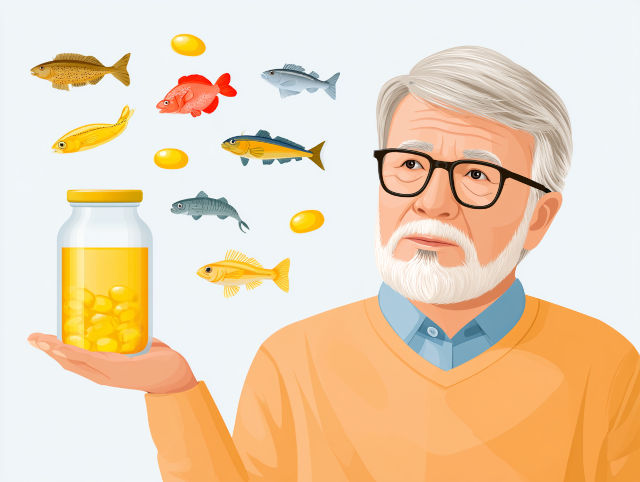
Americans spend more than $1 billion each year on fish oil supplements, largely because of claims that the omega-3 fatty acids they contain can support brain health and protect against cognitive decline. Omega-3s, particularly docosahexaenoic acid (DHA), are essential nutrients that help build and maintain the connections between brain cells that are critical for memory and thinking. However, a new study from researchers at the Keck School of Medicine of USC suggests that taking fish oil supplements may not provide the cognitive benefits many people hope for, particularly in reducing the risk of Alzheimer’s disease.

The study, published in the journal eBioMedicine, followed 365 adults aged 55 to 80 who rarely consumed fish and were considered at elevated risk for developing Alzheimer’s disease. Nearly half of the participants carried the APOE4 gene, the strongest known genetic risk factor for late-onset Alzheimer’s. Participants were randomly assigned to receive either a daily fish oil supplement containing 2,000 milligrams of DHA or a placebo. The trial was conducted over two years using a placebo-controlled, double-blind design, considered the gold standard for evaluating treatment effectiveness.

One of the researchers’ primary objectives was to determine whether the omega-3 fatty acids in the supplements could actually reach the brain. To answer this question, they measured DHA levels in cerebrospinal fluid, the liquid that surrounds and protects the brain and spinal cord. After six months, participants taking DHA supplements showed an average 17% increase in DHA levels within the brain, confirming that the nutrient successfully crossed into the central nervous system and reached its intended target.

Despite this encouraging biological finding, the supplements did not produce meaningful improvements in brain health. Researchers assessed participants’ memory and cognitive performance at the beginning of the study and again after two years. Those who received DHA performed no better than those taking a placebo. Brain imaging results were equally disappointing. The scans showed no evidence that supplementation slowed shrinkage of the hippocampus, a brain region essential for memory and commonly used as an indicator of brain ageing and Alzheimer’s risk.

According to lead investigator Dr. Hussein Naji Yassine, director of the USC Center for Personalized Brain Health, the findings suggest that fish oil supplements should not be viewed as a preventive strategy against Alzheimer’s disease. While omega-3 fatty acids remain important for maintaining normal brain structure and function, simply increasing their levels through supplements did not translate into measurable cognitive benefits. The researchers are now exploring why omega-3s can reach the brain without producing the expected protective effects. They suspect that factors such as age, genetics, overall health and dietary patterns may influence how effectively the brain absorbs and uses these nutrients.

The team also believes that omega-3s may be more beneficial when consumed as part of a broader Mediterranean-style dietary pattern rather than as a standalone supplement. Although the study did not examine lifestyle interventions directly, the researchers emphasize that healthy living remains the most effective approach for protecting brain health and reducing Alzheimer’s risk. Regular physical activity, adequate sleep, a balanced diet and attention to overall health continue to offer the strongest evidence-based strategies for maintaining cognitive function as people age. Rather than relying on a single supplement, experts recommend a comprehensive approach that supports both brain and body health throughout life.

More information: Hussein Naji Yassine et al, CNS target engagement of high-dose DHA supplementation in older adults at risk for dementia: a randomised, double-blind, placebo-controlled trial, EBioMedicine. DOI: 10.1016/j.ebiom.2026.106316

Journal information: EBioMedicine Provided by University of Southern California – Health Sciences

UK Heatwaves Highlight Growing Risks for Older and Vulnerable Adults

Older adults, care home residents, and people living in poor-quality housing are facing increasing risks from extreme heat, according to new research that warns the UK is not adequately prepared to protect its most vulnerable populations. The study identifies overheating as an escalating public health challenge rather than simply a building design issue, with rising temperatures posing serious threats to health, wellbeing, and quality of care. Those least able to adapt to extreme heat—including older adults, people with chronic health conditions, and low-income households—are experiencing the greatest burden as climate change drives more frequent and intense heatwaves.

Researchers found that hospitals, care homes, and residential buildings are among the environments most vulnerable to overheating. Higher indoor temperatures can compromise patient safety, affect the delivery of care, and reduce overall wellbeing. Led by researchers at the University of East London (UEL), the study highlights how weaknesses in building regulations, inconsistent enforcement, and limited public awareness are leaving millions of people exposed to heat-related risks. The findings suggest that existing systems are failing to keep pace with the growing challenges posed by rising temperatures.

Although overheating regulations were introduced through Part O of the UK Building Regulations, the study concludes that these measures remain limited in scope and are often applied inconsistently. Existing homes and institutional settings are particularly underserved, despite housing many of the people most vulnerable to heat-related illness. Researchers also note that some modern, energy-efficient buildings may unintentionally increase overheating risks. Airtight construction and high levels of insulation can trap heat indoors during warmer months, revealing a significant gap in current housing and climate policies.

The study further found that overheating is frequently addressed too late in the building design process. As a result, opportunities to incorporate simple but effective measures—such as shading, natural ventilation, and thoughtful building orientation—are often missed. Developers are then forced to rely on costly or less effective solutions after construction has already begun. This reactive approach reduces long-term resilience and increases the likelihood that buildings will struggle to cope with future heat extremes.

Beyond the built environment, behavioural and institutional challenges are also limiting the UK’s ability to respond effectively. Public understanding of heat-related risks remains relatively low, while guidance during heatwaves is often unclear or insufficiently targeted toward vulnerable groups. The study also points to gaps in healthcare preparedness and planning, raising concerns about whether health and social care systems can adequately support populations most at risk during periods of extreme heat. Insights from a national roundtable involving experts from housing, healthcare, and the built environment revealed widespread concern that current policies and practices are falling behind the realities of a warming climate.

To address these challenges, the researchers recommend extending overheating regulations to existing homes as well as new developments, strengthening enforcement mechanisms, and integrating heat resilience into planning and design decisions from the outset. They also call for clearer public guidance, targeted support for vulnerable populations, and stronger integration of heat risk into NHS planning and services. Lead author Dr Mehri Khosravi, Senior Research Fellow at UEL’s Sustainable Research Institute, emphasised that extreme heat is already placing vulnerable people at risk and that overheating must be recognised as both a housing and public health issue. The researchers conclude that without urgent action, the UK risks creating homes, care settings, and systems that become increasingly unsafe during future heatwaves, with the greatest consequences falling on those least able to protect themselves.

More information: Fatemeh Khosravi et al, From building codes to behaviour: Strengthening extreme heat adaptation policy in the United Kingdom, Energy Research & Social Science. DOI: 10.1016/j.erss.2026.104688

Journal information: Energy Research & Social Science Provided by University of East London

Calcium and Vitamin D Supplements Show Little Impact on Reducing Fracture and Fall Risk

A comprehensive review published in The BMJ has found that calcium supplements, vitamin D supplements, or a combination of both provide little to no clinically meaningful benefit in preventing fractures and falls among most older adults. Falls are a major public health concern, affecting nearly one-third of people aged 65 and older each year. They often result in fractures, pain, loss of independence, reduced quality of life, and increased need for long-term care. As populations age worldwide, identifying effective strategies to prevent falls and fractures has become increasingly important.

Although calcium and vitamin D supplements have long been recommended to support bone health, evidence regarding their effectiveness in preventing fractures and falls has remained inconsistent. Previous reviews have generally found no significant reduction in fracture risk from calcium or vitamin D supplementation alone, while findings for combined supplementation have been mixed. Similarly, the role of vitamin D in preventing falls has remained uncertain. Despite these concerns, supplementation continues to be widely recommended by clinicians, professional guidelines, and regulatory agencies, and its use has increased substantially over recent decades.

To provide greater clarity, researchers in Canada conducted an extensive review and meta-analysis of 69 randomized controlled trials involving 153,902 adults. The studies compared calcium supplements, vitamin D supplements, or combined supplementation with placebo or no treatment. The trials varied in quality and design, but researchers systematically assessed the risk of bias and the certainty of the evidence using established evaluation methods. This rigorous approach allowed them to examine the effectiveness of supplementation across a large and diverse population.

After establishing thresholds for what would constitute a clinically meaningful benefit, the researchers found little to no reduction in the risk of experiencing any fracture. Calcium supplementation showed no meaningful benefit based on evidence from 11 trials involving 9,067 participants. Similarly, vitamin D supplementation demonstrated little impact based on high-certainty evidence from 36 trials including 92,045 participants. Combined calcium and vitamin D supplementation also failed to show a clinically important reduction in fractures, based on evidence from 15 trials involving 51,126 participants. The findings were supported by moderate- to high-certainty evidence.

The review further found that supplementation had little to no meaningful effect on specific fractures, including hip fractures, or on the prevention of falls. While the researchers noted that some analyses included relatively small numbers of studies and participants, the overall findings remained consistent across multiple sensitivity analyses. Results did not substantially change when factors such as age, sex, history of falls or fractures, and dietary calcium intake were considered. However, the findings may not apply to individuals with specific bone disorders or those receiving medications for osteoporosis.

Based on the current evidence, the researchers concluded that routine calcium and vitamin D supplementation should not be recommended for the prevention of fractures and falls in the general older adult population. They called on clinicians, guideline developers, and regulatory agencies to re-evaluate existing recommendations in light of these findings. An accompanying editorial emphasized the need for further high-quality research in higher-risk populations. In the meantime, experts suggest that resources should be directed toward interventions with stronger evidence of effectiveness, including balance and resistance training, home hazard assessments, educational programs, and multifactorial interventions tailored to an individual’s risk profile.

More information: Olivier Massé et al, Calcium, vitamin D, or combined supplementation to prevent fractures and falls: systematic review and meta-analysis, The BMJ. DOI: 10.1136/bmj-2025-088050

Journal information: The BMJ Provided by BMJ Group

Review of 87 Studies Links Cycling to Improved Cognitive Health and Quality of Life

A new peer-reviewed study published in the journal Frontiers in Sports and Active Living highlights cycling as an effective and accessible way to promote brain health and overall well-being. Conducted by researchers from Outride, the University of Oklahoma, and Loma Linda University, the review examined evidence from 87 cycling intervention studies across 19 countries. The findings demonstrate that cycling can positively influence psychological, social, emotional, and cognitive health, with particularly strong benefits observed in outdoor and multi-session programmes.

As mental health challenges continue to increase worldwide and many people remain insufficiently active, identifying practical and affordable strategies to improve well-being has become increasingly important. The review suggests that cycling offers a scalable solution that not only encourages physical activity but also enhances how people think, feel, and connect with others. According to lead author Lauren Schuck, Senior Research Manager at Outride, the evidence shows that cycling can support improvements ranging from mood enhancement and expanded social networks to better cognitive functioning. She noted that the findings highlight the value of organisations, educators, and community leaders who create opportunities for people to ride and improve their overall well-being.

One of the review’s most important findings is that the setting and duration of cycling programmes matter. While indoor cycling also produced benefits, outdoor cycling and programmes delivered over multiple sessions generated the most consistent positive outcomes across different dimensions of well-being. Participants in these programmes often reported better emotional health, stronger social connections, and greater overall satisfaction. These findings suggest that regular engagement in cycling, particularly in outdoor environments, may maximise its benefits for both mental and cognitive health.

The review also identified meaningful improvements in cognitive performance. Several studies linked cycling to enhanced reaction time, attention, concentration, and indicators of brain function associated with learning and executive functioning. Researchers found that exercise intensity plays an important role, with moderate levels of effort producing the greatest cognitive benefits. Extremely intense exertion, however, could temporarily reduce cognitive performance, supporting an inverted-U relationship between exercise intensity and brain function.

Beyond cognitive outcomes, cycling was associated with a range of mental health and social benefits. Participants frequently reported improved mood, reduced stress, and stronger feelings of social connectedness. Group cycling activities, in particular, helped individuals expand their social networks and strengthen relationships within their communities. The findings suggest that cycling may support emotional regulation, reduce psychological distress, and foster a greater sense of belonging, making it a valuable tool for enhancing quality of life across diverse populations.

The authors also identified important gaps in the existing research. More studies are needed among children, older adults, and underserved populations, particularly in real-world community settings. Nevertheless, the review reinforces the growing evidence that cycling can contribute to lifelong brain health and well-being. The researchers emphasise the importance of partnerships among researchers, community organisations, schools, and policymakers to expand access to cycling opportunities and reduce barriers to participation. By making cycling more accessible, communities may be able to improve not only physical health but also cognitive, emotional, and social well-being on a broader scale.

More information: Lauren Schuck et al, A scoping review of bicycling interventions’ impacts on psychological, social, affective, and cognitive well-being, Frontiers in Sports and Active Living. DOI: 10.3389/fspor.2026.1807791

Journal information: Frontiers in Sports and Active Living Provided by Outride

Handwriting Speed May Signal Early Cognitive Decline in Older Adults

Handwriting is a complex activity that depends on both fine motor skills and higher-level cognitive processes, including attention, memory, language processing, and executive functioning. Because writing requires the brain to coordinate multiple functions simultaneously, changes in handwriting may provide valuable clues about cognitive health. As people age, handwriting often becomes slower, less fluid, and more fragmented, raising the possibility that handwriting characteristics could serve as early indicators of cognitive decline.

To explore this possibility, researchers in Portugal conducted a study published in Frontiers in Human Neuroscience examining whether specific handwriting features differ between older adults with and without cognitive impairment. According to senior author Dr. Ana Rita Matias of the University of Évora, handwriting offers a unique view into brain function because it reflects not only motor ability but also the organisation and efficiency of cognitive processes. The researchers hypothesised that analysing the writing process itself might reveal subtle signs of cognitive decline that traditional assessments could miss.

The study involved 58 adults aged 62 to 92 living in care homes, including 38 individuals previously diagnosed with cognitive impairment. Participants completed several writing activities using a digital tablet and an inking pen. These tasks included simple pen-control exercises, such as drawing lines and making dots, as well as more cognitively demanding handwriting tasks in which participants copied or wrote sentences from dictation. Researchers measured a range of handwriting features, including writing speed, stroke organisation, timing, duration, and letter size.

The findings showed that simple pen-control tasks were unable to distinguish between participants with and without cognitive impairment. Copying sentences also failed to reveal significant differences, although the results suggested a possible trend. In contrast, dictation tasks clearly differentiated the two groups. Dictation requires participants to listen, process language, retain information in working memory, translate sounds into written words, and coordinate hand movements, placing substantially greater demands on cognitive resources than simpler writing activities.

Among participants with cognitive impairment, several handwriting measures emerged as important indicators. For shorter dictated sentences, delayed writing initiation and a greater number of strokes were significant predictors. For more complex sentences, vertical letter size, delayed start time, and longer writing duration were associated with cognitive impairment. According to the researchers, these timing and organisational features are closely linked to the brain’s ability to plan, coordinate, and execute actions. As cognitive abilities decline, handwriting tends to become slower, less efficient, and more fragmented, whereas some other handwriting characteristics may remain relatively unchanged during the early stages of decline.

The researchers believe that digital handwriting analysis could become a practical, non-invasive, and cost-effective tool for monitoring cognitive health in clinical and community settings. Because the method relies on simple writing tasks and accessible technology, it could potentially be incorporated into routine assessments in healthcare environments. However, the authors caution that the approach remains in its early stages. Larger and more diverse studies are needed to confirm the findings, evaluate long-term effectiveness, and account for factors such as medication use. Ultimately, the goal is to develop an easy-to-administer and affordable screening tool that can help identify cognitive decline earlier and support timely intervention.

More information: João Galrinho et al, Handwriting speed and pen motor control in older adults with and without cognitive impairment, Frontiers in Human Neuroscience. DOI: 10.3389/fnhum.2026.1820193

Journal information: Frontiers in Human Neuroscience Provided by Frontiers

Could Aging Be Reversed? Bar-Ilan University Researchers Reveal New Clues

Researchers at Bar-Ilan University have discovered a potential way to reverse some of the molecular changes linked to aging by restoring youthful patterns of DNA organization in the livers of old mice. Published in the journal Nature Communications, the study highlights the important role of a protein called SIRT6, which appears to protect cells from age-related damage to chromatin. This tightly packed structure organizes DNA and controls gene activity. The findings suggest that aging may not simply result from irreversible wear and tear, but could instead involve biological changes that are at least partly reversible.

Inside every cell, DNA is folded into chromatin, a highly organized structure that helps determine which genes are active or silent. As organisms age, this structure can become disrupted, leading to abnormal gene activity and declining tissue function. Using advanced methods to examine DNA organization and gene expression, the researchers compared liver cells from young and old mice. They found that aging significantly altered chromatin architecture, activating inflammatory pathways while weakening genes responsible for healthy liver metabolism and normal cellular function.

Prof. Haim Cohen, Director of the Sagol Healthy Human Longevity Center at Bar-Ilan University’s Goodman Faculty of Life Sciences, said the genome gradually loses its proper organization over time. According to the researchers, genes that should normally remain inactive become switched on during aging, especially those linked to inflammation. At the same time, genes essential for maintaining healthy liver function become less active. These changes may contribute to the chronic inflammation and metabolic decline commonly associated with aging.

Remarkably, when researchers increased SIRT6 levels in already aged mice, many of these harmful chromatin changes were reversed. The team found that the old mice developed DNA organization patterns that more closely resembled those seen in younger animals. Prof. Cohen explained that SIRT6 appeared capable of “rewinding” aspects of the aging process by restoring healthier chromatin structure. The researchers also identified a chromatin marker known as H3K9ac that was strongly associated with age-related chromatin opening and inflammatory activation. SIRT6 helped restore a more youthful chromatin pattern at these specific sites.

The findings build on earlier research showing that SIRT6 plays an important role in promoting longevity and healthy aging. However, the new study goes further by suggesting that interventions targeting chromatin organization itself may help address one of the root biological mechanisms of aging. Rather than focusing on treating individual age-related diseases separately, scientists may eventually be able to target the underlying genomic instability that contributes to many forms of tissue decline. The work also supports the growing field of rejuvenation biology, which aims to reverse fundamental aspects of aging at the cellular level.

The study was led by PhD students Ron Nagar and Zacharia Schwartz from Bar-Ilan University’s Goodman Faculty of Life Sciences and the Sagol Healthy Human Longevity Center, together with collaborators from Tel Aviv University and the U.S. National Institute on Aging, including Prof. Rafael de Cabo and his research team. Although the findings are still limited to basic research in mice, the scientists believe the work opens an important new direction for understanding how aging develops and how it might one day be slowed, prevented, or partially reversed.

More information: Ron Nagar et al, SIRT6 overexpression counteracts chromatin aging in the male murine liver, Nature Communications. DOI: 10.1038/s41467-026-73115-y

Journal information: Nature Communications Provided by Bar-Ilan University

The Role of Heart Health in Severe COVID-19 Outcomes During the Pandemic

Better heart health before the COVID-19 pandemic was associated with a substantially lower risk of severe COVID-19 outcomes, according to new research published in the Journal of the American Heart Association. The study found that adults with the highest heart health scores at the start of the pandemic were nearly half as likely to be hospitalized or die from COVID-19 compared with those who had the lowest scores. Researchers say the findings highlight the broader importance of cardiovascular health in helping the body respond to major infectious diseases.

People with cardiovascular disease have long been recognized as being at increased risk for severe COVID-19 infection. However, less was known about whether heart health influenced COVID-19 severity among adults without diagnosed cardiovascular disease. Lead study author Dr. Tim Plante, an associate professor of medicine at the University of Vermont, noted that understanding the relationship between heart health and COVID-19 outcomes is critical given the pandemic’s enormous impact. He suggested that better overall cardiovascular health in the population before the pandemic may have reduced the burden of severe illness and deaths in the United States.

Researchers evaluated the heart health of nearly 30,000 adults using the American Heart Association’s Life’s Essential 8 metric. This measure assesses diet, physical activity, smoking status, sleep, body mass index, blood pressure, cholesterol and blood sugar. Participants with high Life’s Essential 8 scores, ranging from 80 to 100, experienced a 46% lower risk of COVID-19 hospitalization or death compared with those who had low scores below 50. In addition, every 14-point increase in the heart health score was associated with a 20% reduction in the risk of severe COVID-19 outcomes.

The analysis also found that several individual components of cardiovascular health were especially important. Higher levels of physical activity, healthier body weight, optimal blood pressure and better sleep patterns were each linked to a lower risk of severe COVID-19 infection. Senior study author Dr. Elizabeth Oelsner of Columbia University Irving Medical Center explained that viral infections can place major stress on the body, similar to an uncontrolled cardiac stress test. According to Oelsner, people with stronger heart health may be better prepared to withstand the physiological stress caused by infectious diseases such as COVID-19.

The study drew data from the Collaborative Cohort of Cohorts for COVID-19 Research, or C4R, which combines information from 14 long-running U.S. health studies. The analysis included 29,740 adults without cardiovascular disease as of March 2020. Participants had an average age of 66 years, 61% were women, and the study population represented diverse racial and ethnic backgrounds. Between March 2020 and February 2023, researchers documented 681 severe COVID-19 cases. More than half of the participants had received a COVID-19 vaccine before becoming infected. Importantly, the protective relationship between heart health and severe COVID-19 outcomes remained consistent across age, sex, race, ethnicity and vaccination status.

Although the study was observational and could not establish direct cause and effect, experts say the findings add to growing evidence that cardiovascular health influences more than heart disease risk alone. Dr. Sadiya Khan of Northwestern University, who was not involved in the research, noted that healthy lifestyle habits may provide both long-term cardiovascular benefits and more immediate protection against severe respiratory infections. Researchers emphasized that maintaining good heart health through regular physical activity, healthy weight management, adequate sleep and blood pressure control may strengthen resilience against future infectious disease threats. At the same time, vaccination remains an important tool for preventing serious COVID-19 complications.

More information: Tim Plante et al, Life’s Essential 8 and Risk of Severe COVID‐19 Among Adults Without Clinical Cardiovascular Disease: The C4R Study, Journal of the American Heart Association. DOI: 10.1161/JAHA.125.048256

Journal information: Journal of the American Heart Association Provided by American Heart Association

Tomato and Soy Juice Combination Shows Anti-Inflammatory Benefits in Obese Adults

A tomato-soy juice enriched with plant compounds linked to health benefits significantly reduced markers of inflammation in healthy adults with obesity after four weeks of daily consumption, according to a new study. Researchers say the findings suggest the beverage could serve as a functional food capable of helping control chronic inflammation, a condition associated with obesity and many long-term diseases. The study focused on the effects of lycopene, a carotenoid found in tomatoes, and soy isoflavones, naturally occurring compounds believed to possess antioxidant and anti-inflammatory properties.

The research team compared the specialised tomato-soy juice with a control tomato juice that lacked high levels of lycopene and soy isoflavones. Participants consumed two 6-ounce cans of juice daily for four weeks, followed by a washout period before switching to the control beverage for another four weeks. Blood samples collected before and after each intervention period showed that only the tomato-soy juice significantly lowered levels of three pro-inflammatory cytokines: Interleukin-5 (IL-5), IL-12p70 and granulocyte-macrophage colony-stimulating factor (GM-CSF). Researchers also observed a downward trend in tumour necrosis factor alpha (TNF-a), although the decrease was not statistically significant.

Lead author Jessica Cooperstone, associate professor of horticulture and crop science at The Ohio State University, said the study was designed to test whether food-based interventions can directly influence inflammation rigorously. Rather than relying on general assumptions about anti-inflammatory foods, the researchers aimed to measure clear biological effects in people. The findings have encouraged the team to continue investigating the therapeutic potential of the juice in clinical settings.

Lycopene gives tomatoes and other vegetables their red colouring, while soy isoflavones belong to a class of flavonoids that can mimic some actions of the hormone estrogen. Both compounds are phytochemicals that support plant health and have previously been linked to disease prevention. Earlier studies associated diets rich in tomato products or soy with a lower risk of prostate cancer, leading Ohio State researchers to develop the tomato-soy juice using tomatoes specially bred to contain high concentrations of lycopene and enriched with soy isoflavone extract. Additional research later connected the beverage to lower prostate-specific antigen levels in some men with prostate cancer.

Researchers also analysed participants’ urine samples to examine changes in metabolites, the molecular byproducts produced when the body breaks down nutrients and generates energy. The analysis revealed that both the tomato-soy juice and the control tomato juice produced some similar metabolic changes, suggesting tomatoes alone may contribute to certain biological effects. However, shifts linked specifically to soy isoflavones were more pronounced in the tomato-soy group, providing further evidence that the combination beverage was influencing human metabolism and inflammatory pathways.

Building on these findings, the research team has received funding from the National Institute of Diabetes and Digestive and Kidney Diseases to conduct a pilot clinical trial investigating whether the same tomato-soy juice can reduce inflammation in patients with pancreatitis. Previous animal studies conducted by the group suggested the beverage may lessen both inflammation and the severity of chronic pancreatitis. Because treatment for pancreatitis is largely focused on managing pain and gastrointestinal symptoms, researchers hope this dietary intervention could eventually improve quality of life for patients by targeting inflammation directly. The study was recently published in the journal Molecular Nutrition & Food Research.

More information: Maria Sholola et al, Tomato-Soy Juice Reduces Inflammation and Modulates the Urinary Metabolome in Adults With Obesity, Molecular Nutrition & Food Research. DOI: 10.1002/mnfr.70420

Journal information: Molecular Nutrition & Food Research Provided by Ohio State University

Older Adults Using Hearing Aids Effectively May Face Lower Dementia Risk, HKUMed Study Finds

Researchers from the School of Public Health at the Li Ka Shing Faculty of Medicine of the University of Hong Kong (HKUMed), in collaboration with an international research team, have found that effective hearing aid use may be associated with a lower risk of probable dementia among older adults with hearing loss. Published in Cell Reports Medicine, the study highlights the importance of high-quality hearing rehabilitation as part of healthy ageing strategies worldwide.

Dementia is expected to affect nearly 150 million people globally by 2050, creating growing challenges for healthcare systems and communities. Hearing loss, which affects around 30% of adults over 65 and as many as 90% of those aged 85 and older, has increasingly been recognised as one of the leading potentially modifiable risk factors for dementia. According to the 2024 Lancet Commission, hearing loss may account for approximately 7% of dementia cases worldwide.

The study analysed data from 61,089 adults aged 55 and above with hearing impairment across seven ageing cohorts spanning 33 countries, including China, Korea, Europe, the United Kingdom, the United States, Ireland and Mexico. Over an average follow-up period of 6.5 years, 8,911 participants developed probable dementia. Researchers found that hearing aid users had a 9% lower risk of probable dementia compared with hearing-impaired non-users.

Importantly, the protective association appeared to depend on how effectively the hearing aids improved daily hearing. Participants who reported good hearing improvement with their devices had a 14% lower risk of probable dementia, while those who reported poor improvement showed no significant reduction in risk. The findings suggest that simply wearing a hearing aid may not be enough, and that the quality and effectiveness of hearing rehabilitation play a critical role.

The association between hearing aid use and lower dementia risk appeared stronger in middle-income countries, where hearing aid adoption was substantially lower. Only 2.6% of hearing-impaired participants in these countries reported using hearing aids, compared with 20% in high-income countries. The benefits were also more pronounced among women, unmarried individuals and people with lower educational attainment, suggesting that hearing rehabilitation may be particularly valuable for socially vulnerable groups who may face greater risks of isolation and reduced access to healthcare resources.

Professor Chen Shanquan, Assistant Professor in the School of Public Health at HKUMed and joint last author of the study, said that hearing loss is increasingly recognised as one of the most important potentially addressable risk factors for dementia. He noted that the findings underscore the need not only to improve access to hearing aids but also to ensure that devices provide meaningful hearing improvement in everyday life. While the observational study cannot prove that hearing aids directly prevent dementia, the researchers believe the results provide strong international evidence supporting the integration of hearing care into dementia prevention, primary care and healthy-ageing policies.

More information: Fan Jiang et al, Hearing aid effectiveness and probable dementia risk across 33 countries: A pooled analysis of seven cohorts, Cell Reports Medicine. DOI: 10.1016/j.xcrm.2026.102802

Journal information: Cell Reports Medicine Provided by The University of Hong Kong