Wednesday, 10 Jun 2026
  • My Feed
  • My Saves
  • History
  • Blog
Living Well Study
  • Blog
  • Ageing Well
  • Brain Health
  • Healthy Diets
  • Physical Wellness
  • Wellness
  • 🔥
  • Wellness
  • older adults
  • Living Well
  • Brain Health
  • dementia
  • public health
  • Ageing Well
  • alzheimer disease
  • physical exercise
  • mental health
Font ResizerAa
Living Well StudyLiving Well Study
  • My Saves
  • My Feed
  • History
Search
  • Pages
    • Home
    • Search Page
  • Personalized
    • Blog
    • My Feed
    • My Saves
    • History
  • Categories
    • Ageing Well
    • Brain Health
    • Healthy Diets
    • Mental Wellness
    • Physical Wellness
    • Wellness
Have an existing account? Sign In
Follow US
© 2022 Foxiz News Network. Ruby Design Company. All Rights Reserved.
Living Well Study > Blog > Health and Medicine > Serious COVID-19 and Flu Infections Could Trigger Lung Cancer Years Later, Researchers Say
Health and Medicine

Serious COVID-19 and Flu Infections Could Trigger Lung Cancer Years Later, Researchers Say

support
Share
respiratory infections
SHARE

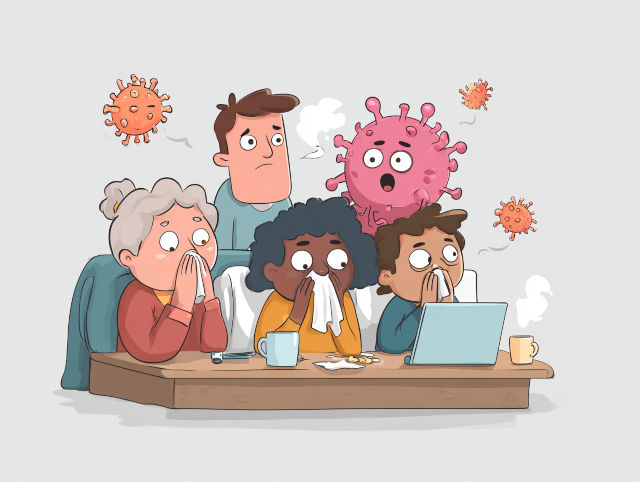
Severe COVID-19 and influenza infections may leave lasting damage in the lungs that increases the risk of lung cancer months or even years later. New research from the University of Virginia (UVA) Health suggests that these serious infections can create conditions in the lungs that allow cancer to grow more easily. The study also brings encouraging news: vaccination appears to prevent many of these harmful changes and may reduce the long-term risk.

Researchers led by Jie Sun found that severe viral infections can “reprogramme” immune cells in the lungs. Instead of protecting the body, these altered cells may create an environment that supports tumour growth over time. Because of this, the research team recommends that doctors carefully monitor patients who have recovered from severe COVID-19, influenza, or pneumonia so that lung cancer can be detected early, when treatment is more effective.

Respiratory infections such as COVID-19 and the flu are common causes of lung injury, but their long-term effects have not been fully understood. To explore this, the researchers studied both laboratory mice and human patient data. They found that mice with severe lung infections were more likely to develop lung cancer and had higher death rates from the disease. Similar patterns were observed in people, where those who had been hospitalised for COVID-19 showed a higher incidence of lung cancer.

The study identified a 1.24-fold increase in lung cancer risk among patients who had experienced severe COVID-19. Importantly, this increased risk was seen regardless of smoking status or other health conditions. According to Jeffrey Sturek, these findings suggest that severe respiratory infections may need to be considered alongside traditional risk factors such as smoking. In the future, doctors may recommend regular lung screening for certain high-risk patients who have recovered from serious infections.

The researchers also uncovered possible biological explanations for this increased risk. Severe infections were found to alter key immune cells, including neutrophils and macrophages, which normally help defend the lungs. After infection, some of these cells appeared to promote inflammation and create a “pro-tumour” environment. Changes were also observed in the epithelial cells lining the lungs, which could further contribute to cancer development.

Reassuringly, vaccination seemed to prevent many of these harmful effects by reducing the severity of infection. The increased cancer risk was mainly seen in patients with severe illness, while those with mild COVID-19 did not show the same pattern. In fact, they showed a slight decrease in risk. The researchers emphasise that preventing severe infection through vaccination may also help reduce long-term complications, including those linked to cancer.

Given the large number of people worldwide who have experienced severe respiratory infections, the findings have important implications for healthcare. The researchers suggest that individuals recovering from serious lung infections—especially those with a history of smoking—may benefit from closer monitoring for lung cancer. They hope this work will help doctors identify high-risk patients earlier and lead to better strategies for prevention and treatment in the future.

More information: Wei Qian et al, Respiratory viral infections prime accelerated lung cancer growth, Cell. DOI: 10.1016/j.cell.2026.02.013

Journal information: Cell Provided by University of Virginia Health System

TAGGED:cancer riskhealth carelong Covidpreventive medicineviral infections
Share This Article
Email Copy Link Print
Previous Article Novel Model Calculates Essential Ageing Metric from Clinical Biopsies
Next Article Older Adults Who Cook Weekly May See a 30% Drop in Dementia Risk
Leave a Comment

Leave a Reply Cancel reply

Your email address will not be published. Required fields are marked *

Recent Posts

  • Building Longer, Healthier Lives Through Public Health and Longevity Care
  • Smartphone Technology for Heart Rhythm Monitoring May Cut Healthcare Spending
  • Summer Sunshine Not Enough to Close Vitamin D Gap in Vulnerable Groups
  • Nutrition as a Key Component of Chronic Fatigue Care
  • Not a Safe Alternative: Research Shows Herbal Cigarettes Are as Harmful as Tobacco Cigarettes

Tags

adolescents adverse effects ageing populations aging populations air pollution alzheimer disease amyloids anxiety artificial intelligence atopic dermatitis behavioral psychology biomarkers blood pressure body mass index brain cancer cancer research cardiology cardiovascular disease cardiovascular disorders caregivers children climate change effects clinical research cognition cognitive development cognitive disorders cognitive function cognitive neuroscience cohort studies COVID-19 dementia depression diabetes diets discovery research disease control disease intervention disease prevention diseases and disorders environmental health epidemiology foods food science gender studies geriatrics gerontology gut microbiota health and medicine health care health care costs health care delivery heart disease heart failure home care human brain human health hypertension inflammation insomnia life expectancy life sciences longitudinal studies memory disorders menopause mental health metabolic disorders metabolism mortality rates neurodegenerative diseases neurological disorders neurology neuroscience nursing homes nutrients nutrition obesity older adults parkinsons disease physical exercise population studies preventive medicine psychiatric disorders psychological science psychological stress public health research impact risk assessment risk factors risk reduction skin sleep sleep apnea sleep disorders social interaction social research socioeconomics tobacco type 2 diabetes weight loss
June 2026
S M T W T F S
 123456
78910111213
14151617181920
21222324252627
282930  
« May    

This website is for information purpose only and is in no way intended to replace the advice, professional medical care, diagnosis or treatment of a doctor, therapist, dietician or nutritionist.

About | Contact | Cookie Policy | Digital Millennium Copyright Act Notice | Disclaimer | Privacy Policy | Terms of Service

You Might Also Like

Nature

The study demonstrates that having views of green spaces encourages individuals to make healthier food choices

By support
Health and Medicine

Nutrition as a Key Component of Chronic Fatigue Care

By support
Living Well

Enhancing Caregiver Wellbeing through Supervised Physical Exercise

By support
Health and Medicine

Rising global burden of pancreatitis among older adults

By support
Living Well Study
Categories
  • Ageing Well
  • Brain Health
  • Healthy Diets
  • Mental Wellness
  • Physical Wellness
  • Wellness
LivingWellStudy
  • About
  • Contact
  • Cookie Policy
  • Digital Millennium Copyright Act Notice
  • Disclaimer
  • Privacy Policy
  • Terms of Service
Welcome Back!

Sign in to your account

Username or Email Address
Password

Lost your password?