Author Archives: support

Recent Study Provides Optimism in Combating Age-Related Vision Loss

Age-related macular degeneration (AMD) is a prominent cause of irreversible vision loss in the United States. Current treatments, while available, offer limited relief and are often accompanied by severe side effects. A groundbreaking study published in Developmental Cell now sheds light on the cellular underpinnings of AMD and opens up possible pathways for innovative treatments.

Dr. Ruchira Singh of the University of Rochester Flaum Eye Institute and Center for Visual Sciences, who spearheaded the research, highlights the limitations of existing AMD therapies. “The treatments currently available for AMD are only partially effective and can have considerable side effects,” she explained. “Our study is focused on uncovering new therapeutic targets that could arrest the progression of AMD and potentially revolutionise treatment approaches.”

To bypass the constraints of prior studies that relied on animal models, Singh’s team utilised human stem cells to create a more accurate model of AMD. This enabled them to examine genes linked to AMD and less common, inherited macular dystrophies. Their research identified a critical protein pivotal in the initial stages of AMD development.

The retinal pigment epithelium (RPE) is integral to the eye’s health and is particularly implicated in AMD. Within the RPE, deposits of proteins and lipids, known as drusen, accumulate, often signalling the onset of AMD. The study pinpointed an overproduction of the protein tissue inhibitor of metalloproteinases 3 (TIMP3) in the RPE of those with AMD. This protein hinders the functioning of matrix metalloproteinase (MMP) enzymes, which are crucial for maintaining ocular health. The impairment of MMP activity, as found in the study, triggers an increase in another enzyme that fosters inflammation and drusen formation.

The researchers employed a novel approach: they used a small-molecule inhibitor to block the activity of the inflammation-promoting enzyme. This intervention successfully reduced drusen accumulation in their AMD model, suggesting that targeting this specific pathway could hold substantial promise for preventing the progression of AMD.

Dr. Singh emphasised the importance of the pathways involved in drusen formation in the progression of AMD. “If we can stop the accumulation of drusen, it might be possible to prevent the disease from advancing to a stage where significant vision loss is inevitable,” she said. “This study not only deepens our understanding of AMD but also presents a beacon of hope for developing therapies that could profoundly benefit the millions suffering from this condition.” This pioneering research marks a significant stride towards deciphering the complexities of AMD and paves the way for potential breakthroughs in treatment strategies that could vastly enhance patient outcomes.

More information: Sonal Dalvi et al, Human iPSC-based disease modeling studies identify a common mechanistic defect and potential therapies for AMD and related macular dystrophies, Developmental Cell. DOI: 10.1007/s00394-023-03123-x

Journal information: Developmental Cell Provided by University of Rochester Medical Center

Association Between Frailty and Prolonged Physical Deterioration in Cancer Survivors

A new research paper has been published in the journal Aging, also listed as “Aging (Albany NY)” on MEDLINE/PubMed and “Aging-US” by Web of Science. The article appeared in Volume 16, Issue 18 on September 26, 2024, under the title, “Frailty and Pre-frailty Associated with Long-term Diminished Physical Performance and Quality of Life in Breast Cancer and Hematopoietic Cell Transplant Survivors.” This study highlights the complex challenges survivors face of certain cancers as they age.

The abstract of the paper points out that physical frailty, which may signify accelerated ageing, is poorly characterized in individuals who have survived breast cancer (BC) and hematopoietic cell transplant (HCT). The research focuses on understanding how frailty impacts overall outcomes and the quality of life (QOL) of these survivors, areas which have previously been vaguely defined in medical literature.

The research was a collaborative effort involving numerous experts from the University of Minnesota in Minneapolis, Amgen in Thousand Oaks, CA, and Columbia University Medical Center in New York, NY. Researchers such as Najla El Jurdi, Hok Sreng Te, Qing Cao, Char Napurski, Shuo Wang, Andre Robinson, Mukta Arora, Heba ElHusseini, Fiona He, Laura J. Niedernhofer, Bharat Thyagarajan, Anna Prizment, Shernan Holtan, Anne Hudson Blaes, and Matthew J. Yousefzadeh contributed to this prospective analysis, aiming to evaluate the impact of frailty on quality of life and its link to the ageing biomarker, p16INK4a.

The study articulates the alarming prevalence of frailty among survivors, specifically those who have battled breast cancer and those who have undergone hematopoietic cell transplants. The researchers highlight that frailty has significant and detrimental effects on these individuals’ physical functioning, quality of life, and overall well-being. This observation underpins the study’s call for further research and intervention strategies to address these issues.

The study’s findings demonstrate a notable correlation between frailty and the senescence marker p16INK4a, even years after cancer treatments are completed. This link further emphasizes the necessity for well-designed senolytic trials targeting cancer survivors. Such trials could offer new avenues for improving this vulnerable population’s long-term health and quality of life, illustrating a crucial step forward in survivorship care.

More information: Najla El Jurdi et al, Frailty and pre-frailty associated with long-term diminished physical performance and quality of life in breast cancer and hematopoietic cell transplant survivors, Aging-US. DOI: 10.18632/aging.206109

Journal information: Aging-US Provided by Impact Journals LLC

New Psychological Research Reveals How Our Brains Segment the Day into Distinct Chapters

From the moment a person transitions from the street to step inside a restaurant, their brain marks the beginning of a new “chapter” in their day. This mental segmentation triggers significant changes in brain activity. This phenomenon occurs frequently as we navigate different settings — a casual lunch out, attending a child’s soccer match, or settling down for an evening in front of the television.

A recent study, a pioneering work in the field, published in the journal Current Biology investigates how our brains divide the day into discrete, comprehensible, and memorable events. The study, spearheaded by Christopher Baldassano, an associate professor of Psychology, and Alexandra De Soares, a former lab member, sheds light on this intriguing cognitive process.

The researchers sought to deepen our understanding of what instigates the brain to delineate these boundaries, thereby registering our daily experiences as distinct “chapters”. One theory posits that these divisions are primarily influenced by significant environmental changes, such as transitioning from an outdoor setting into a restaurant. Alternatively, the study explores whether these “chapters” could be shaped by internal narratives scripted by the brain based on past experiences, suggesting that even major environmental shifts might be overlooked if they do not align with our immediate priorities and goals.

To explore these theories, the research team designed an experiment involving 16 audio narratives, each lasting between three and four minutes. These narratives were set in various locations—a restaurant, an airport, a grocery store, and a lecture hall—and revolved around different social interactions, including a breakup, a marriage proposal, a business transaction, and a casual encounter.

The study revealed that the brain’s method of segmenting experiences highly depends on individual priorities and focus points. For instance, when subjects listened to a narrative about a marriage proposal in a restaurant, their prefrontal cortex typically organised the story around the proposal event, climaxing at the anticipated “yes.” However, when instructed to concentrate on different aspects of the narrative, such as the couple’s dinner orders, these mundane details transform into pivotal “chapters” of the narrative.

Christopher Baldassano highlighted an intention to challenge the notion that the brain passively responds to environmental changes without active involvement in crafting new cognitive chapters. The findings suggest that the brain is indeed actively engaged in structuring our life experiences into meaningful segments, a process that keeps us actively involved in our own memories.

This segmentation process was further analysed using MRI scans to track new brain activity and, alternatively, by instructing another group of participants to indicate when they perceived new story segments by pressing a button. It was observed that the brain segments narratives based on the instructed perspective, applicable across different scenarios, whether it involved a breakup at an airport or a business deal in a grocery store. The details that participants focused on significantly shaped their perception of new narrative chapters.

The researchers aim to continue exploring how expectations affect long-term memory retention. Preliminary tasks involved participants recounting what they remembered from each story, with ongoing analysis to understand how adopted perspectives during the narratives influence memory recall. This study is part of a broader effort to develop a comprehensive theory on how real-life experiences are segmented into event memories, emphasising the role of prior knowledge and expectations in this cognitive process. We invite you to stay connected with our ongoing research.

Baldassano views this work as a passion project. He points out the complexities involved in tracking brain activity patterns over time and utilising mathematical models alongside meaningful narratives to unveil new insights into cognitive processes. His enthusiasm for this unconventional approach underscores the innovative nature of the research conducted in his lab.

More information: Alexandra De Soares et al, Top-down attention shifts behavioral and neural event boundaries in narratives with overlapping event scripts, Current Biology. DOI: 10.1016/j.cub.2024.09.013

Journal information: Current Biology Provided by Columbia University

Face-to-Face Interaction Associated with Reduced Loneliness Among Elderly Adults

Direct interactions reduce loneliness among older individuals more effectively than remote communication, like phone calls, emails, or texts, according to research conducted by teams from the University of Texas at Austin and the University of Michigan. These findings, published today in The Journals of Gerontology: Series B Psychological Science, could significantly influence the health and well-being of many seniors.

Shiyang Zhang, a postdoctoral fellow in human development and family sciences at UT and co-author of the study, noted their team’s interest in understanding the behavioural responses of older adults to feelings of loneliness and the impact of various forms of social contact. “Our observations revealed that although older adults often resort to making phone calls when feeling isolated, only face-to-face interactions were effective in actually reducing the feelings of loneliness,” Zhang explained.

The importance of regular social interactions for mental and physical health is well-documented. They contribute to longer life spans in the elderly while reducing risks of heart disease, cognitive decline, and premature mortality; despite the challenges that chronic health issues and limited mobility pose, which may restrict face-to-face interactions, this research underscores the vital role that direct contact plays in comprehensive strategies to combat loneliness among the elderly.

Conducted in the Austin, Texas, area during 2016 and 2017—before the COVID-19 pandemic, which later amplified the reliance on digital communication and heightened isolation levels—the study engaged over 300 participants aged 65 and above. Participants were questioned every three waking hours about their feelings of loneliness and their recent social interactions, whether in-person, over the phone, or digital (including texting and social media).

The research also considered the strength of social bonds in these interactions, discovering that lonely older adults often reached out to close friends and family. Interestingly, it was found that even minimal in-person contact with merely an acquaintance could more effectively alleviate loneliness compared to more frequent phone conversations with closer contacts.

Zhang highlighted that while telephone and digital communications offer convenient ways for older adults to connect when they feel isolated, these methods must match direct interactions’ emotional support and comfort. “Telephone and digital connections fail to serve as adequate substitutes for the physical presence and reassurance that come with in-person contacts,” Zhang remarked, underscoring the unique value of physical presence in social interactions for reducing loneliness among older adults.

More information: Shiyang Zhang et al, Loneliness and Mode of Social Contact in Late Life, The Journals of Gerontology Series B. DOI: 10.1093/geronb/gbae115

Journal information: The Journals of Gerontology Series B Provided by University of Texas at Austin

Laughter Could Be as Beneficial as Eye Drops for Dry Eyes

“Laughter may be as effective as eye drops in treating symptoms of dry eye disease, according to findings from a clinical trial in China published by The BMJ. Researchers consider laughter exercise a potential initial treatment for relieving dry eye disease symptoms. Dry eye disease (DED) is a chronic condition affecting an estimated 360 million people worldwide, characterized by uncomfortable, red, scratchy, or irritated eyes. Studies have shown that laughter therapy can alleviate conditions like depression, anxiety, stress, and chronic pain, enhance immune function, and is acknowledged as a valuable complementary treatment for a range of chronic conditions, including mental health disorders, cancer, and diabetes. However, the specific impact of laughter therapy on dry eye disease has yet to be fully understood.

To delve deeper into this potential therapy, researchers from China and the UK embarked on a study to assess the effectiveness and safety of laughter exercises in patients suffering from symptoms of dry eye disease. The study involved 283 participants between 18 and 45 (average age 29; 74% female) evaluated for dry eye disease using the ocular surface disease index (OSDI) score. Participants were randomly assigned to either a laughter exercise group or a control group that received 0.1% sodium hyaluronic acid eye drops four times daily for eight weeks. To ensure a clear comparison, those with existing eye conditions, injuries, infections, allergies, recent use of contact lenses, or prior dry eye disease treatments were excluded from the trial.

The laughter exercise group participated in a unique regimen. They watched an instructional video and were guided to vocalize and repeat the phrases “Hee hee hee, hah hah hah, cheese cheese cheese, cheek cheek cheek, hah hah hah hah hah hah” 30 times in a five-minute session. This exercise was standardized using a face recognition mobile app to ensure consistency and enhance facial movements. Meanwhile, the control group applied the prescribed eye drops to both eyes four times daily, tracking usage via the same mobile app.

After the eight-week intervention period, both treatments ceased, and changes in eye surface discomfort were measured at the 10th and 12th weeks. The findings revealed that the average OSDI score was 10.5 points lower in the laughter exercise group, indicating less discomfort than 8.83 points lower in the eye drop group, with a mean difference of −1.45 points. This suggested that laughter exercises were comparably practical to eye drops.

In addition to the primary outcome, laughter exercise showed significant improvements in non-invasive tear break-up time, the time taken for the first dry spot to appear on the cornea after a blink, and meibomian gland function, which helps prevent tears from evaporating too quickly. Improvements in mental health scores were also observed, with no adverse events reported in either group throughout the study.

While the authors acknowledge certain limitations in their study that could influence the results, they conclude that laughter exercise is non-inferior to 0.1% sodium hyaluronic acid in improving symptoms and clinical signs of dry eye disease. They propose laughter exercise as a safe, environmentally friendly, and low-cost intervention that could serve as a first-line, home-based treatment for people with symptomatic dry eye disease and limited corneal staining, thereby adding a new dimension to holistic approaches in healthcare management.

More information: Jing Li et al, Effect of laughter exercise versus 0.1% sodium hyaluronic acid on ocular surface discomfort in dry eye disease: non-inferiority randomised controlled trial, The BMJ. DOI: 10.1136/bmj-2024-080474

Journal information: The BMJ Provided by BMJ Group

Nutritional Component Shown to Extend Lifespan and Defend Against Alzheimer’s in Research Models

A collaborative study between the Colour and Food Quality group at the University of Seville’s Faculty of Pharmacy and Dr Marina Ezcurra’s team at the University of Kent has demonstrated that the carotenoid phytoene enhances the longevity of the nematode Caenorhabditis elegans and mitigates the onset of paralysis linked to amyloid plaque formation in Alzheimer’s disease models. The research noted longevity increases ranging from 10 to 18.6% and reductions in the proteotoxic effects of the plaques by 30 to 40%.

This investigation is part of Ángeles Morón Ortiz’s doctoral work, which explored pure phytoene and microalgae-derived extracts rich in this carotenoid. Dr. Paula Mapelli Brahm expressed optimism about these initial findings, highlighting the team’s pursuit of additional funding to explore the mechanisms behind these beneficial effects further.

The use of Caenorhabditis elegans in this study underscores its value as a model organism in biomedical research. It has previously facilitated groundbreaking discoveries in areas like programmed cell death, RNA interference, and the applications of GFP protein, which have garnered Nobel Prizes.

The research team, led by Professor Antonio Jesús Meléndez Martínez, has dedicated over 15 years to the study of phytoene, a carotenoid present in various foods, including tomatoes, carrots, apricots, red peppers, oranges, mandarins, and passion fruit. Notably, phytoene is effectively absorbed by the body and prevalent in numerous tissues, such as the skin, where it is believed to offer protection against ultraviolet radiation.

Professor Meléndez Martínez’s team focuses on the sustainable production of nutritious foods that could decrease disease risks, mainly through applying carotenoids in agriculture, nutrition, and cosmetics. Their efforts include leading international networks with contributions from researchers across 50 countries to enhance global health through improved food quality.

More information: Ángeles Morón-Ortiz et al, Phytoene and Phytoene-Rich Microalgae Extracts Extend Lifespan in C. elegans and Protect against Amyloid-β Toxicity in an Alzheimer’s Disease Model, Antioxidants. DOI: 10.3390/antiox13080931

Journal information: Antioxidants Provided by University of Seville

Significant Disparities Observed in Home Medical Testing Among Older Adults

With the latest distribution of free COVID-19 rapid tests across the nation and a variety of other home medical tests now easily accessible on store shelves and online platforms, a recent study delves into the perceptions of older adults regarding this surge in opportunities to address medical queries from the comfort of their homes.

The research utilises data gathered from a survey involving individuals aged between 50 and 80, probing their past experiences and opinions on a broad spectrum of home medical tests. These inquiries covered tests for conditions such as cancer, infections, allergies, and genetic traits and distinguished between tests that deliver immediate results and those that require samples to be mailed for analysis.

A considerable portion of the older demographic, 48%, reported purchasing at least one such test previously, excluding those obtained for free like the COVID-19 tests and according to results published in the journal Inquiry, which draw from data compiled by the University of Michigan National Poll on Healthy Aging, a vast majority of these purchasers, 91%, expressed willingness to repurchase these tests. The convenience of conducting tests at home was acknowledged by nearly 80% of the participants, with 60% deeming them reliable and 75% finding them cost-effective.

Interestingly, even among those who had not yet experimented with home testing at the time of the survey, 75% were open to trying it in the future, and 71% appreciated the convenience. However, fewer participants regarded them as reliable or financially worthwhile.

The survey highlighted notable disparities in the uptake and perception of home medical tests across different demographics, potentially exacerbating existing inequities in early disease detection and risk assessment. The researchers, affiliated with the U-M Institute for Healthcare Policy and Innovation, noted that individuals with higher educational attainments or household incomes were likelier to engage with these tests. For instance, 56% of respondents with a college degree and 61% with an income over $100,000 had purchased a home medical test, compared to lower percentages among other educational and income groups.

Educational background also influenced perceptions of convenience and the likelihood of future purchases. Meanwhile, racial and gender differences were evident as nicely, with 36% of Black older adults having purchased such tests, compared to higher percentages among other racial groups. Women showed a higher inclination towards future purchases of home tests, with 87% expressing interest, compared to 76% of men.

The study’s lead author, Dr. Joshua Rager, expressed surprise at the high proportion of older adults who had purchased home DNA tests, either for medical reasons or ancestry tracing. The proportion stood at 16% overall but was higher among those with higher education and income levels.

Concerns were also raised about one of the major companies in the DNA testing market, 23andMe, currently experiencing financial difficulties, which could affect customers’ control over their genetic information. This issue underscores the importance of ongoing scrutiny of how home testing impacts patient care and the broader healthcare landscape.

The researchers emphasise the necessity for clinicians to be aware of their patients’ increasing reliance on home testing and discuss the results and reasons for choosing these over traditional testing methods. Moreover, the regulatory landscape surrounding home tests, overseen by entities such as the U.S. Food and Drug Administration, plays a crucial role in shaping user experience and trust.

Ultimately, the findings from this study prompt a broader discussion on health equity and the potential for home testing to address disparities in access to medical services, especially in critical areas like cancer screening and managing conditions disproportionately affecting specific demographic groups. The insights from this poll are expected to inform regulators, policymakers, and further research in this evolving field.

More information: Joshua Rager et al, Use of At-Home Medical Tests Among Older US Adults: A Nationally Representative Survey, Inquiry. DOI: 10.1177/00469580241284168

Journal information: Inquiry Provided by Michigan Medicine – University of Michigan

Are Preventive Health Technologies Beneficial or Detrimental to Consumer Wellbeing?

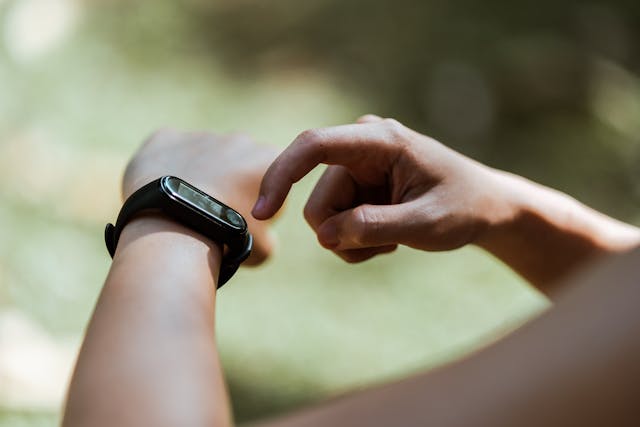
Preventive health technologies, such as wrist-worn activity trackers and various health and fitness applications, have become popular tools designed to augment well-being. These devices and apps, equipped to track and analyze personal health data, are lauded for their potential to empower users by providing detailed insights into their physical activities, dietary habits, and overall health. Despite their apparent benefits, a recent study published in the Journal of Consumer Affairs presents a nuanced examination of these technologies, suggesting that the reality of their impact on wellbeing is complex and dual-natured.

The research involved in-depth interviews with 30 individuals who regularly use these preventive health technologies. The study participants represented a diverse group, each employing these tools for various personal health objectives. Some sought to lose weight, others aimed to elevate their athletic performance, some monitored their engagement in pleasurable activities, and a few strived to establish or maintain a healthy lifestyle. This variety of motivations underscores these technologies’ broad appeal and versatility in addressing different health and wellness goals.

Interestingly, the study revealed distinct patterns of user engagement, termed “engagement trajectories,” which varied significantly among participants. A typical trajectory observed was an initial surge in usage, which eventually plateaued as users integrated the technology into their daily routines. Another group exhibited diminishing engagement over time, losing interest after the initial novelty wore off. Conversely, some individuals showed signs of becoming overly reliant on the technology, developing compulsive usage habits that could potentially lead to negative psychological impacts.

The investigators noted that the consequences of engaging with preventive health technologies could be beneficial or detrimental. On the one hand, these tools can promote awareness and foster healthier habits by keeping users informed about their daily health behaviours. On the other hand, they can lead to obsessive behaviours, where constant monitoring becomes a source of stress rather than a means to better health. This compulsive engagement with technology not only disrupts daily life but can also contribute to mental distress and decreased well-being.

The study’s lead author, Lisa Baiwir, a PhD candidate at the University of Liège in Belgium, emphasized the critical implications of these findings. She pointed out that understanding the triggers and consequences of over-engagement is crucial as these technologies become more integrated into our daily lives. This knowledge is essential for developers and designers of health applications, as it highlights the need to create features that promote balanced and healthy use of technology without fostering dependency.

While preventive health technologies promise to improve health outcomes and enhance quality of life, this study highlights the importance of using them judiciously. As they become ever more embedded in our daily routines, users and developers must remain vigilant about the potential pitfalls of technology use. It is imperative that future designs not only enhance functionality but also consider the psychological and emotional well-being of users, ensuring that these tools genuinely contribute to, rather than detract from, overall health and happiness.

More information: Lisa Baiwir et al, Consumer engagement with preventive health technologies: A double-edged sword for consumer wellbeing, Journal of Consumer Affairs. DOI: 10.1111/joca.12603

Journal information: Journal of Consumer Affairs Provided by Wiley

Genetic Insights into Lyme Disease: Enhancing Diagnostic and Treatment Approaches

A comprehensive genetic analysis of the bacteria responsible for Lyme disease has the potential to revolutionise the way we diagnose, treat, and prevent this increasingly prevalent tick-borne illness.

By charting the genetic landscapes of 47 distinct strains of Lyme disease-causing bacteria from across the globe, an international research team has crafted an invaluable resource that could pinpoint the exact bacterial strains infecting individuals. This precision might lead to the development of more accurate diagnostic tools and bespoke treatments that directly target the specific bacteria involved in each patient’s illness, thereby enhancing the effectiveness and efficiency of medical interventions.

Steven Schutzer, a professor at Rutgers New Jersey Medical School and co-author of this pivotal study published in the journal mBio, highlights the significance of their findings: “This detailed and high-calibre sequencing study of Lyme disease and its related bacteria lays a robust foundation that will significantly advance the entire field. It supports a wide spectrum of research—from clinical studies and public health initiatives to investigations into bacterial physiology, ecology, evolution, and the development of medical tools.”

The genetic data unearthed through this study elucidates how the bacteria evolve and disperse and identifies genes crucial for survival. Such insights are expected to spur the development of more effective vaccines against Lyme disease, a pressing need given the disease’s status as the most commonly reported tick-borne illness in North America and Europe, where it impacts hundreds of thousands annually.

The research delineates the complete genomes of bacteria from all 23 known species within the Borrelia burgdorferi sensu lato group, responsible for Lyme disease, including several strains that had yet to be sequenced before this project. Funded by the National Institutes of Health, this groundbreaking endeavour provides a historical reconstruction of the evolutionary trajectory of Lyme disease bacteria, tracing their origins back millions of years to a time likely preceding the breakup of the ancient supercontinent Pangea. This ancient origin story helps explain the bacteria’s current global distribution.

The team also shed light on the bacteria’s genetic recombination processes, through which they exchange genetic material within and between species. This mechanism enables rapid evolution and adaptation to new hosts and environments. By identifying specific genomic ‘hot spots’ where the genetic exchange is most frequent, researchers have pinpointed areas that often involve genes essential for the bacteria’s interactions with their tick carriers and various animal hosts.

Weigang Qiu, a biology professor at the City University of New York and the senior author of the study, explained the practical implications of these findings: “Understanding the evolutionary dynamics and genetic adaptability of these bacteria enhances our capacity to predict and mitigate shifts in their pathogenic potential, which is crucial for anticipating and thwarting their ability to cause disease in humans.”

To aid further research, the team has developed BorreliaBase.org, a web-based platform that allows scientists worldwide to analyse Borrelia genomes and pinpoint critical factors influencing their pathogenicity. This tool is set to be instrumental in future research efforts.

Future directions of this research include deeper genomic analyses of Lyme disease bacteria, particularly those from regions previously underexplored, and an in-depth investigation into the functions of genes unique to disease-causing strains. Such studies could uncover novel targets for therapeutic intervention.

As Lyme disease expands geographically, partly due to climate change, this research offers essential tools and insights for addressing this growing public health challenge. Benjamin Luft, the Edmund D. Pellegrino Professor of Medicine at the Renaissance School of Medicine at Stony Brook University, aptly summarises the impact of this work: “This seminal study not only equips researchers with the data and tools needed to refine treatments for all variants of Lyme disease but also sets a model for similar strategies against other infectious diseases caused by pathogens.”

More information: Saymon Akther et al, Natural selection and recombination at host-interacting lipoprotein loci drive genome diversification of Lyme disease and related bacteria, mBio. DOI: 10.1128/mbio.01749-24

Journal information: mBio Provided by Rutgers University

Research Shows Treating Sleep Apnea Leads to Improved Well-being and Happier Relationships

A study scheduled for presentation at the SLEEP 2024 annual meeting has revealed that consistent use of positive airway pressure (PAP) machines by individuals with obstructive sleep apnea can significantly enhance their romantic relationships.

The findings indicate that those who adhere more closely to PAP therapy experience higher satisfaction in their relationships, alongside reduced conflict. Moreover, an increase in sleep efficiency among these patients is also linked to improved relationship satisfaction, as reported by both the individuals affected and their partners.

Wendy Troxel, the study’s lead researcher, emphasises the influence of sleep and sleep disorders on relationship quality. Troxel, a senior behavioural scientist at RAND and a licensed clinical psychologist with an adjunct professorship at the University of Utah, where the research was conducted, highlighted the potential of these insights to motivate individuals suffering from sleep apnea to commit to their treatment plans. In response to the challenges that couples may face in adhering to PAP therapy, Troxel and her team have developed a couples-based treatment strategy named ‘We-PAP’. This approach acknowledges that the sleep patterns of couples are interconnected and aims to assist both patients and their partners in navigating the challenges of PAP therapy together.

The American Academy of Sleep Medicine notes that nearly 30 million adults in the U.S. suffer from obstructive sleep apnea, a chronic condition that causes the upper airway to collapse repeatedly during sleep. Snoring, a primary symptom of sleep apnea, often disrupts partners’ sleep, making it a significant relationship issue. PAP therapy, which sustains the throat open with mild air pressure delivered through a mask, remains a prevalent treatment.

This research involved 36 couples, each consisting of a patient beginning PAP treatment and their partner. Adherence to the therapy was objectively monitored over three months, while sleep quality was assessed using actigraphy—a method that measures sleep duration and efficiency. Both partners in each couple also provided self-reports on their relationship satisfaction and conflict levels.

Troxel stresses the importance of considering sleep quality in evaluations of relationship health, pointing out the broad impacts of sleep on personal well-being. She notes the growing trend of ‘sleep divorces’, where couples choose to sleep separately, and the high rate of actual divorces to underline sleep’s critical role in maintaining healthy relationships. Integrating these insights into treatment and relationship counselling could pave the way for more stable and satisfying partnerships.

More information: Wendy Troxel et al, Breathing Easy Together: How Positive Airway Pressure Adherence Benefits Both Patients and Partners, SLEEP. DOI: 10.1093/sleep/zsae067.0569

Journal information: SLEEP Provided by American Academy of Sleep Medicine

Study Reveals Significant Benefits of Walking for Lower Back Pain

A groundbreaking study has uncovered that adults who have experienced low back pain can significantly prolong the period before a recurrence by engaging in regular walking. This study, a first of its kind globally, involves nearly 800 million people worldwide who suffer from this common ailment, which is a significant contributor to disability and diminished quality of life.

Low back pain often recurs, with statistics showing that 70% of those who recover from an initial episode will experience a relapse within a year. The recommended approach for managing and preventing back pain includes physical activity and educational strategies. However, many exercise regimens can be prohibitive due to their costs, complexity, and the need for professional oversight.

Researchers at Macquarie University’s Spinal Pain Research Group conducted a clinical trial to investigate whether walking could be a practical, affordable, and accessible treatment option. The study involved 701 adults who had recently recovered from low back pain. These participants were either enrolled in a tailored walking programme complemented by six sessions of physiotherapist-led education over six months or placed in a control group.

The follow-up period for these participants ranged from one to three years, based on their entry into the study, with the findings recently published in a new issue of The Lancet. Professor Mark Hancock, a senior author of the paper and a professor of physiotherapy at Macquarie University, highlighted the significant impact these findings could have on managing low back pain. According to the research, the group that followed the walking programme experienced fewer episodes of activity-limiting pain and enjoyed a median pain-free period of 208 days, in contrast to 112 days in the control group.

Walking is praised for its low cost, universal accessibility, and simplicity, making it an ideal exercise for people of all ages and socio-economic backgrounds. The specific benefits of walking for preventing back pain are believed to include a variety of factors, such as gentle repetitive movements that strengthen spinal structures, muscle relaxation, stress reduction, and the release of endorphins, which enhance mood and well-being. Walking offers numerous other advantages, including better cardiovascular health, increased bone density, weight management, and improved mental health.

Dr Natasha Pocovi, the study’s lead author, pointed out that the walking programme not only extended the participants’ pain-free periods but also proved to be highly cost-effective. It significantly improved the participants’ quality of life, halved their healthcare consultations, and reduced their time off work. Unlike many conventional exercise-based interventions for back pain, which often require group participation, close clinical supervision, and expensive equipment, walking is much more accessible.

The study demonstrates that walking could be scaled up as a preventive measure far more successfully than other exercise forms. With these positive results, the research team is exploring further how this preventive approach could be integrated into routine care for patients with recurrent low back pain, potentially transforming how this everyday health issue is managed globally.

More information: Natasha Pocovi et al, Effectiveness and cost-effectiveness of an individualised, progressive walking and education intervention for the prevention of low back pain recurrence in Australia (WalkBack): a randomised controlled trial, The Lancet. DOI: 10.1016/S0140-6736(24)00755-4

Journal information: The Lancet Provided by Macquarie University

Your Brain’s Ageing Rate Varies Based on Social and Physical Surroundings

A recent study published in *Nature Medicine*, led by researchers including Dr Daniel Abasolo from the University of Surrey, highlights how economic, pollution-related, or disease-based disparities correlate with accelerated brain ageing in different countries. The research indicates that the rate of brain ageing varies considerably from person to person, which can lead to discrepancies between the biological age of the brain and a person’s chronological age—the actual number of years lived. This variance is influenced by various factors, notably environmental pollutants and social issues such as income and health inequalities. These influences are particularly pronounced in elderly populations and those suffering from dementia, but until this study, the cumulative impact of these factors on brain ageing across various global populations was not well understood.

The team employed cutting-edge ‘brain clocks’, developed through deep learning techniques applied to brain network analysis, to assess brain ageing. Their methodology was tested on a comprehensive dataset encompassing 5,306 participants from 15 countries, including nations from Latin America, the Caribbean (LAC), and others outside of this region. By utilising functional magnetic resonance imaging (fMRI) and electroencephalography (EEG), the researchers were able to measure discrepancies in brain age among both healthy individuals and those with neurodegenerative conditions such as mild cognitive impairment (MCI), Alzheimer’s disease, and frontotemporal lobe degeneration (FTLD).

Dr Abasolo shared that the research demonstrated that higher levels of inequality in a country are linked to more rapid brain ageing, particularly in regions most susceptible to the ageing process. Factors such as socioeconomic inequality, air pollution, and prevalent diseases significantly contribute to this acceleration, with more pronounced effects observed in economically disadvantaged countries. Among those diagnosed with dementia, individuals with Alzheimer’s disease exhibited the most significant gaps in brain age. Additionally, the study revealed sex differences in brain ageing, with women in LAC countries showing more significant gaps, especially those affected by Alzheimer’s. These differences were attributed to biological sex and gender disparities in health and social circumstances. Notably, the findings could not be explained by variations in signal quality, demographic factors, or the methods used to acquire data.

These insights are critical for neuroscience and brain health, offering a deeper understanding of how broad environmental and social factors (collectively referred to as the exposome) interact with the biological processes of brain ageing across diverse populations, both in the context of healthy ageing and dementia. The approach taken in the study introduces a promising new framework for personalised medicine, which is essential for identifying individuals at increased risk of neurodegenerative diseases and crafting targeted interventions to mitigate these risks. Furthermore, the results underscore the importance of integrating the biological impacts of environmental and social factors into public health policies. By addressing issues like socioeconomic disparity and ecological pollution, policymakers have the potential to narrow brain age gaps and foster healthier ageing across different populations.

More information: Sebastian Moguilner et al, Brain clocks capture diversity and disparities in aging and dementia across geographically diverse populations, Nature Medicine. DOI: 10.1038/s41591-024-03209-x

Journal information: Nature Medicine Provided by University of Surrey