Sunday, 16 Aug 2026
  • My Feed
  • My Saves
  • History
  • Blog
Living Well Study
  • Blog
  • Ageing Well
  • Brain Health
  • Healthy Diets
  • Physical Wellness
  • Wellness
  • 🔥
  • Wellness
  • older adults
  • Living Well
  • Brain Health
  • dementia
  • public health
  • Ageing Well
  • Health and Medicine
  • ageing populations
  • alzheimer disease
Font ResizerAa
Living Well StudyLiving Well Study
  • My Saves
  • My Feed
  • History
Search
  • Pages
    • Home
    • Search Page
  • Personalized
    • Blog
    • My Feed
    • My Saves
    • History
  • Categories
    • Ageing Well
    • Brain Health
    • Healthy Diets
    • Mental Wellness
    • Physical Wellness
    • Wellness
Have an existing account? Sign In
Follow US
© 2022 Foxiz News Network. Ruby Design Company. All Rights Reserved.
Living Well Study > Blog > Wellness > Exploring B Vitamin Therapy for Managing the Gut-Brain Axis in Parkinson’s Disease
Wellness

Exploring B Vitamin Therapy for Managing the Gut-Brain Axis in Parkinson’s Disease

support
Share
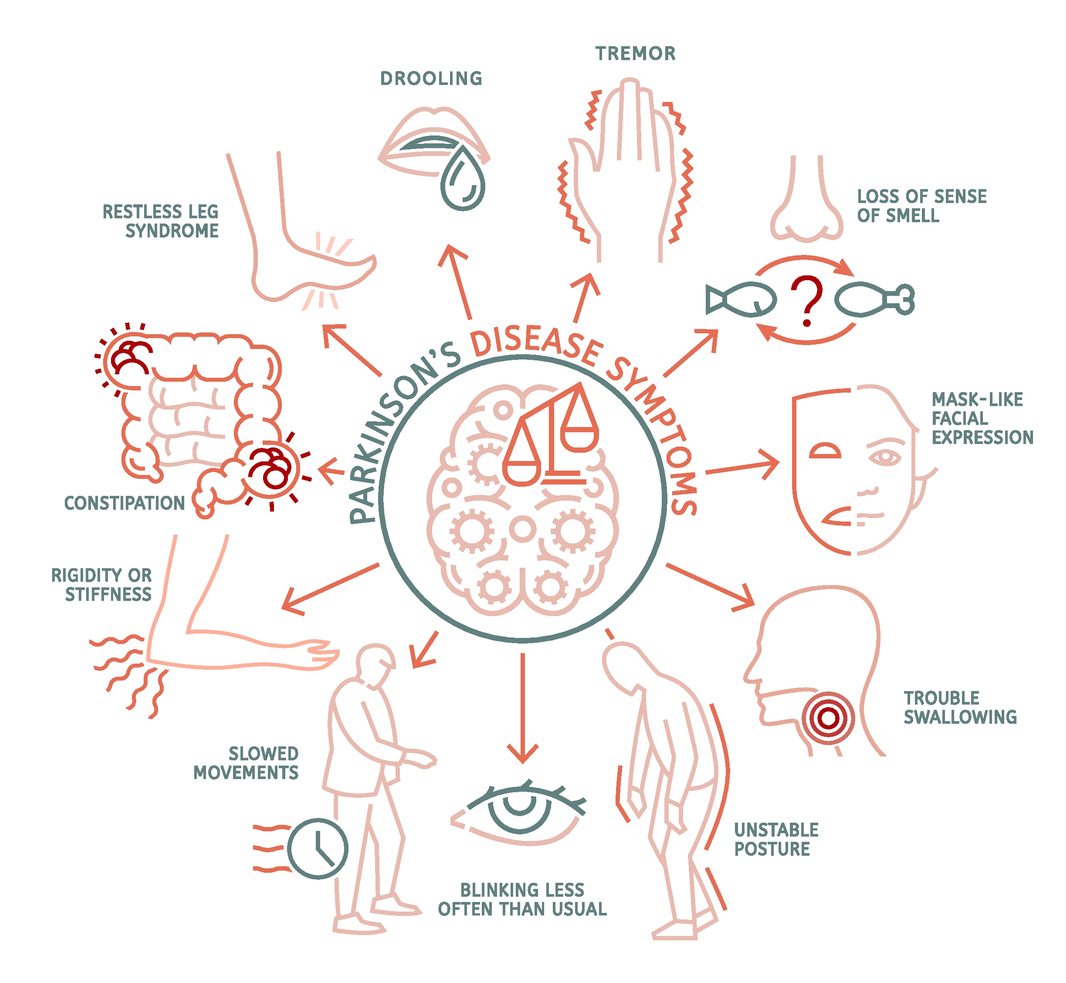
Parkinson's disease symptoms. Mental deficiency, unstable posture, rigidity, drooling. Image by Anna Bergbauer via iStock.
SHARE

A recent study led by Nagoya University Graduate School of Medicine in Japan has revealed a significant link between gut microbiota and Parkinson’s disease (PD). Researchers found that individuals with PD show a reduction in gut bacteria responsible for synthesising essential B vitamins B2 (riboflavin) and B7 (biotin). This deficiency is also associated with lower levels of compounds crucial for maintaining the intestinal barrier integrity, which normally prevents toxins from entering the bloodstream and causing inflammation observed in PD. Published in npj Parkinson’s Disease, these findings not only suggest a significant breakthrough in our understanding of PD but also inspire hope by proposing that treatment with B vitamins could potentially alleviate PD symptoms.

Parkinson’s disease is characterised by debilitating physical symptoms such as tremors, slow movement, stiffness, and balance issues, significantly impairing daily activities and mobility. Although the prevalence of PD varies among populations, it affects approximately 1-2% of individuals aged 55 years and older globally.

The gut microbiota, comprising microorganisms that inhabit the digestive tract, play pivotal roles in various physiological processes. Under optimal conditions, these microorganisms produce short-chain fatty acids (SCFAs) and polyamines, which are crucial for maintaining intestinal barrier integrity. Disruption of this barrier allows toxins to enter the bloodstream, potentially leading to inflammation in the brain and affecting neurotransmission critical for mental health.

To delve deeper into the gut microbial characteristics of PD patients, Hiroshi Nishiwaki and Jun Ueyama from Nagoya University Graduate School of Medicine conducted a comprehensive analysis using stool samples from PD patients across Japan, the United States, Germany, China, and Taiwan. They employed shotgun sequencing, a technique that sequences all genetic material within a sample, providing detailed insights into the microbial community and genetic composition.

Their analysis revealed a notable decrease in bacterial genes responsible for synthesising riboflavin (vitamin B2) and biotin (vitamin B7) among PD patients. These vitamins, derived from dietary sources and gut microbiota, possess anti-inflammatory properties that may counteract the neuroinflammation observed in PD. B vitamins are integral to metabolic processes influencing the production and function of SCFAs and polyamines, essential for maintaining intestinal barrier integrity. Examination of faecal metabolites further confirmed reductions in these compounds in PD patients.

These findings propose a potential mechanism underlying PD progression. According to Nishiwaki, deficiencies in polyamines and SCFAs may lead to thinning of the intestinal mucus layer and increased permeability, which is observed in PD patients. This heightened permeability exposes nerves to toxins, contributing to abnormal aggregation of alpha-synuclein, activating immune cells in the brain, and fostering long-term inflammation.

Nishiwaki suggests that supplementation therapy targeting riboflavin and biotin holds promise as a therapeutic approach to alleviate PD symptoms and slow disease progression. The study underscores the importance of understanding the intricate interplay between gut microbiota, metabolic pathways, and neurodegeneration. Importantly, it highlights the potential of personalised therapy tailored to individual microbiome profiles, which could empower individuals to take control of their health and potentially delay the onset and progression of PD symptoms.

This study represents a significant step towards unravelling the complex relationship between gut microbiota, metabolic pathways, and neurodegenerative diseases like Parkinson’s. It paves the way for targeted interventions that could enhance patient outcomes and quality of life through innovative nutritional therapies.

More information: Hiroshi Nishiwaki et al, Meta-analysis of shotgun sequencing of gut microbiota in Parkinson’s disease, npj Parkinson s Disease. DOI: 10.1038/s41531-024-00724-z

Journal information: npj Parkinson s Disease Provided by Nagoya University

TAGGED:cell therapiesgut microbiotainflammationparkinsons diseasepsychiatric disordersshotgun sequencingvitamin B
Share This Article
Email Copy Link Print
Previous Article Chronic hypertension prevalence doubled during pregnancy in the U.S. from 2007 to 2021
Next Article Investigation into the Influence of Summer Heat on Hospital Admissions in Spain
Leave a Comment

Leave a Reply Cancel reply

Your email address will not be published. Required fields are marked *

Recent Posts

  • Socioeconomic Disadvantage Is Associated with Greater Physical Decline with Age
  • Early Life Adversity Leaves a Lasting Molecular Mark Across the Body
  • Growing Up Gets Easier With Time, New Research Suggests
  • Most Patients with Early Alzheimer’s Disease Seeking Anti-Amyloid Antibody Therapy Fall Short of Brain Health Guidelines
  • Strength in Motion: Muscles May Hold the Key to Protecting the Parkinson’s Brain

Tags

adolescents adverse effects ageing populations aging populations air pollution alzheimer disease amyloids anxiety artificial intelligence atopic dermatitis behavioral psychology biomarkers blood pressure body mass index brain cancer cancer research cardiology cardiovascular disease cardiovascular disorders caregivers children climate change clinical research cognition cognitive development cognitive disorders cognitive function cognitive neuroscience COVID-19 dementia depression diabetes diets discovery research disease control disease intervention disease prevention diseases and disorders environmental health epidemiology foods food science gender studies geriatrics gerontology gut microbiota health and medicine health care health care costs health care delivery heart disease heart failure home care human brain human health hypertension inflammation insomnia life expectancy life sciences longitudinal studies memory disorders menopause mental health metabolic disorders metabolism mortality rates neurodegenerative diseases neurological disorders neurology neuroscience nursing homes nutrients nutrition obesity older adults parkinsons disease physical exercise population studies preventive medicine psychiatric disorders psychological science psychological stress public health research impact risk assessment risk factors risk reduction skin sleep sleep apnea sleep disorders social interaction social research social sciences socioeconomics tobacco type 2 diabetes weight loss
August 2026
S M T W T F S
 1
2345678
9101112131415
16171819202122
23242526272829
3031  
« Jul    

This website is for information purpose only and is in no way intended to replace the advice, professional medical care, diagnosis or treatment of a doctor, therapist, dietician or nutritionist.

About | Contact | Cookie Policy | Digital Millennium Copyright Act Notice | Disclaimer | Privacy Policy | Terms of Service

You Might Also Like

Wellness

Elderly Demographics: Healthcare Funding Relies on Public Perception of Benefits and Risks

By support
Wellness

Opting for sugary beverages instead of fruit juice during infancy has been associated with an increased likelihood of developing obesity in adulthood

By support
Wellness

Concerns over expenses, time away from employment, and COVID-19 deterred some older adults from undergoing surgical procedures

By support
Healthy Diets

Cleveland Clinic study finds connection between elevated niacin levels and heart disease

By support
Living Well Study
Categories
  • Ageing Well
  • Brain Health
  • Healthy Diets
  • Mental Wellness
  • Physical Wellness
  • Wellness
LivingWellStudy
  • About
  • Contact
  • Cookie Policy
  • Digital Millennium Copyright Act Notice
  • Disclaimer
  • Privacy Policy
  • Terms of Service
Welcome Back!

Sign in to your account

Username or Email Address
Password

Lost your password?