Author Archives: support

Land and Aquatic Pollution: The Hidden Danger to Heart Health

The study outlines the grave consequences of chemical pollution in soil, water, and air, which are estimated to cause around 9 million premature deaths each year, accounting for 16% of global deaths, with cardiovascular diseases making up half of these fatalities. The health of approximately 3.2 billion people, or 40% of the worldwide population, is jeopardized by soil degradation, while over two billion individuals reside in countries severely impacted by water pollution. Contributing factors to this extensive pollution include deforestation, climate change, airborne dust, excessive fertilizer use, and poorly planned urban areas. Heavy metals, pesticides, and micro- and nanoplastics in the environment contribute to cardiovascular problems by inducing oxidative stress and inflammation and disrupting circadian rhythms.

Exposure to hazardous chemicals like heavy metals, solvents, dioxins, and pesticides, whether encountered in workplaces, through consumer products, or indirectly via environmental contamination, leads to endothelial dysfunction and cardiovascular diseases. Professors Thomas Münzel and Andreas Daiber from the Department of Cardiology at University Medical Mainz emphasize that soil contamination may not be as visibly alarming as air pollution. Still, its impact on cardiovascular health is significant. They point out that pollutants in soil and water can trigger inflammation in blood vessels, increase oxidative stress, and disrupt the body’s natural clock, all of which play critical roles in the atherosclerotic process that could initiate or worsen atherosclerotic disease.

The dangers of airborne dust, particularly dust from deserts like the Sahara, are also highlighted as significant contributors to cardiovascular mortality, with approximately 770,000 deaths annually attributed to this cause. Prof. Jos Lelieveld of the Max Planck Institute for Chemistry warns that climate change models predict an increase in airborne dust and a deterioration in air quality as the planet warms, underscoring the urgent need for comprehensive environmental strategies to combat these effects.

To combat the risks associated with soil and water pollution, the authors suggest crucial interventions such as improving water filtration systems, enhancing air quality management, and adhering to sustainable agricultural practices. These efforts, if implemented effectively, could significantly reduce pollution levels, foster healthier ecosystems, and decrease the prevalence of cardiovascular diseases. This aligns with the European Commission’s vision for zero pollution by 2050, offering hope for a healthier future.

Promoting sustainable urban design and reducing harmful pesticides are also essential steps towards addressing the root causes of environmental pollution. Strengthening global ecological regulations is vital to effectively tackle these issues, ensuring that ecosystems are protected and public health is preserved, particularly from the cardiovascular risks posed by pollution.

Overall, the review underscores the need for cardiologists and health professionals to consider environmental factors that could influence their patients’ cardiovascular risk. It also empowers them to advocate for a broader approach to healthcare that incorporates environmental health. The study serves as a call to action, urging the audience to use their influence to reduce environmental pollutants that have a profound impact on global health, particularly through mechanisms like vascular inflammation and oxidative stress that significantly contribute to cardiovascular diseases.

More information: Thomas Münzel et al, Soil and water pollution and cardiovascular disease, Nature Reviews Cardiology. DOI: 10.1038/s41569-024-01068-0

Journal information: Nature Reviews Cardiology Provided by Max Planck Institute for Chemistry

New Research Links Moderate Coffee and Caffeine Intake to Reduced Risk of Cardiometabolic Illnesses

According to recent findings published in the Journal of Clinical Endocrinology & Metabolism by the Endocrine Society, regular consumption of moderate amounts of coffee and caffeine may confer a protective effect against the onset of various cardiometabolic diseases, such as type 2 diabetes, coronary heart disease, and stroke.

The research indicates that consistent intake of coffee or caffeine, particularly at moderate levels, correlates with a decreased risk of developing cardiometabolic multimorbidity (CM), defined as the simultaneous presence of two or more cardiometabolic conditions.

As global populations age, the incidence of multiple concurrent cardiometabolic diseases is emerging as a significant public health issue, the study points out.

The findings suggest that coffee and caffeine consumption appear crucial in nearly every stage of CM development.

Dr. Chaofu Ke, M.D., Ph.D., lead author of the study and a faculty member in the Department of Epidemiology and Biostatistics at the School of Public Health, Suzhou Medical College of Soochow University, in Suzhou, China, suggests, “Consuming three cups of coffee daily, or 200-300 mg of caffeine, may assist in lowering the risk of developing cardiometabolic multimorbidity in individuals who do not currently have any cardiometabolic disease.”

The study compares individuals consuming moderate amounts of coffee (three cups per day) or caffeine (200-300 mg per day) with those who consume less than 100 mg of caffeine per day or none at all, finding that moderate consumers had a 48.1% or 40.7% reduced risk, respectively, of new-onset CM.

This research utilised data from the UK Biobank, an extensive and detailed longitudinal dietary study that includes over 500,000 participants aged between 37 and 73 years. The study filtered out participants with unclear data on caffeine intake, leaving a cohort of 172,315 individuals free from any cardiometabolic diseases at the start of the caffeine analysis and 188,091 for the coffee and tea consumption analysis.

The identification of participants’ cardiometabolic disease outcomes was based on self-reported medical conditions, primary care records, linked inpatient hospital data, and death registry records connected to the UK Biobank.

The inverse association between coffee and caffeine intake at all levels and the risk of new-onset CM in participants without pre-existing cardiometabolic diseases was consistent throughout the study. Those who reported moderate intake levels experienced the lowest risk. This moderate intake was inversely linked to almost all stages of CM development.

Dr. Ke concludes, “Our findings underscore the potential benefits of promoting moderate coffee or caffeine consumption as a dietary habit among healthy individuals for the prevention of cardiometabolic diseases.”

More information: Xujia Lu et al, Habitual Coffee, Tea, and Caffeine Consumption, Circulating Metabolites, and the Risk of Cardiometabolic Multimorbidity, The Journal of Clinical Endocrinology & Metabolism. DOI: 10.1210/clinem/dgae552

Journal information: The Journal of Clinical Endocrinology & Metabolism Provided by The Endocrine Society

Sleep Patterns, Cognitive Decline, and Mortality Among Elderly US Residents

A recently published study titled “Poor Sleep Quality, Dementia Status, and Their Association with All-Cause Mortality Among Older US Adults” features in Volume 16, Issue 17 of the journal Aging, also known under the names “Aging (Albany NY)” and “Aging-US” in indexing databases such as MEDLINE/PubMed and Web of Science, respectively. The publication date of this paper is September 4, 2024.

This research highlights a compelling link between sleep quality and cognitive health, specifically dementia, and their collective impact on mortality rates among older adults in the United States. The study brings to light the critical public health issue of poor sleep quality and limited sleep duration, especially among the elderly. These sleep issues are closely associated with an array of cardiometabolic risks, including obesity, a growing concern given that nearly one-fifth of the adult population suffers from health complications related to inadequate or poor-quality sleep.

The study is the collaborative effort of an esteemed group of researchers: May A. Beydoun, Rio Tate, Michael F. Georgescu, Alyssa A. Gamaldo, Christian A. Maino Vieytes, Hind A. Beydoun, Nicole Noren Hooten, Michele K. Evans, and Alan B. Zonderman. These individuals hail from prestigious institutions such as the National Institute on Aging, Clemson University, the VA National Center on Homelessness Among Veterans, and the University of Texas Health Science Center.

In their detailed examination, the researchers investigated the potential influence of poor sleep quality on the interplay between dementia and the risk of mortality in older adults and whether these relationships vary depending on gender and race. The study’s methodology involved thoroughly analysing demographic data, health histories, and lifestyle choices to accurately assess the broader implications of sleep and cognitive health on longevity.

One of the key findings of this research is that poor sleep quality is directly correlated with an increased risk of mortality. This relationship holds even after adjusting for various lifestyle and health-related factors. Interestingly, the study also revealed that dementia increases mortality risk more significantly among individuals who otherwise report better sleep quality. This increase was notably pronounced among male participants and older White adults.

The implications of these findings are profound, suggesting that interventions aimed at improving sleep quality could potentially mitigate the health risks associated with dementia, thereby extending life expectancy. This research adds a crucial layer of understanding to the complex interactions between sleep, cognitive function, and mortality, underscoring the potential for positive change and the need for comprehensive strategies to address these issues within the public health domain.

By providing these insights, the study not only contributes to the scientific literature but also serves as a call to action for healthcare providers, policymakers, and caregivers. The findings underscore the importance of prioritising sleep quality improvement as an integral part of the healthcare regimen for older adults, particularly those at risk of or currently dealing with dementia. This could ultimately lead to better health outcomes and a reduction in mortality rates among this vulnerable population group.

More information: May A. Beydoun et al, Poor sleep quality, dementia status and their association with all-cause mortality among older US adults, Aging-US. DOI: 10.18632/aging.206102

Journal information: Aging-US Provided by Impact Journals LLC

Listening Devices: Advantages and Obstacles of Voice Assistants for Senior Citizens

Loneliness has increasingly been recognized as a significant social issue over recent decades, profoundly affecting psychological health and linked to heightened risks of isolation, reduced quality of life, deteriorating health, and elevated mortality rates. This issue is particularly acute among older adults, a group that is especially vulnerable to the effects of loneliness. Recognizing the potential of technology to address this, a research team from the Universitat Oberta de Catalunya (UOC) has explored the effectiveness of voice assistants in mitigating loneliness among older adults. Led by Elena Castro, a doctoral student in Health and Psychology, the team reviewed various studies to determine whether these devices could serve as a viable solution to this escalating societal problem.

The team’s findings were promising, revealing that 85% of the studies analyzed showed significantly reduced loneliness due to using voice assistants. Castro highlighted the importance of these devices in the daily lives of older adults, noting that they provide a sense of social interaction and offer considerable emotional support. Study participants often referred to their voice assistants as friends or companions, attributing human-like qualities to them. This indicates that even non-physical interactions with voice assistants can create meaningful emotional connections, reduce feelings of loneliness, and improve overall well-being.

However, implementing such technology is challenging. Barriers such as unfamiliarity with technology, resistance to change, and mistrust among older adults can hinder adoption. Castro emphasized the need for voice assistants to be tailored to individual needs and enhanced to handle complex conversations to be genuinely effective. Specific training and skill development are crucial for older people to effectively use these devices and incorporate them into their daily lives.

According to the Spanish Media Research Association (AIMC), about 11% of Spain’s population currently uses online voice assistants, with usage rates steadily increasing yearly in Spanish households. This trend underscores this technology’s growing acceptance and integration into everyday life, highlighting its potential to impact social interaction and task execution significantly.

The broader implications of loneliness, especially given an ageing population, extend beyond mere social consequences. Estimates suggest loneliness costs Spain more than €14 billion annually, approximately 1.17% of the country’s GDP. These statistics illustrate loneliness’s profound economic and social impact and underscore the urgency of addressing this issue effectively.

Voice assistants are emerging as valuable tools in the fight against loneliness. These devices not only help with everyday tasks and provide reminders but also offer entertainment, quick access to information, and communication with family and friends. By doing so, they play a crucial role in reducing loneliness and enhancing the quality of life for older individuals.

The World Health Organization now considers loneliness a public health problem, highlighting its severe negative impact on older adults’ physical and mental health, quality of life, and life expectancy. Loneliness is also associated with a variety of health problems, including depression, anxiety, and faster cognitive decline. Therefore, the effective integration of voice assistants could be critical in addressing the loneliness epidemic among older adults.

While commercially available voice assistants hold significant potential to reduce loneliness among older adults, further research is needed to maximize their benefits, explore potential risks, and address ethical considerations. The appropriate training and accessibility accompanying these technologies are essential to ensure they are integrated effectively, adapted to individual needs, and capable of overcoming the initial mistrust that new technologies often generate among older people.

More information: Elena Castro Martínez et al, Voice assistants’ influence on loneliness in older adults: a systematic review, Disability and Rehabilitation. DOI: 10.1080/17483107.2024.2397030

Journal information: Disability and Rehabilitation Provided by Universitat Oberta de Catalunya (UOC)

Weekend Exercise May Guard Against Over 200 Health Conditions

Amidst the busy routines, some individuals manage to concentrate their moderate-to-vigorous exercise into one or two days each week, typically over the weekend. A recent study conducted by researchers at Massachusetts General Hospital, a principal component of the Mass General Brigham healthcare system, has revealed a fascinating correlation. This pattern of ‘weekend warrior’ exercise is associated with a decreased risk of developing 264 different diseases, making it equally effective as more regularly distributed exercise routines in reducing these risks. These groundbreaking findings were published in the prestigious journal Circulation.

Co-senior author Shaan Khurshid, MD, MPH, affiliated with the Demoulas Center for Cardiac Arrhythmias at Massachusetts General Hospital, highlighted the extensive benefits of physical activity. “Physical activity has been recognised to influence the risk of numerous diseases,” stated Dr. Khurshid. “This research illustrates the potential benefits of engaging in weekend warrior activities not only for cardiovascular diseases, which we have identified in previous studies but also for a broad spectrum of future health conditions ranging from chronic kidney disease to mood disorders and more.”

Current health guidelines advocate for a minimum of 150 minutes of moderate-to-vigorous physical activity weekly to maintain overall health. This study raises a critical question: is there a significant difference in health benefits between those who spread out their exercise throughout the week, engaging in 20–30 minutes most days, and those who compress their exercise into longer sessions with 5 or 6 days of rest in between?

To explore this, Dr. Khurshid, a co-senior author of the study and a prominent figure at the Demoulas Center for Cardiac Arrhythmias at Massachusetts General Hospital, together with co-senior author Patrick Ellinor, MD, PhD, the interim chief of Cardiology and co-director of the Corrigan Minehan Heart Center at Massachusetts General Hospital, and their team analysed data from 89,573 participants in the prospective UK Biobank study. These participants wore wrist accelerometers for a week, which recorded their overall physical activity and the time they spent at varying exercise intensities. Their physical activity patterns were classified as either weekend warrior, regular, or inactive based on whether they met the guideline-based threshold of 150 minutes per week of moderate-to-vigorous physical activity.

The researchers then examined the correlation between these physical activity patterns and the incidence of 678 conditions across 16 disease categories, which included mental health, digestive, neurological, and others.

The study findings revealed that weekend warrior and regular exercise patterns significantly reduced the risk of developing more than 200 diseases compared to inactivity. The associations were powerful for cardiometabolic conditions such as hypertension and diabetes, where the risks were lowered by 23% and 28% for weekend warriors and 43% and 46% for regular exercisers, respectively, over an average of six years. Moreover, these benefits were consistent across various definitions of weekend warrior activity and other thresholds used to categorise activity levels.

Dr. Khurshid emphasised the general health benefits of physical activity, noting, “The results suggest that physical activity significantly lowers the risk of future diseases, especially cardiometabolic conditions. It appears that the total volume of activity might be more crucial than the frequency or pattern of exercise.” He further suggested that future public health interventions should test the efficacy of concentrated exercise schedules. He encouraged patients to adhere to physical activity guidelines in whichever pattern best suits their lifestyle.

More information: Shinwan Kany et al, Associations of “Weekend Warrior” Physical Activity With Incident Disease and Cardiometabolic Health, Circulation. DOI: 10.1161/CIRCULATIONAHA.124.068669

Journal information: Circulation Provided by Massachusetts General Hospital

High-dose and Adjuvanted Flu Vaccinations Offer Enhanced Protection for the Elderly

During the 2022-2023 flu season, high-dose and adjuvanted influenza vaccines demonstrated superior efficacy in reducing flu symptoms and hospital admissions among individuals aged 65 and over compared to the standard flu vaccine, according to a study. The research, titled “Comparative effectiveness of licensed influenza vaccines in preventing influenza-related medical encounters and hospitalisations in the 2022-2023 influenza season among adults ≥65 years of age,” was published on August 21, 2024, in the journal Clinical Infectious Diseases.

Jennifer Ku, PhD, MPH, an infectious disease epidemiologist at the Kaiser Permanente Southern California Department of Research & Evaluation, emphasised the benefits of opting for either high-dose or adjuvanted flu vaccines over the standard option for the elderly. She noted that despite seasonal variations, the enhanced vaccines consistently provide better protection for seniors against conventional flu shots, which are typically weaker.

Vaccination remains the most effective measure to prevent influenza and mitigate the severity of its symptoms. Traditional flu vaccines are produced by growing the viruses in chicken eggs; however, newer formulations such as high-dose, adjuvanted, and recombinant vaccines have been developed to enhance the efficacy and production of flu vaccines. The high-dose vaccine contains a quadruple amount of antigen compared to the standard vaccines. Adjuvanted vaccines include an additional component that boosts the immune response. Recombinant vaccines, which use gene technology and do not depend on eggs for production, were less commonly used within Kaiser Permanente in Southern California and, hence, were not part of this study.

In 2022, the Centers for Disease Control and Prevention’s Advisory Committee on Immunization Practices (ACIP) advised the use of high-dose, adjuvanted, or recombinant vaccines over the standard dose vaccines for adults aged 65 years and older, who are more susceptible to severe illness, hospitalisation, and death from influenza.

The study analysed data from nearly half a million seniors who received at least one dose of a flu vaccine during the season. It found that the high-dose and adjuvanted vaccines were significantly more effective at preventing hospitalisations due to flu, with 25% and 62% effectiveness estimates, respectively, compared to the standard dose vaccine. Furthermore, the effectiveness of high-dose and adjuvanted vaccines for healthcare visits due to flu were 9% and 17%, respectively.

Hung Fu Tseng, PhD, MPH, a senior scientist at the Department of Research & Evaluation and senior author of the study, highlighted that this was the first real-world evaluation comparing high-dose and adjuvanted flu vaccines against the more traditional standard-dose egg-based vaccines following ACIP’s preferential recommendation. The findings strongly support ACIP’s guidance to vaccinate seniors with the more potent high-dose and adjuvanted flu vaccines, underscoring their excellent protective benefits in this vulnerable age group.

More information: Jennifer Ku et al, Comparative Effectiveness of Licensed Influenza Vaccines in Preventing Influenza-related Medical Encounters and Hospitalizations in the 2022–2023 Influenza Season Among Adults ≥65 Years of Age, Clinical Infectious Diseases. DOI: 10.1093/cid/ciae375

Journal information: Clinical Infectious Diseases Provided by Kaiser Permanente

Work-Related Stress May Increase the Risk of Developing Irregular Heart Rhythms

A recent study published in the Journal of the American Heart Association, which is peer-reviewed and open-access, has uncovered that work-related stress due to job strain and a perceived imbalance between effort and rewards could significantly elevate the risk of developing atrial fibrillation (AFib). AFib, known as the most common type of arrhythmia, carries severe risks such as stroke, heart failure, and other cardiovascular complications. According to statistics from the American Heart Association, the number of Americans affected by AFib is projected to surpass 12 million by 2030.

The pioneering research was spearheaded by Xavier Trudel, PhD, an occupational and cardiovascular epidemiologist and an associate professor at Laval University in Quebec. It focuses on the effects of job strain and effort-reward imbalance on the occurrence of atrial fibrillation. Job strain is characterised by high-demand work environments where employees are burdened with heavy workloads and tight deadlines but have minimal control over their work or decision-making processes. On the other hand, effort-reward imbalance arises when the rewards, such as salary, recognition, or job security, are perceived to be insufficient compared to the effort put in.

The study encompassed nearly 6,000 white-collar workers in Canada and spanned an 18-year follow-up period. The results revealed a stark increase in the risk of developing AFib linked to these work-related stressors. Employees experiencing high job strain were found to have an 83% higher risk of developing AFib, those who perceived an effort-reward imbalance had a 44% greater risk, and individuals subjected to both stressors faced a 97% increased risk.

These findings carry profound implications, suggesting that preventive strategies should address psychosocial stressors in the workplace to create healthier working environments that benefit both the employees and the organisations. Dr Trudel emphasised the potential of workplace interventions to mitigate these stressors, potentially reducing the risk of AFib. His team has demonstrated the effectiveness of organisational interventions that reduced blood pressure by altering work conditions, such as decelerating project timelines, implementing flexible working hours, and encouraging open discussions between managers and employees.

However, the study’s limitation to white-collar workers in managerial, professional, and office roles within Canada restricts the generalisability of its findings. The specific work contexts and demographics may not accurately represent the experiences of blue-collar workers or those in different geographic areas.

This research underscores the importance of investigating how workplace stress impacts heart health across different types of employment and populations. Future studies could broaden the scope to include a more comprehensive array of workers and work environments, thereby enhancing our understanding of the link between occupational stress and cardiovascular disease and informing more effective public health policies and workplace practices.

More information: Edwige Tiwa Diffo et al, Psychosocial Stressors at Work and Atrial Fibrillation Incidence: An 18‐Year Prospective Study, Journal of the American Heart Association. DOI: 10.1161/JAHA.123.032414

Journal information: Journal of the American Heart Association Provided by American Heart Association

Research Indicates Elderly Women More Susceptible to Heat Compared to Male Counterparts

In the face of escalating global climate change, extreme heat waves are becoming increasingly frequent worldwide, prompting in-depth epidemiological research into their effects on different demographics. Recent findings reveal a stark disparity in heat-related mortality rates between genders, with women being disproportionately affected compared to men. A groundbreaking study led by Olivia Leach, a doctoral candidate in kinesiology at Penn State, alongside her advisor W. Larry Kenney, a professor of physiology and kinesiology holding the Marie Underhill Noll Chair in Human Performance at the same institution, brings to light the physiological reasons underpinning this vulnerability among older women.

The study’s findings, published in the American Journal of Physiology-Regulatory, Integrative and Comparative Physiology, suggest that women between the ages of 40 and 64 exhibit a similar level of vulnerability to men 65 years and older. This comparison is novel as it delineates physiological differences as the root cause of increased susceptibility rather than merely the demographic prevalence of older women compared to men. This is a pivotal shift from previous assumptions, as it challenges the notion that the vulnerability differences between men and women under 30 are negligible.

The researchers conducted their experiments in a controlled environment, using a specialized environmental chamber in Kenney’s laboratory. They tested 72 participants aged 40 to 92 years, who undertook light physical activities within the chamber to mimic everyday tasks that would be unavoidable even during a heatwave. The temperature and humidity levels were gradually increased until the participants’ bodies could no longer effectively cool themselves, causing their core temperatures to rise. Before commencing the activities, each participant ingested a small device encased in a capsule that continuously monitored their core temperature.

This study forms part of the PSU H.E.A.T. project, which stands for Human Environmental Age Thresholds, spearheaded by Kenney. Over five years, the project has undertaken over 600 experiments involving nearly 200 participants, exploring the combined effects of heat and humidity on human tolerance. The findings from these extensive experiments are intended to map out “livability limits” — the thresholds beyond which daily activities become significantly hindered by heat, necessitating interventions such as seeking air-conditioned environments to prevent heat-related illnesses like heat stroke and heat exhaustion.

Leach’s study also noted that as individuals age, their susceptibility to heat increases due to diminished efficiency in physiological cooling mechanisms such as sweating and blood circulation to the skin. These mechanisms are crucial for heat dissipation; sweating allows for heat to be carried away from the body, while increased blood flow to the skin aids in heat release to the surrounding environment.

An exciting aspect of the study is the homogeneity in health metrics among younger adults, where differences in heat vulnerability based on biological sex are non-existent. This homogeneity diminishes with age, and older adults show significant variability in their physiological responses to heat. According to the study, the most critical factors predicting heat vulnerability in healthy adults are age and biological sex, overshadowing other potential influences like cardiovascular health or body mass.

In light of these findings, it becomes imperative for policy-makers and community leaders to consider the unique vulnerabilities of older women as they prepare for more frequent and severe heat waves. This demographic should play a crucial role in the strategic planning for heat emergency responses and public health advisories, ensuring that this at-risk group receives the necessary support and information to safeguard against the dangers posed by rising global temperatures.

More information: Olivia Leach et al, Sex differences in heat stress vulnerability among middle-aged and older adults (PSU HEAT Project), American Journal of Physiology-Regulatory, Integrative and Comparative Physiology. DOI: 10.1152/ajpregu.00114.2024

Journal information: American Journal of Physiology-Regulatory, Integrative and Comparative Physiology Provided by Penn State

Recent Study Indicates Frequent Mobile Phone Usage May Elevate Cardiovascular Disease Risk in Smokers and Diabetics

A recent study has revealed that frequent mobile phone usage is linked to an increased likelihood of developing cardiovascular diseases, particularly among active smokers and individuals diagnosed with diabetes. The research, highlighted in an article from the Canadian Journal of Cardiology published by Elsevier, was conducted as a comprehensive prospective cohort study.

Dr Yanjun Zhang, from the Division of Nephrology at Nanfang Hospital, Southern Medical University in Guangzhou, China, noted the pervasive nature of mobile phone usage in contemporary life, underscoring the importance of understanding its effects on health. The study suggests that mobile phone radio-frequency electromagnetic fields (RF-EMF) might disrupt the hypothalamic-pituitary-adrenal axis, trigger inflammatory responses, and promote oxidative stress, potentially impacting various organs, including the heart and blood vessels. Despite these indications, the direct link between mobile phone use and cardiovascular disease risk remains to be fully established.

Dr Ziliang Ye, a fellow researcher at the same institution, aimed through this study to evaluate the connection between regular mobile phone use and the emergence of cardiovascular diseases while also exploring how sleep and mental health might mediate this relationship. The findings indicated that individuals who regularly used mobile phones were at a considerably higher risk of cardiovascular diseases compared to those who did not engage in regular mobile use.

The research involved 444,027 participants from the UK Biobank who had no previous cardiovascular disease history and reported their mobile phone usage frequency between 2006 and 2010. Regular usage was defined as making at least one call per week. The researchers followed up with these participants for a median period of 12.3 years using linked hospital and mortality records to track the incidence of strokes, coronary heart disease, atrial fibrillation, and heart failure. The study also examined the influence of sleep patterns, psychological distress, and neuroticism on cardiovascular health.

Dr Xianhui Qin, another co-investigator from Nanfang Hospital, elaborated on the potential mechanisms by which mobile phone use could contribute to cardiovascular diseases. He pointed out that disrupted sleep patterns and poor mental health might influence cardiovascular health through altered circadian rhythms, hormonal and metabolic imbalances, and heightened inflammation. Furthermore, chronic RF-EMF exposure could exacerbate oxidative stress and inflammation. Notably, the combination of RF-EMF exposure with risk factors such as smoking and diabetes might synergistically elevate the risk of cardiovascular conditions.

An accompanying editorial discussed the context of the study’s findings, noting that the original data collection predates the widespread adoption of modern smartphones, which are used for a variety of activities beyond making calls. This observation underscores the need for further research to understand the implications of current smartphone usage patterns on cardiovascular health, keeping the audience informed and up-to-date.

Nicholas Grubic, MSc, from the Dalla Lana School of Public Health at the University of Toronto in Canada and co-author of the editorial, commented that while the study suggests a moderate increase in the risk of developing cardiovascular diseases from mobile phone use, more definitive research with accurate measurements of usage is essential before establishing a firm link. He advocates for maintaining responsible mobile phone habits as part of a comprehensive strategy to support cardiovascular health, suggesting that individuals should consider dedicating this time to activities beneficial to heart health instead of engaging in prolonged periods of aimless browsing.

More information: Yanjun Zhang et al, Regular Mobile Phone Use and Incident Cardiovascular Diseases: Mediating Effects of Sleep Patterns, Psychological Distress, and Neuroticism, Canadian Journal of Cardiology. DOI: 10.1016/j.cjca.2024.06.006

Journal information: Canadian Journal of Cardiology Provided by Elsevier

Higher Fall Risk Linked to Dizziness in Elderly Populations

Dizziness in older adults, commonly dismissed as a mere symptom of ageing, has been conclusively linked to a significantly increased risk of future falls. A groundbreaking meta-analysis, the first of its kind, has demonstrated a robust correlation between episodes of dizziness and an elevated risk of falling among older adults. Dizziness, which includes sensations like vertigo, imbalance, light-headedness, and disorientation, affects approximately one-third of individuals aged 65 and above. Researchers at Imperial College London have identified dizziness as an independent predictor of fall risk through a comprehensive review and meta-analysis of 29 peer-reviewed studies involving over 103,000 participants. Their findings indicate that elderly individuals who suffer from dizziness are over 60% more likely to fall in the future, with those experiencing dizziness nearly twice as likely to fall multiple times.

Dr Toby Ellmers, from the Centre for Vestibular Neurology at the Department of Brain Sciences at Imperial and the study’s senior author, emphasised the grave implications of these findings. Falls are the leading cause of injury-related deaths among those over 65 and pose a substantial economic burden on healthcare systems. The National Institute for Health and Care Excellence (NICE) reports that falls cost the NHS approximately £2.3 billion annually and account for over 4 million hospital bed days. The impact of falls extends beyond the immediate injuries; they frequently result in hip fractures that severely impair mobility and quality of life, potentially leading to increased institutionalisation and mortality.

The study also highlighted that dizziness should not be considered a normal part of ageing as it often stems from specific, diagnosable, and treatable conditions. Among the most common causes of dizziness in the elderly are Benign Positional Vertigo, where crystals in the inner ear’s balance system become dislodged; orthostatic hypotension, a drop in blood pressure upon standing; and vestibular migraine. These findings underline the importance of proper diagnosis and treatment to prevent the adverse outcomes associated with dizziness.

Dr Ellmers stressed the significance of raising clinician awareness about the risks of dizziness and the need for prompt intervention. He advised that older adults experiencing even non-bothersome dizzy spells should consult their GP to enable early diagnosis and treatment, thus helping to avoid hospital admissions or worse outcomes. This proactive approach could significantly reduce the risk of falls and their severe consequences, emphasising the importance of taking even mild dizziness seriously in older populations.

More information: Yuxiao Li et al, Association between dizziness and future falls and fall-related injuries in older adults: a systematic review and meta-analysis, Age and Ageing. DOI: 10.1093/ageing/afae177

Journal information: Age and Ageing Provided by Imperial College London

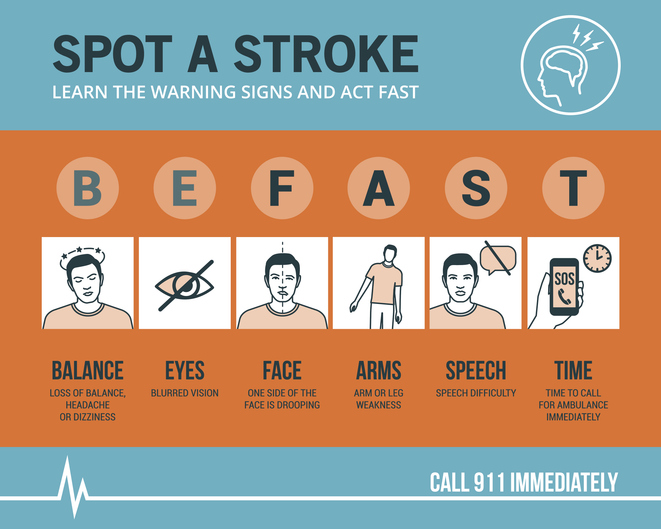
Global Stroke Rates Rise Due to Air Pollution, Heat, and Metabolic Risks; Over 12 Million Cases Annually

The global burden of stroke has seen a rapid increase between 1990 and 2021, with the number of new strokes rising to approximately 11.9 million in 2021, a 70% increase from 1990. This rise has been accompanied by a significant increase in the number of stroke survivors and stroke-related deaths, highlighting the condition as the third leading cause of death globally, only surpassed by ischaemic heart disease and COVID-19. This upsurge is especially pronounced in low- and middle-income countries, where over three-quarters of those affected reside.

Further exacerbating the issue, the overall disability, illness, and premature death attributed to strokes—measured as disability-adjusted life years (DALYs)—have also seen a notable increase of 32% over the same period. This has positioned stroke as a major cause of health loss worldwide, following closely behind COVID-19, ischaemic heart disease, and neonatal disorders.

The rise in stroke burden is primarily driven by demographic changes such as population growth and the ageing of populations worldwide. However, it is also significantly influenced by increased environmental and behavioural risk factors. Notably, factors such as high body mass index, elevated temperatures, and high blood sugar levels have seen substantial increases in their contribution to the global stroke burden. Other modifiable risk factors, like diets rich in sugar-sweetened drinks, low omega-6 polyunsaturated fatty acids, and reduced physical activity, have also played a role.

Interestingly, when demographic impacts are controlled through age-standardisation, there appears to be a global trend towards decreasing rates of stroke incidence, prevalence, deaths, and DALYs since 1990. However, this trend has plateaued since 2015, with worsening conditions noted in Southeast Asia, East Asia, and Oceania, particularly among populations under 70.

The findings, stemming from a comprehensive new analysis conducted as part of the Global Burden of Disease, Injuries, and Risk Factors Study and published in The Lancet Neurology, were presented at the World Stroke Congress in Abu Dhabi in October 2024. They underscore the urgent need for effective stroke prevention strategies. According to Professor Valery L Feigin from the Auckland University of Technology, the current strategies are insufficient, with the growing number of stroke cases and related deaths and disabilities signalling a pressing need for new, universally applicable prevention methods.

This research also highlights a significant disparity in stroke burdens across different regions and income levels. In wealthier regions like North America and Australasia and middle-income areas like Latin America, stroke rates are considerably lower compared to low- and middle-income areas of East and Central Asia and sub-Saharan Africa, where stroke rates are much higher.

Of particular concern is the burden of haemorrhagic strokes, which account for half of all stroke-related disability and deaths globally despite being less common than ischaemic strokes. These types of strokes are predominantly linked to uncontrolled high blood pressure and are most prevalent among younger populations and in low-income countries.

The study further identifies a range of environmental and metabolic risk factors contributing to the global stroke burden, with high systolic blood pressure, air pollution, and smoking being among the top contributors. While some progress has been made in reducing the burden from factors like poor diet and smoking, the ongoing increase in strokes linked to ambient air pollution and high cholesterol levels highlights the continuous challenge these factors present.

The research calls for prioritised prevention strategies outlined in the recent World Stroke Organization-Lancet Neurology Commission on stroke. By focusing on evidence-based recommendations and innovative solutions such as task-shifting and telehealth platforms, there is hope to significantly reduce the stroke burden globally, thereby improving brain health and the overall well-being of millions of people worldwide. This emphasises the need for immediate action in implementing effective prevention measures, particularly in the most affected regions and among vulnerable populations.

More information: Valery L Feigin et al, Global, regional, and national burden of stroke and its risk factors, 1990–2021: a systematic analysis for the Global Burden of Disease Study 2021, The Lancet Neurology. DOI: 10.1016/S1474-4422(24)00369-7

Journal information: The Lancet Neurology Provided by The Lancet

Same Individual. Different Location. Double the Chance of Dementia Diagnosis.

With the advent of new medications aimed at Alzheimer’s disease and other forms of dementia, a recent study highlights a crucial but perhaps overlooked factor in accessing these treatments: the patient’s geographic location. The research, published in Alzheimer’s & Dementia: The Journal of the Alzheimer’s Association by a team from the University of Michigan, underscores the significant variation in the rates of new dementia diagnoses across different U.S. regions.

The study’s findings reveal that the likelihood of receiving a dementia diagnosis can vary greatly depending on where one lives, especially for individuals aged between 66 and 74 and those from Black or Hispanic backgrounds. In some areas, a person might be twice as likely to receive a dementia diagnosis compared to others, suggesting that systemic differences in healthcare practices could be more influential than the personal health factors traditionally associated with dementia risk.

A formal diagnosis of dementia is not merely a label; it is a gateway to potentially life-altering treatments. New tests and therapies, particularly those targeting the early stages of dementia, such as mild cognitive impairment or mild Alzheimer’s disease, are contingent upon an official diagnosis. These treatments are designed to slow the progression of the disease, offering patients a better quality of life for a more extended period.

The research team, led by Julie Bynum, M.D., M.P.H., of the University of Michigan, analyzed Medicare data covering 4.8 million people over the age of 66 in 2019. They found that the rate of new diagnoses in that year alone varied widely—ranging from 1.7% to 5.4% across different hospital referral regions (HRRs). These regions are often used in healthcare studies, and each includes at least one hospital capable of performing advanced surgeries. This indicates their capability to provide specialized services for diagnosing and treating dementia.

What is particularly compelling about this study is its focus on ‘diagnostic intensity’ — a metric that considers not just the raw numbers of diagnoses but also adjusts for known dementia risk factors and regional healthcare variations. By examining these adjusted figures, the study aims to offer a more nuanced understanding of how factors beyond individual risk can influence diagnosis rates. The implications of such findings are profound, suggesting that improving diagnosis rates could hinge on addressing regional disparities in healthcare access and quality.

Dr. Bynum’s comments reflect an awareness of the broader socio-economic and cultural dynamics. She points out that variations in diagnosis rates could be a product of differences in how healthcare is practised in various regions, including how frequently individuals are screened for early signs of dementia by their primary care providers. Cultural and personal attitudes towards seeking medical help can also significantly influence whether individuals are likely to consult a doctor about their memory concerns without prompting.

The study also highlights the underdiagnosis or overdiagnosis in certain regions, which could guide future efforts to understand and remove barriers to diagnosis. This is crucial because timely diagnosis helps manage the disease more effectively and plane the needs of patients and their families. For healthcare systems and communities, the study serves as a call to action to spread awareness and improve services related to dementia care. For individuals, it underscores the importance of advocating for oneself to ensure access to necessary medical evaluations and care.

While the study paints a complex picture of how dementia is diagnosed across the U.S., it also offers clear paths forward. By understanding and addressing the disparities in diagnostic practices, there is potential to improve health outcomes for individuals with dementia and make strides in public health at a regional level. The ultimate goal is to ensure everyone at risk has equal access to diagnoses and treatments that could significantly improve their lives.

More information: Julie P. W. Bynum et al, Regional variation in diagnostic intensity of dementia among older U.S. adults: An observational study, Alzheimer’s & Dementia. DOI: 10.1002/alz.14092

Journal information: Alzheimer’s & Dementia Provided by Michigan Medicine – University of Michigan