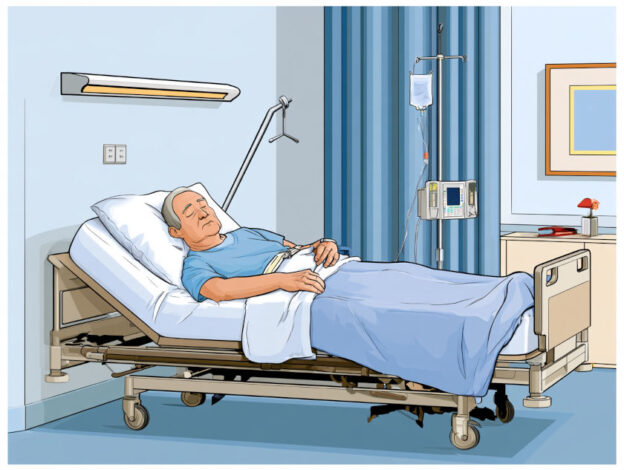
When patients approach the end of life, they may lose the ability to speak, express discomfort or communicate their final wishes. For nurses caring for them, this creates difficult decisions about pain relief, dignity and appropriate care, often with little direct guidance from the patient. New research from Flinders University, published in the Journal of Advanced Nursing, explores how specialist palliative care nurses navigate these challenges during a patient’s final days.
“Patients die in many different health care settings, but building relationships with a patient and their family greatly informs and influences nurses’ decision-making,” says lead author Tricia O’Connor, a PhD student at Flinders University. The study, based on interviews with specialist palliative care nurses at a metropolitan service, found that clinical experience, careful observation and family involvement are central to providing compassionate, individualised care.
Patients typically remain unresponsive for around two days before death, leaving them unable to communicate pain, fears or personal preferences. During this vulnerable period, nurses must interpret subtle physical and behavioural signals while considering what they know about the patient’s values and wishes. Their decisions can influence comfort, symptom management and communication with families.
One of the study’s most striking findings was the concept of the patient as an “absent presence”. Although patients can no longer participate in conversations, their identity, preferences and previously expressed wishes continue to influence decisions. Nurses described remaining attentive to these individuals, recognising signs of distress and advocating for their needs when they could no longer speak for themselves.
“Nurses’ decision-making when caring for an unresponsive dying patient is complex,” says Ms O’Connor. “Decision-making is affected by communication, uncertainty, plus ethical and moral agency.” Researchers also found that nurses often acted on ethical considerations without explicitly identifying them as ethical decisions, suggesting that moral judgement is deeply embedded in everyday palliative care.
Communication emerged as another essential element, helping nurses establish trust with families, understand patients’ wishes and navigate uncertainty. These relationships become especially important when decisions must balance physical comfort, personal dignity and family expectations. The findings suggest that recognising the complexity of this work could help improve the consistency and quality of end-of-life care.
“The study addresses a significant gap in end-of-life care research and highlights the unique role nurses play in safeguarding comfort, dignity and person-centred care at the end-of-life,” says co-author Professor Catherine Paterson of Flinders University’s Lifewell Cancer Research Centre. She says greater recognition of this final stage should encourage healthcare leaders, educators and policymakers to strengthen nursing education and support.
The researchers recommend improved palliative care training, structured mentorship, reflective discussions and stronger communication skills, alongside clearer clinical guidelines. Such measures could help nurses recognise ethical challenges and make more confident decisions. “By making these dying people visible and clarifying the decision-making required in their care, this study provides a foundation for more attentive, informed, ethically responsive and person-centred nursing care at the end-of-life,” says Ms O’Connor.
More information: Tricia O’Connor et al, When Dying Patients Fall Silent: How Nurses Navigate Decision-Making in the Last Days of Life—A Qualitative Study, Journal of Advanced Nursing. DOI: 10.1111/jan.70766
Journal information: Journal of Advanced Nursing Provided by Flinders University