Monthly Archives: February 2025

Neuropsychological Differences in Ageing: Investigating Ethnicity and Mental Well-being

Researchers Carol Fadalla, Jonathan Singer, Peter Rerick, Lauren Elliott, Elisabeth McLean, Sydnie Schneider, Lauren Chrzanowski, Veronica Molinar-Lopez, and Volker Neugebauer, affiliated with Texas Tech University and the University of Central Oklahoma, have conducted a detailed study on the impact of depression and anxiety on cognitive functions such as memory and reasoning in older adults of Hispanic and non-Hispanic White descent living in rural areas. Their findings reveal significant variations in brain health, with Hispanic older adults exhibiting lower scores on cognitive tests assessing memory, attention, and problem-solving abilities, even when their mental health conditions were comparable to those of non-Hispanic White counterparts. These results indicate that Hispanic older adults may encounter distinctive challenges that adversely affect their brain health, underscoring the necessity for specially designed support programmes that cater to their unique requirements.

As the demographic of the United States ages, the prevalence of neurodegenerative conditions such as Alzheimer’s disease, dementia, and other memory-related disorders is on the rise. This issue is particularly acute in rural communities where medical services are less accessible. Hispanic older adults, who constitute a significant segment of the rural demographic, face a heightened risk of developing cognitive impairments.

The team examined data from more than 1,400 individuals aged 40 and above, hailing from rural regions in Texas. These participants underwent various cognitive tests to evaluate their memory, problem-solving skills, and attention, in addition to completing surveys that assessed levels of depression and anxiety. Although links were found between depression, anxiety, and diminished cognitive functions, these mental health issues did not wholly account for the observed disparities in brain health between Hispanic and non-Hispanic White participants. Ethnicity alone accounted for approximately 20% of the cognitive performance variances, highlighting its significant influence.

Furthermore, the study identified additional factors such as lifelong stress, inadequate healthcare access, language obstacles, discrimination, social isolation, and limited educational opportunities, which might exacerbate these cognitive disparities. These challenges disproportionately affect Hispanic older adults, elevating their risk of cognitive decline as they age.

The researchers stress the importance of extending the scope of investigation beyond mental health issues to gain a fuller understanding of the disparities in brain health among older adults. They advocate for healthcare providers to incorporate considerations of social, economic, and cultural factors when developing interventions to support cognitive health. Implementing cognitive assessments during regular health check-ups could facilitate the early detection of cognitive decline.

The conclusion of the study highlights the critical need for “culturally tailored interventions that address the risk factors for neurocognitive impairment in Hispanic rural ageing adults, which are essential to reduce neurocognitive disparities.”

Recognising the specific challenges faced by Hispanic older adults makes it possible to devise programmes that more effectively bolster brain health. Engaging local community leaders in creating these programmes can enhance their efficacy, ensuring that older adults can preserve their cognitive functions well into their later years.

More information: Carol Fadalla et al, Neurocognitive disparities: investigating ethnicity and mental health in rural aging adults, Aging-US. DOI: 10.18632/aging.206166

Journal information: Aging-US Provided by Impact Journals LLC

Language Triggers Unseen Cognitive Mechanisms Influencing Feelings, Choices, and Actions

In a revolutionary study published in the journal Cell Reports, researchers have revealed that neurotransmitters are activated in the human brain during the emotional processing of language, providing new insights into how words are interpreted in terms of their significance. The research, spearheaded by an international team led by Virginia Tech scientists, advances our understanding of the impact of language on human decision-making and mental health. The study, orchestrated by computational neuroscientist Read Montague, a professor at the Fralin Biomedical Research Institute at VTC and director of the institute’s Center for Human Neuroscience Research, explores for the first time how neurotransmitters manage the emotional content of language, a capacity uniquely human.

This pioneering research, featured in the January 28 issue of Cell Reports, connects the biological with the symbolic, linking neural processes—presumably evolved for survival across diverse species throughout the ages—with the complexity of human communication and emotion. Montague, co-corresponding and co-senior author of the study, discusses the traditional view of brain chemicals like dopamine and serotonin as messengers that convey the emotional values of experiences. He suggests that these chemicals are released explicitly in targeted areas of the brain when the emotional meaning of words is processed, implying a broader role for brain systems that have evolved to help us react to our environment and now influence how we process language, a key factor in human survival.

The research marks the first time dopamine, serotonin, and norepinephrine release has been simultaneously measured in humans concerning the complex brain dynamics behind language interpretation and reaction. Montague notes that while the emotional significance of words interacts with multiple neurotransmitter systems, each system reacts differently, emphasizing that no single brain region or neurotransmitter solely manages this activity. The relationship between chemicals and emotions is intricate.

The neurochemical measurements were conducted on patients undergoing deep brain stimulation surgery for essential tremor treatment or for implantation of leads to monitor seizures in epilepsy patients, explicitly targeting the thalamus and the anterior cingulate cortex. While emotionally charged words were displayed on a screen, measurements were captured using sophisticated electrodes in these regions, revealing that the emotional tone of words influenced neurotransmitter release. Researchers identified distinct patterns linked to the emotional tone, anatomical areas, and which hemisphere of the brain was active.

An unexpected result emerged from the thalamus, a region not previously associated with language or emotional processing, where significant neurotransmitter changes occurred in response to emotional words. William “Matt” Howe, an assistant professor with the School of Neuroscience at Virginia Tech and co-senior author of the study, suggests that this finding indicates even brain regions not typically linked to emotional or linguistic processing might still access and use emotionally significant information, potentially influencing behaviours like movement.

Building on prior studies, this research underscores a uniquely human trait: the emotional content of written words. Unlike animals, humans can understand words, their context, and meanings, and this study examines how neurotransmitter systems process words with different emotional weights. This supports the theory that these systems, which evolved to ensure survival, now facilitate language interpretation. This foundational study not only offers profound insights into the biological underpinnings of language but also sets the stage for future research into how our brains process the emotional content of language.

More information: Seth Batten et al, Emotional words evoke region- and valence-specific patterns of concurrent neuromodulator release in human thalamus and cortex, Cell Reports. DOI: 10.1016/j.celrep.2024.115162

Journal information: Cell Reports Provided by Virginia Tech

Congested Roads, Quick Meals: Research Connects Traffic Jams to Poor Dietary Choices

Have you ever been more tempted to grab fast food for dinner after a long, frustrating commute? You are not alone. Recent research from the University of Illinois Urbana-Champaign found a significant link between traffic delays and increased visits to fast food outlets, contributing to fewer healthy eating habits among millions annually.

The study centred around Los Angeles County revealed that unexpected traffic delays beyond regular congestion led to a 1% rise in fast food consumption. While this figure might appear small at first glance, it translates into an additional 1.2 million fast food visits annually within LA County. Becca Taylor, an assistant professor in the Department of Agricultural and Consumer Economics at the College of Agricultural, Consumer and Environmental Sciences at Illinois, described the findings as modest yet significant in their implications for altering unhealthy eating patterns.

Over two years, Taylor and her team monitored daily traffic patterns on highways and tracked the number of fast food visits made by cell phone users. This comprehensive data collection facilitated the development of a computational model that established a direct causal relationship between unexpected slowdowns in traffic and spikes in fast food consumption.

The impact of traffic delays on fast food visits was evident across different timeframes, from 24-hour periods to specific hours within a day. The research showed that even a minor delay of 30 seconds per mile could increase fast-food visits by 1%. Taylor illustrates this delay as the difference between traffic conditions at 10 a.m. and the more congested 5 p.m. traffic.

A more detailed analysis revealed that the increase in fast food visits was particularly noticeable during evening rush hours, coinciding with a slight decrease in grocery store visits. Taylor pointed out that the timing of traffic jams around dinner time—between 5 and 7 p.m.—forces drivers to make quick dining decisions: whether to cook at home, stop by a grocery store, or opt for the convenience of fast food.

Given the ubiquity of traffic jams and fast food outlets near significant highways in virtually every large city, the pattern observed in Los Angeles could likely be applicable elsewhere. Taylor and her colleagues argue that the association between traffic congestion and poor dietary choices underscores policymakers nationwide and globally need to focus on infrastructure improvements to alleviate traffic. They suggest that such improvements involve enhancing public transportation options, promoting remote work opportunities, and upgrading road infrastructure.

Taylor emphasised that the findings add to a growing body of evidence indicating that time constraints significantly influence dietary decisions. Reducing these constraints, mainly through efforts to mitigate traffic-related delays, could improve public health outcomes related to diet. Therefore, policies aimed at reducing time pressures could play a crucial role in combating unhealthy eating habits, making a case for a more holistic approach to urban planning and public health policy.

More information: Panka Bencsik et al, Slow traffic, fast food: The effects of time lost on food store choice, Journal of Urban Economics. DOI: 10.1016/j.jue.2025.103737

Journal information: Journal of Urban Economics Provided by University of Illinois College of Agricultural, Consumer and Environmental Sciences

How Mature Women are Finding Freedom on the Open Road

Mature Australian women challenge conventional views on ageing by embarking on solo road trips, exploring their country’s vast and varied landscapes from the arid Oodnadatta Track to the lush Tasmanian wilderness. Equipped with caravans, campervans, or sturdy 4WDs and tents, these women embrace adventure, personal growth, and new opportunities. Margaret Yates, a PhD candidate at the University of Technology Sydney and a retired nurse, interviewed 29 travellers to explore their motivations and experiences. Her research, presented in the study titled “Women travelling solo or with other women across Australia: A montage of narratives,” highlights that these journeys often represent a deeper exploration into self-awareness, confidence, and taking control of one’s life, especially after years dedicated to nurturing others.

The study profiles four women in their sixties and seventies who defy societal expectations for their age group and redefine what is possible for themselves. This research forms part of Yates’s broader PhD project focusing on female’ grey nomad’ travellers’ experiences, health, and social needs. Despite some battling chronic conditions like diabetes or heart disease, these women report improved well-being, less stress, and better health, attributing these benefits to their nomadic lifestyle. Vivian*, a case study from Yates’s research, exemplifies this shift. After a transformative scuba diving experience in Far North Queensland, she sold her business and rented out her house, choosing to live on the road for the past nine years—a decision she considers the best she has ever made.

Yates points out that the decision to start anew on the road demands courage and resolve, often in the face of significant opposition from friends and family who doubt their capability to manage alone. These solo female travellers usually establish informal networks at campgrounds and rest stops, exchanging tips, sharing stories, and supporting one another. These connections enhance their sense of security and contribute to their understanding of achievement, with many women actively sharing their adventures on social media platforms.

The journey has challenges, including vehicle malfunctions, sporadic communications, and the solitude of remote locations. However, many of these women find these challenges empowering rather than discouraging. Vivian shared an instance of self-reliance when dealing with a flat tyre in a remote area, emphasizing the personal insights gained from such experiences. She has learned much about her strengths and weaknesses, viewing each obstacle as an opportunity for growth.

Yates attributes this trend among older women travellers to broader societal changes, such as increased financial independence, improved healthcare options, including telehealth, and shifting perceptions of ageing, which collectively enable these women to pursue unconventional lifestyles. The COVID-19 pandemic has also influenced many to reassess their priorities, fueling a desire for meaningful experiences over material possessions.

Aria, another traveller in her early sixties, shares her ongoing journey, which began with a plan to be away for just one year with her dog Rusty. Several years later, she continues to travel, still enamoured with the lifestyle and everything she encounters. Aria’s story, like many others, highlights the profound impact of embracing the open road—discovering the country’s hidden gems and experiencing Australia’s vast diversity and beauty firsthand.

More information: Margaret Yates et al, Women travelling solo or with other women across Australia: A montage of narratives, Journal of Women & Aging. DOI: 10.1080/08952841.2024.2431412

Journal information: Journal of Women & Aging Provided by University of Technology Sydney

Freshwater Algae: The Potential Superfood to Nourish the Globe

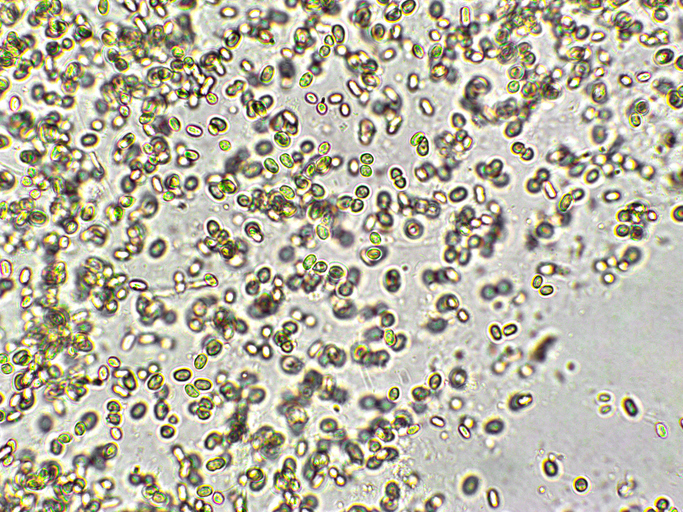
Chlorella Vulgaris, a green algae found in freshwater environments such as lakes and rivers, is increasingly recognized as a potential ‘superfood’ that could address global food security challenges while promoting environmental sustainability. This revelation comes from a new study published by researchers at the University of Birmingham in the Journal of Food Science. Rich in proteins, lipids, carbohydrates, vitamins, and minerals, Chlorella offers a sustainable alternative to traditional agricultural methods, which typically require significant land and water resources. Its ability to be cultivated with a minimal environmental footprint makes it an attractive option for eco-friendly food production.

The nutritional benefits of Chlorella are extensive, with the microalga known for its antioxidant properties, immune support, and detoxifying effects. It is currently used as a food supplement in powder and tablet forms but has the potential to significantly enhance the nutritional value of food products. Despite its promising attributes, the study highlights several challenges that need to be overcome, such as scaling up production and increasing consumer acceptance, to realize its full potential.

Dr Helen Onyeaka, a study co-author, emphasized the growing consumer interest in health-conscious and environmentally sustainable products. She believes that Chlorella Vulgaris could play a significant role in redefining food innovation for the future. The research underscores the importance of applied research in addressing these global challenges and highlights the critical role that Chlorella can play in sustainable food sourcing.

The study also outlines the necessity for advancements in cultivation techniques, processing methods, and sensory improvements to make Chlorella more appealing to consumers. Future research directions include improving Chlorella strains, developing more efficient cultivation systems, and resolving issues currently limiting its use. By addressing these challenges and optimizing production methods, Chlorella’s integration into the food industry can be significantly enhanced.

Proposed industrialization efforts for Chlorella production involve developing new culture systems designed to increase yield and reduce costs. These would include various bioreactors, adjustments in light and nutrients, and maintaining sterile environments. Additionally, techniques such as mechanical milling, enzyme treatment, and ultrasonication could increase the bioavailability of nutrients, while pulsed electric fields might enhance digestibility cost-effectively. Sensory evaluations and consumer testing are also necessary to overcome any negative perceptions related to taste.

Beyond its rich nutrient profile, Chlorella offers significant environmental benefits, including capturing carbon dioxide and cleaning wastewater, aligning it with global sustainability goals. Its health benefits extend beyond essential nutrition, offering anti-tumour properties, potential preventive effects against Alzheimer’s disease, and positive impacts on major depressive disorder. As research and development continue, Chlorella stands poised to become a key player in the future of sustainable and nutritious food sources.

More information: Chiao-An Wang et al, Chlorella vulgaris as a food substitute: Applications and benefits in the food industry, Journal of Food Science. DOI: 10.1111/1750-3841.17529

Journal information: Journal of Food Science Provided by University of Birmingham

Strong Association Detected Between Heme Iron in Red Meat and Increased Risk of Type 2 Diabetes

A recent study by Harvard T.H. Chan School of Public Health researchers has further substantiated the connection between higher consumption of heme iron—found predominantly in red meat and other animal products—and an increased risk of developing type 2 diabetes (T2D). Unlike non-heme iron, primarily sourced from plant-based foods, this iron has been scrutinised in light of its health implications. The research findings reaffirm earlier reports linking heme iron to T2D and enhance our comprehension by incorporating a multifaceted approach to data analysis.

Lead author Fenglei Wang, a research associate in the Department of Nutrition, emphasised the novelty of their methodology. “Compared to prior studies that relied solely on epidemiological data, we integrated multiple layers of information, including epidemiological data, conventional metabolic biomarkers, and cutting-edge metabolomics,” Wang explained. This comprehensive approach allowed the team to delve deeper into the metabolic pathways influencing the relationship between iron intake and the risk of T2D. The study leveraged an extensive dataset, analysing 36 years of dietary reports from over 206,000 adults participating in the Nurses’ Health Studies I and II and the Health Professionals Follow-up Study. The researchers assessed the intake of heme and non-heme iron—both from dietary sources and supplements. They meticulously controlled various health and lifestyle factors to isolate the impact of iron on T2D status.

The research delved into biological mechanisms in addition to epidemiological data. For a subset of participants, plasma metabolic biomarkers were analysed—these included markers related to insulin levels, blood sugar, blood lipids, inflammation, and iron metabolism. Furthermore, metabolomic profiles were examined for another group of participants, which tracked plasma levels of small-molecule metabolites resulting from bodily processes such as food digestion or chemical breakdown.

The outcomes were telling. Participants with the highest heme iron intake had a 26% greater risk of developing T2D compared to those with the lowest intake. The study also illuminated that heme iron contributes significantly to the T2D risk associated with unprocessed red meat consumption and plays a moderate role in various dietary patterns linked to the disease. Unlike heme iron, intakes of non-heme iron from diet or supplements showed no significant associations with T2D risk.

Moreover, the study revealed that higher heme iron intake correlates with specific metabolic biomarkers associated with T2D. These include elevated levels of C-peptide, triglycerides, C-reactive protein, leptin, and markers of iron overload, alongside lower levels of protective biomarkers like HDL cholesterol and adiponectin. A dozen blood metabolites were identified as potentially significant in the relationship between heme iron intake and T2D risk, with previous studies linking them to increased diabetes risk.

The findings hold significant implications for public health, particularly concerning dietary guidelines to reduce diabetes rates. The increasing popularity of plant-based meat alternatives, often enhanced with heme to mimic the taste and appearance of meat, calls for a critical evaluation of their health impacts.

Corresponding author Frank Hu, the Fredrick J. Stare Professor of Nutrition and Epidemiology, pointed out the study’s broader significance. “This study underscores the importance of healthy dietary choices in diabetes prevention,” Hu stated. He advocated for reducing heme iron intake, especially from red meat, and shifting towards a more plant-based diet as practical strategies to lower diabetes risk.

Despite its strengths, the study acknowledges several limitations, including potential biases due to incomplete accounting for confounders and measurement errors in the data collection process. Additionally, since the study population was predominantly white, these findings must be replicated across diverse racial and ethnic groups to ensure generalizability.

More information: Fenglei Wang et al, Integration of epidemiological and blood biomarker analysis links haem iron intake to increased type 2 diabetes risk, Nature Metabolism. DOI: 10.1038/s42255-024-01109-5

Journal information: Nature Metabolism Provided by Harvard T.H. Chan School of Public Health

Brown Adipose Tissue Enhances Athletic Performance and Supports Healthy Ageing

A recent study published on December 18, 2024, in the journal Aging, officially referred to as “Aging (Albany NY)” in MEDLINE/PubMed and as “Aging-US” by Web of Science, is titled “Brown Adipose Tissue Enhances Exercise Performance and Healthful Longevity.” This pioneering research was conducted by a Rutgers New Jersey Medical School team comprising Dorothy E. Vatner, Jie Zhang, and Stephen F. Vatner. Their study explores the beneficial roles of brown adipose tissue (BAT), a distinctive type of fat known for its ability to burn calories and generate heat, in augmenting exercise endurance and fostering healthy ageing.

Unlike the more common white fat, which primarily serves as an energy reserve, brown fat contributes to thermogenesis, helping the body maintain warmth while enhancing metabolic rates. The research presented by Vatner and her colleagues sheds light on the potential protective benefits of brown fat against various health issues, including obesity, diabetes, and cardiovascular diseases.

The article summarises significant findings from various investigations focused on BAT. Although numerous studies have established that physical activity influences the activation of BAT and promotes an increase in its density, only a select few have shown direct evidence that BAT itself can boost exercise performance. A striking illustration of this is seen in the experiment involving RGS14 knockout mice—genetically engineered animals known for their extended lifespan. When BAT from these mice was transplanted into normal mice, the latter exhibited enhanced running endurance within three days following the transplant. In contrast, similar enhancements took considerably longer with brown fat derived from non-engineered mice.

These findings underscore the exceptional attributes of brown adipose tissue in improving physical performance and physiological functions. The researchers point out that BAT boosts blood flow and mitigates cellular stress, which could help counteract the muscle degradation, fatigue, and metabolic slowdown associated with ageing.

Furthermore, the implications of this research are profound. They suggest that developing therapies that emulate the effects of brown fat could introduce new strategies for boosting energy levels, sustaining a healthy body weight, and enhancing cardiovascular health. This groundbreaking study highlights the transformative potential of brown adipose tissue in promoting health and longevity through improved physical fitness and metabolic functions.

More information: Dorothy E. Vatner et al, Brown adipose tissue enhances exercise performance and healthful longevity, Aging-US. DOI: 10.18632/aging.206179

Journal information: Aging-US Provided by Impact Journals LLC