Monthly Archives: May 2025

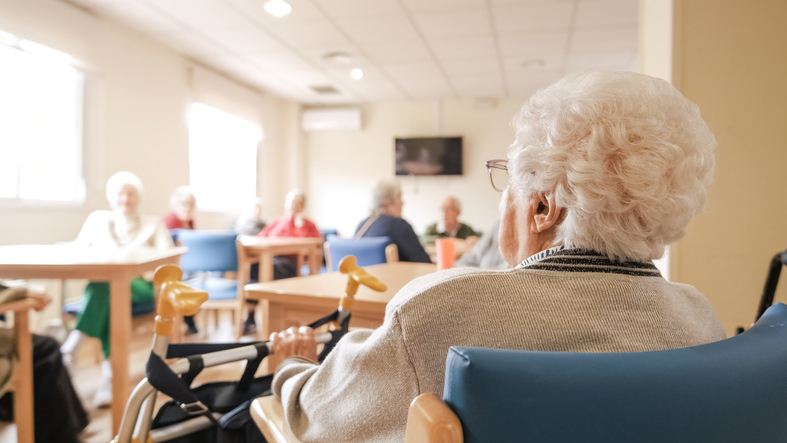
Profound Decline After Long-Term Care Admission: Outcomes Some Deem ‘Worse Than Death’

New research from the Bruyère Research Institute and ICES reveals that a significant number of individuals admitted to long-term care (LTC) facilities in Ontario experience severe and lasting cognitive and physical decline. Among the 120,238 adults aged 65 and older who entered LTC between 2013 and 2018, 20% became permanently unable to make everyday decisions for themselves within five years. These individuals lost the ability to choose what to eat or wear, and could no longer communicate with staff or loved ones. For half of this group, this state of profound impairment lasted more than 262 days, representing a lengthy and distressing period of life with severely diminished autonomy.

The study, which followed participants until death, discharge from LTC, or April 2023, aimed to document the trajectory of residents’ experiences in the years following admission. Lead author Ramtin Hakimjavadi, an Internal Medicine Resident at the University of Ottawa, noted that the research sought to highlight the realities faced by those who live for extended periods in states of extreme disability. He emphasised the importance of rethinking end-of-life care, stating, “We should be talking more about what a meaningful, high-quality end of life looks like, given most older adults at this stage prioritise quality of life.”

Beyond the 20% who lost decision-making capacity, the study also found that 13% of residents became entirely dependent for all aspects of care, requiring help with bathing, toileting, feeding, and other fundamental tasks. Half of these individuals lived more than 45 days in this state of complete dependence. Interestingly, the data showed that residents under 80 and those with dementia tended to live longer after reaching such levels of impairment. This suggests that specific populations may endure prolonged periods in these severely disabled conditions, raising further questions about the goals and limits of life-prolonging care.

Advance care directives emerged as a key factor influencing outcomes. Residents who had Do-Not-Resuscitate (DNR) or Do-Not-Hospitalise (DNH) orders generally lived shorter periods following the onset of severe impairment, compared to those without such instructions. This finding may reflect the role of advance directives in guiding care that aligns more closely with residents’ values and wishes, potentially avoiding invasive interventions that might extend life but not improve its quality. In this cohort, 65% of residents had DNR orders, and 25% had DNH orders, suggesting that such planning is familiar but still not universal.

The emotional and psychological toll of these conditions cannot be overlooked. According to Hakimjavadi, residents have expressed that losing independence can be more distressing than the prospect of death itself. When conversations about future disability and care preferences are absent, families and providers may default to continuing all available treatments, even when they may no longer offer comfort or dignity. Without proactive discussions, the healthcare system risks delivering care that is neither evidence-based nor centred on the person’s values.

Dr Daniel Kobewka, senior author and investigator at Bruyère, concluded that early and open conversations between residents, families, and care teams are essential. “Planning ahead can help ensure that future care aligns with personal values, including the choice to prioritise comfort and dignity over life-prolonging interventions,” he said. The study serves as a compelling call to action: that care in long-term facilities must extend beyond physical survival and embrace a deeper understanding of what it means to live well, even in the final chapters of life.

More information: Ramtin Hakimjavadi et al, Cognitive and Functional Decline Among Long-Term Care Residents, JAMA Network Open. DOI: 10.1001/jamanetworkopen.2025.5635

Journal information: JAMA Network Open Provided by Institute for Clinical Evaluative Sciences

Exploring Telehealth as a Supportive Tool for Women Coping with Incontinence

Women experiencing urinary incontinence after childbirth may benefit just as much from telehealth services as from in-person physical therapy, according to a new study from the University of California, San Francisco (UCSF). This marks the first study to compare virtual pelvic floor therapy with conventional face-to-face treatment directly. Remote care could become a valuable tool in addressing a condition that affects millions of women worldwide, particularly those navigating the demands of early motherhood.

The study, published in the April 2025 issue of the Journal of Women’s and Pelvic Physical Therapy, offers encouraging news for women suffering from stress urinary incontinence—a common yet often overlooked postpartum issue. This condition, characterised by the involuntary leakage of urine during physical activity, frequently begins after vaginal delivery. While many cases resolve with time and targeted therapy, others may persist or worsen, particularly if left untreated. Traditional physical therapy has proven effective, but many new mothers face barriers that make attending appointments difficult.

“Telehealth presents a promising alternative for postpartum women who may struggle with childcare, work schedules, or transportation,” said Dr Jennifer Kinder, PT, DPTSc, an associate professor in UCSF’s Department of Physical Therapy and Rehabilitation Science. “Our study provides preliminary but meaningful evidence that virtual care can be just as effective as in-person sessions for treating stress urinary incontinence. It’s a step towards expanding access to quality care for a population that often goes underserved.”

The research team conducted a randomised trial involving 30 women who were, on average, 1.5 years postpartum. With a median age of 37 and most having given birth to two children, the participants were otherwise healthy. Half were assigned to telehealth sessions, while the others received traditional in-person therapy. All participants tracked their symptoms over four weeks, with follow-up assessments conducted at five weeks and one year after the study concluded. The results showed that both groups experienced significant and lasting symptom improvements.

Notably, the improvements were comparable across both groups, indicating that the delivery method—virtual or in-person—did not affect the overall outcome. One year after the study, participants in both groups continued to report sustained benefits. These results challenge the assumption that in-person contact is essential for effective pelvic floor therapy, opening the door to more flexible and scalable models of care that could reach women regardless of their geographical or social constraints.

Looking ahead, the study highlights a growing need for innovative care solutions. With an estimated 43 million women projected to experience pelvic floor dysfunction over the next 20 years, the demand for effective and accessible treatment will only increase. Telehealth has the potential not only to relieve symptoms but also to reduce health disparities by reaching women who might otherwise forgo treatment. As the healthcare landscape evolves, this research adds momentum to the case for digital solutions in postpartum care—delivering support when and where it is most needed.

More information: Jennifer Kinder et al, Feasibility and Acceptability of a Protocol-Based Telehealth Treatment for Stress Urinary Incontinence in Postpartum Women: A Pilot Randomized Trial, Journal of Women s & Pelvic Health Physical Therapy. DOI: 10.1097/JWH.0000000000000329

Journal information: Journal of Women s & Pelvic Health Physical Therapy Provided by University of California – San Francisco

New Research Offers Hope for Enhancing Speech Recovery Following Stroke

Lucy Mulloor’s life was turned upside down in an instant. One morning, the 45-year-old single mother awoke with the terrifying realisation that something was wrong. Though she could hear her two daughters in the kitchen, she couldn’t call out to them. Her voice was gone, and she couldn’t move the right side of her body. Desperate to alert them, she edged herself off the bed and onto the floor, hoping the sound would draw their attention. Her eldest daughter called 911, and soon after, Mulloor learned she had suffered a massive stroke during the night. She would spend the next five months in hospital recovering from the devastating event.

The diagnosis came as a complete shock to Mulloor. “Hearing I’d had a stroke was a complete surprise,” she recalls. “At the time, I was hiking regularly and doing yoga and Zumba. My blood pressure and blood sugar levels were in the healthy range.” The stroke left her with aphasia, a condition that affects a person’s ability to speak, write, and understand language. Aphasia can be isolating and frustrating, as it robs individuals of the ability to express themselves and engage fully in conversation. The condition was particularly distressing for Mulloor, whose speech was essential to her identity and daily life.

Mulloor enrolled in a research study at the University of Calgary led by Dr. Sean Dukelow, MD, PhD, to regain her communication abilities. The study explored whether transcranial magnetic stimulation (TMS)—a non-invasive technique that uses magnetic fields to stimulate nerve cells in the brain—could support recovery from post-stroke aphasia when combined with intensive speech therapy. “We are very excited by the promising results of this non-invasive therapy,” said Dukelow, a professor at the Cumming School of Medicine and principal investigator on the study. “We specifically recruited participants who were at least six months post-stroke, because there is so little data on long-term recovery. Our findings show that the brain can still heal and adapt—even years later.”

The study included 44 participants in a double-blind, sham-controlled, randomised trial. Everyone received two weeks of intensive speech therapy, but only one group received active TMS; the other group underwent a placebo. Neither the participants nor the clinicians knew which group anyone belonged to. The therapy sessions consisted of more than three hours a day of repetitive language exercises grounded in multimodality aphasia therapy (M-MAT), which included reading, writing, drawing, and speaking. Shannan Love, R.SLP, was the lead speech-language pathologist involved in the study. “We saw remarkable functional gains in many of the participants,” she said. “Although I didn’t know who was receiving real stimulation, there were times I could guess based on the improvements.”

Love also noted that participants reported changes beyond the study’s measure. Alongside speech improvements, individuals shared that their confidence had grown, their moods had lifted, and some even noticed new movements in their hands or arms. These unexpected effects speak to the broader potential of combining TMS with focused therapy. The study’s first author, Trevor Low—an MD/PhD candidate in the Leaders in Medicine programme—expressed particular excitement over the fact that all participants, even those who received the sham treatment, experienced some level of speech improvement. “The gains were modest in the sham group, but in the TMS group, they were significant,” he said. “It’s remarkable to see that the brain retains the ability to rewire and adapt so long after injury.”

Mulloor, who joined the study three years after her stroke, has since noticed substantial progress in her ability to retrieve words and speak fluently and confidently. After the study concluded, researchers confirmed that she had received the real TMS treatment. Her participation not only improved her speech but also offered her renewed hope. “I feel like I’ve got a piece of myself back,” she shared. Her story and the study’s findings reinforce the message that stroke recovery has no expiry date. With the proper support, therapy, and innovative tools like TMS, regaining lost abilities may be possible even years after a stroke.

More information: Sean Dukelow et al, Transcranial Magnetic Stimulation Combined With Multimodality Aphasia Therapy for Chronic Poststroke Aphasia, Neurology. DOI: 10.1212/WNL.0000000000213424

Journal information: Neurology Provided by University of Calgary

Bluetooth Technology Offers New Pathways to Independent Living for Older Adults

A newly developed Bluetooth-based indoor positioning system may provide healthcare providers with a low-cost, energy-efficient method to monitor the mobility of older adults, according to recent findings published in the open-access journal PLOS Digital Health. The study by Qiyin Fang of McMaster University in Canada outlines how this system could support ageing populations in residential and long-term care environments.

While the Global Positioning System (GPS) remains the standard for location tracking, its limitations become evident indoors, where satellite communication is unreliable. Yet, having accurate information about an individual’s whereabouts is essential for a range of healthcare applications, particularly those involving real-time monitoring of older individuals in their daily environments. This is especially true in settings where autonomy and safety must be carefully balanced.

In response to this need, the research team developed and validated a Bluetooth Low Energy (BLE) Indoor Positioning System (IPS) designed to provide continuous location tracking of users throughout the day. The system employs compact wireless beacons inserted into standard wall sockets and pairs them with wearable Bluetooth tags. Notably, the system is easy to install without professional assistance or detailed architectural plans. It can be set up for approximately $200 using five beacons—making it an accessible solution for many households.

To evaluate the system’s effectiveness, researchers tested it in two suburban homes. When BLE signals were integrated with motion sensor data, the IPS achieved a location accuracy rate of 96%. These results indicate the system could reliably monitor individuals’ movements in indoor environments. Furthermore, the researchers noted that the technology holds promise for tracking human movement and locating medical equipment in fast-paced settings such as hospitals, where real-time awareness is critical.

The authors highlighted the broader implications of their findings, suggesting that such systems could significantly enhance context-aware healthcare delivery. Real-time mobility data can improve patient safety and support caregivers in making timely and informed decisions, improving the overall quality of care. The authors also emphasised the potential for further research into how such systems could integrate into broader smart home technologies or healthcare infrastructure.

Ultimately, the McMaster team has developed an indoor tracking system tailored to the unique needs of older adults living at home. By prioritising low implementation costs and ease of use, the system offers a practical, scalable solution to facilitate independent living while ensuring vital oversight for those most vulnerable. As the global population ages, such innovations will likely play a central role in reshaping how we support eldercare within private residences and institutional settings.

More information: Haixin Wang et al, A BLE based turnkey indoor positioning system for mobility assessment in aging-in-place settings, PLOS Digital Health. DOI: 10.1371/journal.pdig.0000774

Journal information: PLOS Digital Health Provided by PLOS

Why Sleep Counts: How Duration, Timing, and Quality May Influence Heart Disease Risk

Healthy sleep is increasingly recognised as a critical factor in cardiometabolic health. A new scientific statement from the American Heart Association, published in Circulation: Cardiovascular Quality and Outcomes, underscores that sleep health is multidimensional. It encompasses more than just duration—it includes how long it takes to fall asleep, how refreshed one feels during the day, and overall satisfaction with sleep. Addressing these components holistically may help reduce the risk of heart disease, Type 2 diabetes, obesity, and related conditions.

The statement “Multidimensional Sleep Health: Definitions and Implications for Cardiometabolic Health,” outlines several key dimensions of sleep: duration, continuity, timing, satisfaction, regularity, and daytime functioning. Evidence indicates that suboptimal sleep—whether it is too short or too long—can increase the risk of high blood pressure, stroke, atrial fibrillation, and other cardiovascular problems. While most adults require 7 to 9 hours of sleep, the quality and consistency of that sleep are equally important in promoting long-term health.

Sleep continuity, or the ability to sleep without frequent interruptions, is critical. Sleep fragmentation, caused by factors such as insomnia or sleep apnoea, has been linked to increased risks of heart attacks, insulin resistance, and elevated blood pressure. Sleep timing also matters; individuals who routinely sleep after midnight are more likely to experience metabolic dysfunctions and weight gain than those who go to bed earlier. Yet research on optimal sleep timing remains relatively limited.

Other essential factors include sleep satisfaction and regularity. People who are dissatisfied with their sleep often face higher risks of stiff arteries, hypertension, and coronary heart disease. Irregular sleep schedules—such as varying sleep hours between workdays and weekends—can lead to “social jetlag” and are associated with obesity, diabetes, and inflammation. Studies show that consistent sleep patterns can significantly lower the risk of cardiovascular mortality.

Daytime functioning—how alert or sleepy a person feels—is another telling marker of sleep health. Excessive daytime sleepiness is associated with higher risks of stroke and heart disease and is often tied to obesity, depression, or sleep disorders. Sleep architecture, or the natural cycling through light and deep sleep stages, is also relevant. Deep (slow-wave) sleep disruption can impair glucose metabolism and increase insulin resistance, with lasting consequences for overall metabolic health.

The statement also highlights disparities in sleep health, particularly among racially and socioeconomically marginalised groups. Environmental factors like noise, light, neighbourhood safety, and structural inequities play significant roles. Addressing these differences is vital to promoting equitable health outcomes. The authors call for more research and improved clinical practice, encouraging healthcare providers to ask patients about their sleep habits and to document sleep-related concerns. As the science evolves, a more comprehensive approach to sleep could prove transformative in preventing cardiometabolic disease.

More information: Marie-Pierre St-Onge et al, Multidimensional Sleep Health: Definitions and Implications for Cardiometabolic Health: A Scientific Statement From the American Heart Association, Circulation Cardiovascular Quality and Outcomes. DOI: 10.1161/HCQ.0000000000000139

Journal information: Circulation Cardiovascular Quality and Outcomes Provided by American Heart Association

Cerebral Haemorrhages Linked to Higher Dementia Risk

Researchers at Weill Cornell Medicine have discovered that intracranial haemorrhages—commonly referred to as “brain bleeds” resulting from ruptured blood vessels within the brain—can double an individual’s likelihood of developing dementia later in life. While prior studies have predominantly focused on the relationship between dementia and ischaemic strokes, which are caused by blood clots obstructing cerebral blood flow, this new research broadens the understanding by highlighting similar risks associated with haemorrhagic events.

Published on 30 January in the journal Stroke, the study underscores the importance of considering all forms of stroke in discussions about cognitive decline. “We consistently observe a heightened risk of dementia, irrespective of the type of haemorrhage,” stated Dr Samuel Bruce, the study’s lead author and assistant professor of neurology at Weill Cornell Medicine, as well as a practising neurologist at NewYork-Presbyterian/Weill Cornell Medical Center. He emphasised that individuals who have suffered from intracranial haemorrhages should undergo regular screening for cognitive impairment, as such evaluations could play a vital role in shaping future clinical care and support for both patients and their families.

The researchers conducted a comprehensive analysis using Medicare insurance claims data from 2008 to 2018. The cohort included nearly 15,000 individuals who had experienced spontaneous intracranial haemorrhages—excluding those caused by traumatic injury—where bleeding occurred within brain tissue or beneath the skull. When compared with a control group of over two million individuals with no history of brain haemorrhage, the affected patients exhibited a two-fold increase in the likelihood of being diagnosed with dementia for the first time within an average of 5.6 years following the haemorrhagic event.

These findings add to a growing body of international research linking brain haemorrhages to subsequent cognitive decline. For instance, a study utilising Danish medical records reported that approximately 11.5% of individuals who experienced intracranial haemorrhages went on to develop dementia, a rate approximately 2.5 times higher than that of the general population. By comparison, ischaemic strokes were associated with a more modest, though still significant, 1.7-fold increase in dementia risk.

The reasons behind the apparent connection between haemorrhagic stroke and dementia are still being investigated. According to senior author Dr Santosh Murthy, associate professor of neuroscience at the Feil Family Brain & Mind Research Institute and neurology at Weill Cornell Medicine, there are several possible mechanisms. One hypothesis suggests that brain haemorrhages may directly contribute to dementia by accelerating the build-up of amyloid beta, a protein implicated in Alzheimer’s disease, within brain tissue and vasculature. Alternatively, the relationship may be indirect, with both haemorrhages and dementia arising from shared risk factors such as chronic vascular damage or age-related neurodegeneration.

Dr Murthy stressed the broader implications of these findings for both clinical practice and future research. “As evidence continues to accumulate showing a link between brain bleeds and dementia, we must consider how this affects treatment approaches,” he noted. In particular, he highlighted the importance of re-evaluating the safety and efficacy of anti-amyloid beta therapies—used in treating Alzheimer’s disease—in patients with a history of haemorrhage. Such considerations, he argued, should be elevated to a research priority.

In conclusion, the study raises important questions about the long-term impact of intracranial haemorrhages on brain health. As medical advances improve survival rates following such events, there is an urgent need for further investigations into how haemorrhages might contribute to different forms and stages of dementia. These insights could inform individual treatment strategies and broader public health initiatives to mitigate the burden of cognitive decline in ageing populations.

More information: Samuel Bruce et al, Nontraumatic Intracranial Hemorrhage and Risk of Incident Dementia in US Medicare Beneficiaries, Stroke. DOI: 10.1161/STROKEAHA.124.050359

Journal information: Stroke Provided by Weill Cornell Medicine

Loneliness Tied to Unhealthy Eating Habits Among Older Women

A recent study from the University of British Columbia (UBC) reveals that persistent social isolation in older Canadian women is significantly associated with poorer dietary habits—particularly a reduced intake of fruits and vegetables, which ultimately compromises overall diet quality. Drawing from data collected through the Canadian Longitudinal Study on Aging (CLSA), researchers followed the social and dietary patterns of 30,097 adults over six years to assess how sustained or shifting degrees of isolation affected their eating behaviours.

Dr Annalijn Conklin, the study’s senior author and associate professor in UBC’s faculty of pharmaceutical sciences, emphasised the unique approach taken in this research. “We know that social isolation reduces life expectancy, but most studies tend to measure it at just one point in time,” she explained. “We wanted to understand the longer-term effects of being socially disconnected or, conversely, becoming more connected, on health-related behaviours like diet.” By tracking participants across several years, the team was able to identify more nuanced patterns between social engagement and nutritional intake.

The findings in Nutrients underscore the importance of varied and consistent social interaction. The study examined the types of activities in which participants engaged—such as visiting with friends, volunteering, attending club meetings, participating in educational events, or playing sports—and found that women who regularly participated in a range of these activities were more likely to maintain healthier diets. In contrast, those whose social involvement dwindled or who never established such connections initially tended to see a decline in diet quality over time.

Dr. Conklin elaborated on why the diversity of social activities matters. “Different activities provide distinct forms of cognitive, emotional, or physical stimulation, all of which can contribute to healthier eating routines,” she noted. “It’s not just about being active or filling time; it’s about sustaining meaningful connections in different areas of life.” These findings support that social richness—not just social contact—is vital in reinforcing healthy habits as people age.

However, the study also offered a cautionary insight: social activity initiated after a period of isolation did not necessarily reverse the decline in diet quality. Women who became socially active after experiencing isolation were still more likely to exhibit reduced diet quality by the end of the six years. This suggests that the type and context of social interaction are critical. “Some settings—like poker or bridge—might actually encourage behaviours such as frequent snacking or alcohol consumption,” Dr. Conklin said. “So even though someone becomes more socially involved, it doesn’t always translate into healthier habits.”

This research adds a critical dimension to a growing body of work by the Conklin Lab that examines the intersection of social ties, gender, and health. Previous studies from the lab have addressed issues such as the role of social diversity in health outcomes among older Canadians and the lack of robust gender-based research in understanding conditions like hypertension. In this new study, the spotlight is placed on how the variety and consistency of social engagement can influence long-term dietary practices, especially for older women who often juggle multiple roles throughout their lives—as caregivers, spouses, and community anchors. When these social bonds weaken or disappear, the ripple effects on physical health, including diet, become evident.

As Canada’s population ages, Dr. Conklin stresses the need for more tailored and evidence-based approaches to health promotion. “We hope these findings will inform policies around social prescribing and care planning for older adults,” she said. “Telling someone to simply ‘get out and socialise’ is not enough. We need to offer meaningful guidance about which types of activities support healthier lifestyles, and ensure that these recommendations are sensitive to gender and individual contexts.” The implications of this work reach beyond individual choices and speak to the broader societal infrastructure needed to support well-being in later life.

More information: Annalijn Conklin et al, Gender, Adverse Changes in Social Engagement and Risk of Unhealthy Eating: A Prospective Cohort Study of the Canadian Longitudinal Study on Aging (2011–2021), Nutrients. DOI: 10.3390/nu17061005

Journal information: Nutrients Provided by University of British Columbia