Monthly Archives: July 2025

Modest Increases in Walking Pace Linked to Significant Improvements in Endurance and Aerobic Fitness Among Older Adults

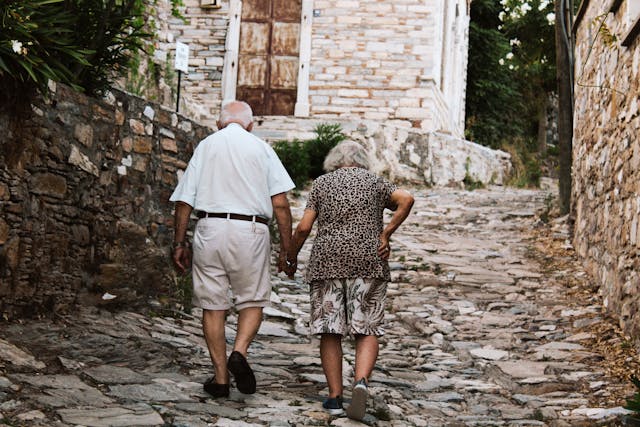
Frailty is a common condition in older adults that makes them more vulnerable to stress and increases the risk of problems like falling, becoming disabled, needing to go to the hospital, or even dying. It is usually described using five signs: losing weight without trying, moving more slowly, feeling weak, feeling tired all the time, and not being very physically active. Since most of these signs are linked to how active someone is, exercise is seen as a natural way to help older adults with frailty improve their mobility and overall well-being in daily life.

Walking is beneficial for older adults with frailty. It directly tackles three of the five main signs of frailty—slowness, low activity levels, and tiredness. Walking also supports the heart, lungs, blood circulation, and immune system. It can lower the risk of several health problems such as heart disease, stroke, memory loss, dementia, and sleep issues. For frail older adults, even simple daily activities like getting dressed or cooking can feel exhausting because their fitness levels are so low. Experts believe a certain level of fitness is needed to do these tasks comfortably, but many frail people don’t meet that level. Walking regularly can improve fitness and may even help reduce frailty. It’s also a practical form of exercise—it’s free, doesn’t need special equipment, and can be done in many places, making it suitable for older people with different abilities.

When planning any exercise, it’s helpful to think about how often it’s done, how long it lasts, and how hard it is. These three parts make up what’s called the “exercise dose.” Studies have shown that doing more or more strenuous exercise usually leads to better physical function. It’s easy to measure how often and how long someone exercises, but determining the intensity of the exercise can be tricky. Common ways to judge this, like checking your heart rate or asking how hard the exercise feels, aren’t always reliable for older adults. Some older people take medications that affect their heart rate, and many find it hard to tell how intense an activity is.

That’s where walking speed—or more specifically, walking cadence—comes in. Cadence means how many steps someone takes in a minute. It has become a popular way to measure how hard someone is working during a walk because it’s easy to track with devices like step counters or smartphones. Higher cadence usually means higher effort. Some studies suggest that older adults who walk at a quicker pace tend to maintain their mobility well as they age. However, most studies haven’t looked at how cadence changes during walking programmes for frail or almost frail older adults. It’s also not clear whether these adults can speed up their pace when asked to, or whether doing so helps improve their physical ability.

To better understand this, researchers looked back at information from a study that compared two walking programmes for older adults—one with higher-intensity walking and one with lower intensity. They wanted to see if the older adults in the study could increase their walking pace over time, and whether doing so helped them improve their mobility and function. Participants wore devices that tracked their steps during walks over four months. The first goal was to see if people in the higher-intensity group walked faster than those in the lower-intensity group. The researchers believed they would. The second goal was to find out if individuals who walked faster over time—regardless of their group—were more likely to see improvements in their physical ability.

This research helps show whether tracking walking pace is a valuable and straightforward way to guide exercise in older adults with frailty. If walking faster leads to better results, then this could be a practical tool for doctors, therapists, and caregivers. It could also help older adults safely improve their fitness and continue to do everyday activities on their own for longer. In the future, walking pace might be used as a guide to make sure walking routines are challenging enough to bring tangible benefits, without the need for complicated equipment or tests.

More information: Daniel S. Rubin et al, Walking cadence as a measure of activity intensity and impact on functional capacity for prefrail and frail older adults, PLOS One. DOI: 10.1007/s00394-023-03123-x

Journal information: PLOS One Provided by PLOS

Research reveals strong social infrastructure fosters healthier, more resilient communities

Despite the vast sums of money the United States invests in health care annually, the nation’s health outcomes have been steadily deteriorating. While public health scholars have long recognised that social determinants—such as where one lives, works, and goes to school—play a crucial role in shaping individual and community health, new research from the University of Kansas adds a compelling dimension to this understanding. The study finds that robust social infrastructure is closely linked to healthier populations, suggesting that how communities are socially organised may be just as critical to public well-being as clinical care.

The research draws upon a social determinants of health framework and introduces a multidimensional measure of social infrastructure, encompassing social, human, and cultural capital. Researchers found a consistent pattern: counties with stronger levels of these forms of capital also had markedly better health outcomes. Social capital was defined through indicators such as civic organisation density, human capital through education levels, and cultural capital through the presence and concentration of arts institutions. These elements, taken together, constitute what the authors term “social infrastructure”—the collective social resources that underpin community resilience and vitality.

Professor Dorothy Daley of the School of Public Affairs & Administration and the Environmental Studies Program at the University of Kansas, one of the co-authors of the study, explained that people often mistakenly equate health with access to health care alone. “That is actually just one small part of how healthy a person is,” Daley noted. “Where you live, where you work, where you go to school all shape your health, and we’re finding cultural capital can as well.” In this context, cultural capital refers to the presence of institutions and opportunities that promote artistic and creative engagement, which in turn facilitate social cohesion and individual well-being.

The study’s methodology involved compiling and analysing data from various public datasets. Health outcome metrics were sourced from the County Health Rankings and Roadmap project. At the same time, indicators of social, human, and cultural capital were aggregated to construct a composite index of social infrastructure. Lead author Alisa Moldavanova, now an associate professor at the University of Delaware, explained that although previous studies have linked arts participation with individual health benefits, this research expands the scope by investigating how community-level investments in social infrastructure affect population health more broadly. The study thus offers empirical evidence to support the notion that health policy should move beyond hospitals and clinics to encompass cultural and social assets.

Perhaps most strikingly, the research found that as levels of social, human, and cultural capital increased, the percentage of people reporting fair or poor health declined significantly. These types of capital are the product of sustained public and private investment over generations. As such, the authors argue that improving health outcomes requires a long-term commitment to nurturing these elements within communities. Public health, they contend, cannot be disentangled from the social and cultural fabric of daily life. This insight calls for a more integrated policy approach that includes the support of arts, education, and civic life as part of a broader strategy for health promotion.

In their article, published in The American Review of Public Administration, Moldavanova, Daley, and co-author John Pierce emphasise the policy implications of their findings. They argue that while physical infrastructure—such as roads, utilities, and health care facilities—remains essential, social infrastructure must be given equal priority. Especially in an era of constrained public budgets, policymakers should be cautious not to overlook the long-term benefits of investing in social and cultural institutions. “We should be mindful as policymakers of supporting cultural infrastructure,” said Moldavanova. “Even in communities without top-notch hospitals, the connection has positive effects. We shouldn’t be only looking at hospitals and physicians when thinking about health outcomes.” The study thus offers a timely reminder that building healthier communities requires not only medical resources but also the cultivation of environments where social and cultural life can flourish.

More information: Alisa Moldavanova et al, What Does it Take to Have a Healthy Community? Exploring the Role of Social Infrastructure in Shaping Public Health, The American Review of Public Administration. DOI: 10.1177/02750740251346805

Journal information: The American Review of Public Administration Provided by University of Kansas

How Childhood Trauma Impacts Health Across a Lifetime

New research from the University of Georgia reveals that adverse childhood experiences and unsafe environments can set off a domino effect of mental and physical health issues that persist well into adulthood. The findings underscore how deeply early life conditions—ranging from family dynamics to community safety—can shape long-term health outcomes. The study highlights explicitly that negative experiences during adolescence can significantly impact the lives of Black men and women, who are often exposed to a unique combination of social stressors, including racial discrimination.

Led by researchers at UGA’s Center for Family Research, the study draws on decades of data from the Family and Community Health Study, a longitudinal project that began in 1996. This ambitious effort has tracked more than 800 families, each with a child in the fifth grade at the time of the study’s inception. Participants were interviewed every two to three years, providing a rich dataset on how early life conditions evolve and influence future behaviours and health outcomes. Co-author Sierra Carter, now associate director of the centre, emphasised how childhood experiences, from the parenting style to environmental dangers, can have profound and lasting repercussions.

The research found that by age 10, children already showed awareness of their surroundings, particularly when those environments were marked by danger or instability. These early perceptions were not merely psychological. Unsafe community settings provoked biological stress responses, notably inflammatory reactions in the central nervous system. These physiological stress indicators were linked to behavioural changes, forming a bridge between early adversity and later life challenges.

As these children transitioned into young adulthood, the accumulated stress—both mental and physical—manifested in increased substance use. Many turned to alcohol as a coping mechanism, attempting to self-medicate unresolved trauma from their earlier years. According to Steven Beach, the study’s lead author and director of the research centre, this trend was particularly noticeable once individuals left the relatively protective setting of the family home. At that point, the latent effects of childhood stress began to surface more fully, prompting greater vulnerability to alcohol misuse.

The consequences of heavy drinking in early adulthood were not limited to behavioural concerns. The researchers found clear links between excessive alcohol consumption and deteriorating physical health, including a higher incidence of heart problems. By age 29, participants who had engaged in binge drinking exhibited signs of accelerated ageing across multiple body systems. This pattern included not only reduced life expectancy but also an earlier onset of age-related decline. Interestingly, these outcomes were especially severe for women, suggesting that the physiological toll of alcohol may be more pronounced among females exposed to early adversity.

Notably, the study highlights how racial inequities exacerbate these health trajectories. For Black participants, the impact of childhood adversity was magnified by the added burden of racism. Experiences of discrimination in childhood were found to increase the likelihood of early alcohol use, which in turn contributed to more serious substance abuse and subsequent health complications later in life. This vicious cycle of disadvantage highlights the intersection of social, environmental, and biological stressors uniquely faced by marginalised groups.

Sierra Carter emphasised that these findings are not simply academic; they have real-world implications for how society should respond to childhood trauma. “When young people are exposed to racism, dangerous environments, and inadequate support, it increases their risk for lifelong health problems,” she said. “These are not isolated issues but part of a larger system of disadvantage that needs targeted intervention.” For Black men and women, especially, these risks accumulate over time, leading to chronic illness and premature ageing at rates disproportionate to the general population.

Steven Beach concluded by stressing the broader significance of these findings. “This research shows that childhood doesn’t just end when you become an adult,” he said. “The effects linger, sometimes emerging years later in the form of disease, addiction, or emotional distress. If we can invest in safer communities and more supportive environments for children, we stand to gain not only immediate improvements in wellbeing but also healthier, more resilient adults.” This study strongly advocates for early intervention and long-term community investment as essential strategies for breaking cycles of trauma and promoting equitable health outcomes.

More information: Steven Beach et al, Childhood exposure to danger increases Black youths’ alcohol consumption, accelerated aging, and cardiac risk as young adults: A test of the incubation hypothesis, Development and Psychopathology. DOI: 10.1017/S0954579425000264

Journal information: Development and Psychopathology Provided by University of Georgia

New Research Links Chronic Pain to Micronutrient Deficiencies

A newly published study from the University of Arizona Health Sciences has uncovered a significant connection between micronutrient deficiencies and chronic pain. Appearing in Pain Practice, the research represents a pioneering application of precision medicine on a large scale. By examining the levels of key vitamins and minerals in people with and without chronic pain, the investigators have provided novel insights into how nutrition may influence chronic pain. The study also examined the frequency of pain experienced by individuals with deficiencies, suggesting that micronutrient assessments could inform more personalised pain management strategies in the future.

Senior author Dr Julie Pilitsis, chair of the Department of Neurosurgery at the U of A College of Medicine – Tucson and a member of the Comprehensive Center for Pain & Addiction, underscored the study’s relevance to clinical practice. “I treat chronic pain patients, and oftentimes we don’t come up with a diagnosis,” she said. “But just because there isn’t a surgery that will help you doesn’t mean you’re not in pain. It just means our understanding of pain is limited to date.” Dr Pilitsis emphasised the value of a holistic approach, noting that simple, systemic interventions – such as dietary adjustments – could be more beneficial and less invasive than medications or surgery.

The researchers focused on five micronutrients known to influence pain perception and inflammation: vitamins D, B12, and C, folate, and magnesium. The study population was divided into three groups based on self-reported pain status: individuals with no pain, those experiencing mild-to-moderate chronic pain, and those with severe chronic pain. By comparing their blood nutrient levels, the study aimed to identify trends that could illuminate the role of micronutrients in chronic pain disorders.

Notably, the findings showed a consistent association between severe deficiencies of vitamin D, B12, folate and magnesium and the presence of severe chronic pain. Individuals with chronic pain were significantly more likely to exhibit low or deficient levels of these micronutrients compared to those without pain. Insufficient levels of these nutrients may not only coincide with pain but could also exacerbate or contribute to its severity. This offers compelling evidence for considering nutritional profiles in pain assessment and treatment planning.

However, some of the results defied expectations. Co-author Dr Deborah Morris, a research lab manager in the Department of Neurosurgery, highlighted a surprising demographic pattern: “Asian females with severe chronic pain had the highest vitamin B12 levels overall. We were expecting it to be lower,” she explained. This contrasted with other racial, ethnic, and gender groups, where B12 deficiency was more common. Meanwhile, vitamin C presented a different picture, particularly among men. Males with mild-to-severe chronic pain were found to be more likely to have low or borderline-low vitamin C levels, suggesting a gender-specific vulnerability worth exploring in future studies.

The study leveraged data from the National Institutes of Health’s All of Us Research Database, which benefits from extensive participant enrolment through the University of Arizona-Banner Health programme. Dr Pilitsis stressed the importance of using such large and demographically varied datasets to avoid overgeneralisation in clinical settings. “Findings from complex demographic studies like this one show that we can’t just make assumptions for every patient that walks into the office,” she noted. Dr Morris added that by identifying trends across diverse populations, the research could pave the way for non-opioid, nutrition-based interventions. “Our goal is to improve the quality of life for people with chronic pain and reduce opioid usage,” she said. “These findings have the potential to do that as part of a holistic approach to pain management.”

More information: Julie Pilitsis et al, Micronutrients and Chronic Pain: A Cross-Sectional Analysis, Pain Practice. DOI: 10.1111/papr.70053

Journal information: Pain Practice Provided by University of Arizona Health Sciences

Inflammation Greatly Increases Depression Risk in Older Adults Suffering from Insomnia

Chronic inflammation, long recognised for its role in severe physical conditions like heart disease and cancer, may also significantly worsen the psychological consequences of poor sleep. A recent study conducted by UCLA Health reveals that older adults who have insomnia and are also exposed to inflammatory responses are three times more likely to develop symptoms of depression compared to those who sleep well. This finding highlights the interconnection between physical and mental health, particularly in ageing populations where sleep disturbances and inflammation are becoming increasingly common.

Published in JAMA Psychiatry, the UCLA study is the first of its kind to explore the biological mechanism linking inflammation, insomnia, and depression in older adults. As we age, our bodies become more susceptible to chronic inflammation due to a decline in cellular function and immune resilience. This inflammatory vulnerability is often worsened by factors such as chronic illness, pain, psychosocial stress, and unhealthy lifestyle habits. Simultaneously, major depression affects over 10% of Americans aged 60 and older each year, posing profound implications for cognitive function, physical ability, and overall life expectancy.

Although previous research has independently linked both insomnia and inflammation to heightened depression risk, no study until now has directly investigated whether older adults with insomnia are more emotionally susceptible to inflammation-induced mood changes. The UCLA research, led by psychiatrist Dr. Michael Irwin, sought to fill this gap by investigating whether insomnia acts as a sensitising factor that amplifies depressive symptoms in response to increased inflammation.

In a rigorously designed randomised controlled trial, the study enrolled 160 individuals aged 60 and above from Los Angeles. Among these, 53 participants were diagnosed with insomnia, while 107 were categorised as healthy sleepers. Participants were then randomly assigned to either receive an inflammatory stimulus or a placebo. Following this exposure, the researchers assessed changes in mood using the depression subscale of the Profiles of Mood States questionnaire and analysed blood samples to measure inflammatory cytokine levels and depressive symptom severity.

Results showed that the inflammatory challenge effectively increased both inflammation markers and depressive symptoms across the board. However, older adults with insomnia experienced a much more pronounced response: they exhibited a threefold increase in depressive mood compared to healthy sleepers. Moreover, these depressive symptoms persisted for six hours or more in the insomnia group, in contrast to the fleeting emotional responses seen in those without sleep issues. This suggests that insomnia may biologically prime individuals for prolonged emotional distress when faced with physical immune stressors.

Dr. Irwin, who heads UCLA Health’s Cousins Centre for Psychoneuroimmunology and is a member of the UCLA Jonsson Comprehensive Cancer Centre, emphasised the significance of these findings. “Insomnia not only robs older adults of rest but also primes their immune system to make them uniquely vulnerable to depression when faced with inflammation,” he said. He advocates for targeted interventions that address this specific inflammation-linked pathway to depression, which could improve not only mental health outcomes but also overall quality of life in ageing populations. Future research will be necessary to determine whether these results extend to younger individuals and to evaluate their applicability across racially and ethnically diverse populations, particularly those who are disproportionately affected by insomnia and depression.

More information: Michael Irwin et al, Inflammatory Exposure and Depression in Older Adults With Insomnia, JAMA Psychiatry. DOI: 10.1001/jamapsychiatry.2025.1327

Journal information: JAMA Psychiatry Provided by University of California – Los Angeles Health Sciences

Research Reveals How Political Turmoil, Climate Stress, and Social Disparities Speed Up Ageing

A landmark international study published today in Nature Medicine redefines healthy ageing as a deeply ecological, social, and political issue, urging public health strategies to move beyond lifestyle-focused approaches. The study, which involved nearly 162,000 participants across 40 countries, found that exposure to air pollution, systemic inequality, and weakened democratic institutions significantly hasten the ageing process. Spearheaded by the Global Brain Health Institute at Trinity College Dublin, the research marks a paradigm shift in understanding the determinants of brain health and ageing.

The study introduces the concept of the global exposome—a comprehensive framework for examining how physical, social, and political environments affect health across the lifespan. Central to this analysis is a novel metric called the biobehavioural age gap (BBAG), which captures the difference between a person’s actual age and the age predicted from various indicators such as cognitive performance, functional ability, education, and cardiometabolic health. A greater gap indicates accelerated ageing, often driven by unfavourable conditions. The research demonstrates that this gap is not random but instead follows discernible patterns that reflect regional inequalities and governance quality.

Utilising advanced AI and epidemiological modelling, the multinational research team uncovered stark differences in ageing outcomes based on environmental and societal exposures. For instance, participants from regions such as Egypt and South Africa exhibited some of the highest BBAG scores, indicating faster ageing. In contrast, parts of Europe—especially those with higher national income and stronger democratic institutions—showed slower biological ageing. These disparities were linked not just to physical exposures like toxic air but also to structural inequities such as gender disparity, economic inequality, migration pressure, and political exclusion.

Dr. Agustin Ibanez, the study’s senior author, emphasised the need to shift from an individualistic view of brain health to a broader, ecological model. “Our biological age mirrors the conditions in which we live. Toxic air, social inequity, and unstable governance don’t just shape societies—they biologically shape individuals,” he stated. His call for a “neurosyndemic” framework highlights the intersecting crises that exacerbate health decline, particularly in under-resourced and politically fragile settings. This shift is especially critical as the world faces compounding crises: rising authoritarianism, environmental degradation, and widening social divides.

The study’s implications are far-reaching. The BBAG not only predicted current health status but also forecasted future declines in cognition and functionality, suggesting its utility in preventive health strategies. These measurable age gaps serve as a biological fingerprint of one’s exposome and could help tailor interventions at both national and local levels. For instance, people living in countries with restricted political freedoms, limited voting rights, and unfair elections were biologically older than their peers in more democratic settings, even when their chronological ages were the same. This demonstrates that structural governance failures are not abstract concepts but have tangible effects on public health and ageing trajectories.

Sandra Baez, co-author and Atlantic Fellow at GBHI, emphasised that “healthy ageing is not simply the outcome of good genes or healthy habits—it is profoundly shaped by the policies, inequalities, and environmental exposures around us.” In light of these findings, the authors argue for a bold, upstream shift in public health policy. Rather than focusing solely on diet, exercise, or smoking cessation, efforts to promote healthy ageing must confront structural inequalities and governance deficits head-on. This includes curbing air pollution, ensuring equitable access to education and healthcare, and strengthening democratic institutions. Only then can ageing be decelerated globally and dementia risk meaningfully reduced.

More information: Agustin Ibanez et al, The exposome of healthy and accelerated aging across 40 countries, Nature Medicine. DOI: 10.1038/s41591-025-03808-2

Journal information: Nature Medicine Provided by Trinity College Dublin

Extended humid-heat periods in eastern China pose rising health risks, particularly for vulnerable groups such as the elderly and children

When soaring temperatures coincide with high humidity, the atmosphere can become suffocating, resembling the oppressive heat of a sauna. According to Professor Miaoni Gao, a climate scientist at Nanjing University of Information Science and Technology, “It’s no longer merely hot—it’s dangerous.” Unlike dry heat, which the body can somewhat alleviate through evaporation of sweat, humid conditions significantly hinder the body’s natural cooling mechanisms. This physiological limitation increases the risk of heat-related illnesses such as heat exhaustion and heatstroke, especially among those less capable of thermoregulation, including the elderly and young children. In eastern China, the convergence of intense heat and high humidity—known as compound heat–humidity extremes or humid-heat waves—is becoming alarmingly common and severe.

Recent research published in Atmospheric and Oceanic Science Letters by Professor Gao’s team shows a troubling trend. These compound extremes are not only increasing in frequency but are also lasting longer than ever before. Using climate data spanning from 1961 to the present, the researchers found that the active season for humid-heat events has notably expanded, particularly in the Yangtze–Huaihe region and in southern China. Over the past decade, for example, South China has experienced an extension of the humid-heat season by approximately one month. This prolonged exposure amplifies health risks, particularly for vulnerable groups whose physiological resilience to extreme weather is already compromised. Such findings suggest that climate change is not only warming the planet but is also reshaping the seasonal calendar in ways that directly impact public well-being.

The key driver behind this intensification is the westward expansion of the Western North Pacific Subtropical High, a dominant atmospheric system in the region. This climatic shift enhances solar radiation and channels persistent heat and moisture into eastern China, reinforcing both the severity and duration of these heat–humidity episodes. As these changes persist, they are fundamentally altering the seasonal structure of summer across much of the country, with peak heatwaves arriving earlier, lasting longer, and affecting broader swaths of the population. The implications are far-reaching, as traditional forecasting models and public health preparedness strategies struggle to keep pace with the rapidly evolving climate dynamics.

Heatwaves, however, are not merely inconvenient weather events; they constitute serious public health emergencies. In 2023 alone, over 37,000 heat-related deaths were recorded across China, with a disproportionately high impact on seniors and children. Professor Gao’s study reveals that physiologically vulnerable groups now make up nearly 39% of the population exposed to compound heat–humidity extremes. Alarmingly, about one-third of this increased exposure stems directly from the lengthening of the humid-heat season. In southern China, where humidity levels are persistently high, the proportion of affected individuals in these vulnerable categories surges to 56%. With China’s population continuing to age—more than 200 million citizens are now aged 65 or above—this confluence of demographic fragility and intensifying climate threats presents an urgent and growing challenge.

To address this evolving crisis, the researchers urge a rethinking of how heat warnings and public health interventions are implemented. “We can no longer rely on fixed-schedule summer warnings,” emphasises co-author Xinyue Sun. “We need dynamic early-warning systems that adapt to the shifting timing of heatwave seasons, as well as targeted health measures designed specifically to protect the most vulnerable.” Without timely adaptation, the intersection of prolonged humid-heat conditions and a rapidly ageing population could catalyse a nationwide health emergency. As eastern China braces for more intense and prolonged summers, responsive and proactive strategies—grounded in robust climate science and compassionate public health policy—are essential for safeguarding the well-being of millions.

More information: Miaoni Gao et al, Prolonged seasons of compound heat–humidity extremes amplify vulnerable population exposure in eastern China, Atmospheric and Oceanic Science Letters. DOI: 10.1016/j.aosl.2025.100663

Journal information: Atmospheric and Oceanic Science Letters Provided by Institute of Atmospheric Physics, Chinese Academy of Sciences

The perfect time to learn an instrument is always now

As people live longer than ever before, maintaining cognitive health into old age has become a critical concern. While it is widely accepted that some degree of cognitive decline is a natural part of ageing, not all areas of the brain are equally affected, and not all individuals experience this decline at the same rate. Working memory—the ability to temporarily hold and manipulate information—is among the most vulnerable cognitive functions in later life. However, engaging in mentally stimulating activities has been shown to delay or even reduce the rate of cognitive deterioration. In particular, activities that challenge the brain in novel ways—such as learning to play a musical instrument—are thought to support the maintenance of memory and overall cognitive function.

Two regions of the brain that are especially prone to age-related decline are the putamen and the cerebellum. Both play vital roles not only in motor control but also in higher cognitive processes, including learning and memory. Recent advances in neuroscience have revealed that musical practice has a powerful influence on these areas. Despite these findings, most of the research has focused on young adults or individuals who began playing instruments in childhood, leaving unanswered questions about whether starting an instrument later in life can confer similar neurological benefits.

To address this, a research team at Kyoto University conducted a series of studies to investigate the potential cognitive benefits of learning a musical instrument in later life. Their initial study, conducted in 2020, involved elderly participants with an average age of 73 who were new to musical practice. After just four months of learning and playing an instrument, the participants demonstrated noticeable improvements in memory performance and increased functional activity in the putamen. Encouraged by these promising short-term results, the researchers extended their investigation to explore whether these changes would persist or even deepen over time.

In their follow-up study, the same group of participants was tracked over four years. Half of them continued to practise their instruments regularly, while the other half ceased musical activity and took up different hobbies. The researchers employed MRI imaging and cognitive tests to assess any changes, with particular attention paid to the structure and activity of the putamen and cerebellum. While there were no significant differences between the two groups immediately following the initial intervention, by the end of the four years, clear patterns had emerged. Those who had stopped practising music showed a decline in verbal working memory and a reduction in grey matter in the right putamen. In contrast, those who continued to practice showed no such deterioration.

Further analysis revealed another striking difference: the group that continued their musical practice exhibited heightened activity in both cerebellar hemispheres, suggesting a more widespread and sustained engagement of this brain region. This is particularly noteworthy because the cerebellum is often overlooked in discussions of cognitive ageing. Yet, it plays a significant role in preserving mental agility through music. “We were surprised to find that the effects on the brains of elderly people who start and continue practising an instrument were also concentrated in these two areas of the brain, and that this was an effective way to prevent age-related decline,” remarked Kaoru Sekiyama, the study’s lead author.

The implications of these findings are both practical and uplifting. Not only does this research suggest that musical training can have a protective effect on the ageing brain, but it also offers hope to those who may feel they have missed the opportunity to pursue such an activity earlier in life. For older adults who are unable to engage in physically strenuous activities due to chronic pain or mobility issues, learning an instrument provides a valuable alternative—a joyful and cognitively enriching way to stay mentally active. The study’s results support the notion that it is never too late to start making music, and that doing so may provide lasting benefits to memory and brain health well into old age.

More information: Kaoru Sekiyama et al, Never too late to start musical instrument training: Effects on working memory and subcortical preservation in healthy older adults across 4 years, Imaging Neuroscience. DOI: 10.1162/IMAG.a.48

Journal information: Imaging Neuroscience Provided by Kyoto University

Global Study Finds Longer Survival Among People Diagnosed with Dementia

Survival prospects for individuals diagnosed with dementia have improved significantly in recent years, according to a major international study led by a researcher from the University of Waterloo. Drawing on data from more than 1.2 million individuals aged 60 and older, the study offers compelling evidence of enhanced outcomes following a dementia diagnosis. It reveals that in five out of eight global regions surveyed, people diagnosed with dementia now face a lower risk of death than they did in the early 2000s. This encouraging trend suggests that recent advances in both dementia care and diagnostic practices are having a measurable impact on the longevity of individuals with dementia.

The research, conducted between 2000 and 2018, included data from Ontario, the United Kingdom, South Korea, Taiwan, Hong Kong, Finland, Germany and New Zealand. In most of these regions—particularly Ontario—researchers observed a noticeable decline in mortality rates among those with dementia. These findings reflect not only improvements in medical treatment and support systems but also a broader shift in how dementia is identified and managed within healthcare systems. With earlier diagnoses, increased public awareness, and more holistic approaches to care, individuals are now better equipped to live longer and more fulfilling lives following a diagnosis.

“Dementia is a global public health priority,” said Dr Hao Luo, assistant professor in the School of Public Health Sciences at the University of Waterloo and lead author of the study. “By examining survival trends over time and across diverse healthcare systems, we gain critical insights into the real-world impact of dementia on individuals and on public health services.” Luo emphasised that survival data plays a vital role in informing clinical decision-making, guiding families in planning care, and helping policymakers assess the scope of the disease’s burden on health and social care systems.

The study attributes the increase in survival probability to several key developments, including progress in preventive strategies, more effective pharmaceutical treatments, and tailored psychosocial interventions. Advances in person-centred care have enabled healthcare professionals to address better the complex and evolving needs of people living with dementia. As a result, not only are patients living longer, but they are also receiving care that supports their mental, emotional and physical well-being. These improvements underscore the importance of continued investment in dementia research, training, and service delivery.

One notable exception in the study’s findings was New Zealand, where an increase in mortality risk was observed between 2014 and 2018. According to Luo, this trend may be explained by a national policy shift that moved the management of uncomplicated dementia cases from specialists to primary care providers. While intended to improve system efficiency, this change may have led to delayed hospitalisation or more advanced disease presentation by the time of diagnosis, resulting in poorer outcomes. Data from Finland and Germany, meanwhile, were inconclusive, possibly due to differences in data quality, healthcare access, or population demographics.

Across the five regions where mortality risk declined—including Canada, the UK, South Korea, Taiwan, and Hong Kong—84% of the study’s participants were represented. These regions either have national dementia strategies in place or are in the process of implementing them. Luo suggests that such strategic planning may contribute to improved survival outcomes, as comprehensive dementia policies typically support early detection, continuity of care, caregiver support, and access to community-based resources.

Looking ahead, Dr Luo intends to explore the role of comorbidities in shaping survival outcomes among those with dementia. She acknowledged that the current study did not account for other chronic conditions due to the need for consistency in data processing across international datasets. However, she noted that conditions such as cardiovascular disease, diabetes, and depression are common among individuals with dementia and may significantly affect prognosis. Future research will aim to untangle these complex interactions, ultimately leading to more accurate survival estimates and more responsive care models for people living with dementia around the world.

More information: Hao Luo et al, A multinational cohort study of trends in survival following dementia diagnosis, Communications Medicine. DOI: 10.1038/s43856-025-00923-6

Journal information: Communications Medicine Provided by University of Waterloo

Groundbreaking Research Advances Pig-to-Human Kidney Transplantation

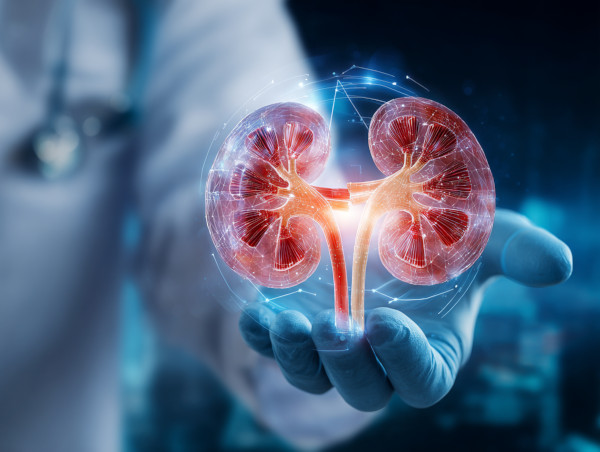
A landmark study unveiled today at the ESOT Congress 2025 marks a pivotal advancement in the quest to overcome one of xenotransplantation’s most formidable hurdles: immune rejection. Researchers have, for the first time, produced a comprehensive molecular map of the human immune system’s interaction with pig kidney tissue following transplantation, offering new hope in the race to address the global shortage of transplantable organs.

Led by Dr. Valentin Goutaudier in collaboration with the Paris Institute for Transplantation and Organ Regeneration and the NYU Langone Transplant Institute, the international research team utilised state-of-the-art spatial molecular imaging to examine the intricate dynamics between human immune cells and pig kidney structures. Their findings reveal early markers of immune rejection and identify potential therapeutic targets, opening up possibilities for tailored interventions that could prolong graft survival and functionality.

Among the study’s most compelling revelations was the presence of human immune cells throughout the pig kidney’s filtration system post-transplantation. Evidence of antibody-mediated rejection was observed as early as Day 10, with a peak around Day 33. These findings support previous indications that immune rejection initiates rapidly and evolves progressively, underscoring the importance of timely therapeutic intervention. By closely monitoring immune responses up to Day 61, the researchers were able to define a critical window during which targeted treatments may be most effective.

“This study provides an unprecedented molecular atlas detailing how the human immune system responds to a pig kidney graft,” said Dr. Goutaudier. “By isolating distinct gene expression patterns and cellular behaviours, we can now begin to refine our approach to immunosuppression and improve outcomes for future xenotransplant recipients.” The team developed a specialised bioinformatic framework to distinguish infiltrating human immune cells from native pig kidney cells, thereby enabling precise characterisation of immune activity. Macrophages and myeloid cells emerged as dominant players in the rejection process, consistently appearing across all observed time points.

Importantly, when targeted therapeutic strategies were introduced, the severity of immune-mediated rejection was significantly mitigated. These findings not only reinforce the central role of myeloid-lineage cells in xenograft rejection but also provide compelling evidence that such interventions can be guided by spatial and molecular profiling. The timing of this research is particularly critical, as the first clinical trials of pig-to-human kidney transplantation in living recipients are set to begin in the United States later this year.

As xenotransplantation edges closer to clinical reality, this study lays vital groundwork for the development of more precise and effective anti-rejection protocols. The following steps will focus on enhancing genetic modifications in donor pigs, improving pharmacological regimens to modulate the immune response, and establishing molecular biomarkers for early detection of rejection events. Together, these advancements promise to transform xenotransplantation from a last resort into a viable and scalable solution for the thousands of patients on transplant waiting lists.

Dr. Goutaudier remains cautiously optimistic, noting that while genetically modified pig kidneys may not yet be ready for routine clinical use, the pace of discovery is accelerating. “What we have achieved here represents a foundational shift,” he noted. “By decoding the early molecular language of rejection, we are no longer reacting to immune attacks—we are beginning to anticipate and prevent them.” With ongoing refinement and robust clinical validation, the dream of using pig kidneys to save human lives may soon be within reach.

More information: Valentin Goutaudier et al, Immune response after pig-to-human kidney xenotransplantation: a multimodal phenotyping study, The Lancet. DOI: 10.1016/S0140-6736(23)01349-1

Journal information: The Lancet Provided by Beyond

Menopause Linked to Sleep’s Crucial Role in Protecting Women’s Heart Health, Study Reveals

During the menopausal transition, an essential and often under-recognised window for cardiovascular intervention, a new study has found that only one in five women meet optimal cardiovascular health standards as defined by the American Heart Association’s assessment tool, Life’s Essential 8 (LE8). This tool assesses eight key components of heart health, including nutrition, physical activity, smoking status, sleep patterns, body mass index, blood lipids, blood glucose levels, and blood pressure. Among these, four stand out as particularly influential in shaping long-term cardiovascular outcomes: blood glucose, blood pressure, nicotine use, and, notably, sleep. Of these, sleep appears to play a uniquely significant role in safeguarding long-term heart health and reducing overall mortality.

Published today in the journal Menopause, the findings stem from a collaborative research effort led by investigators at the University of Pittsburgh, Albert Einstein College of Medicine, and Baylor University. Drawing from data within the Study of Women’s Health Across the Nation (SWAN)—an extensive, multi-ethnic, longitudinal study launched in 1996—the researchers assessed cardiovascular trajectories of approximately 3,000 women during midlife, beginning around the age of 46. By comparing each participant’s LE8 score at the start of the study with their evolving cardiovascular profiles, which included both subclinical indicators, such as carotid artery thickening, and overt outcomes, like heart attacks, strokes, and overall mortality, the study traced the relationship between midlife health behaviours and later-life cardiovascular risks.

The researchers found that while overall LE8 scores were predictive of cardiovascular risk, sleep emerged as a particularly significant marker for long-term health outcomes. Although sleep quality did not correlate with early subclinical changes, such as carotid thickening, it strongly predicted future cardiovascular disease events and even death from all causes. According to the LE8 framework, healthy sleep is defined as averaging seven to nine hours of rest per night. Notably, the study suggests that meeting this sleep threshold in midlife may be a significant contributor to long-term heart health and lifespan. This potential should be further explored in dedicated clinical trials.

Lead author Ziyuan Wang, a Ph.D. candidate at the University of Pittsburgh’s School of Public Health, notes that the results reinforce the growing appreciation for sleep as more than just a lifestyle preference—it may be a cornerstone of preventative cardiology, particularly for women navigating the hormonal and physiological upheavals of menopause. The transition through menopause is already known to accelerate cardiovascular risk, as previous research by this team has demonstrated. However, senior author Samar R. El Khoudary, Ph.D., M.P.H., emphasises that this stage in life is not just a period of vulnerability but also one of opportunity: “This study underscores that it’s also an opportunity for women to take the reins on their heart health.”

Crucially, the analysis showed that fewer than 21% of the women studied achieved what the LE8 considers an ideal cardiovascular health score. This startlingly low number underscores the need for targeted lifestyle and medical interventions tailored to this demographic. Given that heart disease remains the leading cause of death in women, a renewed public health focus on improving sleep, along with managing blood pressure, glucose, and smoking cessation during midlife, could yield significant dividends in reducing cardiovascular disease burden among postmenopausal women.

The findings offer a compelling argument for rethinking how clinicians and public health professionals approach cardiovascular disease prevention in women. Sleep, too often overlooked in traditional risk models, may need to be prioritised alongside diet and exercise. Moreover, the fact that this study encompasses a diverse and representative cohort from SWAN enhances its relevance to broad populations. If these patterns hold in future clinical trials, they could reshape preventive strategies for women’s heart health worldwide. As the menopause transition continues to emerge as a critical pivot point in women’s long-term wellbeing, such insights may pave the way for more precise, personalised, and effective cardiovascular care.

More information: Samar R. El Khoudary et al, Prospective associations of American Heart Association Life’s Essential 8 with subclinical measures of vascular health, cardiovascular disease events, and all-cause mortality in women traversing menopause: The Study of Women’s Health Across the Nation study, Menopause. DOI: 10.1097/GME.0000000000002549

Journal information: Menopause Provided by University of Pittsburgh

USC Research Finds Mindfulness Meditation Enhances Focus Across All Age Groups

A recent study conducted by the USC Leonard Davis School of Gerontology has revealed that just thirty days of guided mindfulness meditation can bring about notable enhancements in attentional control across the adult lifespan. Regardless of age, participants demonstrated significant improvement in their ability to direct and sustain focus quickly and accurately. This insight is critical given the growing interest in non-pharmaceutical strategies for maintaining cognitive function as people age.

What makes this research particularly compelling is its methodology. It is among the first studies to employ eye-tracking technology—an exact and objective tool—to evaluate the impact of mindfulness training on attention. By assessing eye movements during specific visual search tasks, researchers could measure real-time shifts in attentional focus, reaction times, and distractibility. These data points allowed for a fine-grained understanding of how attentional control is influenced by mindfulness, as opposed to relying solely on self-reported measures, which can often be subjective or inconsistent.

The findings underscore that mindfulness meditation does more than merely provide a sense of relaxation or emotional balance; it also promotes a deeper understanding of oneself. According to lead author Andy Jeesu Kim, a postdoctoral researcher at USC, mindfulness actively alters the brain’s handling of attention. This has profound implications for cognitive health, particularly in the context of ageing. As individuals grow older, the efficiency of their attentional systems often declines. Slower reaction times, increased distractibility, and difficulty in filtering out irrelevant information are all hallmarks of this decline. These cognitive changes are closely associated with reduced function in the locus coeruleus–noradrenaline (LC-NA) system—a brain mechanism involved in attention, arousal, and memory, and one that has also been linked to early indicators of Alzheimer’s disease.

Previous research has suggested that mindfulness practices may enhance activity in brain areas associated with the LC-NA system. Yet, until now, it remained unclear whether these benefits would extend uniformly across all age groups or how they might manifest under closer scrutiny. This new study clarifies both questions. By comparing adults in three age brackets—young (18–30), middle-aged (50–65), and older (65–80)—the researchers found that mindfulness training delivered improvements in attentional function across all age groups. All participants were randomly assigned to either a daily mindfulness practice using the Headspace app or to a control group that listened to audiobook chapters for the same duration.

The results were both clear and compelling. Those who engaged in mindfulness meditation displayed faster reaction times in visual tasks and were more accurate in directing their attention to relevant stimuli while ignoring irrelevant ones. They also made more purposeful saccades—rapid eye movements—toward their targets and demonstrated a measurable reduction in distraction by visually “loud” but irrelevant stimuli. These gains suggest an enhancement in the brain’s executive control over attention, which can have meaningful applications in everyday life, from navigating busy environments to maintaining focus in conversations or while reading.

Interestingly, these improvements were not reflected in participants’ self-assessments of mindfulness, highlighting the limitations of relying solely on introspective measures. This divergence between subjective perception and objective performance highlights the importance of utilising rigorous, real-time tracking tools, such as eye-tracking technology, in future cognitive research. Such tools can offer more reliable insights into how training interventions truly affect brain function and behaviour.

The implications of this study extend far beyond laboratory settings. In an era where digital tools and apps are increasingly being integrated into personal wellness routines, this research supports the notion that brief, daily mindfulness exercises can provide significant cognitive benefits. The fact that these benefits were observed after only a month of practice makes mindfulness a low-cost, low-barrier intervention that could be adopted widely to support brain health. For older adults in particular, who may be concerned about cognitive decline or early signs of dementia, such an approach offers a proactive and empowering path forward.

The research team aims to explore whether longer or more intensive periods of mindfulness training might amplify these benefits. There is also interest in determining how these gains translate to real-world tasks beyond the lab. Could such training reduce errors while driving, enhance productivity at work, or improve interpersonal focus during social interactions? These are open questions, but the current findings suggest that mindfulness may offer a flexible and accessible tool for cognitive enhancement throughout adulthood. As Kim aptly noted, the potential of digital mindfulness programmes lies in their simplicity and accessibility—but, as with all behavioural interventions, the key to success is sustained, consistent practice.

More information: Mara Mather et al, The effects of mindfulness meditation on mechanisms of attentional control in young and older adults: a preregistered eye tracking study, eNeuro. DOI: 10.1523/ENEURO.0356-23.2025

Journal information: eNeuro Provided by University of Southern California