Monthly Archives: January 2026

Maintaining Heart Health for Older Male Sportsmen

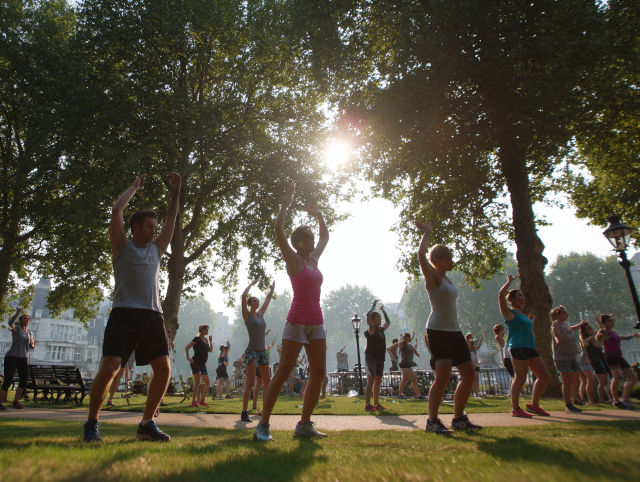
Veteran male endurance athletes who have spent many years training at high intensity may face a higher risk of serious heart rhythm problems during exercise, according to new research from the University of Leeds funded by the British Heart Foundation. The study suggests that this increased risk is linked not to how much or how hard these athletes train, but to whether they already have scarring in their heart muscle.

The research focused on male endurance athletes aged over 50, a group that accounts for the vast majority of sudden cardiac deaths occurring during sport. The team set out to determine whether high levels of exercise could trigger a potentially life-threatening heart rhythm disturbance known as ventricular tachycardia in these athletes. Their findings indicate that exercise itself is not inherently dangerous, but it may act as a trigger for abnormal rhythms in individuals who already have underlying heart damage.

In the study, the researchers closely monitored 106 healthy male endurance athletes who had been running or cycling for more than 10 hours a week for at least 15 years. Participants wore smart watches and heart rate monitors to track all their physical activity, while implantable loop recorders placed under the skin continuously recorded their heart rhythms. This allowed the researchers to precisely match episodes of abnormal heart rhythm with specific periods of exercise.

Over the two-year study period, around one in four participants experienced ventricular tachycardia during or shortly after exercise. Most of these episodes were non-sustained, meaning they were brief and usually less dangerous, but they can still act as warning signs for more serious events. Importantly, around three-quarters of the athletes who experienced these abnormal rhythms were found to have scarring in their hearts. The few longer and more dangerous sustained episodes of ventricular tachycardia all occurred during exercise and exclusively in athletes with heart scarring.

Crucially, the researchers found no evidence that those who developed abnormal heart rhythms were training more frequently or at higher intensity than those who did not. This reinforces the conclusion that exercise alone is not the cause of the problem. Instead, the presence of scar tissue appears to increase vulnerability, with physical exertion acting as a trigger rather than the underlying source of risk.

Many of the athletes were unaware that they had heart scarring before taking part in the study, highlighting the importance of regular cardiac health checks for older male endurance athletes. Heart scarring can result from previous heart attacks, underlying disease, or many years of intense endurance exercise, and it may remain undetected without specialist screening.

The researchers also emphasise the value of wearable technology for athletes who wish to monitor their heart health. Sudden, unexplained spikes in heart rate, especially when accompanied by symptoms such as feeling unwell or light-headed, should prompt athletes to reduce intensity or seek medical advice. The study is the first to combine long-term wearable activity data with continuous heart rhythm monitoring, and the team hopes it will inform future research in other athletic populations, including women and younger athletes.

More information: Wasim Javed et al, The Timing and Relationship of Ventricular Arrhythmia with Exercise Patterns in Veteran Male Endurance Athletes, European Journal of Preventive Cardiology. DOI: 10.1093/eurjpc/zwag021

Journal information: European Journal of Preventive Cardiology Provided by University of Leeds

Why Cooler Bedroom Temperatures Benefit the Heart While You Sleep

Maintaining a bedroom temperature of around 24°C overnight can help reduce stress responses in older adults during sleep, according to new research from Griffith University.

The study, led by Dr Fergus O’Connor from Griffith’s School of Allied Health, Sport and Social Work, examined how higher night-time bedroom temperatures affect heart rate and physiological stress in people aged 65 and over. The findings suggest that keeping bedrooms at 24°C while sleeping lowers the likelihood of heightened stress responses during the night.

Dr O’Connor explained that exposure to heat triggers a natural physiological reaction in the body, causing the heart rate to rise. As temperatures increase, the heart works harder to circulate blood towards the skin in an effort to dissipate heat and cool the body. While this response is regular, prolonged periods of elevated heart activity place additional strain on the cardiovascular system and reduce the body’s ability to recover from heat exposure accumulated during the day.

When the heart continues to work harder for extended periods overnight, this added stress can interfere with the restorative functions of sleep. Over time, such strain may have implications for overall cardiovascular health, particularly in older adults who are more vulnerable to heat-related stress.

To capture real-world data, participants in the study wore fitness activity trackers on their non-dominant wrist to continuously monitor heart rate and stress indicators. Bedroom temperatures were recorded using installed temperature sensors, allowing researchers to closely track environmental conditions throughout the Australian summer-long data collection period. This approach enabled the team to assess how naturally occurring temperature variations influenced physiological responses during sleep, rather than relying on laboratory-based simulations.

The findings provide some of the first real-world evidence demonstrating how increased bedroom temperatures can affect heart rate and stress responses overnight. According to Dr O’Connor, the results highlight an often-overlooked aspect of thermal health: night-time indoor conditions.
The research also has broader implications in the context of climate change. Rising global temperatures are increasing the frequency of hot nights, which may independently contribute to higher rates of cardiovascular illness and mortality. This occurs not only through direct heat exposure but also by disrupting sleep and impairing the body’s autonomic recovery processes that generally take place overnight.

Despite the known risks associated with excessive indoor heat during the day, clear guidance for nighttime temperatures is lacking. While there are established recommendations for maximum indoor daytime temperatures, set at 26°C, no equivalent standards exist for overnight sleeping environments. The researchers suggest that developing evidence-based guidelines for nighttime bedroom temperatures could play an essential role in protecting cardiovascular health as climates continue to warm.

More information: Fergus K. O’Connor et al, Effect of nighttime bedroom temperature on heart rate variability in older adults: an observational study, BMC Medicine. DOI: 10.1186/s12916-025-04513-0

Journal information: BMC Medicine Provided by Griffith University

Beyond the Night: Researchers Point to Daytime Function as a Core Measure of Insomnia Treatment Success

About one in nine adults experiences chronic insomnia, a condition that reaches well beyond disrupted sleep at night. Many individuals continue to struggle during the day with persistent drowsiness, slowed thinking, memory problems, and irritability. When insomnia is left untreated, it is also linked to increased long-term health risks, including diabetes and cardiovascular disease. Despite the wide range of available treatments, from prescription medications to behavioural interventions, clinicians still face a central challenge: accurately determining how effective a given treatment is for a particular patient, especially in terms of how that patient functions during waking hours.

A new study from the University of Maryland School of Medicine suggests that smartphone-based, real-time assessments provide a more precise way to evaluate the effectiveness of insomnia treatments. Rather than relying solely on traditional questionnaires that ask patients to summarise their symptoms after the fact, the researchers used a method that captured experiences as they occurred throughout the day. This approach allowed the study team to detect changes in key daytime symptoms of insomnia, including fatigue, cognitive functioning, and mood, with greater sensitivity than conventional recall-based tools. The findings were published in JAMA Network Open.

The study was designed as a randomised clinical trial involving 40 older adults aged between 60 and 85, all of whom met criteria for chronic insomnia. Participants were randomly assigned to receive either the sleep medication suvorexant or a placebo for 16 consecutive nights. Throughout the study period, participants used a smartphone app to report their daytime symptoms in real time, completing brief assessments four times per day. In parallel, they also completed standard questionnaires evaluating sleep quality and daytime functioning before and after the treatment phase, enabling a direct comparison between traditional and real-time measurement methods.

When the results were analysed, essential differences emerged between the two assessment approaches. Conventional questionnaires identified an overall improvement in insomnia severity in the treatment group compared with the placebo group, but they failed to detect meaningful differences in daytime symptoms. By contrast, the smartphone-based method, known as ecological momentary assessment, revealed subtle but clinically relevant patterns across the day. Participants taking suvorexant reported greater fatigue in the morning but less fatigue in the afternoon and evening compared with those taking a placebo. A similar pattern was seen for cognition, with reduced alertness earlier in the day that normalised as the day progressed. These time-specific effects would likely have gone unnoticed using retrospective questionnaires alone.

Mood changes were also examined. Although participants in the suvorexant group reported slightly worse mood ratings at each of the four daily assessment points compared with the placebo group, these differences were not statistically significant. Importantly, participants reported high satisfaction with the smartphone-based assessments. The completion rate exceeded 93 per cent across all surveys, demonstrating that frequent, real-time symptom tracking was both feasible and well accepted, even among older adults.

“Daytime symptoms such as fatigue, cognitive impairment, and mood disturbances are core features of insomnia,” said Emerson M. Wickwire, the study’s corresponding author and section chief of sleep medicine at the University of Maryland Medical Center. He emphasised that improving sleep alone does not fully address the condition from the patient’s perspective, noting that retrospective questionnaires often miss subtle but meaningful changes in daily functioning that matter most to those living with insomnia.

As the first randomised controlled trial to incorporate smartphone-based ecological momentary assessment as an outcome measure in a sleep-focused study, this research highlights the potential of digital tools to reshape insomnia research and care. According to Mark T. Gladwin, Dean of the University of Maryland School of Medicine, real-time smartphone assessments offer valuable insights that could improve how treatments are evaluated, personalised, and ultimately delivered, benefiting millions of people affected by sleep disorders.

More information: Emerson M. Wickwire et al, Smartphone-Based Real-Time Assessment of Daytime Insomnia Symptoms With Suvorexant, JAMA Network Open. DOI: 10.1001/jamanetworkopen.2025.50186

Journal information: JAMA Network Open Provided by University of Maryland School of Medicine

Tissue repair slows with age. These proteins help restore it.

As we grow older, the body’s ability to bounce back from injury or illness steadily weakens. Cuts heal more slowly, organs recover less completely, and the cumulative wear of time becomes harder to repair. New research from the University of California, San Francisco, suggests this decline may not be inevitable. Scientists there have identified a group of gene regulators — proteins that control when genes are switched on or off — that appear capable of restoring some of the ageing body’s lost capacity for self-repair.

The researchers focused on fibroblasts, a vital but often overlooked type of cell. Fibroblasts construct and maintain the scaffolding that sits between cells, providing shape, strength, and structural support to tissues and organs throughout the body. This cellular framework is constantly under strain from everyday wear, illness, and injury, and fibroblasts typically work continuously to repair and renew it. With advancing age, however, these cells become less active, and the tissues they support begin to deteriorate.

As fibroblasts slow down, the consequences ripple outward. Structural damage accumulates, healing becomes inefficient, and organs become more vulnerable to disease. When the scientists examined older fibroblasts, they found clear molecular signs of decline, particularly in the way these cells expressed their genes. Patterns that were once tightly regulated had become disordered, reflecting the broader breakdown in cellular function associated with ageing.

Using computational analysis, the team traced these changes back to a specific set of transcription factors — gene regulators that orchestrate large networks of genetic activity. These factors appeared to be key drivers of the ageing process in fibroblasts. By identifying which transcription factors were responsible, the researchers uncovered a potential way to reverse age-related changes at their source, rather than simply treating their downstream effects.

To test this idea, the scientists compared gene expression in young and old fibroblasts grown in laboratory dishes, then used advanced modelling to pinpoint which transcription factors were pushing cells towards an aged state. They subsequently used CRISPR-based techniques to adjust the activity of these factors in older fibroblasts. Remarkably, altering the levels of any one of thirty transcription factors was enough to trigger a youthful pattern of gene expression. In particular, changes to four of these regulators significantly improved cellular metabolism and restored the cells’ ability to multiply — two hallmarks of younger, healthier fibroblasts.

The work extended beyond cell cultures into living organisms. In collaboration with colleagues specialising in anatomy and ageing, the team showed that increasing levels of a transcription factor called EZH2 rejuvenated the livers of elderly mice. These animals, roughly equivalent in age to humans in their mid-sixties, showed dramatic improvements: liver fibrosis was reversed, fat accumulation was reduced by half, and glucose tolerance improved. Together, the findings suggest that carefully reprogramming gene regulation could one day form the basis of therapies aimed at treating, or even reversing, diseases driven by ageing rather than simply managing their symptoms.

More information: Janine Sengstack et al, Systematic identification of single transcription factor perturbations that drive cellular and tissue rejuvenation, Proceedings of the National Academy of Sciences. DOI: 0.1073/pnas.2515183123

Journal information: Proceedings of the National Academy of Sciences Provided by University of California – San Francisco

Greenland Shark Research Could Unlock New Approaches to Protecting Ageing Vision

Dorota Skowronska-Krawczyk sits in her office, her gaze fixed on the computer monitor in front of her. On the screen, a Greenland shark glides slowly through the dark, clouded waters of the Arctic Ocean. She points to the image as it plays. “You can see the eye move,” says the UC Irvine associate professor of physiology and biophysics. “It’s tracking the light. That’s what’s so fascinating.” What looks like a sluggish, indifferent animal reveals a subtle awareness that immediately challenges long-standing assumptions.

The video shows the world’s longest-living vertebrate: a thick, grey shark with a heavy body, small head and blunt snout. Its eyes appear opaque and lifeless, further obscured by a parasite attached to one eyeball. For years, scientists believed Greenland sharks were functionally blind, citing both the frequent presence of these parasites and the extremely dim, murky environment in which the animals live. Vision, it was assumed, was not necessary. Yet the deliberate movement of the eye towards light tells a different story, hinting at an unexpected sensory resilience.

New research led by Skowronska-Krawczyk is now reshaping what scientists understand about ageing, vision and longevity. Co-authored with Walter Salzburger and Lily G. Fogg from the University of Basel, the study examines Greenland shark vision through an evolutionary lens. Published in Nature Communications on 5 January, the findings suggest that these sharks rely on a powerful DNA repair mechanism that allows them to preserve retinal health over centuries. Some Greenland sharks are estimated to live for as long as 400 years, yet their eyes show no signs of retinal degeneration and appear finely adapted to extreme low-light conditions.

Skowronska-Krawczyk traces her interest in the Greenland shark’s visual system to a 2016 paper by marine biologist John Fleng Steffensen. That study noted how commonly parasites attach themselves to the sharks’ eyes, raising an evolutionary puzzle. “You don’t keep an organ you don’t need,” she explains. After watching numerous videos, she noticed something others had missed: the sharks actively moved their eyeballs towards light. That observation prompted a deeper investigation and ultimately led to the current study.

The sharks used in the research were caught between 2020 and 2024 using scientific long lines near the University of Copenhagen’s Arctic Station on Disko Island, Greenland. Their eyeballs were dissected, preserved and sent for analysis to Skowronska-Krawczyk’s lab. Emily Tom, a PhD student and physician-scientist in training, remembers opening the package to find a massive, centuries-old eyeball resting on dry ice. Used to working with mouse eyes, she had to adapt quickly. Through careful histological analysis, Tom found no signs of cell death and confirmed that rhodopsin, a protein crucial for low-light vision, remained active. For Skowronska-Krawczyk, these findings offer promising insights into how vision might be preserved as humans age.

More information: Lily G. Fogg et al, The visual system of the longest-living vertebrate, the Greenland shark, Nature Communications. DOI: 10.1038/s41467-025-67429-6

Journal information: Nature Communications Provided by University of California – Irvine

Links Between Reproductive History and Biological Ageing

Researchers at the University of Helsinki and the Minerva Foundation Institute for Medical Research report that both the number of children a woman has and the timing of her pregnancies are associated with health in adulthood and overall life expectancy. Their findings suggest that reproductive history is reflected not only in later-life outcomes such as longevity, but also in broader patterns of ageing across the life course.

The analysis is based on a long-running twin cohort study in which participants were first invited to complete a comprehensive questionnaire in 1975. Since then, their lives have been followed at regular intervals for several decades. This extensive follow-up has allowed researchers to link early and midlife reproductive patterns with long-term health trajectories, making it possible to examine ageing and mortality outcomes in considerable detail.

Drawing on data from nearly 15,000 participants, the researchers found that women with two or three children tended, on average, to live the longest. The timing of pregnancies also appeared to be important. Women whose pregnancies occurred roughly between the ages of 24 and 38 showed more favourable ageing profiles and greater longevity than those whose pregnancies fell outside this range. These results point to a complex relationship between reproduction and ageing rather than a simple linear effect.

In contrast, women with an above-average number of children—defined in this study as more than four—were found to have shorter lifespans and signs of accelerated biological ageing. According to the researchers, this pattern is consistent with life history theory in evolutionary biology, which emphasises trade-offs in how organisms allocate limited resources. “From an evolutionary biology perspective, organisms have finite resources such as time and energy,” explains doctoral researcher Mikaela Hukkanen. “When a large share of these resources is invested in reproduction, fewer remain available for bodily maintenance and repair, which may ultimately reduce lifespan.”

One unexpected finding was that childless women also showed faster ageing than women with a small number of children. The authors caution that this association may be influenced by other lifestyle, social, or health-related factors that could not be fully controlled for in the analyses. They also stress that the results apply only at the population level. The study does not establish cause-and-effect relationships and should not be interpreted as guidance for individual reproductive decisions, particularly given that family size and age at first birth have changed substantially since the period covered by the data. “An individual woman should not consider changing her own plans or wishes regarding children based on these findings,” says study lead Dr Miina Ollikainen.

A novel aspect of the research was the inclusion of biological measures of ageing alongside mortality data. Epigenetic clocks were calculated from blood samples provided by more than one thousand participants, allowing researchers to estimate biological ageing by measuring molecular changes linked to the gradual deterioration of cells and tissues. These measures supported the mortality findings: women with either many children or no children at all were biologically older than their chronological age. “People who are biologically older than their calendar age face a higher risk of death,” Ollikainen notes. “Our results show that life history choices leave lasting biological imprints that can be detected long before old age.”

More information: Mikaela Hukkanen et al, Epigenetic aging and lifespan reflect reproductive history in the Finnish Twin Cohort, Nature Communications. DOI: 10.1038/s41467-025-67798-y

Journal information: Nature Communications Provided by University of Helsinki

Brazil’s blueprint for long life: genetic insights from the world’s oldest citizens

A Viewpoint published today in Genomic Psychiatry by Dr Mayana Zatz and colleagues from the Human Genome and Stem Cell Research Center at the University of São Paulo explores why Brazil stands out as one of the world’s most promising yet underexplored settings for research into extreme human longevity. Drawing on the team’s long-running national study of exceptionally old individuals, the article situates Brazilian findings within the rapidly evolving field of supercentenarian biology, arguing that current models of ageing remain incomplete without greater ancestral diversity.

Why a small minority of humans live well beyond 110 years while most never reach 100 remains one of biomedicine’s most persistent puzzles. According to the authors, a central obstacle lies not in methodology but geography. The overwhelming majority of genomic datasets are drawn from relatively homogeneous populations, leaving admixed groups largely absent. This imbalance is particularly damaging in longevity research, where rare protective variants may be enriched in genetically diverse individuals yet remain invisible in standard reference populations.

Brazil’s population history provides a uniquely powerful counterpoint to this limitation. Centuries of admixture shaped by Indigenous ancestry, Portuguese colonisation, the forced migration of millions of enslaved Africans, and later European and Japanese immigration have produced extraordinary genomic diversity. Large-scale studies of older Brazilians have already revealed millions of previously undocumented genetic variants, including mobile element insertions and immune-related alleles missing from global databases, many of which may influence ageing, disease resistance, and resilience.

Against this backdrop, the research team has assembled an exceptional longitudinal cohort comprising more than 160 centenarians, including 20 validated supercentenarians from diverse regions and socioeconomic backgrounds. Several participants remained cognitively intact and functionally independent well into extreme old age, despite having lived most of their lives with limited access to modern healthcare. The cohort includes globally recognised longevity outliers, offering rare insight into survival mechanisms that appear to operate independently of sustained medical intervention.

Familial clustering within the cohort further strengthens the case for a genetic contribution to exceptional longevity. One family includes a 110-year-old woman alongside nieces aged 100, 104, and 106, reflecting patterns seen in earlier studies showing markedly increased longevity among siblings of centenarians. Such lineages provide a valuable opportunity to examine how polygenic inheritance and epigenetic regulation may interact to promote long-term physiological resilience.

The Viewpoint also synthesises emerging biological signatures of supercentenarians, highlighting preserved immune competence, efficient protein maintenance, and adaptive immune cell profiles more typical of younger individuals. These traits help explain striking observations such as survival from COVID-19 before vaccination in several cohort members. Collectively, the authors argue that supercentenarians exemplify not delayed decline but active resistance to ageing, and that Brazil’s unparalleled genetic landscape offers a critical opportunity to advance global understanding of healthy human longevity while addressing long-standing inequities in biomedical research.

More information: Mateus V. de Castro et al, Insights from Brazilian supercentenarians, Genomic Psychiatry. DOI: 10.61373/gp026v.0009

Journal information: Genomic Psychiatry Provided by Genomic Press

Research finds association between food preservatives and type 2 diabetes risk

Higher intake of food preservatives, commonly used in industrially processed foods and drinks to prolong shelf life, has been associated with an increased risk of developing type 2 diabetes. This conclusion comes from a large-scale study conducted by researchers affiliated with several French research institutions, working within the Nutritional Epidemiology Research Team. Their findings draw on extensive health and dietary data collected from over 100,000 adults enrolled in the NutriNet-Santé cohort and were published in the journal Nature Communications.

Preservatives are part of the broader family of food additives and are now deeply embedded in the global food system. Their use has expanded alongside the growth of ultra-processed foods, which rely on additives to maintain freshness, texture, and safety during extended storage and transport. Data from the Open Food Facts World database indicate that, out of approximately three and a half million food and beverage products listed in 2024, more than 700,000 contained at least one preservative, underlining the scale of population exposure.

In their analysis, the researchers categorised preservative additives into two main groups. The first includes non-antioxidant preservatives, which prevent microbial growth or slow chemical reactions that cause spoilage. The second group consists of antioxidant additives, which delay deterioration by reducing or limiting oxygen exposure in food packaging. On ingredient labels, these substances are typically identified by European E-numbers, ranging from E200 to E299 for preservatives in the strict sense and from E300 to E399 for antioxidant additives.

Previous experimental research has raised concerns about the biological effects of some preservatives, suggesting they may damage cells or DNA and disrupt metabolic processes. However, until now, population-based evidence linking preservative exposure to type 2 diabetes has been limited. To address this gap, the research team examined long-term associations between dietary exposure to preservatives and the onset of type 2 diabetes within a large and well-characterised cohort.

Participants in the NutriNet-Santé study provided detailed information between 2009 and 2023, including medical history, socio-demographic background, lifestyle habits, and physical activity levels. They also regularly completed comprehensive 24-hour dietary records, specifying the names and brands of industrial food products consumed. These records were matched with several databases and laboratory measurements to estimate individual exposure to preservatives over time with a high level of precision.

During the follow-up period, 1,131 cases of type 2 diabetes were identified among 108,723 participants. After accounting for numerous potential confounding factors such as smoking, alcohol intake, and overall dietary quality, the analyses revealed clear associations. Higher overall consumption of preservative additives was linked to a 47% increase in type 2 diabetes incidence. Similar associations were observed for non-antioxidant preservatives and antioxidant additives, which were linked to 49% and 40% higher risks, respectively, compared with the lowest levels of consumption.

More information: Anaïs Hasenböhler et al, Associations between preservative food additives and type 2 diabetes incidence in the NutriNet-Santé prospective cohort, Nature Communications. DOI: 10.1038/s41467-025-67360-w

Journal information: Nature Communications Provided by INSERM (Institut national de la santé et de la recherche médicale)

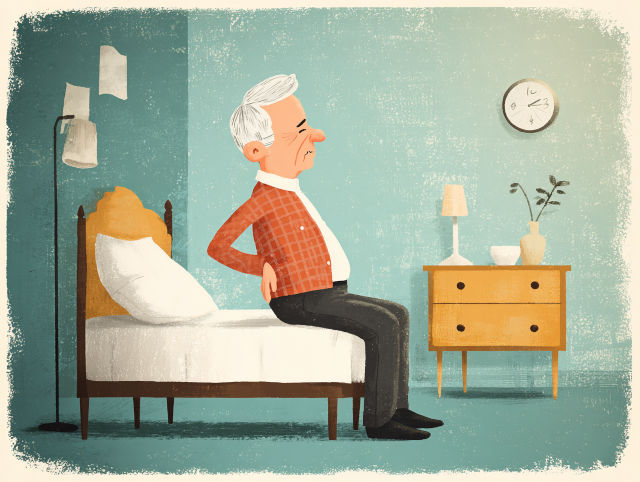
Back Pain in Men Over 65 Tied to Poorer Sleep Years Down the Line, Study Finds

About half of older men experience sleep problems, back pain, or both, according to Soomi Lee, an associate professor of human development and family studies at Penn State. In a recent study, Lee and her colleagues set out to determine whether one of these common problems tends to come before the other. Their findings suggest that back pain can predict the development of sleep problems several years later in men aged 65 and older.

“Back pain and sleep disturbances are both serious concerns for older adults,” Lee explained. “By analysing data collected over a long period, we wanted to understand whether poor sleep leads to back pain, or whether back pain leads to poor sleep. What we found was that back pain tends to come first.”

The study, published in Innovation and Aging, drew on data from the Osteoporotic Fractures in Men Study, which followed 1,055 older men over several years. Participants completed two in-depth clinical sleep assessments at least six years apart. Between these visits, they regularly reported their back pain by mail every four months, rating both how often the pain occurred and how severe it was.

Sleep problems were defined broadly and included irregular sleep patterns, short sleep duration, daytime sleepiness, and dissatisfaction with sleep quality. For each participant, the researchers summarised back pain reports over one year to create overall scores for pain frequency and severity. These scores were then compared with sleep problem scores from the clinical visits.

The researchers first examined whether early sleep problems were linked to later back pain. They then reversed the analysis to see whether earlier back pain predicted sleep issues measured six years later. This second approach revealed a clear pattern: back pain was associated with a 12% to 25% increase in sleep problems years down the line. In contrast, sleep problems did not appear to increase the risk of developing back pain in the future.

Men who reported back pain were more likely to fall asleep either too early or too late and were more dissatisfied with the quality of their sleep overall. According to Lee, this has important implications for families, caregivers, and clinicians. “If loved ones notice back pain in an older adult, it can serve as a warning sign,” she said. “Acknowledging and addressing back pain early may help prevent later sleep problems and the additional health issues linked to poor sleep.”

These associated health concerns include memory difficulties, depression, anxiety, and an increased risk of falls. Lee emphasised that the study focused only on men and that further research is needed to determine whether the same patterns hold for women and for people of colour, who were underrepresented in the sample. Even so, she stressed that anyone experiencing persistent back pain should discuss appropriate management options with a healthcare professional.

“Now that we know back pain tends to precede sleep problems, it’s clearer that effective pain management may play an important role in maintaining good sleep and protecting overall health in older adults over time,” Lee said.

More information: Soomi Lee et al, Back pain precedes sleep problems in older men, Innovation in Aging. DOI: 10.1093/geroni/igaf113

Journal information: Innovation in Aging Provided by Penn State

Older Adults Under Stress Face Greater Challenges Recovering from Surgery

Even relatively modest stress before surgery may significantly affect how well older adults recover, according to new research from Duke University School of Medicine. The study suggests that psychological strain is not simply an emotional side effect of preparing for surgery, but a factor that can meaningfully influence physical recovery and post-operative wellbeing in later life.

The research found that older adults who entered the operating room carrying a greater number of worries faced higher risks of complications after surgery. These patients were more likely to experience delirium, report inadequately controlled pain, and remain in hospital for extended periods. Importantly, these outcomes were observed even among individuals who did not describe themselves as highly stressed, indicating that stress may exert its effects quietly and cumulatively rather than through overwhelming anxiety alone.

Senior author Leah C. Acker, an anaesthesiologist at Duke Health, said the findings point to a missed opportunity in pre-surgical care. Stress is rarely measured in a structured way before operations, yet it may be a modifiable risk factor. Identifying and addressing stress early, she noted, could help clinicians reduce complications and improve recovery trajectories for older patients.

The study focused on adults preparing for major surgery, excluding heart and brain procedures. More than 40 per cent of participants reported moderate to high distress in the lead-up to their operations — levels comparable to those seen in patients with advanced cancer. This finding highlights how demanding the pre-operative period can be for older adults, even when surgery is planned and medically routine.

One of the most striking results was that recovery outcomes were tied more closely to the number of stressors a patient faced rather than how intense those stressors felt. Each additional worry increased the odds of delirium by 19 per cent, while higher stress counts were also strongly associated with increased pain and more extended hospital stays. Acker described this pattern as an “overwhelmed phenotype”, in which multiple small pressures accumulate and interfere with the body’s ability to heal effectively.

To assess stress, researchers used a brief digital version of the NCCN Distress Thermometer with 132 patients between late 2022 and early 2024. Common concerns included sleep or appetite changes, communication with healthcare providers, and family responsibilities, alongside broader worries about finances, home maintenance, loss of independence, and maintaining meaningful activities. Because most adults over 65 will undergo surgery at least once, Acker emphasised the need for better tools to identify those at risk — particularly for delirium, a serious post-operative complication that increases hospital costs and long-term risk of dementia.

More information: Leah C. Acker et al, Mixed-methods Analysis of Preoperative Distress and Postoperative Outcomes in a Prospective, Observational Cohort of Older Adults, Anesthesiology. DOI: 10.1097/ALN.0000000000005780

Journal information: Anesthesiology Provided by Duke University

Concerns grow over faster ageing and dementia risk in survivors of childhood and young adult cancers

Adolescents and young adults who survive cancer show signs of ageing more rapidly than peers who have never had the disease, according to new research that points to changes in both cellular biology and brain function. The study suggests that accelerated ageing is not confined to the body alone but also affects cognitive abilities such as memory, attention, and the speed at which information is processed. These findings add to growing concern about the long-term health consequences faced by people treated for cancer early in life.

The research was recently published in Nature Communications. It was led by AnnaLynn Williams, PhD, an investigator at the University of Rochester Wilmot Cancer Institute, with Kevin Krull, PhD, of St. Jude Children’s Research Hospital serving as co-corresponding author. Together, the team examined how cancer and its treatments influence biological ageing in people diagnosed during childhood, adolescence, or young adulthood.

While the results highlight significant risks, the researchers also point to encouraging possibilities. Ongoing work at Wilmot suggests that accelerated ageing may be modifiable rather than permanent. Williams noted that healthy lifestyle changes—including quitting smoking, exercising regularly, and improving nutrition—could help slow or even reverse some ageing-related effects. This raises the prospect that targeted interventions might meaningfully enhance long-term health and functioning for young adult cancer survivors.

Williams emphasised that survivors often have many decades of life ahead of them, making early intervention especially important. If accelerated ageing begins soon after treatment and alters long-term health trajectories, intervening early could not only extend lifespan but also improve quality of life. This approach reflects a broader shift in cancer care, which increasingly recognises survivorship as a distinct phase requiring sustained medical and psychosocial support.

For many survivors treated as children or young adults, these biological changes coincide with significant life transitions. Completing education, starting careers, establishing independence, and forming families can all be affected by subtle cognitive difficulties. Williams described this convergence as a “perfect storm”, noting that survivors often experience poorer educational and employment outcomes than their siblings, highlighting how health effects can ripple into social and economic life.

The study included roughly 1,400 participants who were at least five years beyond treatment, with some surviving for decades. Most had been treated for acute lymphoblastic leukaemia or Hodgkin lymphoma. Researchers found faster biological ageing across treatment types, though chemotherapy showed the strongest association. Crucially, higher biological age was linked to worse memory and attention. Ongoing studies now aim to identify when ageing acceleration begins and how interventions—such as exercise—might help reverse it.

More information: AnnaLynn Williams et al, Epigenetic age acceleration, telomere length, and neurocognitive function in long-term survivors of childhood cancer, Nature Communications. DOI: 10.1038/s41467-025-65664-5

Journal information: Nature Communications Provided by University of Rochester Medical Center

Researchers uncover links between infection and ageing through cellular senescence mechanisms

A meeting report published on 23 December 2025 in Aging-US (Volume 17, Issue 12) brings together the main scientific discussions from the 10th International Cell Senescence Association conference, held in Rome in September 2025. Led by Stefanie Deinhardt-Emmer of Jena University Hospital and Marco De Andrea of the University of Piemonte Orientale and the University of Turin, the report, titled “Cellular senescence meets infection”, reflects a growing shift in how researchers understand the long-term biological consequences of infectious disease.

At the centre of the report is cellular senescence, a state in which cells permanently stop dividing and begin releasing inflammatory and tissue-altering signals. Traditionally associated with ageing and cancer, senescence is now gaining attention for its role in infection biology. The authors emphasise that this link is vital because it connects acute and chronic infections with long-lasting inflammation, tissue damage, and age-related decline, helping to explain why some infections have effects that persist long after pathogens are cleared.

A key concept discussed throughout the meeting was infection-driven senescence (IDS). Researchers described how viruses and bacteria can trigger senescence in infected cells and spread their effects to neighbouring tissues through inflammatory signalling. While this response may initially help limit pathogen replication, it can also prolong inflammation and impair recovery. These outcomes are particularly relevant in older adults and in individuals experiencing chronic or recurrent infections.

Respiratory infections were a major focus of the conference. Several sessions explored how influenza viruses and SARS-CoV-2 induce senescence in lung epithelial cells, contributing to sustained inflammation and reduced tissue repair. Experimental models showed that lowering the number of senescent cells improved lung healing even after viral clearance, offering a potential explanation for persistent respiratory symptoms observed in some patients following viral infection.

Chronic viral infections were also highlighted as important drivers of senescence. Evidence was presented showing that human cytomegalovirus and HIV promote senescence in immune and vascular cells. In people living with HIV, viral proteins were linked to biological changes resembling accelerated ageing, despite effective antiviral therapy. These findings help clarify why age-related conditions often appear earlier and more frequently in this population.

Notably, the report shows that infection-induced senescence is not limited to viruses. Researchers described how the bacterium Mycobacterium abscessus induces senescence in immune cells during chronic infection, increasing inflammation and susceptibility to further disease. Across the conference, speakers discussed emerging therapies aimed at removing senescent cells or reducing their harmful inflammatory signals. Together, these discussions present IDS as a unifying framework linking infection, immunity, and ageing, with significant implications for understanding chronic disease and long-term health after infection.

More information: Stefanie Deinhardt-Emmer et al, Cellular senescence meets infection: highlights from the 10th annual International Cell Senescence Association (ICSA) conference, Rome 2025, Aging-US. DOI: 10.18632/aging.206349

Journal information: Aging-US Provided by Impact Journals LLC