Monday, 18 May 2026
  • My Feed
  • My Saves
  • History
  • Blog
Living Well Study
  • Blog
  • Ageing Well
  • Brain Health
  • Healthy Diets
  • Physical Wellness
  • Wellness
  • 🔥
  • Wellness
  • older adults
  • Living Well
  • Brain Health
  • dementia
  • public health
  • Ageing Well
  • alzheimer disease
  • physical exercise
  • mental health
Font ResizerAa
Living Well StudyLiving Well Study
  • My Saves
  • My Feed
  • History
Search
  • Pages
    • Home
    • Search Page
  • Personalized
    • Blog
    • My Feed
    • My Saves
    • History
  • Categories
    • Ageing Well
    • Brain Health
    • Healthy Diets
    • Mental Wellness
    • Physical Wellness
    • Wellness
Have an existing account? Sign In
Follow US
© 2022 Foxiz News Network. Ruby Design Company. All Rights Reserved.
Living Well Study > Blog > Wellness > Back Pain in Men Over 65 Tied to Poorer Sleep Years Down the Line, Study Finds
Wellness

Back Pain in Men Over 65 Tied to Poorer Sleep Years Down the Line, Study Finds

support
Share
older adult, having sleep problems, back pain
SHARE

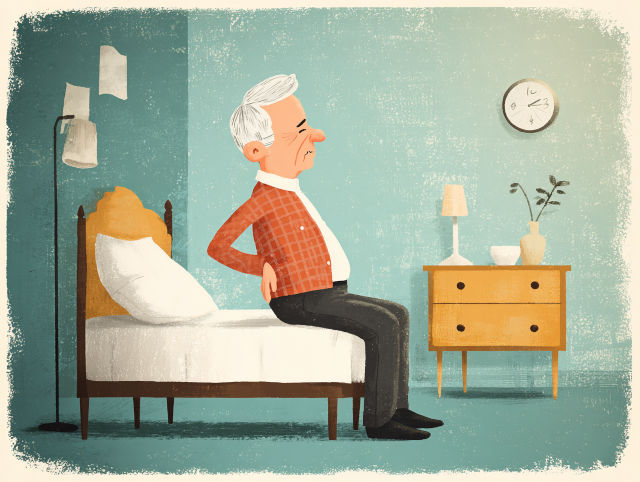
About half of older men experience sleep problems, back pain, or both, according to Soomi Lee, an associate professor of human development and family studies at Penn State. In a recent study, Lee and her colleagues set out to determine whether one of these common problems tends to come before the other. Their findings suggest that back pain can predict the development of sleep problems several years later in men aged 65 and older.

“Back pain and sleep disturbances are both serious concerns for older adults,” Lee explained. “By analysing data collected over a long period, we wanted to understand whether poor sleep leads to back pain, or whether back pain leads to poor sleep. What we found was that back pain tends to come first.”

The study, published in Innovation and Aging, drew on data from the Osteoporotic Fractures in Men Study, which followed 1,055 older men over several years. Participants completed two in-depth clinical sleep assessments at least six years apart. Between these visits, they regularly reported their back pain by mail every four months, rating both how often the pain occurred and how severe it was.

Sleep problems were defined broadly and included irregular sleep patterns, short sleep duration, daytime sleepiness, and dissatisfaction with sleep quality. For each participant, the researchers summarised back pain reports over one year to create overall scores for pain frequency and severity. These scores were then compared with sleep problem scores from the clinical visits.

The researchers first examined whether early sleep problems were linked to later back pain. They then reversed the analysis to see whether earlier back pain predicted sleep issues measured six years later. This second approach revealed a clear pattern: back pain was associated with a 12% to 25% increase in sleep problems years down the line. In contrast, sleep problems did not appear to increase the risk of developing back pain in the future.

Men who reported back pain were more likely to fall asleep either too early or too late and were more dissatisfied with the quality of their sleep overall. According to Lee, this has important implications for families, caregivers, and clinicians. “If loved ones notice back pain in an older adult, it can serve as a warning sign,” she said. “Acknowledging and addressing back pain early may help prevent later sleep problems and the additional health issues linked to poor sleep.”

These associated health concerns include memory difficulties, depression, anxiety, and an increased risk of falls. Lee emphasised that the study focused only on men and that further research is needed to determine whether the same patterns hold for women and for people of colour, who were underrepresented in the sample. Even so, she stressed that anyone experiencing persistent back pain should discuss appropriate management options with a healthcare professional.

“Now that we know back pain tends to precede sleep problems, it’s clearer that effective pain management may play an important role in maintaining good sleep and protecting overall health in older adults over time,” Lee said.

More information: Soomi Lee et al, Back pain precedes sleep problems in older men, Innovation in Aging. DOI: 10.1093/geroni/igaf113

Journal information: Innovation in Aging Provided by Penn State

TAGGED:back painolder adultssleep
Share This Article
Email Copy Link Print
Previous Article Older Adults Under Stress Face Greater Challenges Recovering from Surgery
Next Article Research finds association between food preservatives and type 2 diabetes risk
Leave a Comment

Leave a Reply Cancel reply

Your email address will not be published. Required fields are marked *

Recent Posts

  • Spending Time Outdoors Linked to Higher Life Satisfaction
  • Exercise Could Play a Key Role in Helping People Stop Smoking
  • The Tiny Cellular Framework Behind Brain Development
  • ‘Forever Chemicals’ Found in Nearly Entire US Study Population, Researchers Report
  • Healthy Hearts May Still Face the Risk of Alzheimer’s Disease

Tags

adolescents adverse effects ageing populations aging populations air pollution alzheimer disease amyloids anxiety artificial intelligence atopic dermatitis behavioral psychology biomarkers blood pressure body mass index brain cancer cancer research cardiology cardiovascular disease cardiovascular disorders caregivers children climate change effects clinical research coffee cognition cognitive development cognitive disorders cognitive function cognitive neuroscience cohort studies COVID-19 dementia depression diabetes diets discovery research disease control disease intervention disease prevention diseases and disorders environmental health epidemiology foods food science gender studies geriatrics gerontology gut microbiota health and medicine health care health care costs health care delivery heart disease heart failure home care human brain human health hypertension inflammation insomnia life expectancy life sciences longitudinal studies memory disorders menopause mental health metabolic disorders metabolism mortality rates neurodegenerative diseases neurological disorders neurology neuroscience nursing homes nutrients nutrition obesity older adults parkinsons disease physical exercise population studies preventive medicine psychiatric disorders psychological science psychological stress public health research impact risk assessment risk factors risk reduction skin sleep sleep apnea sleep disorders social interaction social research socioeconomics type 2 diabetes weight loss
May 2026
S M T W T F S
 12
3456789
10111213141516
17181920212223
24252627282930
31  
« Apr    

This website is for information purpose only and is in no way intended to replace the advice, professional medical care, diagnosis or treatment of a doctor, therapist, dietician or nutritionist.

About | Contact | Cookie Policy | Digital Millennium Copyright Act Notice | Disclaimer | Privacy Policy | Terms of Service

You Might Also Like

Wellness

Widespread food preservative yields surprising impacts on gut microbiota

By support
Wellness

Laughter Could Be as Beneficial as Eye Drops for Dry Eyes

By support
Living Well

Evening Exercise Linked to Improved Sleep – Findings from Otago Study

By support
Living Well

Alcohol Consumption in Elderly Doubles Risk of Brain Hemorrhage Due to Falls

By support
Living Well Study
Categories
  • Ageing Well
  • Brain Health
  • Healthy Diets
  • Mental Wellness
  • Physical Wellness
  • Wellness
LivingWellStudy
  • About
  • Contact
  • Cookie Policy
  • Digital Millennium Copyright Act Notice
  • Disclaimer
  • Privacy Policy
  • Terms of Service
Welcome Back!

Sign in to your account

Username or Email Address
Password

Lost your password?