Thursday, 2 Jul 2026
  • My Feed
  • My Saves
  • History
  • Blog
Living Well Study
  • Blog
  • Ageing Well
  • Brain Health
  • Healthy Diets
  • Physical Wellness
  • Wellness
  • 🔥
  • Wellness
  • older adults
  • Living Well
  • Brain Health
  • dementia
  • public health
  • Ageing Well
  • alzheimer disease
  • physical exercise
  • mental health
Font ResizerAa
Living Well StudyLiving Well Study
  • My Saves
  • My Feed
  • History
Search
  • Pages
    • Home
    • Search Page
  • Personalized
    • Blog
    • My Feed
    • My Saves
    • History
  • Categories
    • Ageing Well
    • Brain Health
    • Healthy Diets
    • Mental Wellness
    • Physical Wellness
    • Wellness
Have an existing account? Sign In
Follow US
© 2022 Foxiz News Network. Ruby Design Company. All Rights Reserved.
Living Well Study > Blog > Nature > Scientists Uncover Swiftest Natural Carbon Dioxide Increase in the Past 50,000 Years
Nature

Scientists Uncover Swiftest Natural Carbon Dioxide Increase in the Past 50,000 Years

support
Share
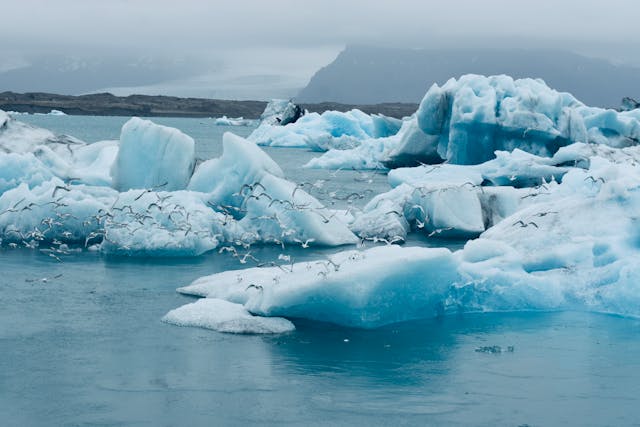
Iceberg in Frozen Water. Photo by Madhav Varanasi : https://www.pexels.com/photo/iceberg-in-frozen-water-12622950/
SHARE

According to a recent study published in the Proceedings of the National Academy of Sciences, researchers have identified the fastest rate of natural carbon dioxide rises over the past 50,000 years. This comprehensive chemical analysis of ancient Antarctic ice reveals that today’s atmospheric carbon dioxide increase rate is unprecedented, exceeding any observed natural fluctuations in the past.

The study, led by Kathleen Wendt, an assistant professor at Oregon State University’s College of Earth, Ocean, and Atmospheric Sciences, underscores the significance of understanding past climate variations to comprehend current climate dynamics. Wendt highlights that the current CO2 rise, driven primarily by human activities, occurs ten times faster than the fastest natural increases detected in the ice core records.

Carbon dioxide, a naturally occurring greenhouse gas, plays a critical role in climate dynamics by contributing to the greenhouse effect. Over geological time scales, its levels have fluctuated due to various natural factors such as ice age cycles. However, the current trajectory of CO2 levels is primarily influenced by anthropogenic emissions.

The research leverages ice cores drilled from the Antarctic, containing ancient air bubbles that trap trace gases from past atmospheres. These cores, extracted from depths up to 2 miles (3.2 kilometres), provide a timeline of climate changes spanning hundreds of thousands of years. Supported by the U.S. National Science Foundation, the study’s detailed chemical analysis of these ice cores sheds light on abrupt climate shifts and their implications for contemporary climate change.

Previous studies indicated notable spikes in CO2 levels during the last ice age, coinciding with North Atlantic cold intervals known as Heinrich Events. These events are associated with significant climate disruptions globally. The researchers, including co-author Christo Buizert, associate professor at Oregon State University, found that these spikes occurred approximately once every 7,000 years, marking periods of rapid CO2 increases, often linked to collapses in the North American ice sheet.

Buizert describes these events as triggers for complex chain reactions affecting global climate systems, including changes in tropical monsoons and Southern Hemisphere westerly winds. These changes, in turn, lead to substantial releases of CO2 from the oceans into the atmosphere.

The study highlights a specific event where CO2 levels surged by approximately 14 parts per million over 55 years, a pace far slower than today’s observed rates. Such an increase in CO2 concentration would take only 5 to 6 years.

Moreover, the research suggests that past periods of natural CO2 rise were accompanied by strengthening westerly winds in the Southern Ocean, facilitating rapid CO2 release from deep ocean waters. This finding raises concerns about future climate projections, as climate models predict further strengthening of these winds due to ongoing climate change. This could reduce the Southern Ocean’s capacity to absorb CO2 emissions generated by human activities, thus exacerbating global warming.

These findings have profound implications, indicating that the Earth’s climate system is currently experiencing unprecedented changes that surpass natural variability observed over millennia. Understanding these past dynamics enhances our knowledge of Earth’s climate history and informs strategies to mitigate the impacts of ongoing anthropogenic climate change.

In conclusion, the study underscores the urgency of addressing human-induced climate change by highlighting the exceptional nature of the current CO2 rise compared to historical records. It emphasises the critical role of scientific research in informing policy and adaptation measures aimed at safeguarding global climate stability in the face of escalating environmental challenges.

More information: Kathleen A. Wendt et al, Southern Ocean drives multidecadal atmospheric CO2 rise during Heinrich Stadials, Proceedings of the National Academy of Sciences. DOI: 10.1073/pnas.2319652121

Journal information: Proceedings of the National Academy of Sciences Provided by Oregon State University

TAGGED:abrupt climate changeantarctic iceanthropogenic climate changeatmospheric carbon dioxidecarbon emissionsclimate change effectsglobal temperaturegreenhouse gasesice core recordsocean circulation
Share This Article
Email Copy Link Print
Previous Article A Delicious and Nutritious Fruit Snack Choice for Health
Next Article Residing Close to Green Spaces Linked to Reduced Emotional Issues in Preschool-Age Children, NIH Study Reveals
Leave a Comment

Leave a Reply Cancel reply

Your email address will not be published. Required fields are marked *

Recent Posts

  • The Key to a Fulfilling Retirement: Staying Social
  • Adopting a Healthy Lifestyle Linked to Slower Biological Ageing in Older Men
  • Innovative Wound Treatment Could Improve Healing and Recovery
  • Bringing Toxoplasmosis Into Focus: A Global Call for Recognition
  • Unravelling the Link Between Brain Iron Accumulation and Neurodegeneration

Tags

adolescents adverse effects ageing populations aging populations air pollution alzheimer disease amyloids anxiety artificial intelligence atopic dermatitis behavioral psychology biomarkers blood pressure body mass index brain cancer cancer research cardiology cardiovascular disease cardiovascular disorders caregivers children climate change effects clinical research cognition cognitive development cognitive disorders cognitive function cognitive neuroscience cohort studies COVID-19 dementia depression diabetes diets discovery research disease control disease intervention disease prevention diseases and disorders environmental health epidemiology foods food science gender studies geriatrics gerontology gut microbiota health and medicine health care health care costs health care delivery heart disease heart failure home care human brain human health hypertension inflammation insomnia life expectancy life sciences longitudinal studies memory disorders menopause mental health metabolic disorders metabolism mortality rates neurodegenerative diseases neurological disorders neurology neuroscience nursing homes nutrients nutrition obesity older adults parkinsons disease physical exercise population studies preventive medicine psychiatric disorders psychological science psychological stress public health research impact risk assessment risk factors risk reduction skin sleep sleep apnea sleep disorders social interaction social research socioeconomics tobacco type 2 diabetes weight loss
July 2026
S M T W T F S
 1234
567891011
12131415161718
19202122232425
262728293031  
« Jun    

This website is for information purpose only and is in no way intended to replace the advice, professional medical care, diagnosis or treatment of a doctor, therapist, dietician or nutritionist.

About | Contact | Cookie Policy | Digital Millennium Copyright Act Notice | Disclaimer | Privacy Policy | Terms of Service

You Might Also Like

Public Health

Replacing Red Meat with Salmon May Improve Health and Cut Carbon Emissions

By support
Nature

How Nature’s Fragrances Impact Our Health: A Scientific Inquiry

By support
Nature

A wild bird gestures “after you”

By support
Nature

The unveiling of a newly sequenced genome offers profound insights into the ancient origins of coffee and its prospective trajectory in the face of climate change

By support
Living Well Study
Categories
  • Ageing Well
  • Brain Health
  • Healthy Diets
  • Mental Wellness
  • Physical Wellness
  • Wellness
LivingWellStudy
  • About
  • Contact
  • Cookie Policy
  • Digital Millennium Copyright Act Notice
  • Disclaimer
  • Privacy Policy
  • Terms of Service
Welcome Back!

Sign in to your account

Username or Email Address
Password

Lost your password?