Saturday, 27 Jun 2026
  • My Feed
  • My Saves
  • History
  • Blog
Living Well Study
  • Blog
  • Ageing Well
  • Brain Health
  • Healthy Diets
  • Physical Wellness
  • Wellness
  • 🔥
  • Wellness
  • older adults
  • Living Well
  • Brain Health
  • dementia
  • public health
  • Ageing Well
  • alzheimer disease
  • physical exercise
  • mental health
Font ResizerAa
Living Well StudyLiving Well Study
  • My Saves
  • My Feed
  • History
Search
  • Pages
    • Home
    • Search Page
  • Personalized
    • Blog
    • My Feed
    • My Saves
    • History
  • Categories
    • Ageing Well
    • Brain Health
    • Healthy Diets
    • Mental Wellness
    • Physical Wellness
    • Wellness
Have an existing account? Sign In
Follow US
© 2022 Foxiz News Network. Ruby Design Company. All Rights Reserved.
Living Well Study > Blog > Public Health > Study Finds Paid Paternal Leave Supports Fathers’ Mental Well-Being
Public Health

Study Finds Paid Paternal Leave Supports Fathers’ Mental Well-Being

support
Share
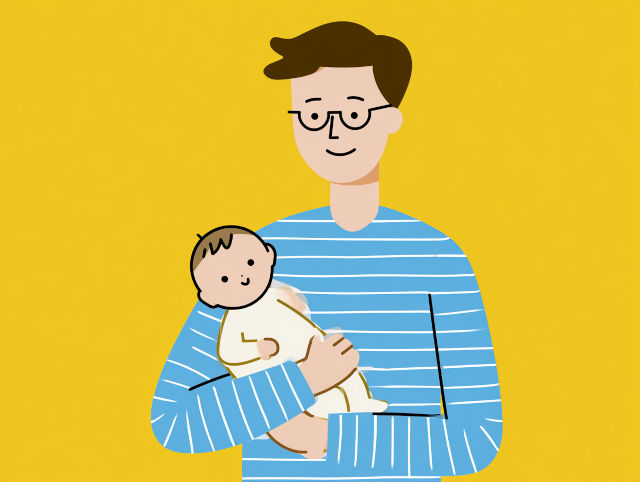
new dad holding baby
SHARE

A new study from Northwestern University and Ann & Robert H. Lurie Children’s Hospital of Chicago has found that paid paternal leave plays an important role in supporting fathers’ mental health after the birth of a child. Using data from a large population-representative survey, researchers found that fathers who lacked access to paid leave, or who were unable to take the leave they needed, experienced significantly higher levels of anxiety and depression. The findings reinforce growing evidence that fathers, like mothers, face emotional and psychological challenges during the transition to parenthood and may benefit from greater support during this period.

The study, published in the American Journal of Public Health, analyzed data from the 2022–2023 Ohio Fatherhood Survey, one of the most comprehensive surveys examining fathers’ experiences during the perinatal period in the United States. Researchers assessed mental health outcomes among 4,290 new fathers using validated screening tools for anxiety and depression. Among participants, 6.6% reported symptoms of depression and 11% reported symptoms of anxiety. More than half of fathers (54%) took paid leave following the birth of their child, while 22% took unpaid leave, 9% used a combination of paid and unpaid leave, and 15% did not take any leave.

The study found a clear relationship between leave status and mental health. Fathers who took unpaid leave were 58% more likely to report anxiety symptoms than those who took paid leave. Mental health risks were even greater among fathers who wanted to take leave but were unable to do so. These men were more likely to experience symptoms of both depression and anxiety, suggesting that barriers preventing fathers from taking time off may have important consequences for their well-being during the early stages of parenthood.

Financial pressures emerged as one of the most significant obstacles to taking leave. Approximately three-quarters of fathers experiencing depressive symptoms and more than 70% of those with anxiety symptoms identified financial concerns as the primary reason they could not take time away from work. These findings highlight how economic barriers can limit fathers’ ability to spend time with their newborns and support their families during a critical period, while also increasing their vulnerability to mental health challenges.

According to lead researcher Dr. Craig Garfield, professor of pediatrics and medical social science at Northwestern University Feinberg School of Medicine and a paediatrician at Lurie Children’s, the findings demonstrate that paternal leave is more than an employment benefit. “Mental health and paternity leave are linked,” he said. The researchers argue that expanding access to paid parental leave could yield benefits that extend beyond fathers themselves, including stronger parent-child bonding, improved family stability, and better overall family well-being. The study adds to a growing body of evidence suggesting that equitable parental leave policies can contribute to healthier families and communities.

The findings also carry important implications for policymakers and employers. Expanding paid leave programmes, reducing financial barriers, and encouraging fathers to take leave may improve population health and family outcomes. The study builds on previous research showing that most fathers take less than two weeks of leave after the birth of a child. Looking ahead, Garfield plans to expand this work through the Pregnancy Risk Assessment Monitoring System for Dads (PRAMS for Dads), which is being implemented in multiple states. As discussions continue about how best to support families from the earliest stages of parenthood, the researchers suggest that paid paternity leave represents a practical and effective tool for promoting the health and well-being of fathers, children, and families alike.

More information: Craig Garfield et al, Paternity Leave Status and Mental Health Symptoms Among Ohio Fathers: A Population-Representative Survey, 2022‒2023, American Journal of Public Health. DOI: 10.2105/AJPH.2026.308554

Journal information: American Journal of Public Health Provided by Northwestern University

TAGGED:mental healthparenting
Share This Article
Email Copy Link Print
Previous Article Researchers Find Sugary Gum After Beetroot Consumption Lowers Blood Pressure
Leave a Comment

Leave a Reply Cancel reply

Your email address will not be published. Required fields are marked *

Recent Posts

  • Study Finds Paid Paternal Leave Supports Fathers’ Mental Well-Being
  • Researchers Find Sugary Gum After Beetroot Consumption Lowers Blood Pressure
  • New Research Questions Fish Oil’s Role in Preventing Alzheimer’s Decline
  • UK Heatwaves Highlight Growing Risks for Older and Vulnerable Adults
  • Calcium and Vitamin D Supplements Show Little Impact on Reducing Fracture and Fall Risk

Tags

adolescents adverse effects ageing populations aging populations air pollution alzheimer disease amyloids anxiety artificial intelligence atopic dermatitis behavioral psychology biomarkers blood pressure body mass index brain cancer cancer research cardiology cardiovascular disease cardiovascular disorders caregivers children climate change effects clinical research cognition cognitive development cognitive disorders cognitive function cognitive neuroscience cohort studies COVID-19 dementia depression diabetes diets discovery research disease control disease intervention disease prevention diseases and disorders environmental health epidemiology foods food science gender studies geriatrics gerontology gut microbiota health and medicine health care health care costs health care delivery heart disease heart failure home care human brain human health hypertension inflammation insomnia life expectancy life sciences longitudinal studies memory disorders menopause mental health metabolic disorders metabolism mortality rates neurodegenerative diseases neurological disorders neurology neuroscience nursing homes nutrients nutrition obesity older adults parkinsons disease physical exercise population studies preventive medicine psychiatric disorders psychological science psychological stress public health research impact risk assessment risk factors risk reduction skin sleep sleep apnea sleep disorders social interaction social research socioeconomics tobacco type 2 diabetes weight loss
June 2026
S M T W T F S
 123456
78910111213
14151617181920
21222324252627
282930  
« May    

This website is for information purpose only and is in no way intended to replace the advice, professional medical care, diagnosis or treatment of a doctor, therapist, dietician or nutritionist.

About | Contact | Cookie Policy | Digital Millennium Copyright Act Notice | Disclaimer | Privacy Policy | Terms of Service

You Might Also Like

Brain Health

Strategies for Maintaining Brain Health

By support
Public Health

Research shows flu vaccine effectiveness differs across age groups

By support
Mental Wellness

The Impact of Depression on the Occupational and Recreational Activities of Young Adults in Finland

By support
Public Health

Routine movements outweigh handgrip strength in supporting osteoarthritis patients

By support
Living Well Study
Categories
  • Ageing Well
  • Brain Health
  • Healthy Diets
  • Mental Wellness
  • Physical Wellness
  • Wellness
LivingWellStudy
  • About
  • Contact
  • Cookie Policy
  • Digital Millennium Copyright Act Notice
  • Disclaimer
  • Privacy Policy
  • Terms of Service
Welcome Back!

Sign in to your account

Username or Email Address
Password

Lost your password?