Fruit and vegetable scraps that usually end up in the bin could hold surprising nutritional value. Scientists at King’s College London have discovered that many discarded peels, skins, seeds and stalks contain substantially more dietary fibre than the portions people typically eat, raising the possibility of improving diets while reducing food waste.
Published in the International Journal of Food Sciences and Nutrition, the study examined 12 commonly consumed fruits and vegetables in the UK. Researchers found that discarded components contained higher concentrations of fibre in 10 of the 12 varieties tested, suggesting that everyday food preparation may be wasting valuable nutrients.
The findings come as Britain faces two pressing challenges: inadequate fibre consumption and widespread food waste. Just 4% of UK adults meet the recommended daily intake of 30 grams of fibre, with average consumption reaching only 16.4 grams. Meanwhile, approximately 10 million tonnes of food are wasted annually, with fruits and vegetables accounting for 36%.
Dietary fibre supports digestive health and is associated with lower risks of heart disease, type 2 diabetes and certain cancers. Increasing consumption could therefore deliver important public health benefits, particularly if nutrient-rich ingredients currently discarded could be incorporated into everyday meals.
Some findings were particularly striking. Butternut squash skin and seeds contained 9.25 grams of fibre per 100 grams, nearly one-third of the recommended daily intake. Watermelon rind provided 2.10 grams per 100 grams, while pineapple skin and core contained more than five times as much fibre as the flesh. Broccoli was an exception, with its stalks containing less fibre than its florets.
“The variation in fibre content between the parts of the food we consume and that most throw away was striking,” said Dr Rachel Gibson, who led the project. Researchers calculated that discarded components represented between 25% and 48% of the produce’s total weight, highlighting both nutritional and financial losses.
However, the researchers are not suggesting people consume large quantities of tough skins or seeds. Instead, they advocate practical ways to use suitable ingredients more effectively. Dr Balazs Bajka, who led the laboratory testing, noted that incorporating a wider variety of fibre sources could offer additional health advantages.
To explore public attitudes, researchers tested a “root-to-tip” dining concept with 40 university staff and students before introducing a dedicated menu at King’s College London. Participants expressed concerns about digestibility, unfamiliar textures and unreliable nutritional information. Interestingly, potential health benefits proved more persuasive than environmental considerations.
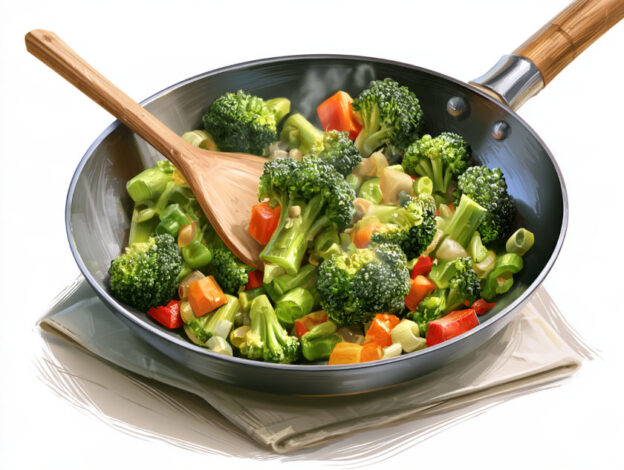
Simple changes, such as leaving edible kiwi skins intact or adding broccoli stalks to stir-fries, could help households reduce waste. Researchers also urged caterers and food manufacturers to investigate opportunities to transform suitable discarded ingredients into nutritious meals, potentially delivering benefits on a much larger scale.
The study was limited to 12 types of raw produce, and further research is needed to assess cooking methods, safety and practical applications. Nevertheless, the findings suggest that reconsidering what belongs on our plates could make healthier, more sustainable eating surprisingly achievable. Not every discarded part is safe or suitable to eat, but making better use of edible scraps could benefit both people and the planet.
More information: Georgia Browne et al, The dietary fibre content of fruit and vegetable kitchen preparation waste and UK consumers’ dietary fibre-related attitudes regarding its consumption, International Journal of Food Sciences and Nutrition. DOI: 10.1080/09637486.2026.2734852
Journal information: International Journal of Food Sciences and Nutrition Provided by Taylor & Francis Group