Monthly Archives: February 2024

Interacting with children may enhance the mental wellness of individuals living in retirement homes

A research project carried out at a retirement facility in South Africa indicates that initiatives facilitating contact between old adults and children could offer significant mental health advantages, potentially aiding in the control of prevalent mental disorders like anxiety and depression. Elizabeth Jane Earl and Debbie Marais from Stellenbosch University in South Africa shared these insights in the open-access publication PLOS ONE on July 5, 2023.

Previous investigations have highlighted that mental health issues frequently go unnoticed and untreated in retirement communities. The conventional approach to addressing these conditions involves various medications and non-drug-based treatments. Some evidence indicates that allowing older adults to engage with children regularly can enhance their mental well-being. Nonetheless, most of this research has been conducted outside retirement settings, with only a limited number of studies focusing on such initiatives within South African establishments.

Earl and Marais undertook a study at a South African retirement home that enables its residents to regularly engage with children attending a preschool located on the premises to explore the potential advantages of cross-generational interactions further. The activities they partake in together include games, puzzles, reading, and singing, all of which align with the Eden Alternative, an eldercare philosophy designed to reduce the factors leading to anxiety and depression.

For their study, the researchers asked residents to fill out a questionnaire assessing their levels of anxiety and depression and to share their experiences interacting with the children. Ten women participated, four of whom showed possible signs of anxiety, depression, or both. All the participants interacted with the preschool children to varying degrees.

The feedback from the residents was overwhelmingly positive. Their responses indicated that spending time with the children fostered a sense of inclusion and purpose, triggered happy memories of their youth, and positively impacted their mood and emotional state. The participants’ initial perceptions of children appeared to affect their personal experiences with the program.

Based on their findings, Earl and Marais suggest that programs encouraging intergenerational interaction could play a role in managing mental health issues among older adults in retirement homes. They recommend adopting such programs and advocating for more comprehensive studies to assess their benefits further.

The authors emphasize: “Engaging with children not only fosters a feeling of inclusion and purpose but also prompts nostalgia and has a positive effect on the mental health of older individuals.”

More information: Earl EJ, Marais D (2023), The experience of intergenerational interactions and their influence on the mental health of older people living in residential care, PLoS ONE. DOI: 10.1371/journal.pone.0287369

Journal information: PLoS ONE

Engage, disconnect, and contribute: guidance for recovery from substance abuse and enhancing mental well-being

Wellness has become a significant industry, with countless individuals each year pledging to lead lives filled with more happiness and health. Yet, for those grappling with substance use and mental health issues, the notion of wellness often doesn’t figure prominently in their path to recovery.

Margaret Swarbrick, a distinguished professor and associate director at the Rutgers Center of Alcohol and Substance Use Studies, is at the forefront of changing this narrative. Her recent work, “Journey to Wellness,” is a 20-page, easy-to-navigate guide developed collaboratively with individuals in recovery to integrate wellness into their journey.

Swarbrick points out a critical gap in current recovery approaches: the lack of involvement of those with mental health and substance use conditions in creating the very tools and interventions meant to aid their recovery. “Journey to Wellness” directly addresses this gap, offering a more personalized and engaging recovery tool.

Contrary to many recovery programs’ structured, step-by-step nature, Swarbrick’s guide aims to be more accessible and tailored to the individual. She criticizes the conventional resources available to those in recovery as needing to be more exciting and offering impractical advice, often penned by individuals without personal recovery experiences. This critique underscores the unique value of “Journey to Wellness,” which draws upon the real-life experiences of those it aims to help, focusing on what has genuinely assisted them in their recovery efforts.

The guide is structured into four main sections, emphasizing proactive steps towards recovery. It highlights the importance of daily human connection as a cornerstone of wellness, encouraging engagement with supportive individuals. It also advises taking brief moments to disconnect from daily stressors, including technology, to foster relaxation. Additionally, it underscores the significance of sleep and doing good deeds for oneself and others as essential wellness strategies.

Although these strategies may seem straightforward, Swarbrick notes that individuals in recovery often overlook such self-healing tactics. The “Journey to Wellness” development involved a co-production strategy, ensuring that those with lived experiences of mental health and substance use issues had a say in all aspects of its creation. This approach is rooted in Swarbrick’s Wellness Model, a framework she has refined for years.

Since its publication, “Journey to Wellness” has been downloaded by thousands, with its potential reach being much more significant. Swarbrick highlights the pressing need for wellness strategies, especially in the wake of increased stress and substance use exacerbated by the COVID-19 pandemic and its ripple effects. In 2020, over 40 million Americans were reported to have a substance use disorder, and approximately 53 million adults were identified as having a mental illness, as per the Substance Abuse and Mental Health Services Administration.

Swarbrick concludes that while there is no one-size-fits-all solution to wellness, there are actionable steps everyone can take daily to tailor their self-care practices, underscoring the guide’s importance in empowering individuals in their recovery journey.

More information: Swarbrick, M., DiGioia-Laird, V., Estes, A., Kavalkovich, S., Nemec, P., Pelland, J., Stewart, B., Treitler, P., Baldomero, J. (2022, February). Journey to Wellness. Piscataway, New Jersey: Center of Alcohol & Substance Use Studies, Graduate School of Applied and Professional Psychology, Rutgers University.

https://alcoholstudies.rutgers.edu/wp-content/uploads/WinR_Self-Care_Guide_05.12.22.pdf

Study finds that the risk for dementia varies by ethnicity

A recent study published in the open-access journal PLOS ONE by Naaheed Mukadam and colleagues from University College London, UK, reveals that certain modifiable risk factors, including hypertension, obesity, diabetes, low HDL cholesterol, and sleep disorders, pose a greater dementia risk for individuals in certain minority ethnic groups compared to those of White ethnicity.

As the global population of individuals with dementia increases, the focus on modifiable risk factors has intensified, suggesting that addressing these could prevent approximately 40% of dementia cases. Despite this, previous research predominantly focused on European populations. The current study diversifies this research by examining the link between dementia risk and these factors across different ethnic groups, utilizing anonymized data from English primary care records from 1997 to 2018, covering 865,674 adults from various ethnic backgrounds.

The findings indicate that 12.6% of the studied population developed dementia, with varying percentages across ethnicities: 16.0% among White individuals, 8.6% in South Asian, 12.1% in Black, and 9.7% in individuals from other ethnic groups. The analysis showed that nearly all the studied risk factors were linked to an increased risk of dementia, with these factors often posing a more significant threat in Black and South Asian populations, especially regarding cardiovascular risks. When factors such as comorbidity, age, sex, and deprivation were considered, hypertension was found to significantly increase the risk of dementia in Black individuals compared to White individuals, with similar findings for hypertension, obesity, diabetes, low HDL, and sleep disorders in South Asian populations. The impact of hypertension on dementia risk was 1.57 times greater in South Asian individuals and 1.18 times greater in Black individuals compared to White individuals.

These outcomes could help explain why minority ethnic groups may exhibit greater susceptibility to dementia, experience an earlier onset, and have shorter survival times following diagnosis. The study emphasizes the need for dementia prevention efforts to specifically address the unique risk profiles of individuals from minority ethnic groups to ensure equitable prevention strategies.

The researchers underscore the importance of tailored dementia prevention measures, recognizing that some risk factors not only occur more frequently in minority ethnic groups but also have a more significant impact compared to the White population. That all calls for a customized approach to dementia prevention that considers ethnicity and specific risk factor profiles to achieve fairness in dementia prevention efforts.

More information: Mukadam N, Marston L, Lewis G, Mathur R, Lowther E, Rait G, et al. (2023) South Asian, Black and White ethnicity and the effect of potentially modifiable risk factors for dementia: A study in English electronic health records. PLoS ONE 18(10): e0289893. DOI: 10.1371/journal.pone.0289893

Journal information: PLoS ONE

Vegetables and fruits have been identified as the source for the development of new anti-cancer compounds

A collaborative team of researchers from Russia, China, and India has unveiled how specific components found in fruits and vegetables can inhibit tumour growth, halt the development of cancerous cells, and impede the division of these cells. The team isolated 30 specific compounds from various vegetables and fruits to achieve these insights and embarked on an extensive experimental journey. Utilizing computer simulations, they meticulously analyzed how certain groups of these substances interact with cellular proteins. The findings, detailing the nature of these compounds and the outcomes of their studies, were published in the esteemed journal Scientific Reports.

Grigory Zyryanov, a prominent figure at Ural Federal University and a Russian Academy of Sciences professor, highlighted the importance of understanding how these dietary compounds impact cell proteins for cancer prevention and treatment. Through molecular modelling, the team observed the binding processes of these substances to proteins, which paved the way to identifying therapeutic targets for future drug development. These targets include proteins that either prevent or promote cell death (apoptosis), protein kinases, and, notably, phosphatidylinositol-3-kinase – a critical enzyme implicated in cancer mutations and gene amplification.

The research spotlighted nine dietary substances, including silibinin, flavopiridol, oleandrin, ursolic acid, oleanolic acid, alpha and beta-boswellic acids, triterpenoid, and guggulsterone, for their significant anti-cancer capabilities across various cancer types. These substances and the enzymes they affect are predominantly found in non-starchy vegetables like broccoli, cabbage, spinach, kale, cauliflower, carrots, lettuce, cucumber, tomato, leek, rutabaga, and turnip. The study also underscores the role of natural compounds, such as alkaloids and flavonoids, in cancer prevention and treatment.

The team explained that combating specific cancer types might require unique natural substances or synergistic combinations. For instance, resveratrol and pterostilbene effectively target breast cancer metastases, while indole-3-carbinol offers broad antitumor activity and protective effects against several cancers, including breast, colon, and cervical cancers.

Zyryanov also reflected on the traditional beliefs in India and China regarding the medicinal potential of natural substances, which formed the basis for their hypothesis that the selected foods possessed anti-cancer properties. Their research confirmed this hypothesis, demonstrating that certain food compound combinations can effectively disrupt the progression of cancer cells.

This groundbreaking study has identified several promising compounds for future research, laying the groundwork for developing new, more effective drugs designed to target cancer cells with minimal side effects precisely.

Zyryanov shared that this research is part of a years-long endeavour with colleagues from China and India, producing significant findings. The collaboration between their institutions continues to yield positive outcomes, with plans for more comprehensive studies that will explore the properties of additional dietary compounds.

The research team comprised chemists from Ural Federal University, the Institute of Organic Synthesis of the Ural Branch of the Russian Academy of Sciences, Shantou University Medical College in China, and Sri Venkateswara University in India, highlighting a remarkable international collaboration in the fight against cancer.

More information: Baki Vijaya Bhaskar et al, Molecular insight into isoform specific inhibition of PI3K-α and PKC-η with dietary agents through an ensemble pharmacophore and docking studies, Scientific Reports. DOI: 10.1038/s41598-021-90287-3

Journal information: Scientific Reports Provided by Ural Federal University

Engaging in regular exercise alleviates cognitive decline associated with obesity

Obesity stands as a significant contributor to the onset of cardiovascular, metabolic disorders and neurodegenerative conditions, including dementia. Engaging in regular physical activity has been shown to bolster memory and spatial awareness, mitigate the cognitive impairments associated with ageing, and preserve brain size, though the underlying biological processes remain partially elusive.

A recent investigation conducted by the Febbraio laboratory at Monash University has unveiled that voluntary exercise training (VET) markedly enhances long-term memory in mice made obese through a high-fat diet (HFD). This improvement is accompanied by a surge in hippocampal neurogenesis and a rise in brain-derived neurotrophic factor (BDNF) levels within the hippocampus, coupled with a reduction in the levels of the pro-inflammatory cytokine TNF. These findings underscore the potential of consistent physical activity to counteract the cognitive deterioration triggered by obesity. Notably, the study highlighted that VET specifically increased Bdnf mRNA expression in the hippocampus of obese mice, though it did not significantly alter BDNF protein concentrations in the hippocampus and bloodstream. It aligns with earlier studies indicating that BDNF expression spikes in the hippocampus are ephemeral and occur within a narrow timeframe. The observed decrease in TNF expression post-exercise intimates that physical activity might initiate a slight inflammatory response in the brain, which, in turn, plays a part in enhancing memory in mice.

This research underscores the pivotal function of exercise training in safeguarding against cognitive decline and neurodegenerative diseases precipitated by obesity, highlighting the intricate interplay between physical activity, brain health, and inflammation.

More information: Oliver K Fuller et al, Exercise training improves long-term memory in obese mice, Life Metabolism. DOI: 10.1093/lifemeta/load043

Journal information: Life Metabolism Provided by Higher Education Press

A diet primarily composed of vegetables or vegetarian choices is associated with a 39% decreased chance of contracting COVID-19

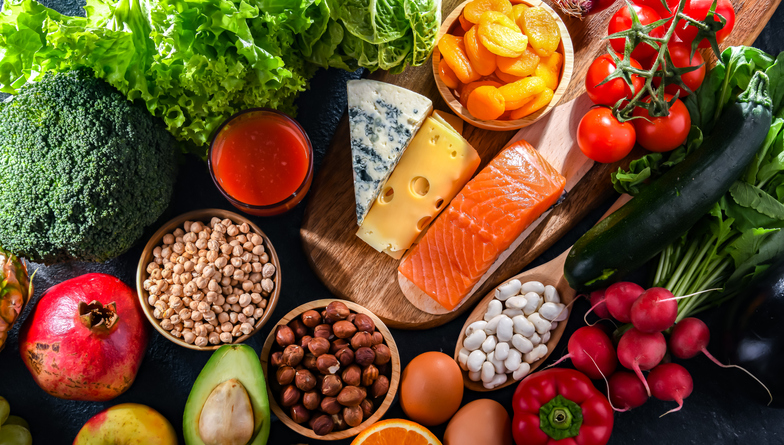
The study’s findings lead the researchers to propose that adopting a diet rich in vegetables, legumes, and nuts while minimizing the intake of dairy products and meat could potentially play a role in preventing COVID-19 infection. This suggestion is rooted in a growing body of research that indicates diet may significantly influence the progression of COVID-19 infection and the severity of its related complications.

To explore the possible effects of dietary habits on the risk and outcome of COVID-19, the researchers embarked on a study involving 702 adults. These volunteers were recruited between March and July 2022 and were assessed for their dietary patterns, frequency of consumption of various food groups, lifestyle choices, and medical histories, including COVID-19 vaccination status. The study categorized the participants into two primary dietary groups: omnivorous (424 participants) and predominantly plant-based (278 participants).

Within the plant-based category, participants were classified as flexitarians/semi-vegetarians, who consumed meat no more than three times a week (87 participants), and vegetarians or vegans (191 participants). Individuals adhering to plant-based or vegetarian diets typically consume higher amounts of vegetables, legumes, and nuts and lower to no dairy and meat products.

The demographic analysis revealed no significant differences in sex, age, or vaccination rates between the omnivorous and plant-based groups. However, a notably higher proportion of the plant-based group had attained a postgraduate level of education. Additionally, the omnivorous group reported a greater prevalence of medical conditions and lower levels of physical activity, alongside a significantly higher incidence of overweight and obesity—factors all linked to an increased risk of contracting COVID-19 and experiencing more severe symptoms or complications.

Out of the total participants, 330 (47%) reported having contracted COVID-19, with 224 (32%) experiencing mild symptoms and 106 (15%) facing moderate to severe symptoms. Notably, the incidence of COVID-19 was significantly higher among the omnivores compared to those in the plant-based dietary groups (52% vs. 40%), with a greater tendency towards moderate to severe infection (18% vs. just over 11%).

Despite these findings, no difference was observed in the duration of symptoms between the two groups. However, after adjusting for variables like weight, pre-existing medical conditions, and physical activity levels, researchers found no significant difference in symptom severity. However, individuals following a predominantly plant-based or vegetarian/vegan diet had a 39% lower risk of infection compared to omnivores.

The researchers suggest that plant-based diets, abundant in antioxidants, phytosterols, and polyphenols, may bolster the immune system’s ability to combat viral infections, including COVID-19. These nutrients are known to impact various cells involved in immune function positively and possess antiviral properties.

Although this study is observational and cannot establish causality, its conclusions are significant. The researchers acknowledge the limitations of relying on self-reported data, which is subject to recall bias and subjective assessment errors. Nonetheless, they advocate for adopting plant-based or vegetarian diets as a precautionary measure against COVID-19, in line with other studies’ findings on the impact of dietary patterns on the disease’s incidence.

Shane McAuliffe, Senior Visiting Academic Associate at the NNEdPro Global Institute for Food, Nutrition and Health, highlights the importance of this research in adding to the evidence that diet may influence susceptibility to COVID-19 infection. However, McAuliffe also calls for more thorough and high-quality research before drawing definitive conclusions about the relationship between specific dietary patterns and the risk of COVID-19 infection.

More information: Júlio César Acosta-Navarro et al, Vegetarian and plant-based diets associated with lower incidence of COVID-19, BMJ Nutrition Prevention & Health. DOI: 10.1136/bmjnph-2023-000629

Journal information: BMJ Nutrition Prevention & Health

Failing to Consume Adequate Amounts of These Six Beneficial Foods Linked to Increased Rates of Cardiovascular Disease and Mortality Worldwide

A comprehensive study orchestrated by McMaster University and Hamilton Health Sciences researchers at the Population Research Health Institute (PHRI) has uncovered that a deficiency in consuming a specific combination of six essential foods is linked to an elevated risk of cardiovascular disease (CVD) in adults.

Incorporating fruits, vegetables, legumes, nuts, fish, and whole-fat dairy into one’s diet is crucial for reducing the risk of CVD, including conditions such as heart attacks and strokes. The findings also highlight that a nutritious diet can be accomplished through various means, including moderate amounts of whole grains or unprocessed meats.

While previous research has concentrated mainly on diets in Western countries that mix detrimental, ultra-processed foods with nutrient-rich foods, this study boasts a global perspective, focusing on universally acknowledged healthy foods.

According to the World Health Organization, nearly 18 million individuals succumbed to CVD in 2019, accounting for 32% of all deaths worldwide. A staggering 85% of these deaths were a result of heart attacks and strokes. To arrive at their conclusions, PHRI researchers and their international partners examined data from 245,000 individuals across 80 countries, drawing from various studies. These findings were published in the European Heart Journal on July 6.

The study utilized a dietary score based on PHRI’s ongoing Prospective Urban and Rural Epidemiological (PURE) study, which was then applied to five independent studies. This approach allowed for assessing health outcomes across different global regions and among individuals with and without previous CVD events.

“Past dietary scores, such as the EAT-Lancet Planetary Diet and the Mediterranean Diet, primarily explored the diet-CVD and mortality link within Western contexts. The PURE Healthy Diet Score, however, encompassed a broad representation of countries across different income levels,” explained Salim Yusuf, the study’s senior author and the principal investigator of PURE.

A notable aspect of the PURE Healthy Diet Score is its exclusive focus on protective or natural foods, setting it apart from other dietary scores that often mix potentially harmful foods (like processed and ultra-processed foods) with protective nutrients and foods.

Andrew Mente, the study’s lead author, PHRI scientist, and assistant professor at McMaster’s Department of Health Research Methods, Evidence, and Impact, pointed out the study’s unique emphasis on increasing the intake of protective foods for disease prevention. He highlighted that moderate consumption of natural foods like fish and whole-fat dairy can lower the risk of CVD and mortality. The same positive health outcomes can be attained with moderate consumption of grains and meats, provided they are unrefined whole grains and unprocessed meats.

The PURE Healthy Diet Score recommends a daily intake of two to three servings each of fruits and vegetables, one of nuts, and two servings of dairy. Additionally, it suggests three to four weekly servings of legumes and two to three weekly servings of fish, with potential substitutions including one daily serving of whole grains and one daily serving of unprocessed red meat or poultry.

This analysis received no specific funding, although each contributing study was independently funded and conducted over 25 years.

More information: Andrew Mente et al, Diet, cardiovascular disease, and mortality in 80 countries, European Heart Journal. DOI: https://doi.org/10.1093/eurheartj/ehad269

Journal information: European Heart Journal Provided by McMaster University

Researchers Identify Key Elements Associated with Successful Ageing

A recent investigation explored the elements contributing to “successful” or optimal ageing, tracking the experiences of over 7,000 Canadians in their middle and later years across roughly three years to pinpoint the factors that bolster well-being as we age.

This research revealed that individuals more likely to sustain excellent health throughout the study and avoid debilitating cognitive, physical, or emotional issues were typically women, married, engaged in regular physical activity, maintained a healthy weight, never smoked, enjoyed higher incomes, and did not suffer from insomnia, heart disease, or arthritis.

To ensure a meaningful analysis, the study commenced with participants who were already in prime health, characterized by the absence of memory issues, chronic debilitating pain, serious mental illness, or physical disabilities that impede daily activities. Additionally, these individuals had robust social support networks and high happiness levels and were very satisfied with their lives.

Mabel Ho, the study’s lead author and a doctoral candidate at the University of Toronto’s Factor-Inwentash Faculty of Social Work and the Institute of Life Course and Aging, expressed both surprise and delight at discovering that over 70% of the participants retained their excellent health status throughout the study. Ho emphasized the significance of focusing on the strengths and positive aspects of ageing rather than exclusively highlighting the negative or problematic aspects commonly portrayed in media and research.

The study also noted variations in the prevalence of successful ageing based on the age of the participants at the outset. Approximately three-quarters of those aged between 55 and 64 managed to maintain their health throughout the study, whereas around half of those aged 80 and above achieved the same feat.

Highlighting the remarkable resilience and well-being among the oldest participants, Ho pointed out the encouraging implications for older adults and their families, who might otherwise brace for a steep decline in health after 80. Understanding the factors linked to successful ageing can aid in crafting supportive environments that foster a fulfilling and healthy later life.

Obesity emerged as a significant detriment to ageing well, with normal-weight older adults having a 24% higher chance of optimal ageing compared to their obese counterparts. The study corroborated previous findings about the negative impact of obesity on physical and cognitive health and underscored the importance of physical activity in ageing gracefully.

Income levels also played a crucial role, with only about half of the individuals living below the poverty line ageing optimally, in contrast to three-quarters of those above it. This gap suggests that financial constraints may limit access to healthy lifestyle choices and elevate stress levels, though further research is needed to understand this dynamic fully.

The research further established the importance of lifestyle choices, showing that older adults who never smoked were 46% more likely to maintain excellent health than current smokers. The benefits of quitting smoking later in life, such as improved survival rates and reduced respiratory symptoms, were highlighted, along with the finding that former smokers had health outcomes comparable to those who never smoked.

Physical activity was identified as a critical factor in maintaining health in later life, with those engaging in moderate to strenuous activities being significantly more likely to age well. Similarly, sound sleep was linked to a 29% higher likelihood of preserving excellent health, underscoring the value of addressing sleep issues through interventions like cognitive-behavioural therapy for insomnia (CBT-I).

Published in the International Journal of Environmental Research and Public Health, this study utilized data from the Canadian Longitudinal Study on Aging to examine the determinants of optimal ageing, focusing on respondents in prime health at the study’s commencement. This approach highlights the critical influence of health, lifestyle, and socioeconomic factors on the ageing process, offering valuable insights for individuals, families, practitioners, and policymakers aiming to support a vibrant and healthy later life.

More information:Ho, M., Pullenayegum, E., Burnes, D., & Fuller-Thomson, E. (2022). Successful aging among immigrant and Canadian-born older adults: Findings from the Canadian Longitudinal Study on Aging (CLSA). International Journal of Environmental Research and Public Health, 19(20): 13199. https://doi.org/10.3390/ijerph192013199

Journal information: International Journal of Environmental Research and Public Health Provided by University of Toronto

Exploration of Physical Fitness Among Adults Between 50 and 64 Years Old

Sedentary Lifestyle, Increased Waist Size, and Aging: Key Factors Linked to Lower Physical Fitness in Adults Aged 50 to 64

A comprehensive study involving more than 5,000 individuals has shed light on the significant association between sedentary behaviour, larger waist circumferences, and older age with decreased physical fitness levels among adults aged 50 to 64. This investigation into the detailed correlations reveals considerable disparities in fitness levels.

Physical fitness is crucial for sports performance and plays a significant role in the endurance needed for daily activities and maintaining an active lifestyle. Prior research has consistently demonstrated a strong link between optimal fitness levels and various health outcomes, including a lower risk of cardiovascular diseases.

The study published in BMJ Open engaged 5,308 participants within the 50–64 age bracket, with a slight majority (51%) of women. It focused on how maximal oxygen uptake (VO2 max), a key fitness indicator, differs across demographic segments.

This research considered a range of factors, including sociodemographic attributes (such as age, gender, and education level), lifestyle choices, self-reported health status, body metrics, disease incidence, and levels of physical activity and sedentariness, as measured by accelerometers.

Notably, Uneven Fitness Levels Across Populations

Participants underwent a cycling fitness assessment while wearing an accelerometer to record a week’s worth of data on the frequency, duration, and intensity of their physical activity, encompassing daily movements and any specific exercise sessions.

Mats Börjesson, a Professor of Sports Physiology at the Sahlgrenska Academy, University of Gothenburg, and the study’s lead author, highlighted identifying demographic groups most at risk for low fitness levels. These groups include older individuals, those born outside of the country, individuals with lower education levels, those with larger waist circumferences, individuals reporting poor health, and people leading predominantly sedentary lifestyles with minimal engagement in vigorous physical activity, including those relying on cars or public transport for commuting.

For men, financial difficulties and a history of tobacco use were additional factors linked to reduced fitness, pointing to a skewed distribution of fitness levels across the population.

Identifying those with lower fitness levels is crucial for targeting fitness improvement initiatives or preventive health measures. Previously, such insights were often derived from smaller or more homogeneous study populations.

Invaluable Insights for Healthcare and Further Research

Elin Ekblom Bak, a research fellow in sports science at the Swedish School of Sport and Health Sciences (GIH) and the study’s corresponding author, emphasized its novelty in examining the relationship between physical activity and sedentary behaviour, as measured by an accelerometer, with fitness levels. The study independently linked sedentary lifestyles and high-intensity physical activity with lower and higher fitness levels. This research provides valuable insights for healthcare providers, future studies, and public health initiatives.

The findings are based on the Swedish CArdioPulmonary bioImage Study (SCAPIS), supported primarily by the Swedish Heart Lung Foundation. This study is a pivotal contribution to understanding how lifestyle factors influence physical fitness, offering a foundation for targeted health interventions and enhancing the general well-being of the middle-aged and older populations.

More information: Mats Börjesson University of Gothenburg, Elin Ekblom Bak
The Swedish School of Sport and Health Sciences, Correlates of cardiorespiratory fitness in a population-based sample of middle-aged adults: cross-sectional analyses in the SCAPIS study, BMJ Open. DOI: 10.1136/bmjopen-2022-066336

Journal information: BMJ Open Provided by University of Gothenburg