Monthly Archives: September 2025

AI-Enhanced Approaches to Forecasting Knee Osteoarthritis Outcomes

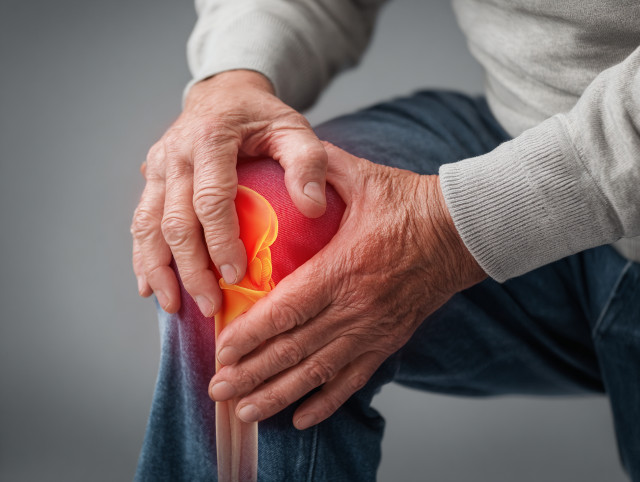
An artificial intelligence (AI) model that integrates MRI scans, biochemical tests, and clinical information has shown early promise in predicting whether a patient’s knee osteoarthritis will worsen. The study, led by Ting Wang of Chongqing Medical University in China, was published on August 21st in the open-access journal PLOS Medicine. The research suggests that this kind of integrated model may support clinicians in making earlier and more accurate treatment decisions for patients at risk of disease progression.

Knee osteoarthritis is a common and debilitating condition in which cartilage in the knee joint deteriorates over time, causing persistent pain and stiffness. Globally, it affects more than 300 million people and is a leading cause of disability among older adults. In severe cases, the disease often results in the need for total knee replacement surgery. Predicting which patients are most likely to experience worsening symptoms or structural decline could allow doctors to deliver more timely interventions, potentially slowing disease progression and improving quality of life.

Previous studies have suggested that predictive models may be strengthened by drawing upon multiple forms of patient data. For instance, MRI scans can reveal subtle changes in cartilage and joint space, while biochemical tests in blood or urine may capture metabolic or inflammatory signals. Clinical data, meanwhile, provides essential context about pain, mobility, and overall health. Yet, despite the promise of such multimodal approaches, few studies have successfully integrated all three forms of information into a single AI-driven model.

To address this gap, Wang and colleagues analysed data from 594 individuals with knee osteoarthritis, drawn from the Foundation of the National Institutes of Health Osteoarthritis Biomarkers Consortium. This included clinical assessments, biochemical test results, and a total of 1,753 MRI scans gathered over two years. The team used half the dataset to build a predictive model they called the Load-Bearing Tissue Radiomic plus Biochemical biomarker and Clinical variable Model (LBTRBC-M), and then validated its performance using the other half. The results showed that LBTRBC-M could accurately distinguish between patients who would experience worsening pain, combined pain and joint space narrowing, structural worsening without pain, or no decline at all over the following two years.

Importantly, the model was also tested in a clinical context by seven resident physicians. When these doctors used the LBTRBC-M system to guide their own predictions, their accuracy improved significantly—from just under 47 per cent to more than 65 per cent. This finding demonstrates the potential of AI models not only as research tools but as practical supports for medical decision-making. By synthesising complex data into actionable predictions, such systems could provide clinicians with an evidence-based means of identifying patients most at risk of rapid disease progression.

The authors emphasised that further refinement and broader validation are needed before LBTRBC-M can be implemented in routine clinical practice. Nevertheless, they underscored the potential of combining deep learning with longitudinal imaging and biochemical biomarkers to advance personalised care. “Our study shows that integrating these approaches significantly improves prediction of knee osteoarthritis progression, creating opportunities for earlier and more tailored interventions,” they wrote. Co-author Professor Changhai Ding added that the work highlights how AI can extract clinically meaningful insights from complex musculoskeletal datasets, paving the way for innovations that bridge technology and patient-centred care.

More information: Ting Wang et al, Predicting knee osteoarthritis progression using neural network with longitudinal MRI radiomics, and biochemical biomarkers: A modeling study, PLOS Medicine. DOI: 10.1371/journal.pmed.1004665

Journal information: PLOS Medicine Provided by PLOS

Community Exercise Classes Empower Older Adults to Stay Strong and Independent

Older adults who regularly engaged in a community-based exercise programme were able to slow—and in some cases reverse—the natural declines in cardiovascular fitness and muscle strength associated with ageing, according to a new study from McMaster University. The findings, published in the journal Exercise, Sport, and Movement, highlight the remarkable potential of structured, age-appropriate physical activity to help seniors maintain their health and independence.

The study revealed particularly promising outcomes for women, whose cardiorespiratory fitness actually improved over time. For men, declines in aerobic capacity were significantly less steep than expected. Both groups also preserved more muscle strength than is usually associated with ageing. These results emphasise the power of consistent, guided exercise in supporting the well-being of older adults at a time when the population over 65 is expanding rapidly.

Researchers followed 124 participants enrolled in the MacSeniors Exercise and Wellness Programme at McMaster’s Physical Activity Centre of Excellence (PACE) over five years. Each individual was encouraged to attend at least two sessions per week, combining a minimum of 30 minutes of moderate-intensity aerobic exercise—ideally totalling 150 minutes weekly—with resistance training for every major muscle group. The programme was designed in line with national guidelines for physical activity among older adults.

During the study, investigators tracked two key measures of long-term health: cardiorespiratory fitness and muscular strength. These are not only markers of functional ability but also predictors of chronic illness, independence, and even mortality risk. “This is a stage of life when many physiological systems are in decline,” explained Angelica McQuarrie, co-author and Programme Manager at PACE. “The fact that participants could sustain their function, reduce the expected age-related changes, and in the case of women reverse them, really underscores the importance of community-based exercise.”

The researchers also credited the supportive social environment as a crucial factor. “A welcoming community keeps older adults engaged, connected, and motivated to return,” said co-author Giulia Coletta, a kinesiology PhD graduate. “When that social connection is combined with evidence-based exercise, participants gain both the confidence and the knowledge to stay active independently. That combination is what leads to lasting health improvements.”

These findings are particularly significant in light of the well-documented decline in physical capacity that begins surprisingly early in adulthood. Aerobic capacity starts to drop after age 30, with the rate of decline accelerating after 45 and worsening through the later decades of life. Muscle strength, which is vital for mobility and fall prevention, also decreases steadily from midlife onward. By the age of 40, respiratory muscle strength typically falls by 8 to 10 per cent per decade, threatening both health and independence if left unaddressed.

For Stuart Phillips, co-author and Director of PACE, the implications are clear. “These kinds of programmes provide sustainable, affordable options where older adults can be guided and monitored in a friendly, non-intimidating environment,” he said. “It’s never too late to get started, and the impact on daily living is profound. Regular, structured activity not only helps preserve physical function but also gives participants confidence, independence, and a stronger quality of life.”

More information: Giulia Coletta et al, Long-Term Enrollment in a Community Exercise Program Attenuates Age-Related Declines in Fitness in Older Adults, Exercise Sport and Movement. DOI: 10.1249/ESM.0000000000000052

Journal information: Exercise Sport and Movement Provided by McMaster University

Metabolic syndrome increases vulnerability to Parkinson’s disease

A recent study published on 20 August 2025 in Neurology®, the journal of the American Academy of Neurology, has found that people with metabolic syndrome face a heightened risk of developing Parkinson’s disease. While the findings highlight a significant association, the researchers caution that the results do not prove metabolic syndrome directly causes Parkinson’s. Instead, the study underscores a possible link between the two conditions, raising important questions about prevention and risk management.

Metabolic syndrome is diagnosed when a person has three or more of the following factors: excess abdominal fat, high blood pressure, elevated blood sugar, higher-than-normal triglyceride levels, and reduced levels of high-density lipoprotein (HDL), commonly known as the “good” cholesterol. Each of these elements places stress on the body’s metabolic and cardiovascular systems, and together they form a profile that increases vulnerability to a wide range of diseases, now including Parkinson’s.

“Parkinson’s disease is the second most common neurodegenerative disorder among older adults, after Alzheimer’s disease, and metabolic syndrome affects roughly one in four adults worldwide,” said lead author Weili Xu, PhD, of the Karolinska Institutet in Stockholm. “Our findings suggest that metabolic syndrome may be a modifiable risk factor for Parkinson’s disease. More research is needed to determine whether improving metabolic health can actually help prevent the onset of Parkinson’s.”

The research team tracked 467,200 participants, with an average age of 57, over a median period of 15 years. Of those, 38% were identified as having metabolic syndrome. Over the study period, 3,222 people developed Parkinson’s disease. After adjusting for age, lifestyle factors such as smoking and physical activity, and genetic predispositions, the researchers found that individuals with metabolic syndrome were around 40% more likely to develop Parkinson’s than those without it. A complementary meta-analysis, combining this study with eight previous investigations, confirmed the association, showing that people with metabolic syndrome have a 29% increased risk overall.

The study also discovered that people who had both metabolic syndrome and a genetic susceptibility to Parkinson’s faced an even greater risk, underscoring the importance of maintaining metabolic health, especially in genetically predisposed individuals. However, the researchers note a limitation: the study population was predominantly white, which means the findings may not fully represent other ethnic groups. Despite this, the results suggest that managing weight, blood pressure, and other metabolic factors could be a practical way to lower the risk of Parkinson’s disease on the broader population.

More information: Weili Xu et al, Metabolic Syndrome and Incidence of Parkinson Disease, Neurology. DOI: 10.1212/WNL.0000000000214033

Journal information: Neurology Provided by American Academy of Neurology

Mediterranean diet shows promise in protecting against inherited Alzheimer’s risk

A new study led by researchers from Mass General Brigham, the Harvard T.H. Chan School of Public Health, and the Broad Institute of MIT and Harvard suggests that following a Mediterranean-style diet may lower the risk of dementia. Published in Nature Medicine, the research found that people at the highest genetic risk for Alzheimer’s disease saw the most significant benefit from this diet, showing a marked reduction in dementia risk compared with those at lower genetic risk.

The Mediterranean diet—rich in fruits, vegetables, whole grains, legumes, olive oil, and fish—has previously been the only dietary pattern shown in a randomised trial to improve cognition directly. “We wanted to know if the benefits might vary depending on genetic background and whether diet could affect blood metabolites linked to brain health,” said first author Yuxi Liu, PhD, a research fellow at Brigham and Women’s Hospital and the Harvard Chan School.

Genetics play a significant role in Alzheimer’s, with heritability estimated at up to 80 per cent. The APOE gene is the most substantial known risk factor: carrying one copy of the APOE4 variant triples or quadruples risk, while having two copies increases risk twelve-fold. The study aimed to determine whether dietary habits could influence outcomes in individuals with this heightened susceptibility.

To answer this, the researchers analysed data from more than 4,200 women in the Nurses’ Health Study and 1,490 men in the Health Professionals Follow-Up Study, with participants followed for up to three decades. Diet was assessed through food questionnaires, blood was analysed for hundreds of metabolites, and genetic data were used to estimate Alzheimer’s risk. Some participants also completed regular cognitive testing by telephone.

The results showed that those adhering more closely to a Mediterranean-style diet were less likely to develop dementia and experienced slower cognitive decline. The most substantial benefits were observed in individuals carrying two copies of the APOE4 variant, suggesting diet may counterbalance a significant inherited risk.

The authors cautioned that the findings were drawn from largely well-educated participants of European ancestry and that more diverse studies are needed. They also emphasised that while genetics and metabolomics offer valuable clues, these tools are not yet part of everyday clinical practice. Future research will aim to determine whether tailoring diet to genetic and metabolic profiles can provide even stronger, more personalised protection against Alzheimer’s disease.

More information: Yuxi Liu et al, Interplay of genetic predisposition, plasma metabolome and Mediterranean diet in dementia risk and cognitive function, Nature Medicine. DOI: 10.1038/s41591-025-03891-5

Journal information: Nature Medicine Provided by Mass General Brigham

Research uncovers hidden body fat’s role in speeding up heart ageing

An extensive new study has revealed that excessive amounts of visceral fat — the hidden fat stored deep within the abdomen and wrapped around vital organs — are linked to faster ageing of the heart. Although age is already the most significant risk factor for cardiovascular disease, the reasons why some people’s hearts age more quickly than others remain unclear. Researchers now suggest that visceral fat may play a central role in this process, making it a potential target for therapies aimed at protecting long-term heart health.

The investigation, led by scientists at the Medical Research Council (MRC) Laboratory of Medical Sciences in London, analysed body scans and health data from more than 21,000 participants in the UK Biobank. The study, published in the European Heart Journal, used advanced imaging to measure both the quantity and distribution of fat, as well as detailed scans of the heart and blood vessels. With the help of artificial intelligence, the team assessed these images for signs of organ ageing — such as stiffened or inflamed tissues — and assigned each participant a “heart age” to compare with their actual age.

The findings demonstrated a strong link between higher levels of visceral adipose tissue and accelerated ageing of the heart. Unlike the fat just beneath the skin, this type of fat is hidden from view, meaning that even people who appear slim or have a healthy body weight can carry dangerous amounts. Blood samples also showed that visceral fat is associated with raised levels of inflammation, which is thought to drive premature ageing across multiple organ systems.

The study also highlighted striking differences between men and women. Men with an “apple-shaped” pattern of fat — concentrated around the abdomen — were more likely to show signs of early heart ageing. By contrast, women with a “pear-shaped” distribution of fat — around the hips and thighs — tended to have a degree of protection against cardiovascular decline. In addition, premenopausal women with higher oestrogen levels showed slower heart ageing, suggesting that hormones may help explain sex-specific differences.

Professor Declan O’Regan, who led the research at the MRC Laboratory of Medical Sciences and Imperial College London, said the results underscore the importance of understanding not just how much fat a person carries, but where it is stored. He noted that BMI was a poor predictor of heart age and added that even physically active individuals can be at risk if they carry large amounts of hidden visceral fat. Looking ahead, he and his team aim to investigate whether new drug treatments, such as GLP-1 inhibitors including Ozempic, might reduce the ageing effects of this fat in addition to helping with obesity and diabetes.

The Medical Research Council, the British Heart Foundation, and the National Institute for Health and Care Research, Imperial College Biomedical Research Centre funded the study. Professor Bryan Williams OBE, Chief Scientific and Medical Officer at the British Heart Foundation, said the findings are concerning because excess visceral fat is already known to raise blood pressure and cholesterol. He added that future therapies may benefit from focusing on hormonal influences such as oestrogen. Still, he stressed that lifestyle choices remain vital: eating a healthier diet and becoming more active can both reduce visceral fat and help protect the heart from premature ageing.

More information: Vladimir Losev et al, Sex-specific body fat distribution predicts cardiovascular ageing, European Heart Journal. DOI: 10.1093/eurheartj/ehaf553

Journal information: European Heart Journal Provided by UK Research and Innovation

Education and Its Impact on Biological Ageing Patterns

A new study from the USC Leonard Davis School of Gerontology has found that Americans with lower levels of education are ageing faster than their better-educated peers, and this inequality has grown significantly over the past three decades. The findings highlight that differences in health are not solely a matter of lifestyle or chance but are profoundly tied to educational attainment. The researchers argue that the growing divide in biological ageing reflects the enduring impact of social inequalities that shape people’s health trajectories across their lives.

At the centre of the study is the concept of biological ageing, which looks beyond the number of years someone has lived. Chronological age counts birthdays, but biological age measures how well the body is functioning—how organs, systems, and tissues are changing over time. Two people in their mid-sixties may share the same chronological age, yet one may have a biological profile similar to that of someone a decade younger. At the same time, the other may exhibit accelerated decline. This measure, researchers explain, provides a sharper lens on health than simple age.

“Biological age gives us a clearer picture of health than chronological age,” said Professor Eileen Crimmins, the study’s senior author. “It allows us to understand who is likely to remain healthy longer and who may face higher risks of disease and disability.” By studying changes at the biological level, the researchers can pinpoint disparities in health that traditional measures may overlook, particularly those influenced by education and social background.

The research team drew upon data from the National Health and Nutrition Examination Survey, focusing on adults aged 50 to 79 across two different periods: 1988–1994 and 2015–2018. Their analysis showed that while biological ageing has slowed for the American population overall—a sign of progress in health outcomes—the benefits were not distributed evenly. Adults with higher education experienced significantly greater improvements than those with less schooling, resulting in an ever-widening gap between the two groups.

In the earlier survey period, the difference in biological ageing between adults with less than a high school education and those holding a university degree was approximately one year. By 2015–2018, the gap had nearly doubled to two years. “This means that people with more education are not just living longer lives; they are ageing more slowly than everyone else,” said Mateo Farina, assistant professor at the University of Texas at Austin and lead author of the study. “The health improvements we see at the population level are not being shared equally across society.”

Why does education matter so profoundly for ageing? Education influences employment opportunities, income, neighbourhood environments, and access to healthcare. It also shapes behaviours such as smoking, diet, and exercise, all of which contribute to long-term health. The researchers tested whether smoking, obesity, or medication use might explain the growing divide, but these factors did not account for the full disparity. Instead, it was education itself—with its far-reaching effects on opportunity and wellbeing—that emerged as the strongest predictor of differences in ageing.

Crimmins noted that “education shapes opportunities and risks throughout the life course. It is one of the most powerful social determinants of health, and its influence leaves a visible mark on how fast or slow our bodies age.” This framing underscores that educational inequality is not only about career prospects or income but also about something as fundamental as how long and how well people live. The health gap created by unequal schooling has become a matter of public health concern, demanding responses that reach far beyond the classroom.

The implications are sobering. If current trends continue, people with less education may not only have shorter lives but also spend a greater proportion of their later years in poor health, putting added strain on families, communities, and health systems. Farina stressed that this is not merely an issue of personal responsibility but a collective one. “If we want to reduce health disparities, we must view education as a public health investment,” he said. In this light, the study’s findings urge policymakers to see equal access to quality education as essential not only for social equity but for the health and longevity of future generations.

More information: Mateo Farina et al, Increasing Educational Inequality in Biological Aging Among U.S. Adults Aged 50–79 From 1988–1994 to 2015–2018, Demography. DOI: 10.1215/00703370-12175545

Journal information: Demography Provided by University of Southern California

Omega-3 shows promise in reducing women’s risk of Alzheimer’s

Recent research suggests that omega fatty acids may play a protective role against Alzheimer’s disease in women. Scientists investigating lipid profiles in the blood have found that women living with Alzheimer’s show a marked reduction in unsaturated fats – particularly those containing omega fatty acids – when compared with cognitively healthy women. These fats are vital for brain health, and their depletion could help explain why women are disproportionately affected by Alzheimer’s disease. In contrast, men with the condition showed no significant difference in the same lipid molecules compared to their healthy counterparts, suggesting a sex-specific role of lipids in the disease.

The study, published in Alzheimer’s & Dementia: The Journal of the Alzheimer’s Association by researchers at King’s College London and Queen Mary University London, represents the first large-scale evidence that lipid biology could influence Alzheimer’s differently in men and women. The team analysed plasma samples from 841 participants, including those with Alzheimer’s, mild cognitive impairment, and cognitively healthy individuals. Using mass spectrometry, they examined around 700 lipid molecules in the blood, finding a pronounced rise in saturated fats – often labelled as “unhealthy” – in women with Alzheimer’s. In contrast, the beneficial omega-rich lipids were significantly reduced.

Senior author Dr Cristina Legido-Quigley highlighted the significance of this discovery. Alzheimer’s disease disproportionately impacts women, and they are more often diagnosed with the condition than men after the age of 80. One of the most surprising findings was the stark difference between the sexes: in men, there was no discernible difference in lipid levels between the healthy and cognitively impaired groups, whereas in women, the difference was clear. These results suggest that the biology of Alzheimer’s is shaped differently by sex, opening up new directions for future research.”

The researchers emphasise that while their analysis points to a statistical link between omega fatty acids and Alzheimer’s disease in women, clinical trials are needed before dietary interventions can be formally recommended. Nevertheless, Dr Legido-Quigley noted that women may wish to ensure they are obtaining adequate omega fatty acids through sources such as fatty fish or supplements. Establishing whether modifying lipid intake could influence the disease’s biological trajectory is a critical next step.

First author Dr Asger Wretlind added that these findings underscore a crucial biological difference that has long been overlooked. “Scientists have known for years that more women than men are diagnosed with Alzheimer’s disease. In this study, we demonstrated biological differences in lipid composition between the sexes in a large cohort, a finding that has not been previously reported. The results are striking, and our next question is how early in life these changes emerge in women and whether interventions at that stage could alter long-term risk.”

Alzheimer’s Research UK also welcomed the study, noting its importance for understanding the gendered dimensions of dementia. Dr Julia Dudley, Head of Research at the charity, pointed out that two-thirds of people with dementia in the UK are women, which may reflect a combination of longevity, hormonal changes, and social or educational factors. She cautioned that more work is required to unravel the mechanisms behind lipid differences and to test whether lifestyle changes, including diet, can alter disease risk. She also emphasised the importance of including more ethnically diverse participants in future studies. As she explained, “Understanding how the disease works differently in women could help tailor future treatments and health advice. This research is an important step towards that goal.”

More information: Cristina Legido-Quigley et al, Lipid profiling reveals unsaturated lipid reduction in women with Alzheimer’s disease, Alzheimer’s & Dementia. DOI: 10.1002/alz.70512

Journal information: Alzheimer’s & Dementia Provided by King’s College London