Monthly Archives: February 2026

Routine movements outweigh handgrip strength in supporting osteoarthritis patients

Daily physical activity plays a far more significant role in the well-being of people living with osteoarthritis than handgrip strength or isolated motor tasks, according to new research from the University of Sharjah. The study, published in the European Journal of Applied Physiology, challenges common assumptions in osteoarthritis research by shifting attention away from single measures of muscular strength and towards the everyday movements that shape how individuals function and feel in their daily lives.

The researchers set out to address what they describe as an overlooked question in both clinical practice and scientific literature: which daily physical abilities most strongly influence quality of life for people with osteoarthritis. To do this, they analysed data from more than 38,000 adults aged 50 and above across 28 European countries, drawing on the Survey of Health, Ageing and Retirement in Europe. This large-scale dataset allowed the team to examine links between physical function and well-being in a diverse population living with age-related joint disease.

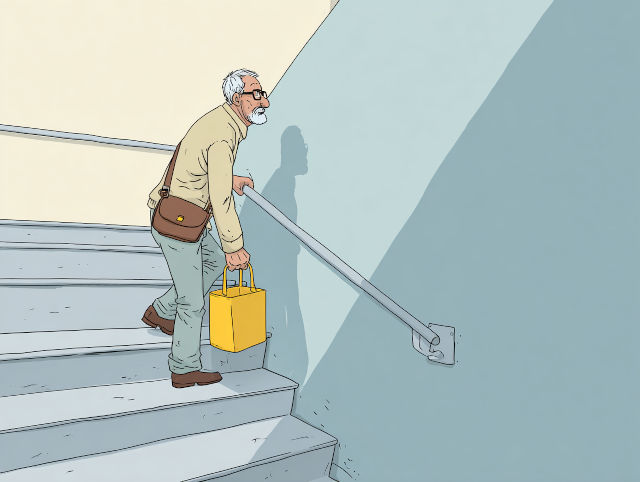
The analysis focused on two broad categories of physical indicators. The first was handgrip strength, a commonly used measure of overall muscle health in ageing populations. The second included routine motor tasks such as walking, standing up from a chair, climbing stairs, and coping with fatigue. These measures were examined alongside CASP-12, a validated questionnaire that assesses quality of life by capturing individuals’ sense of control, autonomy, self-realisation, and enjoyment of life.

The findings revealed a striking pattern. Although people with osteoarthritis tended to have weaker grip strength and lower overall quality-of-life scores than those without the condition, grip strength itself was not strongly associated with well-being. Instead, difficulties with everyday movements showed a much closer relationship with reduced quality of life. Tasks that many people take for granted—walking short distances, climbing stairs, rising from a seated position, and managing persistent fatigue—proved to be powerful indicators of how individuals perceive their independence and purpose.

These results suggest that osteoarthritis affects far more than the joints alone. Limitations in daily mobility were closely linked to diminished confidence, reduced autonomy, and lower enjoyment of life. Fatigue, in particular, emerged as one of the strongest predictors of poor well-being, highlighting a symptom that is often under-recognised in osteoarthritis care. The researchers argue that addressing fatigue and functional mobility should be central goals of treatment, rather than secondary concerns overshadowed by pain management alone.

From a clinical and public health perspective, the study offers important practical implications. Simple assessments of everyday movement may provide faster and more meaningful insights into a patient’s quality of life than traditional strength-based tests. The authors suggest that rehabilitation, physiotherapy, and community-based programmes could be more effective if they prioritise improving daily mobility and energy levels. By focusing on how people move through their everyday lives, rather than how strong a single muscle group is, healthcare providers may better support autonomy, dignity, and well-being among the growing global population living with osteoarthritis.

More information: Asima Karim et al, Associations between handgrip strength, motor tasks, and quality of life in older adults with osteoarthritis, European Journal of Applied Physiology. DOI: 10.1007/s00421-025-06082-9

Journal information: European Journal of Applied Physiology Provided by University of Sharjah

Longevity Studies Advance as Researchers Identify a Crucial Missing Element

Improvements in public health and medicine have enabled people to live to older ages than at any other point in human history. However, these added years are often accompanied by declining health rather than prolonged vitality. Ageing itself is unavoidable, but it is closely linked to a sharp rise in chronic illnesses, including cancer, diabetes, and Alzheimer’s disease. As a result, many individuals spend their later years managing disease rather than enjoying the benefits of a longer lifespan. This growing gap between lifespan and healthspan has become one of the central challenges of modern biomedical research.

The laboratory led by Kris Burkewitz, an assistant professor of cell and developmental biology, is working to address this challenge by asking whether the biological links between ageing and disease can be weakened or even broken. The goal is not to stop ageing altogether, but to preserve health for as long as possible, allowing people to remain active and independent later in life. To pursue this aim, the Burkewitz lab studies how cells organise their internal compartments, known as organelles, and how the structure and arrangement of these compartments shape cellular function, metabolism, and vulnerability to disease.

In a recent paper published in Nature Cell Biology, Burkewitz and his colleagues describe a previously unrecognised way in which cells adapt to ageing. Their work shows that cells actively remodel the endoplasmic reticulum, or ER, one of the largest and most complex organelles in the cell. This remodelling occurs through a process called ER-phagy, in which specific regions of the ER are selectively broken down and recycled. The discovery that ER-phagy plays a role in ageing suggests that this process is a promising target for future therapies aimed at age-related conditions, including neurodegenerative and metabolic diseases.

Previous studies of ageing have largely focused on how the levels of different cellular components change over time. In contrast, the Burkewitz lab is interested in how ageing alters the spatial organisation of these components within the crowded interior of the cell. The efficiency of cellular metabolism depends not only on which molecular machines are present, but also on where they are located and how they interact. Burkewitz compares this to a factory filled with specialised equipment: even if all the machines are available, production only runs smoothly when they are arranged in the correct order and position. When space is limited, or demands change, reorganisation becomes essential, and when organisation fails, efficiency rapidly declines.

The ER plays a central role in this internal organisation. It is a sprawling network of sheets and tubules that functions as a major site for protein and lipid production while also acting as a structural scaffold for other organelles. Despite its importance, little was previously known about how the ER changes as organisms age. Using advanced genetic tools and high-resolution light and electron microscopy, the research team was able to observe the ER inside living cells of ageing Caenorhabditis elegans worms, a powerful model organism for ageing research due to its transparency and short lifespan.

These observations revealed that ageing cells undergo striking changes in ER structure. As animals grow older, the amount of rough ER, which is involved in protein production, decreases substantially, while the tubular ER associated with lipid metabolism is far less affected. The team also demonstrated that ER-phagy actively drives this remodelling and is linked to lifespan and healthy ageing. Looking ahead, the Burkewitz lab aims to understand how early changes in ER structure influence the organisation of other cellular compartments and whether these alterations act as triggers for later dysfunction and disease. Identifying such triggers could open the door to interventions that preserve health deep into old age, offering the prospect of longer lives that are not only extended, but truly lived well.

More information: Eric Donahue et al, ER remodelling is a feature of ageing and depends on ER-phagy, Nature Cell Biology. DOI: 10.1038/s41556-025-01860-1

Journal information: Nature Cell Biology Provided by Vanderbilt University

Mayo Clinic study uses artificial intelligence to link core density in midlife to fall risk

Artificial intelligence applied to abdominal imaging may help identify adults at increased risk of falling as early as midlife, according to new research from Mayo Clinic. Published in Mayo Clinic Proceedings, the study points to abdominal muscle quality — an often-overlooked component of core strength — as a significant predictor of fall risk in adults aged 45 years and older. The findings suggest that subtle changes detectable well before older age may have important implications for long-term physical function and injury prevention.

Falls are a significant cause of injury worldwide, particularly among older adults, and they place a substantial burden on healthcare systems. Traditionally, fall risk assessments have focused on balance, gait, and lower-limb strength later in life. However, the Mayo Clinic researchers found that early markers of fall risk may already be visible in routine CT scans that many patients undergo for unrelated medical reasons. This raises the possibility of identifying individuals at higher risk much earlier, without the need for additional tests or screening programmes.

Working closely with radiology bioinformatics experts, the research team examined whether AI-derived measurements from abdominal CT images could reveal early physical changes linked to future falls. They analysed a range of variables, including fat distribution, muscle size, muscle density and indicators of bone quality. By using artificial intelligence to extract and quantify these features, the researchers were able to assess muscle and tissue characteristics with far greater precision than standard visual interpretation allows.

Their analysis showed that muscle density — a measure of muscle quality — was a much stronger predictor of fall risk than muscle size. Muscle size reflects how large a muscle appears, whereas muscle density provides insight into its internal composition. On a CT scan, denser muscles appear darker and more uniform, indicating less fat infiltration and healthier muscle tissue. In contrast, lower muscle density often reflects poorer muscle quality, even when overall muscle size appears adequate.

Lead author Jennifer St. Sauver, PhD, an epidemiologist at Mayo Clinic in Rochester, explains that muscle density captures aspects of muscle health that size alone cannot. More homogeneous muscles tend to be denser and contain less fat, which is associated with better strength and physical performance. Previous studies have suggested that muscle density is more closely linked to physical function than muscle size, and the current findings reinforce this view. The results indicate that assessments focusing only on muscle mass may overlook important indicators of functional decline.

Although the researchers expected to observe associations between poorer abdominal muscle measures and higher fall rates in older adults, they were surprised by how strong these relationships were in middle-aged adults. The findings also challenge the traditional emphasis on leg muscles alone, showing that abdominal muscles play a meaningful role in physical function and stability. Overall, the study underscores the importance of maintaining good core muscle quality throughout adulthood, suggesting that preserving abdominal muscle health in midlife may help reduce fall risk later in life.

More information: Jennifer L. St. Sauver et al, Associations Between Deep Learning–Derived Fat, Muscle, and Bone Measures From Abdominal Computed Tomography Scans and Fall Risk in Persons Aged 20 Years or Older, Mayo Clinic Proceedings Digital Health. DOI: 10.1016/j.mcpdig.2025.100299

Journal information: Mayo Clinic Proceedings Digital Health Provided by Mayo Clinic

Post-Pandemic Decline in U.S. Nursing Home Capacity Hits Rural Areas Hardest

Despite the steady ageing of the U.S. population, the nation’s nursing home system has been contracting since the start of the COVID-19 pandemic. New research published this week shows that this decline has been both widespread and uneven, and around one quarter of U.S. counties experienced reductions in nursing home capacity of at least 15 per cent, with the most severe losses occurring in rural areas. These findings highlight a growing mismatch between rising demand for elder care and the system’s diminishing ability to provide it.

The study examined data from nearly 16,000 skilled nursing facilities across the country, analysing licensed beds alongside staffing levels and patient census figures to estimate actual operating capacity. Researchers found that between 2019 and 2024, national nursing home operating capacity fell by roughly five per cent. While that figure may appear modest at first glance, it translates to nearly 4,000 fewer beds being available for new patients on any given day, significantly constraining access to care.

Significantly, the decline did not affect all communities equally. Capacity changes varied substantially by geography, with rural counties far more likely to experience steep losses of 25 per cent or more. This pattern reflects broader trends in rural health care, where persistent workforce shortages and the closure or downsizing of hospitals have already limited access to services. For rural residents, the reduction in nursing home capacity has compounded existing barriers, making it increasingly difficult to obtain timely and appropriate care close to home.

The consequences of shrinking nursing home capacity extend well beyond long-term residential care. Nursing homes are a critical part of the post-hospital care pathway, providing skilled nursing and rehabilitation for patients who are no longer acutely ill but are not yet able to return home safely. The study found that reduced nursing home capacity was associated with longer hospital stays, particularly extended stays lasting 28 days or more. In some cases, patients remained in hospital beds for months simply because no suitable nursing home placement was available.

Such prolonged hospital stays can be profoundly disruptive for patients and families alike. Hospitals are designed for short-term treatment, not long-term living, and extended stays can be uncomfortable, isolating, and detrimental to recovery. Even when discharge is possible, patients increasingly find themselves placed in facilities farther from home. As nursing home options shrink, especially in rural areas, families may have to travel long distances to visit loved ones, reducing the social support that is often crucial to patient well-being.

A key contribution of this research is its focus on operating capacity rather than licensed beds alone. While beds may exist on paper, they cannot be used without adequate staffing and resources. The study found a strong association between declining capacity and staff shortages, with operating capacity reaching its lowest point in 2021 before beginning a slow recovery. That recovery, however, remains fragile. Potential reductions in Medicaid funding, the primary payer for nursing home services, could undermine progress by limiting facilities’ ability to invest in staff and infrastructure. Without sustained investment, the gap between the needs of an ageing population and available nursing home care is likely to widen further.

More information: Brian McGarry et al, Changes in US Skilled Nursing Facility Capacity Following the COVID-19 Pandemic, JAMA Internal Medicine. DOI: 10.1001/jamainternmed.2025.7197

Journal information: JAMA Internal Medicine Provided by University of Rochester Medical Center

A New Framework Viewing Centenarians as Models of Immune Adaptability in Multimorbidity

The article examines the close relationship between multimorbidity, defined as the coexistence of multiple chronic diseases, and immunosenescence, the gradual decline of immune function with ageing. Rather than being a passive outcome of ageing, immunosenescence is presented as a central driver of multimorbidity. As immune regulation weakens, the body enters a state of persistent, low-grade inflammation known as inflammatory senescence. This chronic inflammatory environment disrupts the normal functioning of multiple organs, increasing vulnerability to a wide range of chronic conditions. In parallel, diseases such as type 2 diabetes and cardiovascular disorders can further accelerate immune ageing. These reciprocal effects create a positive feedback loop in which immune dysfunction and disease progression reinforce one another, forming a complex pathological network that poses significant challenges for prevention and treatment in clinical practice.

To address these challenges, the article draws on evidence from studies of long-lived individuals, particularly centenarians. Despite their advanced age, centenarians often experience a delayed onset of age-related diseases or avoid them altogether. The article proposes that these individuals can serve as natural models of immune homeostasis, offering valuable insights into how immune balance can be maintained over a long lifespan. Compared with individuals suffering from multimorbidity, centenarians tend to preserve immune stability and functional adaptability, suggesting that their immune systems age differently rather than simply declining.

The immune characteristics of centenarians are described across three key domains. First, they maintain a balanced regulation of inflammatory mediators, limiting harmful chronic inflammation while retaining effective immune responses. Second, their immune systems undergo adaptive remodelling of immune cell populations, which supports sustained immune competence rather than uniform deterioration. Third, centenarians often exhibit a distinct and relatively stable intestinal microbiota, which plays a vital role in regulating immunity and controlling inflammation. Together, these features reflect a state of immune equilibrium that may protect against the accumulation of multiple chronic diseases.

Building on these observations, the article introduces Immune Microenvironment Enhancement Therapy (IMET) as a novel conceptual approach to managing multimorbidity. Unlike traditional disease-centred models that target individual conditions separately, IMET focuses on improving the overall immune microenvironment. This approach relies on classifying patients according to their immunophenotypic profiles, including abnormal inflammatory signalling, immune cell dysfunction, gut microbiota imbalance, or complex immune dysregulation. Interventions are then tailored accordingly and may include lifestyle modification, pharmacological treatments such as metformin, immune-based therapies such as CAR-T cells, or stem cell transplantation. The aim is to restore immune balance in a comprehensive and personalised manner.

The article also highlights several limitations in current research. There is a lack of systematic, quantitative comparisons between the immune profiles of centenarians and individuals with multimorbidity, as well as insufficient causal evidence linking immune alterations to disease progression. Population and regional differences may further limit generalisability. Future studies should therefore use multi-omics approaches to characterise immune features in greater depth, identify key regulatory mediators, and clarify underlying molecular mechanisms. At the same time, parallel efforts are needed to address clinical and policy barriers to implementing IMET in practice.

More information: Xiaolin Ni et al, Centenarians: a model of immune resilience against multimorbidity, Life Medicine. DOI: 10.1093/lifemedi/lnaf033

Journal information: Life Medicine Provided by Higher Education Press

Protective Turning Behaviours Used by Older Adults Concerned About Falling

About one in three older adults experiences a fall each year, often resulting in serious injuries such as fractures that can sharply reduce quality of life and generate over $50 billion in annual medical costs. Hip fractures are particularly devastating, frequently leading to long-term loss of mobility, independence, and overall well-being. Notably, falls that occur while turning are nearly eight times more likely to cause a hip fracture than those that happen during straight walking.

Turning while walking is a routine but mechanically demanding movement. It requires balance, coordination, and rapid adjustments in body position, all of which may decline with age—unlike walking straight, turning shifts the body’s centre of gravity beyond its base of support, increasing instability and fall risk. These challenges can undermine confidence, leading to hesitation and greater danger during everyday activities such as shopping or moving around the home.

To better understand how older adults manage balance during turns, researchers conducted a study simulating a grocery store environment with a T-shaped walkway. Participants aged 65 and older completed three progressively challenging tasks: walking straight, making a planned turn, and making an unexpected turn. Full-body motion tracking was used to capture detailed balance and movement data.

At a group level, older adults turned in ways similar to younger adults. However, some individuals adopted protective strategies not seen in younger participants, such as reducing or slowing side-to-side body sway. Those who reported fear of falling or showed poorer balance in clinical tests were more likely to use these cautious strategies, which in practice helped them turn more safely.

These findings suggest that slower or more restrained movements during turning may reflect adaptive, protective behaviour rather than poor balance. Recognising person-specific strategies could improve how balance is assessed clinically, shifting attention beyond straight-line walking to include turning. This approach may support earlier, preventative interventions that better preserve mobility and independence in older adults.

More information: Zahava M. Hirsch et al, Older adult frontal plane balance during 90 degree turns while walking, Scientific Reports. DOI: 10.1038/s41598-025-22800-x

Journal information: Scientific Reports Provided by Stevens Institute of Technology

Study finds cutting alcohol consumption could save lives from cancer

Cutting average alcohol consumption in Australia by just one litre per person each year could lead to a meaningful reduction in deaths from several primary cancers, particularly among older adults, according to new research led by La Trobe University.

Drawing on more than seven decades of national data covering mortality, alcohol and tobacco consumption, and health expenditure, the researchers analysed how long-term, population-level alcohol use in Australia is linked to deaths from four cancers known to be associated with drinking. Their analysis focused on the cumulative effects of alcohol exposure over time rather than short-term patterns of consumption.

The findings, published in the British Journal of Cancer, indicate that alcohol plays a causal role in a substantial proportion of cancer deaths. The study estimates that alcohol exposure contributes to around 45 per cent of male deaths from upper aerodigestive tract (UADT) cancers and approximately 21 per cent of female deaths from the same cancers. It also attributes about 48 per cent of male liver cancer deaths to alcohol, along with roughly 15 per cent of male and 4 per cent of female colorectal cancer deaths. In addition, alcohol was linked to an estimated 14 per cent of female breast cancer deaths.

According to the researchers, these proportions are higher than those reported in earlier Australian studies, mainly because this analysis captures the accumulated impact of drinking across many decades. The strongest associations between alcohol and cancer mortality were observed among people aged 50 and over. The authors caution that, as Australia’s population continues to age and older generations tend to drink more than younger cohorts, alcohol-related cancer deaths could increase unless effective preventive measures are implemented. They point to policy options such as closing alcohol tax loopholes and introducing more transparent warning labels as potential interventions.

The study also modelled the potential benefits of modest reductions in drinking. It found that lowering alcohol consumption by one litre per person each year could result in notable declines in alcohol-related cancer deaths. These include reductions of around 3.6 per cent in UADT cancer deaths among men and 3.4 per cent among women, nearly 3.9 per cent fewer male liver cancer deaths, and smaller but still meaningful decreases in colorectal cancer deaths for both sexes. Female breast cancer deaths could fall by an estimated 2.3 per cent under the same scenario.

Lead author Associate Professor Jason Jiang, from La Trobe University’s Department of Public Health and Centre for Alcohol Policy Research, said the study was the first in Australia to examine links between alcohol consumption and cancer mortality using long-term aggregate data. He said the results provide strong evidence that lowering alcohol consumption across the population could significantly reduce deaths from UADT, colorectal, male liver and female breast cancers, particularly among older Australians.

The researchers argue that proven public health measures, including higher alcohol taxation, restrictions on availability and tighter limits on advertising, could deliver substantial reductions in cancer mortality. They also highlight the Australian Guidelines to Reduce Health Risk from Drinking Alcohol, which recommend that both men and women consume no more than 10 standard drinks per week and no more than four on any single day to reduce lifetime health risks. While the World Health Organization states that no level of alcohol consumption is entirely safe in relation to cancer risk, the authors note that wider adherence to existing drinking guidelines could still lead to a considerable reduction in alcohol-related cancers.

More information: Heng Jiang et al, Alcohol consumption and mortality from four alcohol-related cancers in Australia 1950-2018: a time series analysis, British Journal of Cancer. DOI: 10.1038/s41416-025-03273-1

Journal information: British Journal of Cancer Provided by La Trobe University

Active Lives, Strong Ties: Boosting Older Adults’ Health Through Connection and Movement

Experts have long recognised that maintaining strong social relationships and staying physically active are both essential for healthy ageing. What has remained less clear is how these two influences work together to shape the health and overall wellbeing of older adults. New research is now helping to close that gap, offering a clearer picture of how social connection and movement reinforce one another in later life.

A comprehensive review conducted by health behaviour researchers at Texas A&M University’s School of Public Health brings fresh insight into this relationship, while also outlining practical directions for future health interventions. Rather than treating social engagement and physical activity as separate goals, the researchers argue that they should be addressed as closely intertwined elements of healthy ageing, particularly when tackling loneliness and social isolation among older adults.

The study’s lead author, former doctoral student Jeong-Hui Park, received the 2025 Editor-in-Chief Paper of the Year Award from the American Journal of Health Promotion in recognition of the work. Park explained that earlier research in this area was fragmented, with some studies focusing narrowly on a single factor, such as social support, and others examining a broad range of social influences without concentrating specifically on older populations. As a result, the deeper interaction between social life and physical activity in later years had remained underexplored.

Previous findings have consistently shown that supportive relationships and an active social life encourage people to remain physically active. For older adults in particular, being active often means leaving the home, which naturally increases opportunities for social contact. This cycle of movement and interaction can, in turn, enhance both physical health and emotional wellbeing, contributing to greater happiness and life satisfaction.

What sets this review apart is its broad and systematic approach. The research team examined a wide range of social factors, including social networks, social support, social interaction, social influence, loneliness, social isolation, social norms and neighbourhood cohesion. They analysed English-language, quantitative studies focused on adults aged 65 and over who did not have specific medical conditions, ultimately selecting 34 relevant articles from an initial pool of more than 1,500. Together, these studies revealed strong links between social connectedness and physical activity, although the strength and direction of those links varied depending on context and measurement.

Overall, the findings reinforce the idea that physical activity and social connection are deeply linked at a fundamental level. Support from family, friends and communities tends to encourage movement, while participation in group or socially engaging activities can reduce loneliness, support cognitive health and improve quality of life. The authors also highlight the need for future research to understand better how social habits motivate exercise, to design programmes that deliberately harness social ties, and to tailor interventions to individual preferences rather than relying on generic solutions. With more thoughtful and targeted approaches, it is possible to significantly enhance the physical, mental and social wellbeing of people as they age.

More information: Jeong-Hui Park et al, A Systematic Literature Review of the Relationships Between Social and Interpersonal Factors and Physical Activity Among Older Adults, American Journal of Health Promotion. DOI: 10.1177/08901171241302925

Journal information: American Journal of Health Promotion Provided by Texas A&M University

Research Identifies Exercise Types That Target Body Fat in Older Adults

High-intensity interval training (HIIT) may be the most effective form of exercise for reducing body fat while preserving muscle mass in older adults, according to new research led by academics at the University of the Sunshine Coast. While a range of exercise intensities were shown to promote some fat loss, HIIT stood out for its ability to protect lean muscle, a key factor in healthy ageing.

The study found that high-, moderate- and low-intensity exercise programmes all resulted in modest reductions in body fat. However, only HIIT allowed participants to lose fat without a corresponding loss of lean muscle. Lead author and exercise physiologist Dr Grace Rose said this distinction was necessary, as muscle preservation plays a central role in maintaining strength, mobility and independence later in life.

Researchers examined how different exercise intensities influenced body composition in healthy older adults. Moderate-intensity training successfully reduced fat mass but was also associated with a slight decline in lean muscle. In contrast, participants undertaking HIIT were able to achieve fat loss while maintaining muscle, suggesting that exercise intensity may be a critical factor when designing training programmes for ageing populations.

Both high- and moderate-intensity exercise were also found to improve fat distribution around the abdomen, an area closely linked with metabolic and cardiovascular disease risk. The effects of low-intensity exercise were less conclusive, and the research team noted that further analysis is required to fully understand how gentler forms of exercise influence body composition in older adults.

Dr Rose said the findings were particularly significant because changes in body composition are implicated in the progression of many chronic diseases associated with ageing. The study involved more than 120 healthy participants from the Greater Brisbane region, who completed three supervised gym-based exercise sessions per week over six months. Participants had an average age of 72 and a mean body mass index of 26 kg/m², which is considered normal for adults aged over 65.

Co-author Mia Schaumberg welcomed the publication of the research in the journal Maturitas, produced in collaboration with UniSC’s Healthy Ageing Research Cluster and the University of Queensland. She explained that HIIT in the study involved repeated short bursts of very demanding exercise, where breathing was heavy and conversation difficult, alternated with easier recovery periods. This higher level of muscular stress, she said, likely sends a stronger signal to the body to retain muscle tissue, making HIIT a promising strategy for healthy ageing.

More information: Grace Rose et al, Exercise intensity influences body composition: a 6-month comparison of high-intensity interval, moderate- and low-intensity training among healthy older adults, Maturitas. DOI: 10.1016/j.maturitas.2025.108763

Journal information: Maturitas Provided by University of the Sunshine Coast

Childhood Pollution Exposure Associated with Lasting Cognitive Consequences

People around the world, particularly in low-income regions, continue to depend on solid fuels such as coal, firewood and agricultural waste for everyday cooking and heating. Burning these materials produces dense indoor air pollution, filling homes with smoke and fine particles that are easily inhaled. Children living in these environments are exposed during crucial periods of brain growth, when developing neural systems are especially vulnerable to environmental harm.

“Nearly 30% of the global population — around 2.4 billion people — still cook without access to clean fuels,” explains University of Helsinki researcher Xu Zong. “Our findings suggest that growing up in a smoke-filled household may damage brain health and reduce cognitive abilities across the lifespan.” The study, published in the international journal Social Science & Medicine, is the first to examine how exposure to indoor air pollution in early childhood affects cognitive performance decades later in adulthood.

The researchers analysed nationally representative data from more than 7,000 Chinese adults aged 45 and older, applying advanced machine learning techniques to uncover long-term patterns. Participants who had been exposed to pollution from solid fuel use in childhood consistently performed worse on cognitive assessments compared with those who grew up in cleaner environments. The impact remained evident even after accounting for a wide range of health and social factors.

The most substantial effects were observed in episodic memory and overall mental functioning, two core components of cognitive health. According to Zong, these results suggest that early exposure may speed up age-related cognitive decline in multiple areas of brain function. Rather than fading over time, the consequences of polluted indoor environments appear to persist well into later life, shaping how the brain ages.

To understand why this occurs, the study explored both biological and socioeconomic pathways. From a biological perspective, childhood exposure was linked to higher rates of being overweight and greater limitations in daily activities in adulthood. These physical health issues can place additional strain on the body and brain, indirectly contributing to poorer cognitive outcomes. Long-term inflammation and reduced physical resilience may play a role in accelerating neurological ageing.

Socioeconomic effects were also substantial. Individuals exposed to indoor pollution as children were more likely to attain lower levels of education and earn less income as adults — both factors strongly associated with faster cognitive decline. The harmful impact was particularly pronounced among men, smokers and regular alcohol users, suggesting that lifestyle-related stress and inflammation may intensify the neurological damage caused by air pollution. Together, these findings highlight how early environmental exposure shapes cognitive health through an intertwined web of physical and social influences.

The researchers argue that reducing reliance on solid fuels should be viewed not only as an environmental or respiratory health priority, but as a long-term investment in brain health. Expanding access to clean household energy, such as electricity and gas, could help protect future generations from lifelong cognitive harm. As Zong notes, supporting clean energy adoption alongside healthier behaviours has the potential to safeguard mental wellbeing across the entire lifespan.

More information: Xu Zong, The long arm of childhood: The association between early-life indoor air pollution exposure and cognitive performance in later life, Social Science & Medicine. DOI: 10.1016/j.socscimed.2025.118662

Journal information: Social Science & Medicine Provided by University of Helsinki

Research reveals “super agers” often possess two major genetic strengths

The genetic variant most strongly linked to an increased risk of developing late-onset Alzheimer’s disease (AD) is known as APOE-ε4. Another form of the same gene, APOE-ε2, is believed to offer a protective effect, helping to lower the likelihood of developing the condition.

A large-scale study published on 16 January in Alzheimer’s & Dementia, the journal of the Alzheimer’s Association, explored how frequently these two gene variants appear in so-called super agers. These are individuals aged 80 or older whose cognitive abilities remain comparable to those of people 20 to 30 years younger. The research was led by scientists at Vanderbilt University Medical Center and focused on understanding whether genetic factors might contribute to this remarkable resilience.

The findings showed that super agers were 68 per cent less likely to carry the high-risk APOE-ε4 variant compared with people of the same age group who had Alzheimer’s dementia. This alone suggested a significant genetic advantage among those who maintain strong mental function well into later life.

Perhaps even more striking was the comparison with cognitively healthy adults aged 80 and over. Super agers were still 19 per cent less likely to possess APOE-ε4 than their normally ageing peers, indicating that their genetic profile may be uniquely protective, even among those who have avoided dementia.

The researchers also discovered for the first time that super agers were more likely to carry the beneficial APOE-ε2 variant. They were 28 per cent more likely to have this protective gene compared with cognitively normal older adults, and more than twice as likely to carry it compared with participants aged 80 or above who had Alzheimer’s dementia. This dual pattern of reduced risk genes and increased protective genes paints a powerful picture of genetic resilience.

This observational study drew on data from the Alzheimer’s Disease Sequencing Project Phenotype Harmonization Consortium and included 18,080 participants from eight national ageing cohorts. Super agers were identified in part by memory scores that exceeded the average performance of cognitively normal adults aged 50 to 64. The group represented multiple racial and ethnic backgrounds, alongside thousands of participants with Alzheimer’s dementia and cognitively healthy controls. Researchers believe these results strengthen the idea that studying super agers could reveal important biological mechanisms behind resistance to Alzheimer’s disease and healthy cognitive ageing more broadly.

More information: Alaina Durant et al, Evaluating the association of apolipoprotein E genotype and cognitive resilience in SuperAgers, Alzheimer’s & Dementia, The Journal of the Alzheimer’s Association. DOI: 10.1002/alz.71024

Journal information: Alzheimer’s & Dementia, The Journal of the Alzheimer’s Association Provided by Vanderbilt University Medical Center

Artificial Intelligence Exposes Unexpected Byproducts of Drinking Water Treatment

Disinfecting drinking water has played a central role in protecting societies from deadly waterborne illnesses for more than a century. By killing harmful microorganisms such as bacteria, viruses, and parasites, water treatment prevents the spread of diseases that once swept rapidly through communities. Even water that appears crystal clear can contain invisible pathogens capable of causing severe and sometimes fatal illness, particularly among children, older adults, and those with weakened immune systems. Before modern sanitation systems were introduced, outbreaks of cholera, typhoid, and dysentery were frequent and devastating, claiming countless lives and crippling entire cities. For this reason, the widespread disinfection of drinking water is considered one of the most important public health achievements in human history.

However, the chemical processes that make water safer also produce unintended chemical reactions. Disinfectants such as chlorine and chloramine interact with naturally occurring organic matter found in rivers, lakes, and underground aquifers. This organic material consists of tiny particles of dissolved carbon-based compounds that are present in nearly all natural water sources. When disinfectants come into contact with this matter, they form substances known as disinfection byproducts, or DBPs, some of which have raised long-term health concerns among scientists and regulators.

Certain DBPs, including trihalomethanes and haloacetic acids, have been linked in studies to increased risks of bladder cancer and developmental problems during pregnancy. The Environmental Protection Agency has established safety limits for a small number of these compounds in public water supplies. Yet many others remain unregulated. According to Tao Ye, an assistant professor at Stevens Institute of Technology, only 11 byproducts are currently monitored under federal standards, even though researchers have already identified several hundred additional compounds that may form during water treatment. Some of these lesser-known chemicals could potentially be more harmful than those already regulated.

Testing such a vast number of substances using traditional laboratory methods is extremely difficult. Toxicity experiments require specialised equipment, long exposure periods, and significant financial resources, which limit how many chemicals can realistically be studied. To overcome this barrier, researchers are increasingly turning to artificial intelligence. Machine learning models can analyse large datasets and identify patterns between chemical structures and toxic effects, allowing scientists to predict the potential danger of compounds that have never been tested in the lab.

To advance this approach, Ye and his doctoral student, Rabbi Sikder, collaborated with Peng Gao from the Harvard T.H. Chan School of Public Health to develop an AI model focused specifically on disinfection byproducts. They compiled experimental toxicity data from previous scientific research covering more than 200 known chemicals, including their molecular structures and exposure conditions. This information was used to train the model to estimate toxicity levels for other byproducts whose health effects remain unknown.

The AI system ultimately predicted the toxicity of more than 1,100 disinfectant byproducts and identified several that may pose significantly higher risks than chemicals currently regulated. Some were estimated to be between two and ten times more toxic than existing EPA-monitored substances. The findings were published in Environmental Science & Technology Letters in January 2026, highlighting a number of compounds that could become priorities for future research and regulation.

Despite these discoveries, the researchers emphasise that drinking water remains safe for the public. The compounds identified represent a broad range of substances that may form under different environmental conditions, not a mixture present in everyday tap water. Water sources and treatment methods vary widely across regions, meaning different byproducts appear in other places. The purpose of the research is to improve understanding, guide smarter regulation, and further enhance water safety. For individuals who wish to reduce exposure even further, household water filters and boiling can help remove inevitable byproducts. As AI continues to refine these predictions, scientists hope it will become a powerful tool in ensuring clean, safe drinking water for generations to come.

More information: Rabbi Sikder et al, Multi-Endpoint Semisupervised Learning Identifies High-Priority Unregulated Disinfection Byproducts, Environmental Science & Technology Letters. DOI: 10.1021/acs.estlett.5c01145

Journal information: Environmental Science & Technology Letters Provided by Stevens Institute of Technology