Sunday, 16 Aug 2026
  • My Feed
  • My Saves
  • History
  • Blog
Living Well Study
  • Blog
  • Ageing Well
  • Brain Health
  • Healthy Diets
  • Physical Wellness
  • Wellness
  • 🔥
  • Wellness
  • older adults
  • Living Well
  • Brain Health
  • dementia
  • public health
  • Ageing Well
  • Health and Medicine
  • ageing populations
  • alzheimer disease
Font ResizerAa
Living Well StudyLiving Well Study
  • My Saves
  • My Feed
  • History
Search
  • Pages
    • Home
    • Search Page
  • Personalized
    • Blog
    • My Feed
    • My Saves
    • History
  • Categories
    • Ageing Well
    • Brain Health
    • Healthy Diets
    • Mental Wellness
    • Physical Wellness
    • Wellness
Have an existing account? Sign In
Follow US
© 2022 Foxiz News Network. Ruby Design Company. All Rights Reserved.
Living Well Study > Blog > Ageing Well > Studies reveal that active social involvement enhances the ageing process optimally for older adults
Ageing Well

Studies reveal that active social involvement enhances the ageing process optimally for older adults

support
Share
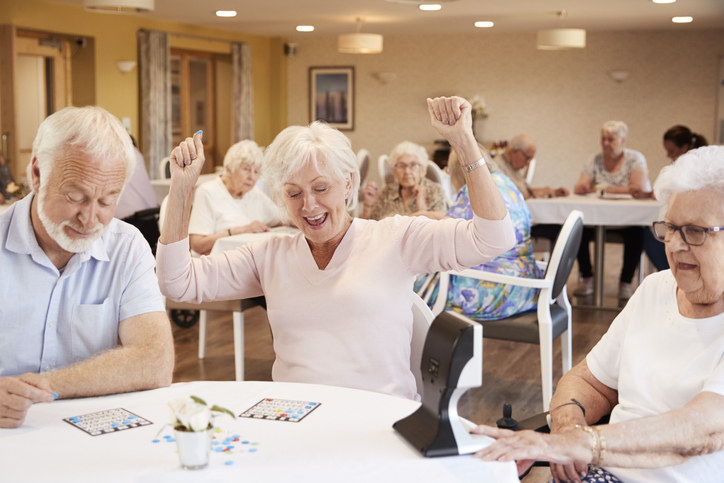
Senior Woman Winning Game Of Bingo In Retirement Home. Image by monkeybusinessimages via iStock
SHARE

A comprehensive study observed over 7,000 Canadians, who were middle-aged and older, for about three years to explore if a higher level of social engagement was linked to more successful ageing later in life. The findings revealed that individuals who engaged in volunteer activities and recreational pursuits were more likely to sustain outstanding health over the three years of the study and were less prone to physical, cognitive, mental, or emotional issues.

The criteria for successful ageing, as defined by the researchers, included the absence of any severe physical, cognitive, mental, or emotional conditions that could hinder daily activities, along with a high degree of self-reported happiness, robust physical health, and mental well-being. The study initially included only those participants who were already ageing successfully. The objective was to determine if social engagement contributed to their chances of continuing to enjoy excellent health.

Around 72% of participants involved in volunteer or recreational activities at the beginning of the study continued to age successfully after three years. In contrast, only two-thirds of those who did not participate in these activities managed to age as successfully by the study’s end. Considering various sociodemographic factors, the results suggested that those engaged in recreational and volunteer or charitable activities had a 15% and 17% higher likelihood of maintaining excellent health throughout the study.

Mabel Ho, the study’s lead author and a doctoral candidate at the University of Toronto’s Factor-Inwentash Faculty of Social Work and the Institute of Life Course and Aging, remarked that while the study’s observational nature limits definitive conclusions about causality, the link between social activity and successful ageing is intuitively logical. Social engagement plays a crucial role at any age in enhancing mood, reducing feelings of loneliness and isolation, and bolstering mental and overall health.

The concept of “social prescribing” is now being adopted by some healthcare professionals, who recommend social activities as a non-drug intervention that connects primary care with community services. This approach encourages older adults to partake in volunteering and recreational activities.

Esme Fuller-Thomson, the study’s senior author and a professor at the University of Toronto, highlighted the positive implications of the findings for older adults and their families, who often fear that a steep decline in health is unavoidable with age. She stressed the importance of collaborative efforts among older adults, their families, practitioners, policymakers, and researchers to foster an environment conducive to a fulfilling and healthy later life.

This study proposes a more inclusive definition of successful ageing than previous research by considering objective and subjective health measures. Unlike earlier studies that disqualified individuals with any chronic health conditions from being considered as “ageing successfully,” this research allows for the inclusion of those with chronic illnesses, provided they can still participate in daily activities and are not hindered by disabling chronic pain. This broader definition also considers the personal perceptions of older adults regarding their ageing process, physical and mental health, and emotional well-being, including happiness and life satisfaction, aspects often overlooked in past research.

Published in the International Journal of Environmental Research and Public Health, this study utilized longitudinal data from the Canadian Longitudinal Study on Aging (CLSA) covering the initial and first follow-up phases to investigate factors contributing to optimal ageing. The CLSA comprised 7,651 respondents aged 60 years or older in the second wave who were in optimal health during the first data collection wave. The sample was limited to those in excellent health at the outset, constituting only 45% of the participants.

More information: Ho, M., Pullenayegum, E., & Fuller-Thomson, E. (2022). Is Social Participation Associated with Successful Aging among Older Canadians? Findings from the Canadian Longitudinal Study on Aging (CLSA). International Journal of Environmental Research and Public Health, 20(12): 6058. https://doi.org/10.3390/ijerph20126058

Journal information: International Journal of Environmental Research and Public Health Provided by University of Toronto

TAGGED:chronic paincognitive developmentcognitive neurosciencedisease interventionenvironmental healthhappinesshealth carelongitudinal studiesmental healtholder adultspreventive medicinerecreationsocial cognition
Share This Article
Email Copy Link Print
Previous Article Research uncovers the most compelling proof yet of the brain’s capacity to offset cognitive deterioration linked to ageing
Next Article What is the typical age and level of disability among older adults transitioning into long-term care?
Leave a Comment

Leave a Reply Cancel reply

Your email address will not be published. Required fields are marked *

Recent Posts

  • Socioeconomic Disadvantage Is Associated with Greater Physical Decline with Age
  • Early Life Adversity Leaves a Lasting Molecular Mark Across the Body
  • Growing Up Gets Easier With Time, New Research Suggests
  • Most Patients with Early Alzheimer’s Disease Seeking Anti-Amyloid Antibody Therapy Fall Short of Brain Health Guidelines
  • Strength in Motion: Muscles May Hold the Key to Protecting the Parkinson’s Brain

Tags

adolescents adverse effects ageing populations aging populations air pollution alzheimer disease amyloids anxiety artificial intelligence atopic dermatitis behavioral psychology biomarkers blood pressure body mass index brain cancer cancer research cardiology cardiovascular disease cardiovascular disorders caregivers children climate change clinical research cognition cognitive development cognitive disorders cognitive function cognitive neuroscience COVID-19 dementia depression diabetes diets discovery research disease control disease intervention disease prevention diseases and disorders environmental health epidemiology foods food science gender studies geriatrics gerontology gut microbiota health and medicine health care health care costs health care delivery heart disease heart failure home care human brain human health hypertension inflammation insomnia life expectancy life sciences longitudinal studies memory disorders menopause mental health metabolic disorders metabolism mortality rates neurodegenerative diseases neurological disorders neurology neuroscience nursing homes nutrients nutrition obesity older adults parkinsons disease physical exercise population studies preventive medicine psychiatric disorders psychological science psychological stress public health research impact risk assessment risk factors risk reduction skin sleep sleep apnea sleep disorders social interaction social research social sciences socioeconomics tobacco type 2 diabetes weight loss
August 2026
S M T W T F S
 1
2345678
9101112131415
16171819202122
23242526272829
3031  
« Jul    

This website is for information purpose only and is in no way intended to replace the advice, professional medical care, diagnosis or treatment of a doctor, therapist, dietician or nutritionist.

About | Contact | Cookie Policy | Digital Millennium Copyright Act Notice | Disclaimer | Privacy Policy | Terms of Service

You Might Also Like

Ageing Well

Decoding Patterns of Illness in Elderly Initiating Long-Term Care in Japan and Their Prospective Health Results

By support
Ageing Well

The Worldwide Gap Between Longevity and Wellness

By support
Wellness

Online Initiative Enhances Stability and Strengthens Older Adults, Reducing Falls

By support
Public Health

Spending Time Outdoors Linked to Higher Life Satisfaction

By support
Living Well Study
Categories
  • Ageing Well
  • Brain Health
  • Healthy Diets
  • Mental Wellness
  • Physical Wellness
  • Wellness
LivingWellStudy
  • About
  • Contact
  • Cookie Policy
  • Digital Millennium Copyright Act Notice
  • Disclaimer
  • Privacy Policy
  • Terms of Service
Welcome Back!

Sign in to your account

Username or Email Address
Password

Lost your password?