Wednesday, 19 Aug 2026
  • My Feed
  • My Saves
  • History
  • Blog
Living Well Study
  • Blog
  • Ageing Well
  • Brain Health
  • Healthy Diets
  • Physical Wellness
  • Wellness
  • 🔥
  • Wellness
  • older adults
  • Living Well
  • Brain Health
  • dementia
  • public health
  • Ageing Well
  • Health and Medicine
  • ageing populations
  • alzheimer disease
Font ResizerAa
Living Well StudyLiving Well Study
  • My Saves
  • My Feed
  • History
Search
  • Pages
    • Home
    • Search Page
  • Personalized
    • Blog
    • My Feed
    • My Saves
    • History
  • Categories
    • Ageing Well
    • Brain Health
    • Healthy Diets
    • Mental Wellness
    • Physical Wellness
    • Wellness
Have an existing account? Sign In
Follow US
© 2022 Foxiz News Network. Ruby Design Company. All Rights Reserved.
Living Well Study > Blog > Brain Health > Biomarkers in the middle-aged brain can forecast cognitive health in later years
Brain Health

Biomarkers in the middle-aged brain can forecast cognitive health in later years

support
Share
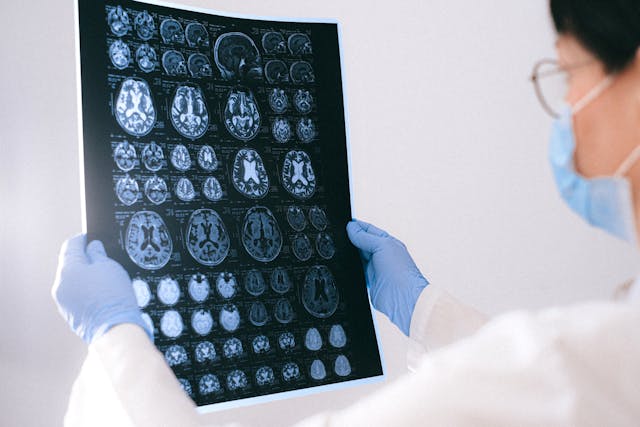
A Doctor Holding an MRI Result of the Brain. Photo by Anna Shvets: https://www.pexels.com/photo/a-doctor-holding-an-mri-result-of-the-brain-4226219/
SHARE

Researchers have suggested that the brain in middle age could offer insights into one’s cognitive health in later life, according to a review published on March 19 in the journal Trends in Neurosciences. The study delves into both human and animal research to argue that the middle years—broadly defined as between 40 and 65 years of age—signify a pivotal stage in the brain’s ageing process. This stage is of utmost importance and deserves more attention in our research, highlighting the urgency and significance of the topic.

They highlight that middle age comes with certain risk factors that are both specific and modifiable, potentially influencing the risk of future dementia. This stage, they contend, deserves more attention than it has historically received. The rationale behind their argument is that most research traditionally zeroes in on the older population, so preventive or mitigating treatments might be less effective. However, by identifying risks of cognitive decline earlier, treatments could commence at a stage when they prove more beneficial, instilling a sense of hope and optimism in our research.

The authors note that the brain experiences considerable changes during middle age at the molecular, cellular, and structural levels, which have been associated with cognitive decline. This decline accelerates during these years. They point out that during middle age, the brain undergoes notable structural and functional changes that affect mental functioning. These variations could explain why cognitive ageing differs so widely among individuals.

Significant structural changes during middle age include alterations in the volume of various brain structures, a reduction in the size of the hippocampus (vital for memory and learning), and diminished connectivity among different brain regions. The researchers describe the fourth and fifth decades of life as crucial for reorganising brain networks, marked by peak efficiency and connectivity, followed by a swift deterioration.

Changes are not limited to the brain structure alone but include gene expression variations within the brain and other body parts. In particular, there’s an increase in the expression of genes related to the immune system and a decrease in those associated with synaptic function in the brain. The study also suggests systemic changes, evidenced by the secretion of proteins by various organs, could indicate brain health and function during middle age.

The potential role of exercise in promoting healthy cognitive ageing is mentioned, with the authors calling for further research to explore this avenue. Investigating how ageing and exercise influence molecular processes could uncover new therapeutic opportunities. The need for more research into the observed differences in brain ageing between sexes, particularly given the higher dementia rates among women, is also highlighted. Future studies should differentiate between processes contributing to declining brain health and those merely biomarkers of compensatory mechanisms.

In conclusion, the authors advocate for the application of recent advancements in ageing research to the middle-aged population. This approach could identify new biomarkers and interventions to address cognitive decline and significantly impact your work, helping to tackle the challenges posed by an ageing global population. This should make you feel more engaged and motivated in your research.

More information: Sebastian Dohm-Hansen et al, The ‘middle-aging’ brain, Trends in Neurosciences. DOI: 10.1016/j.tins.2024.02.001

Journal information: Trends in Neurosciences Provided by Cell Press

TAGGED:ageing researchbiomarkerscognitive neurosciencehuman brainmemory processes
Share This Article
Email Copy Link Print
Previous Article Grasping self-inflicted ageism
Next Article Mental health inequalities increasing among transgender adults
Leave a Comment

Leave a Reply Cancel reply

Your email address will not be published. Required fields are marked *

Recent Posts

  • Different Organs, Different Ageing Clocks: A Blood Test Could Reveal Yours
  • Research Shows Waist Size Can Help Predict Health Risks
  • PCB Contamination Detected in Chinese Tea, but Consumer Health Risks Remain Low
  • Socioeconomic Disadvantage Is Associated with Greater Physical Decline with Age
  • Early Life Adversity Leaves a Lasting Molecular Mark Across the Body

Tags

adolescents adverse effects ageing populations aging populations air pollution alzheimer disease amyloids anxiety artificial intelligence atopic dermatitis behavioral psychology biomarkers blood pressure body mass index brain cancer cancer research cardiology cardiovascular disease cardiovascular disorders caregivers children climate change clinical research cognition cognitive development cognitive disorders cognitive function cognitive neuroscience COVID-19 dementia depression diabetes diets discovery research disease control disease intervention disease prevention diseases and disorders environmental health epidemiology foods food science gender studies geriatrics gerontology gut microbiota health and medicine health care health care costs health care delivery heart disease heart failure home care human brain human health hypertension inflammation insomnia life expectancy life sciences longitudinal studies memory disorders menopause mental health metabolic disorders metabolism mortality rates neurodegenerative diseases neurological disorders neurology neuroscience nursing homes nutrients nutrition obesity older adults parkinsons disease physical exercise population studies preventive medicine psychiatric disorders psychological science psychological stress public health research impact risk assessment risk factors risk reduction skin sleep sleep apnea sleep disorders social interaction social research social sciences socioeconomics tobacco type 2 diabetes weight loss
August 2026
S M T W T F S
 1
2345678
9101112131415
16171819202122
23242526272829
3031  
« Jul    

This website is for information purpose only and is in no way intended to replace the advice, professional medical care, diagnosis or treatment of a doctor, therapist, dietician or nutritionist.

About | Contact | Cookie Policy | Digital Millennium Copyright Act Notice | Disclaimer | Privacy Policy | Terms of Service

You Might Also Like

Wellness

The Outbreak Worsened Depression Among Elderly Diabetics

By support
Brain Health

Maintaining a Healthy Lifestyle Could Mitigate Brain Ageing Linked to Diabetes

By support
Brain Health

How a brain care score can predict stroke risk across racial groups, study finds

By support
Brain Health

Extensive Research on Cannabis Reveals Effects on Working Memory

By support
Living Well Study
Categories
  • Ageing Well
  • Brain Health
  • Healthy Diets
  • Mental Wellness
  • Physical Wellness
  • Wellness
LivingWellStudy
  • About
  • Contact
  • Cookie Policy
  • Digital Millennium Copyright Act Notice
  • Disclaimer
  • Privacy Policy
  • Terms of Service
Welcome Back!

Sign in to your account

Username or Email Address
Password

Lost your password?