Sunday, 16 Aug 2026
  • My Feed
  • My Saves
  • History
  • Blog
Living Well Study
  • Blog
  • Ageing Well
  • Brain Health
  • Healthy Diets
  • Physical Wellness
  • Wellness
  • 🔥
  • Wellness
  • older adults
  • Living Well
  • Brain Health
  • dementia
  • public health
  • Ageing Well
  • Health and Medicine
  • ageing populations
  • alzheimer disease
Font ResizerAa
Living Well StudyLiving Well Study
  • My Saves
  • My Feed
  • History
Search
  • Pages
    • Home
    • Search Page
  • Personalized
    • Blog
    • My Feed
    • My Saves
    • History
  • Categories
    • Ageing Well
    • Brain Health
    • Healthy Diets
    • Mental Wellness
    • Physical Wellness
    • Wellness
Have an existing account? Sign In
Follow US
© 2022 Foxiz News Network. Ruby Design Company. All Rights Reserved.
Living Well Study > Blog > Healthy Food > Regular Consumption of Kimchi Linked to Reduced Obesity Risk
Healthy Food

Regular Consumption of Kimchi Linked to Reduced Obesity Risk

support
Share
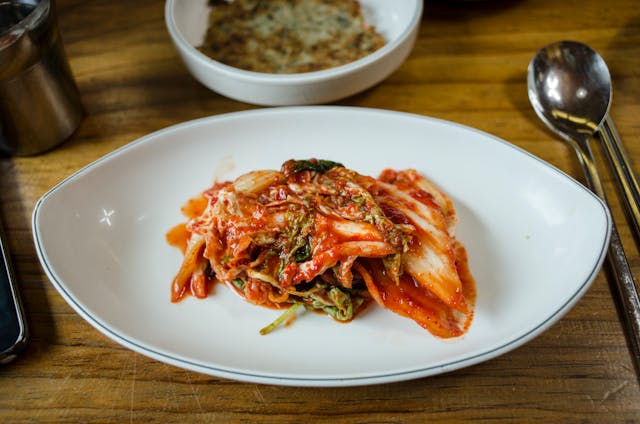
A Kimchi on a Ceramic Plate. Photo by makafood: https://www.pexels.com/photo/a-kimchi-on-a-ceramic-plate-8930829/
SHARE

Kimchi, a beloved staple of Korean cuisine, is not just a dish, but a cultural icon. Its unique preparation involves the fermentation of vegetables like cabbage and radish, combined with seasonings such as onion, garlic, and fish sauce. This fermentation process not only preserves the vegetables but also enhances their nutritional value, making kimchi a low-calorie, high-fibre, and vitamin-rich food. The presence of microbiome-friendly lactic acid bacteria and beneficial polyphenols further contribute to its health benefits.

Recent experimental studies have spotlighted certain strains of bacteria found in kimchi, such as Lactobacillus brevis and L. plantarum, which exhibit potential anti-obesity effects. To explore this further, researchers investigated whether regular kimchi consumption might correlate with reduced risks of overall and abdominal obesity, both significant health concerns.

The data for this study were meticulously collected from the Health Examinees (HEXA) study, a robust research initiative involving a substantial sample size of 115,726 participants (36,756 men and 78,970 women, average age 51). This community-based, longitudinal study is part of the larger Korean Genome and Epidemiology Study, which aims to identify environmental and genetic factors influencing chronic conditions among Korean adults over 40. The comprehensive nature of this study ensures the reliability of the findings.

Participants’ dietary habits were assessed using a 106-item food frequency questionnaire, which captured their consumption patterns over the previous year. Various types of kimchi, including baechu (cabbage), kkakdugi (radish), Babak, dongchimi, and others, were quantified based on typical portion sizes.

Anthropometric measurements such as height, weight (used to calculate BMI), and waist circumference were recorded. Obesity was defined by a BMI exceeding 25, while abdominal obesity was indicated by waist circumferences of at least 90 cm for men and 85 cm for women. Notably, 36% of men and 25% of women in the study were classified as obese.

The study’s findings revealed a unique ‘J-shaped’ association between kimchi consumption and obesity. While higher kimchi consumption was associated with increased intake of energy, carbohydrates, protein, fat, sodium, and rice, moderate consumption showed significant benefits. Participants who consumed up to three daily servings of kimchi demonstrated an 11% lower prevalence of obesity compared to those consuming less than one serving daily. This ‘J-shaped’ association underscores the importance of moderation in kimchi consumption for health benefits.

Among men, consuming three or more daily servings of baechu kimchi was associated with a 10% lower prevalence of obesity and abdominal obesity. In women, consuming two to three daily baechu kimchi was linked to an 8% lower prevalence of obesity, while one to two servings correlated with a 6% lower prevalence of abdominal obesity.

Lower-than-average consumption of kkakdugi kimchi showed around a 9% lower prevalence of obesity in both sexes. Daily intake of 25 grams among men and 11 grams among women was associated with an 8% to 11% reduction in abdominal obesity risk compared to non-consumers.

The study’s observational nature precludes establishing causation, and limitations include potential inaccuracies in self-reported dietary intake and the study’s applicability primarily to Korean populations. Concerns over kimchi’s sodium content were noted, although the potassium content in fermented vegetables may mitigate these effects.

Researchers caution against excessive kimchi consumption due to its potential to increase obesity prevalence, particularly highlighting its role as a significant source of dietary sodium. They recommend moderate consumption to maximise the health benefits associated with its nutritional components.

More information: Hyein Jung et al, Association between kimchi consumption and obesity based on BMI and abdominal obesity in Korean adults: a cross-sectional analysis of the Health Examinees study, BMJ Open. DOI: 10.1136/bmjopen-2023-076650

Journal information: BMJ Open Provided by BMJ Group

TAGGED:kimchiobesity
Share This Article
Email Copy Link Print
Previous Article Orienteering: A Powerful Ally Against Dementia, Enhancing Both Brain and Physical Health for Speedy Participants
Next Article Understanding Immune Responses: Insights into COVID-19 Resistance among Certain Individuals
Leave a Comment

Leave a Reply Cancel reply

Your email address will not be published. Required fields are marked *

Recent Posts

  • Socioeconomic Disadvantage Is Associated with Greater Physical Decline with Age
  • Early Life Adversity Leaves a Lasting Molecular Mark Across the Body
  • Growing Up Gets Easier With Time, New Research Suggests
  • Most Patients with Early Alzheimer’s Disease Seeking Anti-Amyloid Antibody Therapy Fall Short of Brain Health Guidelines
  • Strength in Motion: Muscles May Hold the Key to Protecting the Parkinson’s Brain

Tags

adolescents adverse effects ageing populations aging populations air pollution alzheimer disease amyloids anxiety artificial intelligence atopic dermatitis behavioral psychology biomarkers blood pressure body mass index brain cancer cancer research cardiology cardiovascular disease cardiovascular disorders caregivers children climate change clinical research cognition cognitive development cognitive disorders cognitive function cognitive neuroscience COVID-19 dementia depression diabetes diets discovery research disease control disease intervention disease prevention diseases and disorders environmental health epidemiology foods food science gender studies geriatrics gerontology gut microbiota health and medicine health care health care costs health care delivery heart disease heart failure home care human brain human health hypertension inflammation insomnia life expectancy life sciences longitudinal studies memory disorders menopause mental health metabolic disorders metabolism mortality rates neurodegenerative diseases neurological disorders neurology neuroscience nursing homes nutrients nutrition obesity older adults parkinsons disease physical exercise population studies preventive medicine psychiatric disorders psychological science psychological stress public health research impact risk assessment risk factors risk reduction skin sleep sleep apnea sleep disorders social interaction social research social sciences socioeconomics tobacco type 2 diabetes weight loss
August 2026
S M T W T F S
 1
2345678
9101112131415
16171819202122
23242526272829
3031  
« Jul    

This website is for information purpose only and is in no way intended to replace the advice, professional medical care, diagnosis or treatment of a doctor, therapist, dietician or nutritionist.

About | Contact | Cookie Policy | Digital Millennium Copyright Act Notice | Disclaimer | Privacy Policy | Terms of Service

You Might Also Like

Healthy Food

New Research Links Daily Mango Consumption to Improved Heart and Metabolic Health in Postmenopausal Women

By support
Healthy Food

Consuming Entire Small Fish May Extend Lifespan, According to Japanese Research

By support
Wellness

Earlier Detection of Diabetes Associated with Increased Dementia Risk

By support
Wellness

Research uncovers hidden body fat’s role in speeding up heart ageing

By support
Living Well Study
Categories
  • Ageing Well
  • Brain Health
  • Healthy Diets
  • Mental Wellness
  • Physical Wellness
  • Wellness
LivingWellStudy
  • About
  • Contact
  • Cookie Policy
  • Digital Millennium Copyright Act Notice
  • Disclaimer
  • Privacy Policy
  • Terms of Service
Welcome Back!

Sign in to your account

Username or Email Address
Password

Lost your password?