Monday, 10 Aug 2026
  • My Feed
  • My Saves
  • History
  • Blog
Living Well Study
  • Blog
  • Ageing Well
  • Brain Health
  • Healthy Diets
  • Physical Wellness
  • Wellness
  • 🔥
  • Wellness
  • older adults
  • Living Well
  • Brain Health
  • dementia
  • public health
  • Ageing Well
  • Health and Medicine
  • alzheimer disease
  • physical exercise
Font ResizerAa
Living Well StudyLiving Well Study
  • My Saves
  • My Feed
  • History
Search
  • Pages
    • Home
    • Search Page
  • Personalized
    • Blog
    • My Feed
    • My Saves
    • History
  • Categories
    • Ageing Well
    • Brain Health
    • Healthy Diets
    • Mental Wellness
    • Physical Wellness
    • Wellness
Have an existing account? Sign In
Follow US
© 2022 Foxiz News Network. Ruby Design Company. All Rights Reserved.
Living Well Study > Blog > Health and Medicine > For Mind and Body: Community Gathering Places Linked to Better Cognitive Health
Health and Medicine

For Mind and Body: Community Gathering Places Linked to Better Cognitive Health

support
Share
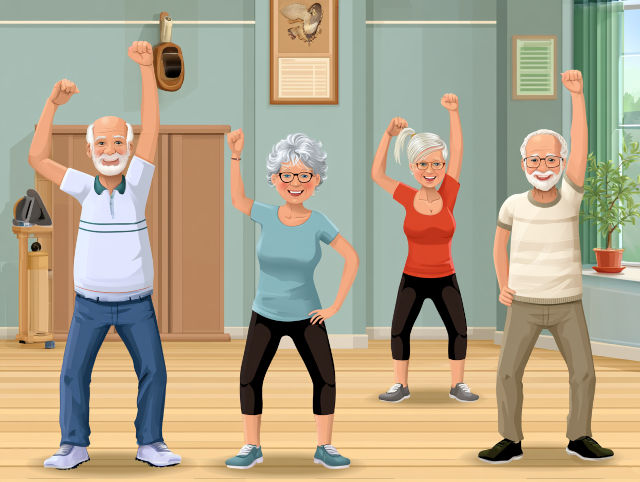
older adults doing exercise
SHARE

Community gathering places, where older adults take part in group activities led by residents, have become an important part of Japan’s long-term care prevention strategy. These community programmes often combine light exercise with social interaction to promote healthy ageing and help reduce the risk of cognitive decline. Although they have been widely adopted, previous research has produced mixed results on whether participation is associated with a lower risk of cognitive disability.

To better understand this relationship, a research team led by Associate Professor Kazuki Uemura of Osaka Metropolitan University’s Graduate School of Rehabilitation Science examined whether regular exercise habits influence the potential benefits of these community activities. The researchers analysed questionnaire data and long-term care insurance records from older adults living independently in Habikino City, Osaka Prefecture.

The study initially included 3,511 adults who had not been certified as requiring long-term care. After excluding incomplete or invalid responses, 2,578 participants were included in the primary analysis. Researchers followed participants for four years, comparing those who attended city-supported weekly community exercise groups with those who did not. Survival analysis was used to assess the risk of developing cognitive disability over time.

The findings showed that participation in community gathering places was linked to a substantially lower risk of cognitive disability among older adults who did not already exercise regularly. In this group, participants were about half as likely to develop cognitive disability as non-participants. However, no significant association was observed among individuals who already maintained regular exercise habits, suggesting that the greatest benefits may occur among those who are otherwise less physically active.

“These findings support a growing direction in long-term care prevention policy, which creates opportunities for participation that are accessible to older adults who may find regular exercise difficult,” said Associate Professor Uemura. Additional analyses also found that community participation was associated with a lower risk of physical functional decline among people without regular exercise habits, indicating that these programmes may offer broader health benefits beyond cognitive health.

The researchers believe the findings highlight the value of accessible, community-based programmes for supporting healthy ageing, particularly among older adults who face barriers to regular exercise. “We hope this evidence will help inform community-based initiatives that support a wide range of older adults and contribute to policies aimed at reducing health inequalities,” said Associate Professor Uemura. The study suggests that creating inclusive opportunities for social engagement and light physical activity may be an effective way to help maintain cognitive and physical health as populations age.

More information: Kazuki Uemura et al, Effect Modification by Exercise Habit on the Association Between Participation in Community Gathering Places and Cognitive Disability, Journal of the American Geriatrics Society. DOI: 10.1111/jgs.70499

Journal information: Journal of the American Geriatrics Society Provided by Osaka Metropolitan University

TAGGED:geriatricsphysical exerciserecreation
Share This Article
Email Copy Link Print
Previous Article The Way Children Talk May Predict Future Mental Health Challenges
Next Article Beyond Connection: The Mental Health Impact of Smartphones on Older Adults
Leave a Comment

Leave a Reply Cancel reply

Your email address will not be published. Required fields are marked *

Recent Posts

  • Obesity and Ageing May Share Common Biological Pathways
  • Unsafe Living Environments Elevate Fall Risk for Seniors
  • Optimizing Blood Pressure Control: A New Strategy
  • Study Highlights How Social Inequality Hinders Physical Activity
  • Beyond Connection: The Mental Health Impact of Smartphones on Older Adults

Tags

adolescents adverse effects ageing populations aging populations air pollution alzheimer disease amyloids anxiety artificial intelligence atopic dermatitis behavioral psychology biomarkers blood pressure body mass index brain cancer cancer research cardiology cardiovascular disease cardiovascular disorders caregivers children climate change clinical research cognition cognitive development cognitive disorders cognitive function cognitive neuroscience COVID-19 dementia depression diabetes diets discovery research disease control disease intervention disease prevention diseases and disorders environmental health epidemiology foods food science gender studies geriatrics gerontology gut microbiota health and medicine health care health care costs health care delivery heart disease heart failure home care human brain human health hypertension inflammation insomnia life expectancy life sciences longitudinal studies memory disorders menopause mental health metabolic disorders metabolism mortality rates neurodegenerative diseases neurological disorders neurology neuroscience nursing homes nutrients nutrition obesity older adults parkinsons disease physical exercise population studies preventive medicine psychiatric disorders psychological science psychological stress public health research impact risk assessment risk factors risk reduction skin sleep sleep apnea sleep disorders social interaction social research social sciences socioeconomics tobacco type 2 diabetes weight loss
August 2026
S M T W T F S
 1
2345678
9101112131415
16171819202122
23242526272829
3031  
« Jul    

This website is for information purpose only and is in no way intended to replace the advice, professional medical care, diagnosis or treatment of a doctor, therapist, dietician or nutritionist.

About | Contact | Cookie Policy | Digital Millennium Copyright Act Notice | Disclaimer | Privacy Policy | Terms of Service

You Might Also Like

Health and Medicine

Exercise Could Play a Key Role in Helping People Stop Smoking

By support
Physical Wellness

Short, Frequent Exercise Sessions Could Improve Fitness in Sedentary Adults

By support
Wellness

Palliative Care is Often Overlooked in Nursing Home Settings

By support
Brain Health

Creativity keeps the mind young, says worldwide study on brain health

By support
Living Well Study
Categories
  • Ageing Well
  • Brain Health
  • Healthy Diets
  • Mental Wellness
  • Physical Wellness
  • Wellness
LivingWellStudy
  • About
  • Contact
  • Cookie Policy
  • Digital Millennium Copyright Act Notice
  • Disclaimer
  • Privacy Policy
  • Terms of Service
Welcome Back!

Sign in to your account

Username or Email Address
Password

Lost your password?