Sunday, 16 Aug 2026
  • My Feed
  • My Saves
  • History
  • Blog
Living Well Study
  • Blog
  • Ageing Well
  • Brain Health
  • Healthy Diets
  • Physical Wellness
  • Wellness
  • 🔥
  • Wellness
  • older adults
  • Living Well
  • Brain Health
  • dementia
  • public health
  • Ageing Well
  • Health and Medicine
  • ageing populations
  • alzheimer disease
Font ResizerAa
Living Well StudyLiving Well Study
  • My Saves
  • My Feed
  • History
Search
  • Pages
    • Home
    • Search Page
  • Personalized
    • Blog
    • My Feed
    • My Saves
    • History
  • Categories
    • Ageing Well
    • Brain Health
    • Healthy Diets
    • Mental Wellness
    • Physical Wellness
    • Wellness
Have an existing account? Sign In
Follow US
© 2022 Foxiz News Network. Ruby Design Company. All Rights Reserved.
Living Well Study > Blog > Public Health > Socioeconomic Disadvantage Is Associated with Greater Physical Decline with Age
Public Health

Socioeconomic Disadvantage Is Associated with Greater Physical Decline with Age

support
Share
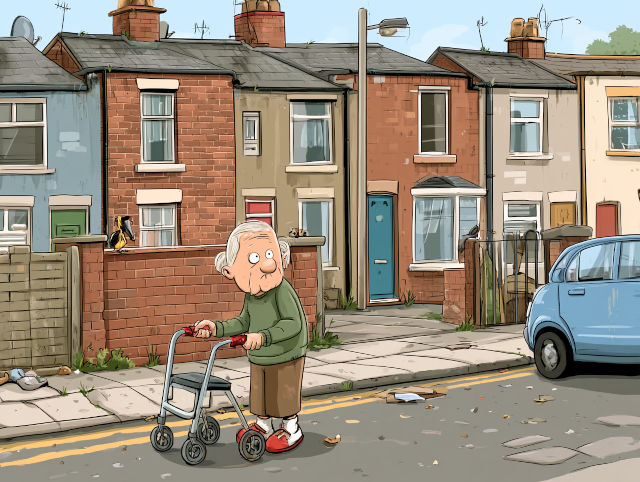
older adult using walker
SHARE

In England and Canada, socioeconomic disadvantage is associated with poorer physical function and greater declines as people age, according to a study published August 13 in the open-access journal PLOS Medicine. The study was led by Stephanie Schrempft of Geneva University Hospitals, Switzerland, and colleagues.

Physical function naturally declines with age, but the rate of decline varies considerably between individuals and populations. Wealth is known to influence health and disability, yet few studies have directly compared patterns of functional ageing across countries. Such comparisons can help researchers understand how social policies and broader structural factors may contribute to inequalities in healthy ageing.

To investigate these differences, researchers analysed data from two major longitudinal studies: 8,511 participants in the English Longitudinal Study of Ageing and 22,605 participants in the Canadian Longitudinal Study on Aging. Participants were between 50 and 85 years old. The researchers examined wealth in relation to walking speed, grip strength, lung function, hearing, mobility, and difficulties performing daily activities such as dressing, bathing and eating.

People with less wealth generally had poorer physical function and experienced greater declines in mobility and their ability to perform daily activities as they aged. Importantly, socioeconomic inequalities in functional ageing were substantially greater in England than in Canada. These differences remained even after researchers accounted for chronic health conditions, weight status and behaviours such as smoking.

The size of the wealth gap was particularly striking for walking speed. In England, the least wealthy 60-year-olds had walking speeds comparable to those of the wealthiest 75-year-olds—an apparent functional ageing difference of approximately 15 years. In Canada, the corresponding difference was about nine years, suggesting meaningful differences in socioeconomic inequalities between the two countries.

The study also identified important differences between women and men. Women with the least wealth experienced greater difficulties with mobility and daily activities than men in the same socioeconomic group, although they had better lung function. These findings demonstrate that socioeconomic disadvantage does not affect everyone in the same way and highlight the value of considering both wealth and sex when studying healthy ageing.

Senior author Silvia Stringhini said the researchers were particularly struck by the substantially larger wealth gaps in England than in Canada. Despite both countries having universal healthcare and similar levels of income inequality, the differences in functional ageing were considerable. She noted that ongoing cross-country research will investigate the structural factors that may explain why these inequalities differ between countries.

First author Stephanie Schrempft emphasised that the findings go beyond showing that people with less wealth have poorer health on average. By following adults over time in England and Canada, the researchers found that socioeconomic disadvantage was also associated with a faster loss of mobility and physical independence with age. Although the study was observational and could not establish causation or fully account for factors such as childhood circumstances and access to private healthcare, the authors suggest that healthy-ageing policies should prioritise socioeconomically disadvantaged populations and address the broader structural conditions underlying these inequalities.

More information: Stephanie Schrempft et al, Socioeconomic inequalities in functional ageing trajectories in England and Canada: A comparative longitudinal cohort study, PLOS Medicine. DOI: 10.1371/journal.pmed.1004833

Journal information: PLOS Medicine Provided by PLOS

TAGGED:ageing populationshealth carepovertysocioeconomics
Share This Article
Email Copy Link Print
Previous Article Early Life Adversity Leaves a Lasting Molecular Mark Across the Body
Leave a Comment

Leave a Reply Cancel reply

Your email address will not be published. Required fields are marked *

Recent Posts

  • Socioeconomic Disadvantage Is Associated with Greater Physical Decline with Age
  • Early Life Adversity Leaves a Lasting Molecular Mark Across the Body
  • Growing Up Gets Easier With Time, New Research Suggests
  • Most Patients with Early Alzheimer’s Disease Seeking Anti-Amyloid Antibody Therapy Fall Short of Brain Health Guidelines
  • Strength in Motion: Muscles May Hold the Key to Protecting the Parkinson’s Brain

Tags

adolescents adverse effects ageing populations aging populations air pollution alzheimer disease amyloids anxiety artificial intelligence atopic dermatitis behavioral psychology biomarkers blood pressure body mass index brain cancer cancer research cardiology cardiovascular disease cardiovascular disorders caregivers children climate change clinical research cognition cognitive development cognitive disorders cognitive function cognitive neuroscience COVID-19 dementia depression diabetes diets discovery research disease control disease intervention disease prevention diseases and disorders environmental health epidemiology foods food science gender studies geriatrics gerontology gut microbiota health and medicine health care health care costs health care delivery heart disease heart failure home care human brain human health hypertension inflammation insomnia life expectancy life sciences longitudinal studies memory disorders menopause mental health metabolic disorders metabolism mortality rates neurodegenerative diseases neurological disorders neurology neuroscience nursing homes nutrients nutrition obesity older adults parkinsons disease physical exercise population studies preventive medicine psychiatric disorders psychological science psychological stress public health research impact risk assessment risk factors risk reduction skin sleep sleep apnea sleep disorders social interaction social research social sciences socioeconomics tobacco type 2 diabetes weight loss
August 2026
S M T W T F S
 1
2345678
9101112131415
16171819202122
23242526272829
3031  
« Jul    

This website is for information purpose only and is in no way intended to replace the advice, professional medical care, diagnosis or treatment of a doctor, therapist, dietician or nutritionist.

About | Contact | Cookie Policy | Digital Millennium Copyright Act Notice | Disclaimer | Privacy Policy | Terms of Service

You Might Also Like

Ageing Well

Healthy Ageing in the Digital Era

By support
Public Health

Global Study Finds Longer Survival Among People Diagnosed with Dementia

By support
Ageing Well

Forecasting Ahead: Simple Tools to Assess Risks of Falling

By support
Living Well

Improved mental and physical well-being in the elderly linked to proximity to natural environments

By support
Living Well Study
Categories
  • Ageing Well
  • Brain Health
  • Healthy Diets
  • Mental Wellness
  • Physical Wellness
  • Wellness
LivingWellStudy
  • About
  • Contact
  • Cookie Policy
  • Digital Millennium Copyright Act Notice
  • Disclaimer
  • Privacy Policy
  • Terms of Service
Welcome Back!

Sign in to your account

Username or Email Address
Password

Lost your password?