Thursday, 2 Jul 2026
  • My Feed
  • My Saves
  • History
  • Blog
Living Well Study
  • Blog
  • Ageing Well
  • Brain Health
  • Healthy Diets
  • Physical Wellness
  • Wellness
  • 🔥
  • Wellness
  • older adults
  • Living Well
  • Brain Health
  • dementia
  • public health
  • Ageing Well
  • alzheimer disease
  • physical exercise
  • mental health
Font ResizerAa
Living Well StudyLiving Well Study
  • My Saves
  • My Feed
  • History
Search
  • Pages
    • Home
    • Search Page
  • Personalized
    • Blog
    • My Feed
    • My Saves
    • History
  • Categories
    • Ageing Well
    • Brain Health
    • Healthy Diets
    • Mental Wellness
    • Physical Wellness
    • Wellness
Have an existing account? Sign In
Follow US
© 2022 Foxiz News Network. Ruby Design Company. All Rights Reserved.
Living Well Study > Blog > Brain Health > A larger daily intake of magnesium helps to prevent dementia
Brain Health

A larger daily intake of magnesium helps to prevent dementia

support
Share
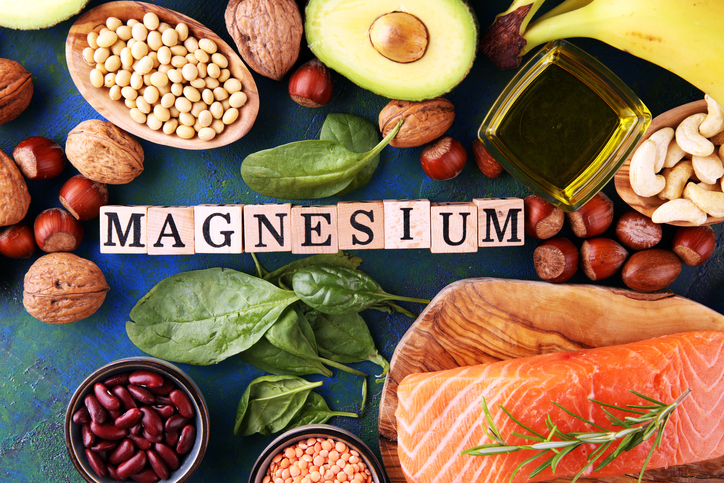
Products containing magnesium: bananas, almonds, avocado, nuts and spinach and eggs on table. Image by beats3 via iStock.
SHARE

Scientists at the Neuroimaging and Brain Lab of The Australian National University (ANU) have discovered that increasing the amount of magnesium in our daily diets can enhance brain health as we age. They suggest that by consuming more foods rich in magnesium, such as spinach and nuts, we could significantly lower the risk of developing dementia. This condition ranks as the second leading cause of death in Australia and holds a prominent place as the seventh most common cause of death worldwide.

The study, which involved over 6,000 participants in the United Kingdom who were cognitively healthy and aged between 40 to 73, revealed that individuals consuming over 550 milligrams of magnesium daily had brains that appeared approximately one year younger by the time they were 55, in comparison to those who ingested a standard amount of about 350 milligrams daily.

The research indicates that a 41% increase in magnesium intake could reduce age-related brain shrinkage, which is closely linked to enhanced cognitive function and a decreased or delayed risk of dementia in later life. Khawlah Alateeq, the lead author and a PhD researcher at the ANU National Centre for Epidemiology and Population Health, emphasized the significant role that a magnesium-rich diet plays in fostering good brain health.

With the expected global increase in dementia diagnoses from 57.4 million in 2019 to 152.8 million by 2050, the strain on healthcare, social services, and the global economy is anticipated to intensify. Dr Erin Walsh, a co-author of the study and also from ANU, highlighted the critical need for prevention, given the lack of a cure for dementia and the unsuccessful development of pharmacological treatments over the past three decades. This research aims to inform the development of public health interventions focusing on dietary strategies to promote healthy brain ageing.

The findings suggest that a higher dietary intake of magnesium from a younger age could protect against neurodegenerative diseases and cognitive decline by the time individuals reach their 40s. According to Ms Alateeq, neuroprotection offered by increased magnesium intake may start in the 40s or even earlier, underscoring the importance of magnesium intake for people of all ages.

Interestingly, the neuroprotective effects of a diet richer in magnesium seem to benefit women more than men, particularly post-menopausal women, which may be attributed to magnesium’s anti-inflammatory properties.

Participants in the study completed an online questionnaire five times over 16 months, providing data that allowed researchers to calculate their daily magnesium intake based on 200 different foods and various portion sizes. The ANU team specifically focused on magnesium-rich foods like leafy green vegetables, legumes, nuts, seeds, and whole grains to estimate the average magnesium intake from the participants’ diets, underscoring the potential for dietary magnesium to play a vital role in preventing age-related cognitive decline.

More information: Khawlah Alateeq et al, Dietary magnesium intake is related to larger brain volumes and lower white matter lesions with notable sex differences, European Journal of Nutrition. DOI: 10.1007/s00394-023-03123-x

Journal information: European Journal of Nutrition Provided by The Australian National University

TAGGED:dementiamagnesiumolder adults
Share This Article
Email Copy Link Print
Previous Article Supporting Alzheimer’s care providers
Next Article Survey reveals that 72% of individuals with eczema experienced symptoms of poor mental health ranging from 1 to 10 days in the previous month
Leave a Comment

Leave a Reply Cancel reply

Your email address will not be published. Required fields are marked *

Recent Posts

  • The Key to a Fulfilling Retirement: Staying Social
  • Adopting a Healthy Lifestyle Linked to Slower Biological Ageing in Older Men
  • Innovative Wound Treatment Could Improve Healing and Recovery
  • Bringing Toxoplasmosis Into Focus: A Global Call for Recognition
  • Unravelling the Link Between Brain Iron Accumulation and Neurodegeneration

Tags

adolescents adverse effects ageing populations aging populations air pollution alzheimer disease amyloids anxiety artificial intelligence atopic dermatitis behavioral psychology biomarkers blood pressure body mass index brain cancer cancer research cardiology cardiovascular disease cardiovascular disorders caregivers children climate change effects clinical research cognition cognitive development cognitive disorders cognitive function cognitive neuroscience cohort studies COVID-19 dementia depression diabetes diets discovery research disease control disease intervention disease prevention diseases and disorders environmental health epidemiology foods food science gender studies geriatrics gerontology gut microbiota health and medicine health care health care costs health care delivery heart disease heart failure home care human brain human health hypertension inflammation insomnia life expectancy life sciences longitudinal studies memory disorders menopause mental health metabolic disorders metabolism mortality rates neurodegenerative diseases neurological disorders neurology neuroscience nursing homes nutrients nutrition obesity older adults parkinsons disease physical exercise population studies preventive medicine psychiatric disorders psychological science psychological stress public health research impact risk assessment risk factors risk reduction skin sleep sleep apnea sleep disorders social interaction social research socioeconomics tobacco type 2 diabetes weight loss
July 2026
S M T W T F S
 1234
567891011
12131415161718
19202122232425
262728293031  
« Jun    

This website is for information purpose only and is in no way intended to replace the advice, professional medical care, diagnosis or treatment of a doctor, therapist, dietician or nutritionist.

About | Contact | Cookie Policy | Digital Millennium Copyright Act Notice | Disclaimer | Privacy Policy | Terms of Service

You Might Also Like

Ageing Well

Unintentional Weight Loss Recognised as Leading Indicator of Fall Risk Among Elderly in Taiwan

By support
Brain Health

Neuropsychological Differences in Ageing: Investigating Ethnicity and Mental Well-being

By support
Wellness

New Study Finds Over 25% of ‘Healthy’ Individuals Over 60 Suffer from Heart Valve Disease

By support
Brain Health

Clues in urine: protein levels linked to dementia development

By support
Living Well Study
Categories
  • Ageing Well
  • Brain Health
  • Healthy Diets
  • Mental Wellness
  • Physical Wellness
  • Wellness
LivingWellStudy
  • About
  • Contact
  • Cookie Policy
  • Digital Millennium Copyright Act Notice
  • Disclaimer
  • Privacy Policy
  • Terms of Service
Welcome Back!

Sign in to your account

Username or Email Address
Password

Lost your password?