Sunday, 17 May 2026
  • My Feed
  • My Saves
  • History
  • Blog
Living Well Study
  • Blog
  • Ageing Well
  • Brain Health
  • Healthy Diets
  • Physical Wellness
  • Wellness
  • 🔥
  • Wellness
  • older adults
  • Living Well
  • Brain Health
  • dementia
  • public health
  • Ageing Well
  • alzheimer disease
  • physical exercise
  • mental health
Font ResizerAa
Living Well StudyLiving Well Study
  • My Saves
  • My Feed
  • History
Search
  • Pages
    • Home
    • Search Page
  • Personalized
    • Blog
    • My Feed
    • My Saves
    • History
  • Categories
    • Ageing Well
    • Brain Health
    • Healthy Diets
    • Mental Wellness
    • Physical Wellness
    • Wellness
Have an existing account? Sign In
Follow US
© 2022 Foxiz News Network. Ruby Design Company. All Rights Reserved.
Living Well Study > Blog > Wellness > Ageing immigrants and those living with dementia encounter comparable challenges in obtaining both social and healthcare services
Wellness

Ageing immigrants and those living with dementia encounter comparable challenges in obtaining both social and healthcare services

support
Share
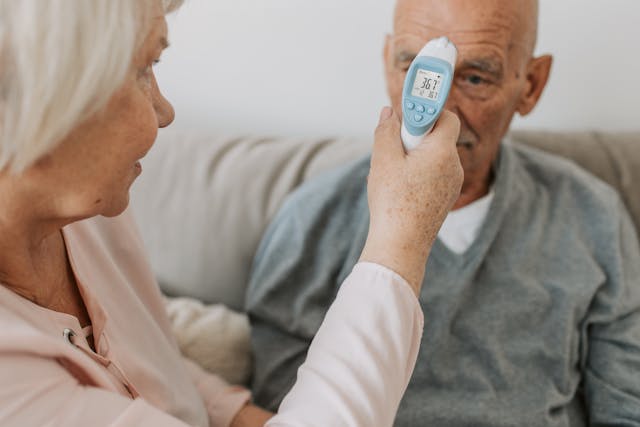
Photo by Vlada Karpovich: https://www.pexels.com/photo/woman-i-long-sleeve-shirt-holding-blue-and-white-digital-device-5790718/
SHARE

A recent investigation carried out by the University of Eastern Finland has shed light on the intricate and overlapping barriers that impede older immigrants and immigrants with dementia from accessing social and healthcare services in Finland. Published in the Journal of Cross-Cultural Gerontology, the study draws on the perspectives of professionals who work closely with these populations, revealing how multiple, interconnected challenges affect service accessibility. Rather than existing in isolation, these barriers tend to reinforce one another, compounding the difficulties faced by vulnerable immigrant groups.

Among the most prominent issues are linguistic limitations, a lack of familiarity with digital tools, and insufficient awareness of legal rights or the range of social and medical services available. These issues are further exacerbated by an absence of supportive social networks, such as family and friends, as well as by instances of neglect or even abuse. Cultural disparities and differing conceptualisations of illness and care also contribute to these access gaps, revealing a need for more nuanced and inclusive approaches within Finland’s welfare and healthcare systems.

One of the study’s key findings is language’s role in magnifying other forms of exclusion. Difficulty with Finnish or Swedish, the country’s official languages, impairs older immigrants’ ability to communicate directly and limits their capacity to navigate increasingly digitalised public services. Individuals may remain unaware of their entitlements or assistance without digital literacy or language proficiency. For immigrants with dementia, the situation is particularly complex. Cognitive decline may lead them to forget previously acquired second languages, increasing their reliance on their mother tongue at a time when institutional support may be least accessible in that language.

The lack of close family ties or friendships—often a source of informal support in navigating bureaucratic systems—further isolates these individuals and heightens their vulnerability to mistreatment. Older immigrants frequently struggle to benefit from language instruction programmes designed for the general immigrant population, which may not be tailored to the needs of elderly learners. As a result, even services intended to promote inclusion can inadvertently exclude those who are older or experiencing cognitive decline. This points to the necessity of more targeted interventions and adaptive teaching methods for these subgroups.

Despite these challenges, the study also identifies avenues of support that can mitigate access issues. Family members, immigrant communities, and non-governmental organisations (NGOs) frequently serve as intermediaries, helping individuals understand and access services while alleviating some of the demand on state-run systems. However, these entities are often under-resourced and rely heavily on volunteers or limited funding. The researchers stress that increased governmental backing for such organisations is beneficial and essential if Finland hopes to create a more equitable service environment.

Dr Alex Berg, a doctoral researcher involved in the project, emphasised the importance of practical solutions informed by service users’ lived experiences. One recommendation is recruiting more bilingual staff across social and healthcare services. This would enable older immigrants and those with dementia to seek help independently in their native language, reducing their reliance on family members or interpreters. Providing information about services in multiple languages is another vital step in ensuring equitable access and empowering immigrants to assert their rights within the system.

Finally, the study calls for a shift in how service providers approach immigrant clients. Rather than relying on assumptions or stereotypes, professionals are encouraged to treat immigrants like any other client while remaining sensitive to the cultural values and specific challenges that shape their experiences. This dual awareness—of shared humanity and individual context—could be key to bridging the service gap for older immigrants and those living with dementia. The findings underscore the urgent need for systemic changes that are culturally informed, linguistically inclusive, and responsive to the needs of an increasingly diverse ageing population.

More information: Alex Berg et al, Barriers to Accessing Care and Support Services for Older Immigrants and Immigrants with Dementia in Finland: Perspectives of Professional Social and Health Care Providers, Journal of Cross-Cultural Gerontology. DOI: 10.1007/s10823-025-09523-2

Journal information: Journal of Cross-Cultural Gerontology Provided by University of Eastern Finland

TAGGED:dementiahealth care deliverysocial welfare
Share This Article
Email Copy Link Print
Previous Article Depression and Anxiety Linked to Discrimination Especially Prevalent Among Multiracial, White, and Asian Groups
Next Article Study Finds Weight Training May Shield Ageing Brains from Dementia
Leave a Comment

Leave a Reply Cancel reply

Your email address will not be published. Required fields are marked *

Recent Posts

  • Spending Time Outdoors Linked to Higher Life Satisfaction
  • Exercise Could Play a Key Role in Helping People Stop Smoking
  • The Tiny Cellular Framework Behind Brain Development
  • ‘Forever Chemicals’ Found in Nearly Entire US Study Population, Researchers Report
  • Healthy Hearts May Still Face the Risk of Alzheimer’s Disease

Tags

adolescents adverse effects ageing populations aging populations air pollution alzheimer disease amyloids anxiety artificial intelligence atopic dermatitis behavioral psychology biomarkers blood pressure body mass index brain cancer cancer research cardiology cardiovascular disease cardiovascular disorders caregivers children climate change effects clinical research coffee cognition cognitive development cognitive disorders cognitive function cognitive neuroscience cohort studies COVID-19 dementia depression diabetes diets discovery research disease control disease intervention disease prevention diseases and disorders environmental health epidemiology foods food science gender studies geriatrics gerontology gut microbiota health and medicine health care health care costs health care delivery heart disease heart failure home care human brain human health hypertension inflammation insomnia life expectancy life sciences longitudinal studies memory disorders menopause mental health metabolic disorders metabolism mortality rates neurodegenerative diseases neurological disorders neurology neuroscience nursing homes nutrients nutrition obesity older adults parkinsons disease physical exercise population studies preventive medicine psychiatric disorders psychological science psychological stress public health research impact risk assessment risk factors risk reduction skin sleep sleep apnea sleep disorders social interaction social research socioeconomics type 2 diabetes weight loss
May 2026
S M T W T F S
 12
3456789
10111213141516
17181920212223
24252627282930
31  
« Apr    

This website is for information purpose only and is in no way intended to replace the advice, professional medical care, diagnosis or treatment of a doctor, therapist, dietician or nutritionist.

About | Contact | Cookie Policy | Digital Millennium Copyright Act Notice | Disclaimer | Privacy Policy | Terms of Service

You Might Also Like

Wellness

Inflammation Greatly Increases Depression Risk in Older Adults Suffering from Insomnia

By support
Wellness

Assessing the Impact of Disease and Addressing Treatment Challenges in Primary Progressive Aphasia

By support
Health and Medicine

Hospital-Related Delirium Could Be an Early Warning Sign of Dementia

By support
Wellness

High Intake of Ultra-Processed Foods Associated with Reduced Physical Function in Later Life

By support
Living Well Study
Categories
  • Ageing Well
  • Brain Health
  • Healthy Diets
  • Mental Wellness
  • Physical Wellness
  • Wellness
LivingWellStudy
  • About
  • Contact
  • Cookie Policy
  • Digital Millennium Copyright Act Notice
  • Disclaimer
  • Privacy Policy
  • Terms of Service
Welcome Back!

Sign in to your account

Username or Email Address
Password

Lost your password?