Thursday, 2 Jul 2026
  • My Feed
  • My Saves
  • History
  • Blog
Living Well Study
  • Blog
  • Ageing Well
  • Brain Health
  • Healthy Diets
  • Physical Wellness
  • Wellness
  • 🔥
  • Wellness
  • older adults
  • Living Well
  • Brain Health
  • dementia
  • public health
  • Ageing Well
  • alzheimer disease
  • physical exercise
  • mental health
Font ResizerAa
Living Well StudyLiving Well Study
  • My Saves
  • My Feed
  • History
Search
  • Pages
    • Home
    • Search Page
  • Personalized
    • Blog
    • My Feed
    • My Saves
    • History
  • Categories
    • Ageing Well
    • Brain Health
    • Healthy Diets
    • Mental Wellness
    • Physical Wellness
    • Wellness
Have an existing account? Sign In
Follow US
© 2022 Foxiz News Network. Ruby Design Company. All Rights Reserved.
Living Well Study > Blog > Ageing Well > Biological age disparity and increased mortality rates associated with social isolation
Ageing Well

Biological age disparity and increased mortality rates associated with social isolation

support
Share
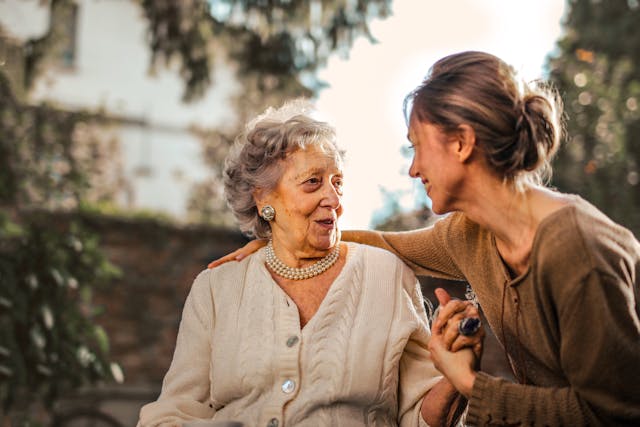
Joyful adult daughter greeting happy surprised senior mother in garden. Photo by Andrea Piacquadio: https://www.pexels.com/photo/joyful-adult-daughter-greeting-happy-surprised-senior-mother-in-garden-3768131/
SHARE

Recent research conducted by the Mayo Clinic has uncovered that individuals experiencing social isolation exhibit signs of accelerated biological ageing and face a higher likelihood of mortality from various causes. Published in the Journal of the American College of Cardiology: Advances, the study underscores the vital role of social connections in maintaining physical health and extending life expectancy. It advocates for including social integration as a crucial element among the social determinants of health.

The study embarked on an exploration of the impact of social engagement on the biological ageing process by analyzing the relationship between the Social Network Index and the age disparities predicted by AI-enabled electrocardiograms (AI-ECGs) among over 280,000 adults who sought outpatient care from June 2019 to March 2022. To qualify, participants must complete a health determinants questionnaire and possess AI-ECG records that were not part of the study, dated within a year.

Utilizing an AI-ECG model formulated at the Mayo Clinic, researchers estimated the biological ages of participants and compared these to their chronological ages. The AI-ECG’s age prediction indicates the heart’s biological condition: a higher age gap signals faster ageing, and a lower one suggests a deceleration in the ageing process.

The assessment of social isolation was conducted through the Social Network Index, which incorporates six questions covering various aspects of social interaction, such as involvement in social groups, frequency of social activities, communication habits, religious service attendance, in-person gatherings, and relationship or cohabitation status. Responses to these questions were scored to reflect degrees of social isolation.

Findings revealed that higher Social Network Index scores indicated that individuals with robust social networks demonstrated narrower AI-ECG age gaps across all demographics. Moreover, the status of one’s social network was found to have a significant effect on mortality risk. Throughout a two-year follow-up, about 5% of participants passed away, with those presenting low social index scores (of 1 or less) experiencing the highest mortality risk.

Although most participants were non-Hispanic white, the research identified health disparities among different racial groups. Non-white participants generally showed more significant average age gaps compared to their white counterparts, particularly among those with weaker social networks.

Dr Amir Lerman, a Mayo Clinic cardiologist and the study’s senior author, highlighted the study’s illumination of the crucial nexus between social isolation, health, and ageing. He emphasized that social isolation, when combined with certain demographic and medical factors, poses a significant risk factor for expedited ageing. However, Dr Lerman also pointed out the potential for behavioural changes, such as increased social interaction and healthier lifestyle choices, to significantly enhance overall health.

More information: Nazanin Rajai et al, Association Between Social Isolation With Age-Gap Determined by Artificial Intelligence-Enabled Electrocardiography, Journal of the American College of Cardiology. DOI: 10.1016/j.jacadv.2024.100890

Journal information: Journal of the American College of Cardiology Provided by Mayo Clinic

TAGGED:biological organizationmortality ratespopulation studiessocial changesocial interactionsocial networkssocial researchsocial studies of science
Share This Article
Email Copy Link Print
Previous Article Implementing obligatory regulations for indoor environments would lead to significant improvements in the health and efficiency of individuals globally
Next Article Studies show a connection between menstrual cycles, emotions, and sleep patterns in women
Leave a Comment

Leave a Reply Cancel reply

Your email address will not be published. Required fields are marked *

Recent Posts

  • The Key to a Fulfilling Retirement: Staying Social
  • Adopting a Healthy Lifestyle Linked to Slower Biological Ageing in Older Men
  • Innovative Wound Treatment Could Improve Healing and Recovery
  • Bringing Toxoplasmosis Into Focus: A Global Call for Recognition
  • Unravelling the Link Between Brain Iron Accumulation and Neurodegeneration

Tags

adolescents adverse effects ageing populations aging populations air pollution alzheimer disease amyloids anxiety artificial intelligence atopic dermatitis behavioral psychology biomarkers blood pressure body mass index brain cancer cancer research cardiology cardiovascular disease cardiovascular disorders caregivers children climate change effects clinical research cognition cognitive development cognitive disorders cognitive function cognitive neuroscience cohort studies COVID-19 dementia depression diabetes diets discovery research disease control disease intervention disease prevention diseases and disorders environmental health epidemiology foods food science gender studies geriatrics gerontology gut microbiota health and medicine health care health care costs health care delivery heart disease heart failure home care human brain human health hypertension inflammation insomnia life expectancy life sciences longitudinal studies memory disorders menopause mental health metabolic disorders metabolism mortality rates neurodegenerative diseases neurological disorders neurology neuroscience nursing homes nutrients nutrition obesity older adults parkinsons disease physical exercise population studies preventive medicine psychiatric disorders psychological science psychological stress public health research impact risk assessment risk factors risk reduction skin sleep sleep apnea sleep disorders social interaction social research socioeconomics tobacco type 2 diabetes weight loss
July 2026
S M T W T F S
 1234
567891011
12131415161718
19202122232425
262728293031  
« Jun    

This website is for information purpose only and is in no way intended to replace the advice, professional medical care, diagnosis or treatment of a doctor, therapist, dietician or nutritionist.

About | Contact | Cookie Policy | Digital Millennium Copyright Act Notice | Disclaimer | Privacy Policy | Terms of Service

You Might Also Like

Ageing Well

Marital Status Significantly Linked to Improved Health and Well-being Among Ageing Men

By support
Ageing Well

Examining the Advantages and Risks of Intensive Blood Pressure Reduction in Elderly Populations with Diverse Traits

By support
Ageing Well

Recent Study Suggests Daily Coffee Intake May Extend Healthy Lifespan by Up to Two Year

By support
Ageing Well

New Research Uncovers the Impact of Social Ties on Health in Older Adults

By support
Living Well Study
Categories
  • Ageing Well
  • Brain Health
  • Healthy Diets
  • Mental Wellness
  • Physical Wellness
  • Wellness
LivingWellStudy
  • About
  • Contact
  • Cookie Policy
  • Digital Millennium Copyright Act Notice
  • Disclaimer
  • Privacy Policy
  • Terms of Service
Welcome Back!

Sign in to your account

Username or Email Address
Password

Lost your password?