Thursday, 2 Jul 2026
  • My Feed
  • My Saves
  • History
  • Blog
Living Well Study
  • Blog
  • Ageing Well
  • Brain Health
  • Healthy Diets
  • Physical Wellness
  • Wellness
  • 🔥
  • Wellness
  • older adults
  • Living Well
  • Brain Health
  • dementia
  • public health
  • Ageing Well
  • alzheimer disease
  • physical exercise
  • mental health
Font ResizerAa
Living Well StudyLiving Well Study
  • My Saves
  • My Feed
  • History
Search
  • Pages
    • Home
    • Search Page
  • Personalized
    • Blog
    • My Feed
    • My Saves
    • History
  • Categories
    • Ageing Well
    • Brain Health
    • Healthy Diets
    • Mental Wellness
    • Physical Wellness
    • Wellness
Have an existing account? Sign In
Follow US
© 2022 Foxiz News Network. Ruby Design Company. All Rights Reserved.
Living Well Study > Blog > Brain Health > Blood test predicts Parkinson’s disease onset seven years before symptoms
Brain Health

Blood test predicts Parkinson’s disease onset seven years before symptoms

support
Share
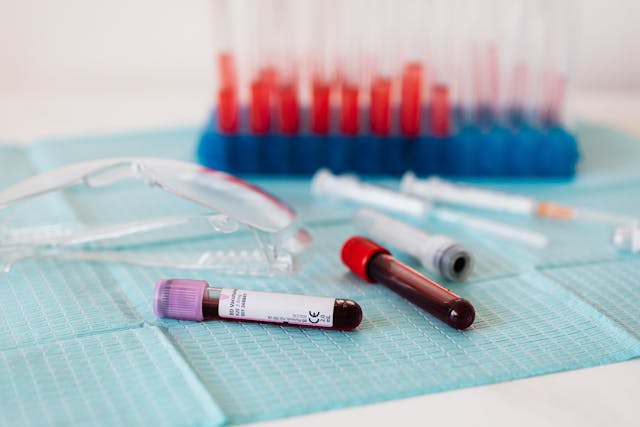
Full vials of blood near various medical equipment for taking blood. Photo by Karolina Kaboompics: https://www.pexels.com/photo/full-vials-of-blood-near-various-medical-equipment-for-taking-blood-4226924/
SHARE

A team led by researchers from UCL and University Medical Center Goettingen has developed a straightforward blood test employing artificial intelligence (AI) to predict Parkinson’s disease up to seven years before symptoms manifest. Parkinson’s disease stands as the fastest-growing neurodegenerative disorder worldwide, affecting nearly 10 million people. This progressive condition results from the degeneration of nerve cells in the substantia nigra region of the brain, responsible for movement control. The loss of these cells impairs dopamine production, driven by the accumulation of alpha-synuclein protein.

Currently, treatment involves dopamine replacement therapy administered after symptoms like tremors, slowed movement, and cognitive issues appear. Early detection holds promise for initiating treatments that could protect dopamine-producing brain cells, potentially slowing or halting disease progression. Professor Kevin Mills, senior author from UCL Great Ormond Street Institute of Child Health, emphasised the importance of diagnosing Parkinson’s before symptom onset to safeguard existing brain cells. The team utilised cutting-edge technology to identify new biomarkers for the disease and developed a test intended for integration into large NHS laboratories within two years, given adequate funding.

Published in Nature Communications, their research demonstrated that a panel of eight blood-based biomarkers, analysed using machine learning, achieved 100% diagnostic accuracy for Parkinson’s. Testing involved 72 patients with Rapid Eye Movement Behaviour Disorder (iRBD), a precursor to synucleinopathies, including Parkinson’s. The AI successfully identified 79% of iRBD patients sharing biomarker profiles with Parkinson’s patients. Over a decade-long follow-up, the AI predictions correlated with clinical outcomes, accurately forecasting Parkinson’s onset up to seven years in advance for 16 patients initially diagnosed with iRBD.

Dr Michael Bartl, co-first author from University Medical Center Goettingen, highlighted the potential of identifying Parkinson’s patients years before symptoms emerge, enabling earlier intervention with potential disease-modifying therapies. The identified biomarkers, linked to inflammation and protein degradation processes, present new avenues for drug development. Co-author Professor Kailash Bhatia, from UCL Queen Square Institute of Neurology, and his team are assessing the test’s precision using samples from high-risk populations, such as individuals with genetic mutations predisposing them to Parkinson’s.

Future efforts aim to simplify the test into a blood spot format, facilitating more accessible sample collection and mail-in testing. Funding from EU Horizon 2020, Parkinson’s UK, NIHR GOSH Biomedical Research Centre, and the Szeben-Peto Foundation supported this groundbreaking research. Professor David Dexter, Director of Research at Parkinson’s UK, hailed the study’s potential to revolutionise Parkinson’s diagnosis with a non-invasive blood test, contrasting it favourably with more invasive lumbar punctures used in current research. Hopefully, this blood-based approach could distinguish Parkinson’s from similar conditions early on, enhancing diagnostic precision and paving the way for timely interventions.

The development of this AI-driven blood test represents a significant advancement in Parkinson’s research, promising earlier diagnosis and potentially transformative treatments. The ongoing validation and future refinements hold promise for widespread clinical application, offering hope to millions affected by this challenging neurodegenerative disease.

More information: Jenny Hällqvist et al, Plasma proteomics identify biomarkers predicting Parkinson’s disease up to 7 years before symptom onset, Nature Communications. DOI: 10.1038/s41467-024-48961-3

Journal information: Nature Communications Provided by University College London

TAGGED:biomarkersblooddopaminemovement disordersparkinsons diseaseprotein markers
Share This Article
Email Copy Link Print
Previous Article Strategies to Tackle Homelessness Among Older Adults
Next Article Reduced Snoring Risk Associated with Healthy Plant-Based Diet
Leave a Comment

Leave a Reply Cancel reply

Your email address will not be published. Required fields are marked *

Recent Posts

  • The Key to a Fulfilling Retirement: Staying Social
  • Adopting a Healthy Lifestyle Linked to Slower Biological Ageing in Older Men
  • Innovative Wound Treatment Could Improve Healing and Recovery
  • Bringing Toxoplasmosis Into Focus: A Global Call for Recognition
  • Unravelling the Link Between Brain Iron Accumulation and Neurodegeneration

Tags

adolescents adverse effects ageing populations aging populations air pollution alzheimer disease amyloids anxiety artificial intelligence atopic dermatitis behavioral psychology biomarkers blood pressure body mass index brain cancer cancer research cardiology cardiovascular disease cardiovascular disorders caregivers children climate change effects clinical research cognition cognitive development cognitive disorders cognitive function cognitive neuroscience cohort studies COVID-19 dementia depression diabetes diets discovery research disease control disease intervention disease prevention diseases and disorders environmental health epidemiology foods food science gender studies geriatrics gerontology gut microbiota health and medicine health care health care costs health care delivery heart disease heart failure home care human brain human health hypertension inflammation insomnia life expectancy life sciences longitudinal studies memory disorders menopause mental health metabolic disorders metabolism mortality rates neurodegenerative diseases neurological disorders neurology neuroscience nursing homes nutrients nutrition obesity older adults parkinsons disease physical exercise population studies preventive medicine psychiatric disorders psychological science psychological stress public health research impact risk assessment risk factors risk reduction skin sleep sleep apnea sleep disorders social interaction social research socioeconomics tobacco type 2 diabetes weight loss
July 2026
S M T W T F S
 1234
567891011
12131415161718
19202122232425
262728293031  
« Jun    

This website is for information purpose only and is in no way intended to replace the advice, professional medical care, diagnosis or treatment of a doctor, therapist, dietician or nutritionist.

About | Contact | Cookie Policy | Digital Millennium Copyright Act Notice | Disclaimer | Privacy Policy | Terms of Service

You Might Also Like

Brain Health

New Research Questions Fish Oil’s Role in Preventing Alzheimer’s Decline

By support
Science

Little worms, mighty memories: decoding the brain’s secrets

By support
Brain Health

Researchers uncover a promising new drug target for Alzheimer’s disease

By support
Brain Health

Research Investigates Fish Oil’s Impact on Brain Health in Older Adults

By support
Living Well Study
Categories
  • Ageing Well
  • Brain Health
  • Healthy Diets
  • Mental Wellness
  • Physical Wellness
  • Wellness
LivingWellStudy
  • About
  • Contact
  • Cookie Policy
  • Digital Millennium Copyright Act Notice
  • Disclaimer
  • Privacy Policy
  • Terms of Service
Welcome Back!

Sign in to your account

Username or Email Address
Password

Lost your password?