Sunday, 16 Aug 2026
  • My Feed
  • My Saves
  • History
  • Blog
Living Well Study
  • Blog
  • Ageing Well
  • Brain Health
  • Healthy Diets
  • Physical Wellness
  • Wellness
  • 🔥
  • Wellness
  • older adults
  • Living Well
  • Brain Health
  • dementia
  • public health
  • Ageing Well
  • Health and Medicine
  • ageing populations
  • alzheimer disease
Font ResizerAa
Living Well StudyLiving Well Study
  • My Saves
  • My Feed
  • History
Search
  • Pages
    • Home
    • Search Page
  • Personalized
    • Blog
    • My Feed
    • My Saves
    • History
  • Categories
    • Ageing Well
    • Brain Health
    • Healthy Diets
    • Mental Wellness
    • Physical Wellness
    • Wellness
Have an existing account? Sign In
Follow US
© 2022 Foxiz News Network. Ruby Design Company. All Rights Reserved.
Living Well Study > Blog > Ageing Well > Cycling as a Path to Longevity and Vitality in Older Adults, Especially for Nondrivers
Ageing Well

Cycling as a Path to Longevity and Vitality in Older Adults, Especially for Nondrivers

support
Share
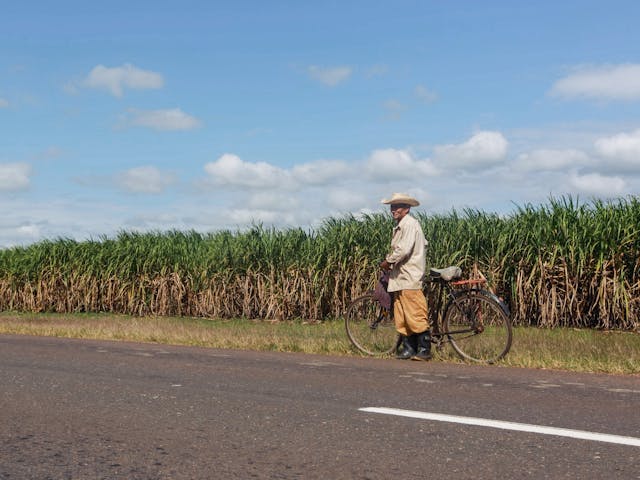
Photo by Mehmet Turgut Kirkgoz : https://www.pexels.com/photo/a-man-in-brown-pants-standing-beside-the-road-11689870/
SHARE

In Japan, a considerable proportion of older adults rely on bicycles as a primary means of transportation. This trend is notably more prevalent than in Europe or the United States. Prior studies have highlighted the health benefits of cycling, linking it to increased physical activity and more robust social interactions. These benefits are particularly critical for older adults, as regular physical exercise can reduce the likelihood of requiring long-term care and lower overall mortality risk. However, long-term studies examining these effects within the Japanese context have been lacking despite the recognised advantages of cycling.

The present study sought to address this gap by exploring the long-term health impacts of cycling among older adults, focusing on two key research objectives. Firstly, it investigated the relationship between the frequency of bicycle use in 2013 and the subsequent need for long-term care and mortality over a decade-long follow-up period, extending to 2023. Secondly, it examined how changes in cycling habits, including nonuse, initiation, interruption, and continuation, affected the onset of long-term care needs or death at two critical points: 2013 and 2017. To provide a more nuanced understanding, the analysis focused on older adults who do not drive, recognising that nondrivers may particularly benefit from cycling to maintain independence and mobility.

The first strand of this research revealed that older adults who cycled in 2013 faced a significantly lower risk of requiring long-term care and a reduced likelihood of death over the following decade compared with those who did not cycle. This protective effect was especially pronounced among nondrivers, underscoring the critical role of cycling in supporting healthy ageing for those without access to cars.

The second aspect of the study provided further insights, demonstrating that older adults who continued cycling for at least four years, from 2013 to 2017, experienced notably lower risks of requiring long-term care and reduced mortality rates over the subsequent six years, compared with those who remained non-cyclists. This trend was even more striking among nondrivers, who sustained their cycling habits, and those who took up cycling during this period exhibited a significantly lower likelihood of needing long-term care.

These findings collectively suggest that cycling is a potent “lifestyle companion” for older adults, promoting both physical and mental well-being while potentially extending life expectancy. This is particularly relevant in Japan, where many older individuals voluntarily surrender their driving licences, making alternative forms of mobility increasingly crucial for maintaining independence. Given this demographic shift, there is a clear need for supportive policies and community initiatives that encourage and facilitate cycling among older adults, particularly those without the option to drive.

In conclusion, promoting cycling among older adults enhances their physical health. It contributes to broader social and psychological well-being, reducing the strain on long-term care systems and fostering a higher quality of life. As the ageing population in Japan continues to expand, recognising and nurturing this connection between mobility and health could have profound implications for public health strategies, helping to create a more active and resilient older generation.

More information: Kenji Tsunoda et al, Changes in cycling and incidences of functional disability and mortality among older Japanese adults, Transportation Research Part F: Traffic Psychology and Behaviour. DOI: 10.1016/j.trf.2025.03.006

Journal information: Transportation Research Part F: Traffic Psychology and Behaviour Provided by University of Tsukuba

TAGGED:gerontologyhuman healtholder adultsphysical exercise
Share This Article
Email Copy Link Print
Previous Article Unlocking the Age-Defying Benefits of Black Tea and Berries
Next Article Immersive VR with Scent: A Novel Approach to Cognitive Health
Leave a Comment

Leave a Reply Cancel reply

Your email address will not be published. Required fields are marked *

Recent Posts

  • Socioeconomic Disadvantage Is Associated with Greater Physical Decline with Age
  • Early Life Adversity Leaves a Lasting Molecular Mark Across the Body
  • Growing Up Gets Easier With Time, New Research Suggests
  • Most Patients with Early Alzheimer’s Disease Seeking Anti-Amyloid Antibody Therapy Fall Short of Brain Health Guidelines
  • Strength in Motion: Muscles May Hold the Key to Protecting the Parkinson’s Brain

Tags

adolescents adverse effects ageing populations aging populations air pollution alzheimer disease amyloids anxiety artificial intelligence atopic dermatitis behavioral psychology biomarkers blood pressure body mass index brain cancer cancer research cardiology cardiovascular disease cardiovascular disorders caregivers children climate change clinical research cognition cognitive development cognitive disorders cognitive function cognitive neuroscience COVID-19 dementia depression diabetes diets discovery research disease control disease intervention disease prevention diseases and disorders environmental health epidemiology foods food science gender studies geriatrics gerontology gut microbiota health and medicine health care health care costs health care delivery heart disease heart failure home care human brain human health hypertension inflammation insomnia life expectancy life sciences longitudinal studies memory disorders menopause mental health metabolic disorders metabolism mortality rates neurodegenerative diseases neurological disorders neurology neuroscience nursing homes nutrients nutrition obesity older adults parkinsons disease physical exercise population studies preventive medicine psychiatric disorders psychological science psychological stress public health research impact risk assessment risk factors risk reduction skin sleep sleep apnea sleep disorders social interaction social research social sciences socioeconomics tobacco type 2 diabetes weight loss
August 2026
S M T W T F S
 1
2345678
9101112131415
16171819202122
23242526272829
3031  
« Jul    

This website is for information purpose only and is in no way intended to replace the advice, professional medical care, diagnosis or treatment of a doctor, therapist, dietician or nutritionist.

About | Contact | Cookie Policy | Digital Millennium Copyright Act Notice | Disclaimer | Privacy Policy | Terms of Service

You Might Also Like

Mental Wellness

Handling Adversity in Later Years Associated with Reduced Mortality Risk

By support
Ageing Well

Stay Active, Age Gracefully: Recommending Exercise for the Elderly as a Formula for Healthful Ageing

By support
Public Health

Research Finds No Link Between Loneliness and Increased Risk of Death

By support
Health and Medicine

Cutting Back on Sleep Medication May Enhance Well-Being and Extend Lifespan in Older Adults

By support
Living Well Study
Categories
  • Ageing Well
  • Brain Health
  • Healthy Diets
  • Mental Wellness
  • Physical Wellness
  • Wellness
LivingWellStudy
  • About
  • Contact
  • Cookie Policy
  • Digital Millennium Copyright Act Notice
  • Disclaimer
  • Privacy Policy
  • Terms of Service
Welcome Back!

Sign in to your account

Username or Email Address
Password

Lost your password?