Sunday, 16 Aug 2026
  • My Feed
  • My Saves
  • History
  • Blog
Living Well Study
  • Blog
  • Ageing Well
  • Brain Health
  • Healthy Diets
  • Physical Wellness
  • Wellness
  • 🔥
  • Wellness
  • older adults
  • Living Well
  • Brain Health
  • dementia
  • public health
  • Ageing Well
  • Health and Medicine
  • ageing populations
  • alzheimer disease
Font ResizerAa
Living Well StudyLiving Well Study
  • My Saves
  • My Feed
  • History
Search
  • Pages
    • Home
    • Search Page
  • Personalized
    • Blog
    • My Feed
    • My Saves
    • History
  • Categories
    • Ageing Well
    • Brain Health
    • Healthy Diets
    • Mental Wellness
    • Physical Wellness
    • Wellness
Have an existing account? Sign In
Follow US
© 2022 Foxiz News Network. Ruby Design Company. All Rights Reserved.
Living Well Study > Blog > Wellness > Emerging Study Reveals Hidden Contributions of Nieces and Nephews in Dementia Care
Wellness

Emerging Study Reveals Hidden Contributions of Nieces and Nephews in Dementia Care

support
Share
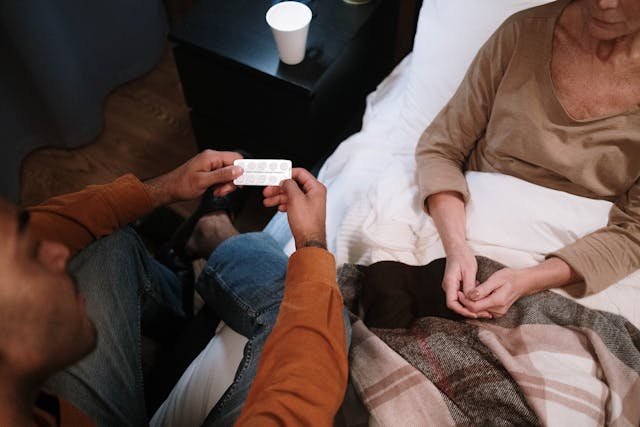
Photo by Ron Lach : https://www.pexels.com/photo/man-giving-medicine-to-elderly-woman-in-bed-8527647/
SHARE

A recent Virginia Tech study has drawn attention to the important yet often unrecognised role that nieces and nephews play in caring for ageing relatives living with dementia. Published in The Gerontologist, the study is the first to offer a focused examination of dementia caregiving by extended family members beyond the usual scope of spouses and adult children. Led by Dr Tina Savla and Dr Karen Roberto, the research forms part of the broader CareEx project funded by the National Institutes of Health. The findings reveal that many of these caregivers never expected to assume such a role, but instead stepped into it out of necessity and familial affection, often with little preparation or support.

Dr Savla, a professor of human development and family science, noted that this sudden shift into caregiving reflects both deep empathy and considerable strain. “That spontaneity shows extraordinary love and empathy while masking a lot of real stress,” she explained. “They carry all of the responsibilities associated with primary caregiving while also managing their households, children, and work.” The study highlights the complexity of modern caregiving dynamics, in which nieces and nephews must balance competing demands on their time, finances, and emotional well-being—while providing consistent, often intensive support to relatives with cognitive decline.

The participants, comprising 20 nieces and five nephews aged between 38 and 67, were located across several states, including Virginia, Maryland, and North Carolina. All either lived with their relatives or maintained close contact, typically visiting at least three times a week. Interviews conducted between 2021 and 2025 explored how these individuals became caregivers, the nature of the care they provide, and the impact of this experience on their quality of life. Many of them had lifelong relationships with their aunts and uncles, formed through strong generational bonds. This emotional foundation was a powerful motivator in their willingness to take on such a demanding role, often rooted in a sense of gratitude and moral responsibility.

“Many participants told us, ‘I’m just paying back the love my aunt showed me when I was a kid,’” said Savla, who also serves as core faculty at Virginia Tech’s Centre for Gerontology. This sense of reciprocity, the study suggests, provides a resilience that can sometimes surpass the more transactional nature of obligatory care. Yet even with such heartfelt motivation, the practical challenges remain significant. Like traditional caregivers, these extended family members must handle a range of responsibilities—organising transport to medical appointments, managing medications and finances, assisting with daily tasks, and navigating complex healthcare systems—often with limited access to formal resources or recognition.

To better understand the intricacies of this caregiving role, Savla and Roberto identified four major themes across the interviews: relationship foundations, pathways to caregiving, care systems, and the trials and tribulations associated with caregiving. These categories shed light on how past personal histories shape caregiving responsibilities, how caregivers adapt (or struggle to adapt) to their new roles, and the types of support systems—or lack thereof—that impact both their experience and effectiveness. The study makes a significant contribution to the field by demonstrating that caregiving is not limited to nuclear family structures and that extended relatives are a vital yet underexplored aspect of the care landscape.

With America’s ageing population growing and dementia diagnoses on the rise, the researchers argue that understanding extended caregiving dynamics is more urgent than ever. Current policies and research often overlook the diversity of caregiving arrangements, focusing instead on more traditional family roles. Moving forward, Savla and Roberto plan to broaden their scope by including adult grandchildren and siblings in future phases of the study. “Understanding the contributions of extended family caregivers provides a more complete picture of the family caregiving ecosystem,” Roberto explained. “Learning about their experiences will help identify unmet care needs and guide interventions to sustain caregiver wellbeing—ultimately improving outcomes for both carers and the individuals they support.”

More information: Tina Savla et al, Niece and Nephew Dementia Caregivers: Family Relationships and Care Dynamics, The Gerontologist. DOI: 10.1093/geront/gnaf154

Journal information: The Gerontologist Provided by Virginia Tech

TAGGED:caregiverscognitive disordershome care
Share This Article
Email Copy Link Print
Previous Article Neighbourhood Environment Linked to Inflammation and Early Signs of Dementia
Next Article Regular Physical Activity Could Help Preserve Cognitive Function
Leave a Comment

Leave a Reply Cancel reply

Your email address will not be published. Required fields are marked *

Recent Posts

  • Socioeconomic Disadvantage Is Associated with Greater Physical Decline with Age
  • Early Life Adversity Leaves a Lasting Molecular Mark Across the Body
  • Growing Up Gets Easier With Time, New Research Suggests
  • Most Patients with Early Alzheimer’s Disease Seeking Anti-Amyloid Antibody Therapy Fall Short of Brain Health Guidelines
  • Strength in Motion: Muscles May Hold the Key to Protecting the Parkinson’s Brain

Tags

adolescents adverse effects ageing populations aging populations air pollution alzheimer disease amyloids anxiety artificial intelligence atopic dermatitis behavioral psychology biomarkers blood pressure body mass index brain cancer cancer research cardiology cardiovascular disease cardiovascular disorders caregivers children climate change clinical research cognition cognitive development cognitive disorders cognitive function cognitive neuroscience COVID-19 dementia depression diabetes diets discovery research disease control disease intervention disease prevention diseases and disorders environmental health epidemiology foods food science gender studies geriatrics gerontology gut microbiota health and medicine health care health care costs health care delivery heart disease heart failure home care human brain human health hypertension inflammation insomnia life expectancy life sciences longitudinal studies memory disorders menopause mental health metabolic disorders metabolism mortality rates neurodegenerative diseases neurological disorders neurology neuroscience nursing homes nutrients nutrition obesity older adults parkinsons disease physical exercise population studies preventive medicine psychiatric disorders psychological science psychological stress public health research impact risk assessment risk factors risk reduction skin sleep sleep apnea sleep disorders social interaction social research social sciences socioeconomics tobacco type 2 diabetes weight loss
August 2026
S M T W T F S
 1
2345678
9101112131415
16171819202122
23242526272829
3031  
« Jul    

This website is for information purpose only and is in no way intended to replace the advice, professional medical care, diagnosis or treatment of a doctor, therapist, dietician or nutritionist.

About | Contact | Cookie Policy | Digital Millennium Copyright Act Notice | Disclaimer | Privacy Policy | Terms of Service

You Might Also Like

Wellness

Cerebral Haemorrhages Linked to Higher Dementia Risk

By support
Wellness

Iron-Related Chronic Illness More Common in East Asian Adults

By support
Wellness

New Research Indicates Viewing Natural Landscapes May Alleviate Pain

By support
Wellness

Elderly Individuals Living Alone Often Experience Deficiencies in Essential Nutrients

By support
Living Well Study
Categories
  • Ageing Well
  • Brain Health
  • Healthy Diets
  • Mental Wellness
  • Physical Wellness
  • Wellness
LivingWellStudy
  • About
  • Contact
  • Cookie Policy
  • Digital Millennium Copyright Act Notice
  • Disclaimer
  • Privacy Policy
  • Terms of Service
Welcome Back!

Sign in to your account

Username or Email Address
Password

Lost your password?