Thursday, 2 Jul 2026
  • My Feed
  • My Saves
  • History
  • Blog
Living Well Study
  • Blog
  • Ageing Well
  • Brain Health
  • Healthy Diets
  • Physical Wellness
  • Wellness
  • 🔥
  • Wellness
  • older adults
  • Living Well
  • Brain Health
  • dementia
  • public health
  • Ageing Well
  • alzheimer disease
  • physical exercise
  • mental health
Font ResizerAa
Living Well StudyLiving Well Study
  • My Saves
  • My Feed
  • History
Search
  • Pages
    • Home
    • Search Page
  • Personalized
    • Blog
    • My Feed
    • My Saves
    • History
  • Categories
    • Ageing Well
    • Brain Health
    • Healthy Diets
    • Mental Wellness
    • Physical Wellness
    • Wellness
Have an existing account? Sign In
Follow US
© 2022 Foxiz News Network. Ruby Design Company. All Rights Reserved.
Living Well Study > Blog > Brain Health > Exploring the Role of Physical Frailty in Dementia Onset
Brain Health

Exploring the Role of Physical Frailty in Dementia Onset

support
Share
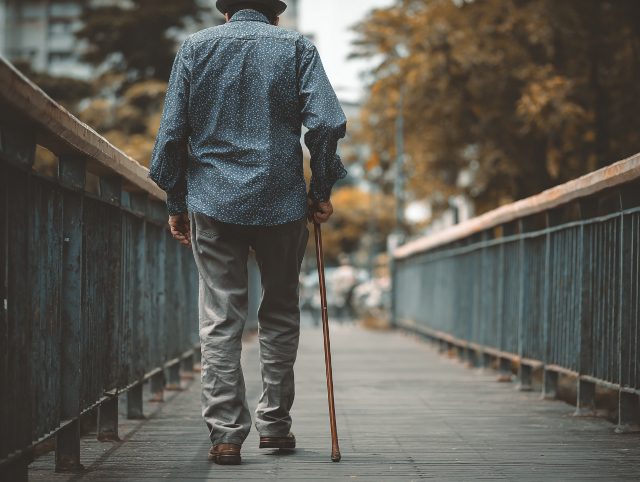
older adult walking
SHARE

A major new study has provided fresh insight into the connection between physical frailty and dementia, suggesting that frailty may not only be associated with, but could also contribute directly to, the development of the disease. The findings were published on September 17, 2025, in Neurology®, the medical journal of the American Academy of Neurology. This large-scale investigation strengthens the case for understanding frailty as more than a sign of general health decline and positions it as a possible risk factor for dementia itself.

Frailty, in medical terms, was defined in the study as the presence of at least three out of five key symptoms: persistent tiredness, low physical activity, slower walking speed, reduced grip strength, and unintended weight loss. These indicators have long been recognised as markers of physical decline, but the research team sought to explore whether they might also be linked to long-term cognitive changes. “We have known that frailty is tied to a higher risk of dementia,” explained lead author Yacong Bo, PhD, of Zhengzhou University in China. “Our study provides evidence that frailty may actually be a cause, though it is still possible that frailty represents early changes in the disease process.”

The research drew on health data from an impressive cohort of 489,573 participants, with an average age of 57, who were followed for approximately 14 years. Among these individuals, 4.6% were classified as frail, 43.9% fell into the “pre-frailty” category with one or two symptoms, and just over half—51.5%—showed no symptoms and were deemed not frail. Over the course of the study, 8,900 people went on to develop dementia. The rates varied noticeably by frailty status: 4.6% among the frail group, 2.2% among the pre-frail, and 1.3% among those with no frailty symptoms.

When the researchers accounted for other factors that influence dementia risk, such as age, education level, and physical activity, they found striking differences. Those classified as frail were nearly three times more likely to develop dementia than those without any symptoms. Pre-frailty also carried a significant risk, with affected individuals showing a 50% higher likelihood of developing dementia compared to their non-frail peers. Genetic factors added further weight: people who were frail and also carried dementia-related genes faced nearly four times the risk of dementia compared with those who had neither frailty nor genetic predisposition.

Notably, the data suggested that frailty may play a causal role rather than being a by-product of dementia. The researchers examined brain imaging and biological markers, discovering that frail participants were more likely to show structural brain changes linked to dementia. “These biomarkers may be the mechanism that connects frailty to dementia,” noted Bo. At the same time, the reverse relationship appeared weak, with evidence showing dementia did not significantly increase the likelihood of becoming frail.

The study highlights the importance of recognising and addressing frailty as a potential avenue for dementia prevention. Early identification of frailty, along with interventions that promote physical activity, adequate nutrition, and muscle strength, serves a dual purpose: protecting physical function and safeguarding brain health. The authors acknowledge some limitations, particularly that four of the five frailty symptoms were self-reported and could be subject to inaccuracies. Nevertheless, the findings lend significant weight to the growing body of evidence that maintaining physical resilience is essential for cognitive well-being in later life.

More information: Yacong Bo et al, Association of Frailty With Dementia and the Mediating Role of Brain Structure and Immunometabolic Signatures, Neurology. DOI: 10.1212/WNL.0000000000214199

Journal information: Neurology Provided by American Academy of Neurology

TAGGED:cognitive disordersdementia
Share This Article
Email Copy Link Print
Previous Article Loneliness remains disproportionately high for working-age adults with disabilities, new study finds
Next Article Adaptive immunity in Alzheimer’s disease spotlighted by Chinese Medical Journal Review
Leave a Comment

Leave a Reply Cancel reply

Your email address will not be published. Required fields are marked *

Recent Posts

  • The Key to a Fulfilling Retirement: Staying Social
  • Adopting a Healthy Lifestyle Linked to Slower Biological Ageing in Older Men
  • Innovative Wound Treatment Could Improve Healing and Recovery
  • Bringing Toxoplasmosis Into Focus: A Global Call for Recognition
  • Unravelling the Link Between Brain Iron Accumulation and Neurodegeneration

Tags

adolescents adverse effects ageing populations aging populations air pollution alzheimer disease amyloids anxiety artificial intelligence atopic dermatitis behavioral psychology biomarkers blood pressure body mass index brain cancer cancer research cardiology cardiovascular disease cardiovascular disorders caregivers children climate change effects clinical research cognition cognitive development cognitive disorders cognitive function cognitive neuroscience cohort studies COVID-19 dementia depression diabetes diets discovery research disease control disease intervention disease prevention diseases and disorders environmental health epidemiology foods food science gender studies geriatrics gerontology gut microbiota health and medicine health care health care costs health care delivery heart disease heart failure home care human brain human health hypertension inflammation insomnia life expectancy life sciences longitudinal studies memory disorders menopause mental health metabolic disorders metabolism mortality rates neurodegenerative diseases neurological disorders neurology neuroscience nursing homes nutrients nutrition obesity older adults parkinsons disease physical exercise population studies preventive medicine psychiatric disorders psychological science psychological stress public health research impact risk assessment risk factors risk reduction skin sleep sleep apnea sleep disorders social interaction social research socioeconomics tobacco type 2 diabetes weight loss
July 2026
S M T W T F S
 1234
567891011
12131415161718
19202122232425
262728293031  
« Jun    

This website is for information purpose only and is in no way intended to replace the advice, professional medical care, diagnosis or treatment of a doctor, therapist, dietician or nutritionist.

About | Contact | Cookie Policy | Digital Millennium Copyright Act Notice | Disclaimer | Privacy Policy | Terms of Service

You Might Also Like

Brain Health

Adult ADHD and its association with dementia risk

By support
Brain Health

Spatial Path Integration in Virtual Reality for Neurodegenerative Disease Prediction

By support
Wellness

Innovative Model Predicts Early Signs of Alzheimer’s Disease

By support
Brain Health

Exercise shown to protect the brain at the cellular level in Alzheimer’s disease

By support
Living Well Study
Categories
  • Ageing Well
  • Brain Health
  • Healthy Diets
  • Mental Wellness
  • Physical Wellness
  • Wellness
LivingWellStudy
  • About
  • Contact
  • Cookie Policy
  • Digital Millennium Copyright Act Notice
  • Disclaimer
  • Privacy Policy
  • Terms of Service
Welcome Back!

Sign in to your account

Username or Email Address
Password

Lost your password?