Sunday, 16 Aug 2026
  • My Feed
  • My Saves
  • History
  • Blog
Living Well Study
  • Blog
  • Ageing Well
  • Brain Health
  • Healthy Diets
  • Physical Wellness
  • Wellness
  • 🔥
  • Wellness
  • older adults
  • Living Well
  • Brain Health
  • dementia
  • public health
  • Ageing Well
  • Health and Medicine
  • ageing populations
  • alzheimer disease
Font ResizerAa
Living Well StudyLiving Well Study
  • My Saves
  • My Feed
  • History
Search
  • Pages
    • Home
    • Search Page
  • Personalized
    • Blog
    • My Feed
    • My Saves
    • History
  • Categories
    • Ageing Well
    • Brain Health
    • Healthy Diets
    • Mental Wellness
    • Physical Wellness
    • Wellness
Have an existing account? Sign In
Follow US
© 2022 Foxiz News Network. Ruby Design Company. All Rights Reserved.
Living Well Study > Blog > Living Well > Hybrid insulin pumps are highly effective in adults with type 1 diabetes
Living Well

Hybrid insulin pumps are highly effective in adults with type 1 diabetes

support
Share
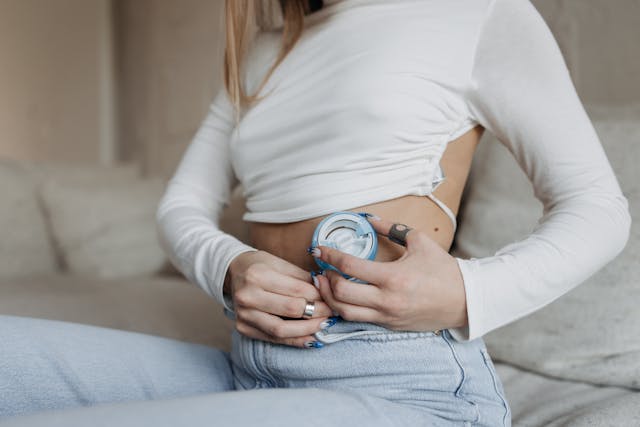
A Woman in White Long Sleeves and Denim Jeans Sitting on a Couch while Putting Insulin Pump on the Side of Her Abdomen. Photo by Pavel Danilyuk: https://www.pexels.com/photo/a-woman-in-white-long-sleeves-and-denim-jeans-sitting-on-a-couch-while-putting-insulin-pump-on-the-side-of-her-abdomen-7653662/
SHARE

New advanced insulin pumps are transforming the management of type 1 diabetes by continuously monitoring blood sugar levels and using specific algorithms to administer insulin doses automatically, maintaining stable glucose levels. This cutting-edge technology, Advanced Hybrid Closed Loop (AHCL), features a pump that continuously delivers insulin through a tube connected to a thin cannula placed in the subcutaneous fatty tissue. In recent years, these pumps have become available in Sweden to treat type 1 diabetes.

Blood sugar control has been a primary focus of a study conducted in collaboration with Sahlgrenska University Hospital Östra, with the findings published in the Journal of Diabetes Science and Technology. The study included 142 randomly selected adults with type 1 diabetes treated with one of two AHCL pumps at six different diabetes clinics across Sweden. The average age of the participants was 42 years, and they had been using their AHCL pump for just over one and a half years.

The results showed a notable improvement in blood sugar control among patients using the hybrid pumps. Insulin therapy aims to maintain blood sugar levels within a specific range, between 3.9 and 10 mmol/L. The study found that the time patients spent within this target range increased by approximately three and a half hours daily. Before starting pump therapy, patients’ blood sugar levels were within this range 57% of the time, on average. With the hybrid insulin pumps, this average increased to 71.5%.

Additionally, the risk of organ damage was reduced, as indicated by Dr. Ramanjit Singh, a Resident Physician affiliated with research at the University of Gothenburg and the study’s lead author. Dr Singh highlighted the significance of the improvement, noting that even an additional hour within the target range is crucial for reducing the risk of organ damage. The new treatment also reduced the time patients spent with dangerously low blood sugar levels, from 0.7% to 0.3% during the day, without increasing the occurrence of severe sugar dips.

Participants also reported high satisfaction levels with the advanced insulin pump compared to their previous diabetes treatments. In a research survey, they rated their experience on a scale from minus 18 (worst) to plus 18 (best), with an average score of plus 14.8.

Despite the treatment’s effectiveness, the researchers noted the potential for further improvement. Approximately one-third of the patients experienced skin reactions to the adhesive in the infusion sets or sensors.

Professor Marcus Lind, a leading figure in diabetology at the Sahlgrenska Academy and head of the diabetes research unit at Sahlgrenska University Hospital Östra, emphasized the potential for even more significant improvements in blood sugar levels as more patients receive the new treatment. This could further reduce organ damage and improve overall prognosis. He also highlighted the importance of developing products that are more skin-friendly and conducting more extensive studies to assess the safety of the treatment.

The insulin pumps used in the study, MiniMed™ 780 G and Tandem® t:slim X2™ with Control IQ™, represent significant advancements in the field. The study was an academic research project conducted independently of the companies responsible for these pumps, underscoring its objectivity and the significance of the findings in advancing diabetes treatment.

More information: Ramanjit Singh et al, Effects, safety, and treatment experience of advanced hybrid closed loop systems in clinical practice among adults living with type 1 diabetes, Journal of Diabetes Science and Technology. DOI: 10.1177/19322968241242386

Journal information: Journal of Diabetes Science and Technology Provided by University of Gothenburg

TAGGED:insulinmedical treatmentsrisk reductionsensorstype 1 diabetes
Share This Article
Email Copy Link Print
Previous Article BNP peptide implicated in eczema
Next Article Older adults are eager to communicate using emojis; they simply struggle with understanding their usage
Leave a Comment

Leave a Reply Cancel reply

Your email address will not be published. Required fields are marked *

Recent Posts

  • Socioeconomic Disadvantage Is Associated with Greater Physical Decline with Age
  • Early Life Adversity Leaves a Lasting Molecular Mark Across the Body
  • Growing Up Gets Easier With Time, New Research Suggests
  • Most Patients with Early Alzheimer’s Disease Seeking Anti-Amyloid Antibody Therapy Fall Short of Brain Health Guidelines
  • Strength in Motion: Muscles May Hold the Key to Protecting the Parkinson’s Brain

Tags

adolescents adverse effects ageing populations aging populations air pollution alzheimer disease amyloids anxiety artificial intelligence atopic dermatitis behavioral psychology biomarkers blood pressure body mass index brain cancer cancer research cardiology cardiovascular disease cardiovascular disorders caregivers children climate change clinical research cognition cognitive development cognitive disorders cognitive function cognitive neuroscience COVID-19 dementia depression diabetes diets discovery research disease control disease intervention disease prevention diseases and disorders environmental health epidemiology foods food science gender studies geriatrics gerontology gut microbiota health and medicine health care health care costs health care delivery heart disease heart failure home care human brain human health hypertension inflammation insomnia life expectancy life sciences longitudinal studies memory disorders menopause mental health metabolic disorders metabolism mortality rates neurodegenerative diseases neurological disorders neurology neuroscience nursing homes nutrients nutrition obesity older adults parkinsons disease physical exercise population studies preventive medicine psychiatric disorders psychological science psychological stress public health research impact risk assessment risk factors risk reduction skin sleep sleep apnea sleep disorders social interaction social research social sciences socioeconomics tobacco type 2 diabetes weight loss
August 2026
S M T W T F S
 1
2345678
9101112131415
16171819202122
23242526272829
3031  
« Jul    

This website is for information purpose only and is in no way intended to replace the advice, professional medical care, diagnosis or treatment of a doctor, therapist, dietician or nutritionist.

About | Contact | Cookie Policy | Digital Millennium Copyright Act Notice | Disclaimer | Privacy Policy | Terms of Service

You Might Also Like

Living Well

Can Your Choice of Workstation Impact Your Health and Productivity?

By support
Living Well

Selenium supplementation safeguards against obesity and may prolong lifespan

By support
Healthy Diets

The Mediterranean diet is linked to a reduced risk of dementia

By support
Wellness

Long-term survivors of childhood cancer are at an increased risk of mortality following cardiac complications; the threshold for addressing risk factors ought to be reduced

By support
Living Well Study
Categories
  • Ageing Well
  • Brain Health
  • Healthy Diets
  • Mental Wellness
  • Physical Wellness
  • Wellness
LivingWellStudy
  • About
  • Contact
  • Cookie Policy
  • Digital Millennium Copyright Act Notice
  • Disclaimer
  • Privacy Policy
  • Terms of Service
Welcome Back!

Sign in to your account

Username or Email Address
Password

Lost your password?