Thursday, 2 Jul 2026
  • My Feed
  • My Saves
  • History
  • Blog
Living Well Study
  • Blog
  • Ageing Well
  • Brain Health
  • Healthy Diets
  • Physical Wellness
  • Wellness
  • 🔥
  • Wellness
  • older adults
  • Living Well
  • Brain Health
  • dementia
  • public health
  • Ageing Well
  • alzheimer disease
  • physical exercise
  • mental health
Font ResizerAa
Living Well StudyLiving Well Study
  • My Saves
  • My Feed
  • History
Search
  • Pages
    • Home
    • Search Page
  • Personalized
    • Blog
    • My Feed
    • My Saves
    • History
  • Categories
    • Ageing Well
    • Brain Health
    • Healthy Diets
    • Mental Wellness
    • Physical Wellness
    • Wellness
Have an existing account? Sign In
Follow US
© 2022 Foxiz News Network. Ruby Design Company. All Rights Reserved.
Living Well Study > Blog > Wellness > Many Sleep Suggestions on TikTok Are Backed by Scientific Research
Wellness

Many Sleep Suggestions on TikTok Are Backed by Scientific Research

support
Share
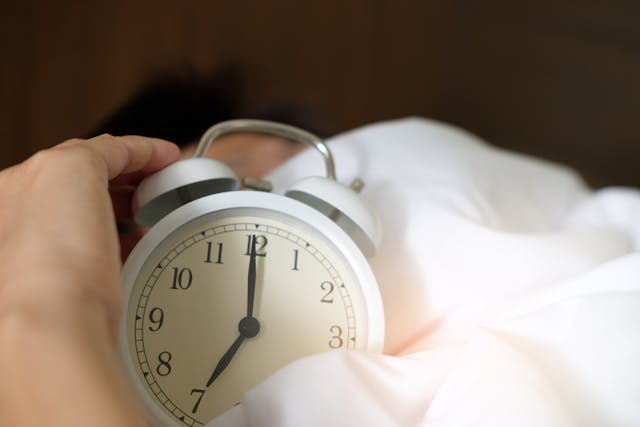
Photo by Acharaporn Kamornboonyarush: https://www.pexels.com/photo/photo-of-person-holding-alarm-clock-1028741/
SHARE

A study has established that most sleep advice circulating on TikTok is grounded in scientific facts. The investigation revealed that out of 35 distinct sleep recommendations featured in popular videos, 29 received empirical backing. Merely six of the sleep suggestions lacked scientific corroboration.

“These findings indicate that entities involved in sleep research and sleep medicine have effectively disseminated proper sleep hygiene tips,” commented Brian T. Gillis, the study’s principal investigator. Gillis, who has been exploring sleep for eight years, is an assistant professor of marriage and family therapy at the College of Human Sciences, Auburn University, in Auburn, Alabama. “It demonstrates that the public is absorbing the information we wish to impart about sleep in an environment—social media—where many are at ease learning about health matters.”

During a meticulous two-day study, researchers transcribed the highest-viewed TikTok videos utilising the hashtags #sleephacks, #sleephygiene, or #sleeptips. They then analysed these to identify all mentioned sleep tips, accumulating 295 sleep recommendations (including duplicates) across 58 videos. These tips were then grouped into seven categories, and their validity was assessed against the outcomes from randomised control trials, non-randomised control trials, and correlational studies published in peer-reviewed journals. The evidence found supporting these sleep tips included benefits such as reduced time to fall asleep, extended duration of sleep, increased periods of deep or REM sleep, heightened satisfaction with sleep, and diminished daytime tiredness.

Gillis emphasised that numerous adults perceive social media as a credible source of health information yet often fail to confirm the veracity of this information with healthcare professionals.

“In light of this reliance on health advice disseminated through social media, it’s crucial for content creators to offer medically accurate guidance,” Gillis remarked. “Although health advice on TikTok is unregulated, our findings suggest that the domain of sleep recommendations is one where content creators are largely accurate.”

Adequate sleep is essential for maintaining overall health and well-being. If you’re experiencing sleep difficulties, it’s advisable to consult a medical professional before experimenting with tips from social media. Your doctor might direct you to a sleep team at a sleep centre accredited by the American Academy of Sleep Medicine.

More information: Brian Gillis et al, TikTok Made Me Do It: An Analysis of the Scientific Evidence Supporting TikTok’s Recommendations for Better Sleep, SLEEP. DOI: 10.1093/sleep/zsae067.01093

Journal information: SLEEP Provided by American Academy of Sleep Medicine

TAGGED:sleepsocial media
Share This Article
Email Copy Link Print
Previous Article Important Notice for Older Adults: Quitting Smoking is Always an Option
Next Article Elderly Individuals Living Alone Often Experience Deficiencies in Essential Nutrients
Leave a Comment

Leave a Reply Cancel reply

Your email address will not be published. Required fields are marked *

Recent Posts

  • The Key to a Fulfilling Retirement: Staying Social
  • Adopting a Healthy Lifestyle Linked to Slower Biological Ageing in Older Men
  • Innovative Wound Treatment Could Improve Healing and Recovery
  • Bringing Toxoplasmosis Into Focus: A Global Call for Recognition
  • Unravelling the Link Between Brain Iron Accumulation and Neurodegeneration

Tags

adolescents adverse effects ageing populations aging populations air pollution alzheimer disease amyloids anxiety artificial intelligence atopic dermatitis behavioral psychology biomarkers blood pressure body mass index brain cancer cancer research cardiology cardiovascular disease cardiovascular disorders caregivers children climate change effects clinical research cognition cognitive development cognitive disorders cognitive function cognitive neuroscience cohort studies COVID-19 dementia depression diabetes diets discovery research disease control disease intervention disease prevention diseases and disorders environmental health epidemiology foods food science gender studies geriatrics gerontology gut microbiota health and medicine health care health care costs health care delivery heart disease heart failure home care human brain human health hypertension inflammation insomnia life expectancy life sciences longitudinal studies memory disorders menopause mental health metabolic disorders metabolism mortality rates neurodegenerative diseases neurological disorders neurology neuroscience nursing homes nutrients nutrition obesity older adults parkinsons disease physical exercise population studies preventive medicine psychiatric disorders psychological science psychological stress public health research impact risk assessment risk factors risk reduction skin sleep sleep apnea sleep disorders social interaction social research socioeconomics tobacco type 2 diabetes weight loss
July 2026
S M T W T F S
 1234
567891011
12131415161718
19202122232425
262728293031  
« Jun    

This website is for information purpose only and is in no way intended to replace the advice, professional medical care, diagnosis or treatment of a doctor, therapist, dietician or nutritionist.

About | Contact | Cookie Policy | Digital Millennium Copyright Act Notice | Disclaimer | Privacy Policy | Terms of Service

You Might Also Like

Wellness

UC Irvine Study Reveals Heat Waves’ Harmful Effects on Vital Organs

By support
Wellness

Elderly Demographics: Healthcare Funding Relies on Public Perception of Benefits and Risks

By support
Wellness

Ketogenic Diet Enhances Efficacy of Antifungal Medication in Mice

By support
Wellness

Penn Study Suggests Older Adults May Have Greater Resistance to Bird Flu Infections Than Youngsters

By support
Living Well Study
Categories
  • Ageing Well
  • Brain Health
  • Healthy Diets
  • Mental Wellness
  • Physical Wellness
  • Wellness
LivingWellStudy
  • About
  • Contact
  • Cookie Policy
  • Digital Millennium Copyright Act Notice
  • Disclaimer
  • Privacy Policy
  • Terms of Service
Welcome Back!

Sign in to your account

Username or Email Address
Password

Lost your password?