Thursday, 2 Jul 2026
  • My Feed
  • My Saves
  • History
  • Blog
Living Well Study
  • Blog
  • Ageing Well
  • Brain Health
  • Healthy Diets
  • Physical Wellness
  • Wellness
  • 🔥
  • Wellness
  • older adults
  • Living Well
  • Brain Health
  • dementia
  • public health
  • Ageing Well
  • alzheimer disease
  • physical exercise
  • mental health
Font ResizerAa
Living Well StudyLiving Well Study
  • My Saves
  • My Feed
  • History
Search
  • Pages
    • Home
    • Search Page
  • Personalized
    • Blog
    • My Feed
    • My Saves
    • History
  • Categories
    • Ageing Well
    • Brain Health
    • Healthy Diets
    • Mental Wellness
    • Physical Wellness
    • Wellness
Have an existing account? Sign In
Follow US
© 2022 Foxiz News Network. Ruby Design Company. All Rights Reserved.
Living Well Study > Blog > Wellness > Men Engaged in Recreational Activities Like Golfing and Gardening Could Face Higher ALS Risk
Wellness

Men Engaged in Recreational Activities Like Golfing and Gardening Could Face Higher ALS Risk

support
Share
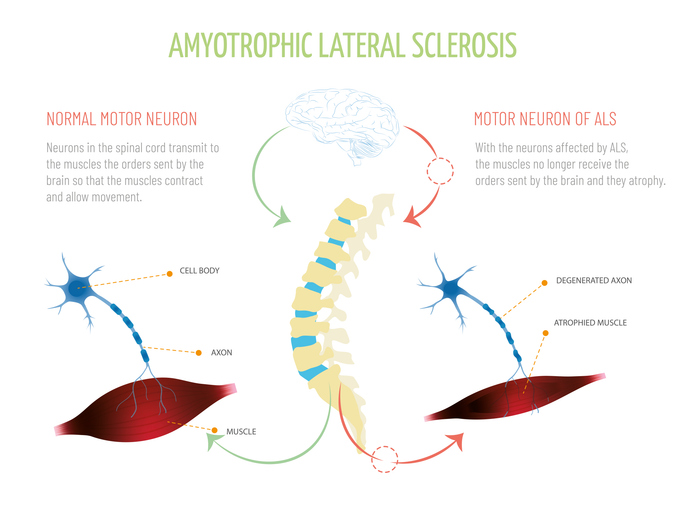
Infographic about amyotrophic lateral sclerosis, what is amyotrophic lateral sclerosis. Image by Maria Pilar Martinez Aguerri via iStock.
SHARE

A study by Michigan Medicine has revealed that participating in recreational activities such as golfing, gardening, woodworking, and hunting might elevate the risk of developing amyotrophic lateral sclerosis (ALS) in individuals, particularly men. This research highlights activity-specific risk increases and has been published in the Neurological Sciences.

Under the leadership of Stephen Goutman, M.D., M.S., director of the Pranger ALS Clinic and associate director of the ALS Center of Excellence at the University of Michigan, this study has broadened our understanding of ALS risks. It has shifted the focus from occupational hazards to the potential influence of recreational activities on ALS risk. Dr. Goutman’s call to include these activities in future studies could significantly shape the development of ALS prevention, diagnosis, and treatment strategies.

In their investigation, researchers surveyed 400 individuals diagnosed with ALS and nearly 300 without the condition, focusing on their engagement in hobbies and activities outside of work. They discovered a notably higher risk associated with golf, with men who play the sport facing a threefold increase in ALS risk. Other activities such as gardening, yard work, woodworking, and hunting showed a significant risk increase among male participants. Conversely, the study found no significant recreational risk factors for women, nor did any hobbies correlate with earlier onset or death from ALS in either gender.

Dr. Goutman expressed surprise at the male-specific risk factors identified, suggesting that similar risks could potentially affect females, though the study’s limited female participation rendered conclusive results elusive. The research contributes to the broader understanding of the ALS exposome—a concept encompassing the cumulative environmental exposures contributing to ALS risk over a lifetime. Notably, the study hints at possible links between the use of pesticides in golfing and gardening and increased ALS risk, with previous research correlating such occupations with heightened ALS susceptibility. Furthermore, exposure to substances like formaldehyde in woodworking activities might also play a role in elevating ALS risk.

Senior author Eva Feldman, M.D., Ph.D., director of the ALS Center of Excellence at the University of Michigan, draws a parallel with Alzheimer’s disease, where a combination of lifestyle factors such as smoking, obesity, and high cholesterol can significantly increase risk. Dr. Feldman and her team aim to develop a similar framework for ALS, identifying specific occupations and hobbies that heighten risk as a preliminary step toward effective prevention strategies. She draws inspiration from poet Robert Frost, aiming to forge a new path in ALS risk reduction that is currently less travelled.

While the study’s findings are significant, they also underscore the need for further research. Prospective studies will delve deeper into the risks associated with production and manufacturing jobs, especially those involving metal use. The implications for individuals with a family history of ALS will also be explored. Both Goutman and Feldman stress that it is premature for clinicians to recommend ceasing any specific activities based on these findings alone. They advocate for continued research to establish a more explicit linkage between recreational activities and ALS risk, thereby enhancing the foundation for preventive measures in the future.

More information: Stephen A. Goutman et al, Avocational exposure associations with ALS risk, survival, and phenotype: A Michigan-based case-control study, Journal of the Neurological Sciences. DOI: 10.1016/j.jns.2024.122899

Journal information: Journal of the Neurological Sciences Provided by Michigan Medicine – University of Michigan

TAGGED:amyotrophic lateral sclerosisenvironmental healthgardeningneurological disordersrecreationrisk assessmentrisk factors
Share This Article
Email Copy Link Print
Previous Article Exceptional Dementia Care in Nursing Homes Requires More Than Just Increased Staffing
Next Article Symptom Management and Enhanced Quality of Life for Cardiovascular Patients Through Palliative Care
Leave a Comment

Leave a Reply Cancel reply

Your email address will not be published. Required fields are marked *

Recent Posts

  • The Key to a Fulfilling Retirement: Staying Social
  • Adopting a Healthy Lifestyle Linked to Slower Biological Ageing in Older Men
  • Innovative Wound Treatment Could Improve Healing and Recovery
  • Bringing Toxoplasmosis Into Focus: A Global Call for Recognition
  • Unravelling the Link Between Brain Iron Accumulation and Neurodegeneration

Tags

adolescents adverse effects ageing populations aging populations air pollution alzheimer disease amyloids anxiety artificial intelligence atopic dermatitis behavioral psychology biomarkers blood pressure body mass index brain cancer cancer research cardiology cardiovascular disease cardiovascular disorders caregivers children climate change effects clinical research cognition cognitive development cognitive disorders cognitive function cognitive neuroscience cohort studies COVID-19 dementia depression diabetes diets discovery research disease control disease intervention disease prevention diseases and disorders environmental health epidemiology foods food science gender studies geriatrics gerontology gut microbiota health and medicine health care health care costs health care delivery heart disease heart failure home care human brain human health hypertension inflammation insomnia life expectancy life sciences longitudinal studies memory disorders menopause mental health metabolic disorders metabolism mortality rates neurodegenerative diseases neurological disorders neurology neuroscience nursing homes nutrients nutrition obesity older adults parkinsons disease physical exercise population studies preventive medicine psychiatric disorders psychological science psychological stress public health research impact risk assessment risk factors risk reduction skin sleep sleep apnea sleep disorders social interaction social research socioeconomics tobacco type 2 diabetes weight loss
July 2026
S M T W T F S
 1234
567891011
12131415161718
19202122232425
262728293031  
« Jun    

This website is for information purpose only and is in no way intended to replace the advice, professional medical care, diagnosis or treatment of a doctor, therapist, dietician or nutritionist.

About | Contact | Cookie Policy | Digital Millennium Copyright Act Notice | Disclaimer | Privacy Policy | Terms of Service

You Might Also Like

Wellness

Urban Heat and Historic Prejudice: Influences on Walking Behaviour in the Elderly

By support
Wellness

Successful Hepatitis C Treatment Leaves Lasting Marks on Immune Cells

By support
Wellness

Deciphering the Brain’s Methods for Differentiating Pain from Itch

By support
Wellness

Botanical Remedies for the Mind: Traditional Indian Medicinal Plants for Memory Decline

By support
Living Well Study
Categories
  • Ageing Well
  • Brain Health
  • Healthy Diets
  • Mental Wellness
  • Physical Wellness
  • Wellness
LivingWellStudy
  • About
  • Contact
  • Cookie Policy
  • Digital Millennium Copyright Act Notice
  • Disclaimer
  • Privacy Policy
  • Terms of Service
Welcome Back!

Sign in to your account

Username or Email Address
Password

Lost your password?