Saturday, 11 Jul 2026
  • My Feed
  • My Saves
  • History
  • Blog
Living Well Study
  • Blog
  • Ageing Well
  • Brain Health
  • Healthy Diets
  • Physical Wellness
  • Wellness
  • 🔥
  • Wellness
  • older adults
  • Living Well
  • Brain Health
  • dementia
  • public health
  • Ageing Well
  • Health and Medicine
  • alzheimer disease
  • physical exercise
Font ResizerAa
Living Well StudyLiving Well Study
  • My Saves
  • My Feed
  • History
Search
  • Pages
    • Home
    • Search Page
  • Personalized
    • Blog
    • My Feed
    • My Saves
    • History
  • Categories
    • Ageing Well
    • Brain Health
    • Healthy Diets
    • Mental Wellness
    • Physical Wellness
    • Wellness
Have an existing account? Sign In
Follow US
© 2022 Foxiz News Network. Ruby Design Company. All Rights Reserved.
Living Well Study > Blog > Wellness > Physicians May Soon Utilize Facial Temperature to Diagnose Metabolic Diseases Early
Wellness

Physicians May Soon Utilize Facial Temperature to Diagnose Metabolic Diseases Early

support
Share
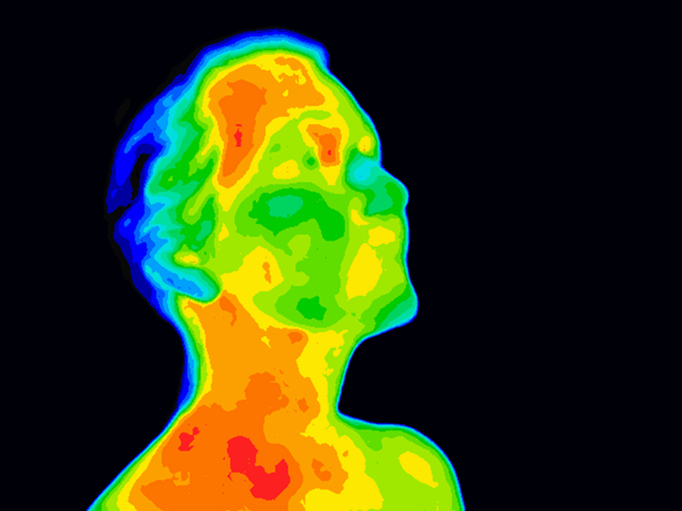
Thermographic image of a human face and neck showing different temperatures in a range of colors from blue cold to red hot. Red in the neck might indicate raised CR-P levels, this could be a sign of inflammation, and Carotid Artery inflammation which could be linked to a stroke. Image by AnitaVDB via iStock.
SHARE

Researchers have identified that variations in facial temperature could indicate high blood pressure, with cooler noses and warmer cheeks serving as potential signs. This discovery arises from findings that link distinct temperatures in various facial regions to chronic diseases like diabetes and hypertension. These subtle thermal differences are invisible to human touch. Still, they can be accurately detected using AI-based analysis of spatial temperature patterns, which requires thermal imaging technology and a data-trained model. This research was detailed in a publication on July 2 in the journal Cell Metabolism, suggesting that with further study, this non-invasive technique could be used by doctors for early disease detection.

Jing-Dong Jackie Han, the study’s corresponding author from Peking University in Beijing, commented on the broader implications of their findings, noting, “Aging is a natural process, but our tool has the potential to promote healthy ageing and help people live disease-free.” The research team had previously utilized 3D facial analysis to predict biological age—an indicator of how well one’s body is ageing and the associated risk of diseases such as cancer and diabetes. Curiosity about whether other facial features like temperature could also indicate health status led to this new avenue of research.

The team analyzed the facial temperatures of over 2,800 Chinese participants ranging from 21 to 88 years old. The data was then used to train AI models that predict a person’s ‘thermal age.’ Key facial regions were identified where temperatures correlated significantly with age and health status, including the nose, eyes, and cheeks. It was found that the temperature of the nose decreases with age more rapidly than other facial areas, suggesting that individuals with warmer noses tend to have a younger thermal age, while temperatures around the eyes generally increase with age.

Furthermore, the study revealed that individuals with metabolic disorders such as diabetes and fatty liver disease experienced faster thermal ageing, often showing higher temperatures in the eye area compared to healthy individuals of the same age. People with elevated blood pressure also exhibited higher temperatures in the cheek areas. The research team attributed these increases in temperature mainly to a rise in cellular activities related to inflammation, including repairing damaged DNA and fighting infections, which heat specific facial regions.

In an exciting twist, the researchers explored whether physical activity could influence thermal age. They instructed 23 participants to jump rope at least 800 times daily for two weeks. To their surprise, participants reduced their thermal age by five years after the exercise regimen, suggesting a profound potential benefit of regular physical activity on one’s thermal and biological ageing.

Looking ahead, Han and her team are keen to investigate whether thermal facial imaging could predict other diseases, such as sleep disorders or cardiovascular issues. “We hope to apply thermal facial imaging in clinical settings, as it holds significant potential for early disease diagnosis and intervention,” Han explains. This advancement in medical imaging, combined with AI technology, offers a promising new frontier in proactively managing health and disease.

More information: Zhengqing Yu et al, Thermal facial image analyses reveal quantitative hallmarks of aging and metabolic diseases, Cell Metabolism. DOI: 10.1016/j.cmet.2024.05.012

Journal information: Cell Metabolism Provided by Cell Press

TAGGED:blood pressurebody temperaturecardiovascular diseasediabetesfatty liver diseasehypertensionimage analysismetabolismnosetemperature
Share This Article
Email Copy Link Print
Previous Article Cardiac Health May Be the Leading Risk Factor for Future Dementia Incidence
Next Article Pregnant and Postpartum Women with Depression at Increased Risk of Cardiovascular Disease
Leave a Comment

Leave a Reply Cancel reply

Your email address will not be published. Required fields are marked *

Recent Posts

  • Intermittent Fasting Maintains Weight Loss Regardless of Eating Schedule, Researchers Find
  • Rethinking the Role of Nutrition in Eating Disorder Recovery
  • Bleeding Gums Could Point to Kidney Health Problems
  • The Unseen Environment: How Our Surroundings Shape Disease
  • Affordable AI Is Driving Change in Health Care Logistics

Tags

adolescents adverse effects ageing populations aging populations air pollution alzheimer disease amyloids anxiety artificial intelligence atopic dermatitis behavioral psychology biomarkers blood pressure body mass index brain cancer cancer research cardiology cardiovascular disease cardiovascular disorders caregivers children climate change effects clinical research cognition cognitive development cognitive disorders cognitive function cognitive neuroscience cohort studies COVID-19 dementia depression diabetes diets discovery research disease control disease intervention disease prevention diseases and disorders environmental health epidemiology foods food science gender studies geriatrics gerontology gut microbiota health and medicine health care health care costs health care delivery heart disease heart failure home care human brain human health hypertension inflammation insomnia life expectancy life sciences longitudinal studies memory disorders menopause mental health metabolic disorders metabolism mortality rates neurodegenerative diseases neurological disorders neurology neuroscience nursing homes nutrients nutrition obesity older adults parkinsons disease physical exercise population studies preventive medicine psychiatric disorders psychological science psychological stress public health research impact risk assessment risk factors risk reduction skin sleep sleep apnea sleep disorders social interaction social research socioeconomics tobacco type 2 diabetes weight loss
July 2026
S M T W T F S
 1234
567891011
12131415161718
19202122232425
262728293031  
« Jun    

This website is for information purpose only and is in no way intended to replace the advice, professional medical care, diagnosis or treatment of a doctor, therapist, dietician or nutritionist.

About | Contact | Cookie Policy | Digital Millennium Copyright Act Notice | Disclaimer | Privacy Policy | Terms of Service

You Might Also Like

Wellness

Study highlights deteriorating heart function in ageing adults with cardiac illness

By support
Wellness

Does Consuming Red Meat Cause Inflammation?

By support
Wellness

Singapore’s anti-smoking legislation could have prevented 20,000 heart attacks among the older adults

By support
Wellness

Investigations have revealed concerns related to security, privacy, and safety in technology applications designed for women, specifically those used for monitoring fertility, menopause, and menstrual cycles

By support
Living Well Study
Categories
  • Ageing Well
  • Brain Health
  • Healthy Diets
  • Mental Wellness
  • Physical Wellness
  • Wellness
LivingWellStudy
  • About
  • Contact
  • Cookie Policy
  • Digital Millennium Copyright Act Notice
  • Disclaimer
  • Privacy Policy
  • Terms of Service
Welcome Back!

Sign in to your account

Username or Email Address
Password

Lost your password?