Sunday, 16 Aug 2026
  • My Feed
  • My Saves
  • History
  • Blog
Living Well Study
  • Blog
  • Ageing Well
  • Brain Health
  • Healthy Diets
  • Physical Wellness
  • Wellness
  • 🔥
  • Wellness
  • older adults
  • Living Well
  • Brain Health
  • dementia
  • public health
  • Ageing Well
  • Health and Medicine
  • ageing populations
  • alzheimer disease
Font ResizerAa
Living Well StudyLiving Well Study
  • My Saves
  • My Feed
  • History
Search
  • Pages
    • Home
    • Search Page
  • Personalized
    • Blog
    • My Feed
    • My Saves
    • History
  • Categories
    • Ageing Well
    • Brain Health
    • Healthy Diets
    • Mental Wellness
    • Physical Wellness
    • Wellness
Have an existing account? Sign In
Follow US
© 2022 Foxiz News Network. Ruby Design Company. All Rights Reserved.
Living Well Study > Blog > Physical Wellness > Safety Concerns: Blood Flow Restriction Cuffs and Falls in Older Adults
Physical Wellness

Safety Concerns: Blood Flow Restriction Cuffs and Falls in Older Adults

support
Share
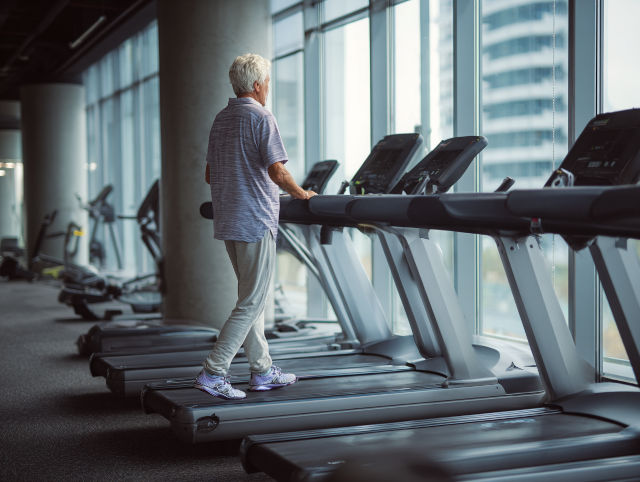
older adult walking on a treadmill
SHARE

New research from Murdoch University’s School of Allied Health, conducted in collaboration with the Health Futures Institute, has found that wearing blood flow restriction cuffs can alter the way older adults walk, potentially increasing unsteadiness during exercise. The findings highlight essential safety considerations as this form of training becomes increasingly widespread among ageing populations seeking to improve strength and mobility through low-load exercise.

Blood flow restriction (BFR) training has gained global popularity as a way to increase muscle strength using lighter physical loads. The technique involves placing inflatable cuffs around the arms or legs to restrict blood flow during movement or exercise partially. This approach allows individuals to achieve strength benefits without the heavier resistance often required in traditional training methods, which can be challenging for some older adults.

By limiting the flow of blood into and out of a limb, BFR creates a low-oxygen environment within the working muscles. This causes the muscles to fatigue more quickly and work harder, even at lower intensities. As a result, improvements in strength and muscle size can be achieved with less mechanical stress on joints, making the method appealing in rehabilitation and ageing-related exercise settings.

Associate Professor Brendan Scott from the Centre for Healthy Ageing explained that while restricting blood flow to the legs during walking has been shown to improve muscle strength and size, caution is required. He noted that although BFR can be a powerful tool for enhancing stability and functional ability in older adults, research shows that wearing cuffs. At the same time, walking alters gait patterns, suggesting that exercise should be conducted in a safe, controlled environment.

The study involved 10 healthy adults, with an average age of 73, who walked on a treadmill for 10 minutes at different speeds. Participants completed trials without cuffs, then with cuffs inflated to 40 and 60 per cent of the pressure required to restrict blood flow fully. A small motion sensor placed on the lower back was used to assess balance and stability during walking.

Results showed that balance worsened whenever the cuffs were inflated, regardless of walking speed, and higher pressures led to greater instability. Despite this, the researchers emphasised that BFR training may still offer long-term benefits if applied correctly. Professional supervision, low starting pressures, and a safe environment can help challenge balance during BFR walking, helping older adults adapt over time while minimising the risk of falls.

More information: Brook Galna et al, Bilateral blood flow restriction of the legs worsens acute walking balance of older adults – a full factorial randomised experiment, Gait & Posture. DOI: 10.1016/j.gaitpost.2025.110022

Journal information: Gait & Posture Provided by Murdoch University

TAGGED:physical exercise
Share This Article
Email Copy Link Print
Previous Article Frailty and depression together may substantially increase dementia risk in later life
Next Article New Video Dataset Supports the Evolution of AI-Enabled Health Care
Leave a Comment

Leave a Reply Cancel reply

Your email address will not be published. Required fields are marked *

Recent Posts

  • Socioeconomic Disadvantage Is Associated with Greater Physical Decline with Age
  • Early Life Adversity Leaves a Lasting Molecular Mark Across the Body
  • Growing Up Gets Easier With Time, New Research Suggests
  • Most Patients with Early Alzheimer’s Disease Seeking Anti-Amyloid Antibody Therapy Fall Short of Brain Health Guidelines
  • Strength in Motion: Muscles May Hold the Key to Protecting the Parkinson’s Brain

Tags

adolescents adverse effects ageing populations aging populations air pollution alzheimer disease amyloids anxiety artificial intelligence atopic dermatitis behavioral psychology biomarkers blood pressure body mass index brain cancer cancer research cardiology cardiovascular disease cardiovascular disorders caregivers children climate change clinical research cognition cognitive development cognitive disorders cognitive function cognitive neuroscience COVID-19 dementia depression diabetes diets discovery research disease control disease intervention disease prevention diseases and disorders environmental health epidemiology foods food science gender studies geriatrics gerontology gut microbiota health and medicine health care health care costs health care delivery heart disease heart failure home care human brain human health hypertension inflammation insomnia life expectancy life sciences longitudinal studies memory disorders menopause mental health metabolic disorders metabolism mortality rates neurodegenerative diseases neurological disorders neurology neuroscience nursing homes nutrients nutrition obesity older adults parkinsons disease physical exercise population studies preventive medicine psychiatric disorders psychological science psychological stress public health research impact risk assessment risk factors risk reduction skin sleep sleep apnea sleep disorders social interaction social research social sciences socioeconomics tobacco type 2 diabetes weight loss
August 2026
S M T W T F S
 1
2345678
9101112131415
16171819202122
23242526272829
3031  
« Jul    

This website is for information purpose only and is in no way intended to replace the advice, professional medical care, diagnosis or treatment of a doctor, therapist, dietician or nutritionist.

About | Contact | Cookie Policy | Digital Millennium Copyright Act Notice | Disclaimer | Privacy Policy | Terms of Service

You Might Also Like

Living Well

Exercise and Nutritional Support May Help Reduce Care Dependency in Dementia

By support
Physical Wellness

Engaging in physical fitness during adolescence is associated with reduced atherosclerosis in middle adulthood

By support
Living Well

Extended sitting may undermine health, regardless of youth and activity levels

By support
Brain Health

Keeping Your Brain Sharp: The Role of Exercise

By support
Living Well Study
Categories
  • Ageing Well
  • Brain Health
  • Healthy Diets
  • Mental Wellness
  • Physical Wellness
  • Wellness
LivingWellStudy
  • About
  • Contact
  • Cookie Policy
  • Digital Millennium Copyright Act Notice
  • Disclaimer
  • Privacy Policy
  • Terms of Service
Welcome Back!

Sign in to your account

Username or Email Address
Password

Lost your password?