Monday, 18 May 2026
  • My Feed
  • My Saves
  • History
  • Blog
Living Well Study
  • Blog
  • Ageing Well
  • Brain Health
  • Healthy Diets
  • Physical Wellness
  • Wellness
  • 🔥
  • Wellness
  • older adults
  • Living Well
  • Brain Health
  • dementia
  • public health
  • Ageing Well
  • alzheimer disease
  • physical exercise
  • mental health
Font ResizerAa
Living Well StudyLiving Well Study
  • My Saves
  • My Feed
  • History
Search
  • Pages
    • Home
    • Search Page
  • Personalized
    • Blog
    • My Feed
    • My Saves
    • History
  • Categories
    • Ageing Well
    • Brain Health
    • Healthy Diets
    • Mental Wellness
    • Physical Wellness
    • Wellness
Have an existing account? Sign In
Follow US
© 2022 Foxiz News Network. Ruby Design Company. All Rights Reserved.
Living Well Study > Blog > Psychological Wellness > Supporting close friends brings emotional rewards for older adults
Psychological Wellness

Supporting close friends brings emotional rewards for older adults

support
Share
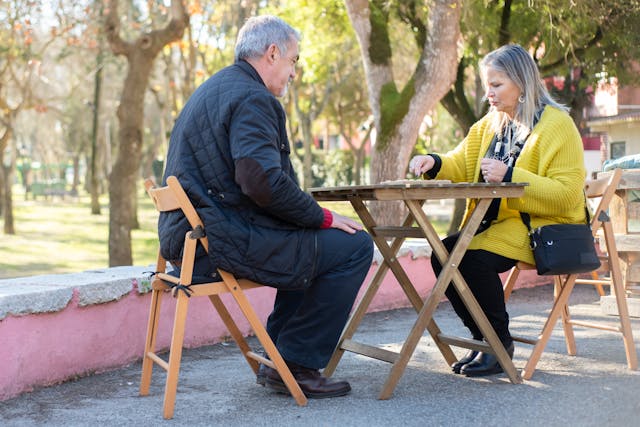
Photo by Kampus Production: https://www.pexels.com/photo/elderly-couple-playing-chess-on-a-park-table-6838611/
SHARE

Older adults who offer practical help to close friends—such as running errands, cooking meals, or assisting with household chores—tend to experience better moods in daily life. New research from the University of Michigan, supported by the National Institute on Aging, suggests that such acts of kindness are linked to greater emotional well-being in later life. However, the findings also reveal striking differences between men and women in how they experience the emotional effects of helping their friends.

The study found that, while both older men and women provide support to friends, their emotional responses to doing so differ. Older men are less likely than women to offer emotional support, and when they do, they often report a dip in upbeat mood on those days. In contrast, women’s moods remain stable or even improve when they offer emotional comfort to friends. Researchers believe this difference may be tied to gender norms and expectations about emotional expression.

Crystal Ng of the University of Michigan’s Survey Research Center explained that men may feel less comfortable engaging in emotionally expressive conversations, which could conflict with traditional masculine roles. “Offering emotional support to friends may be linked to a lower positive mood for older men,” Ng noted, “possibly because expressing empathy or discussing emotions may cause discomfort or emotional strain.” Women, on the other hand, often base their friendships on emotional closeness and communication, making such interactions more natural and rewarding for them.

The research highlights the unique and irreplaceable role friendships play in older adulthood. Unlike family relationships, which often come with obligations, friendships are chosen and usually centred on shared enjoyment and companionship. “Friends are especially important for emotional well-being in older age,” Ng said, “particularly for those who are unmarried, widowed, divorced, single, or childless.” Maintaining active, supportive friendships can provide a powerful buffer against loneliness and emotional decline.

The study, published in Research on Aging, is one of the first to explore how providing help to close friends affects daily mood in real-world settings. Researchers followed 180 older adults in the Greater Austin area of Texas, with an average age of 74. Participants reported on their mood and the kinds of support they exchanged with friends every three hours over several days. Emotional support was the most common form of help, followed by giving advice and offering practical assistance. Contrary to stereotypes, the findings show that many older adults continue to provide help to others, challenging the idea that they are mainly recipients of care.

Ng believes these results offer promising insights into how social engagement can enhance quality of life in older adulthood. Acts of practical help—such as providing transport, helping with chores, or running errands—don’t just strengthen friendships but can also give older adults a renewed sense of purpose and usefulness. For men in particular, encouraging these active, hands-on ways of helping may be especially beneficial. As Ng suggests, community programmes might focus on expanding opportunities for practical social involvement or finding meaningful ways for older men to engage in emotional support without strain, ensuring that friendship remains a vital source of joy and connection in later life.

More information: Yee To Ng et al, Daily Support to Close Friends and Mood Among Older Men and Women, Research on Aging. DOI: 10.1177/01640275251383546

Journal information: Research on Aging Provided by University of Michigan

TAGGED:psychological sciencesocial sciences
Share This Article
Email Copy Link Print
Previous Article The Lasting Health Impacts of Incarceration
Next Article What your brain does to keep you sharp as you age
Leave a Comment

Leave a Reply Cancel reply

Your email address will not be published. Required fields are marked *

Recent Posts

  • Spending Time Outdoors Linked to Higher Life Satisfaction
  • Exercise Could Play a Key Role in Helping People Stop Smoking
  • The Tiny Cellular Framework Behind Brain Development
  • ‘Forever Chemicals’ Found in Nearly Entire US Study Population, Researchers Report
  • Healthy Hearts May Still Face the Risk of Alzheimer’s Disease

Tags

adolescents adverse effects ageing populations aging populations air pollution alzheimer disease amyloids anxiety artificial intelligence atopic dermatitis behavioral psychology biomarkers blood pressure body mass index brain cancer cancer research cardiology cardiovascular disease cardiovascular disorders caregivers children climate change effects clinical research coffee cognition cognitive development cognitive disorders cognitive function cognitive neuroscience cohort studies COVID-19 dementia depression diabetes diets discovery research disease control disease intervention disease prevention diseases and disorders environmental health epidemiology foods food science gender studies geriatrics gerontology gut microbiota health and medicine health care health care costs health care delivery heart disease heart failure home care human brain human health hypertension inflammation insomnia life expectancy life sciences longitudinal studies memory disorders menopause mental health metabolic disorders metabolism mortality rates neurodegenerative diseases neurological disorders neurology neuroscience nursing homes nutrients nutrition obesity older adults parkinsons disease physical exercise population studies preventive medicine psychiatric disorders psychological science psychological stress public health research impact risk assessment risk factors risk reduction skin sleep sleep apnea sleep disorders social interaction social research socioeconomics type 2 diabetes weight loss
May 2026
S M T W T F S
 12
3456789
10111213141516
17181920212223
24252627282930
31  
« Apr    

This website is for information purpose only and is in no way intended to replace the advice, professional medical care, diagnosis or treatment of a doctor, therapist, dietician or nutritionist.

About | Contact | Cookie Policy | Digital Millennium Copyright Act Notice | Disclaimer | Privacy Policy | Terms of Service

You Might Also Like

Mental Wellness

Occupational Downgrading as a Factor in Mental Health Issues Among Undocumented Migrants

By support
Science

New Psychological Research Reveals How Our Brains Segment the Day into Distinct Chapters

By support
Psychological Wellness

Majority of Older Adults in England Regard Climate Change as a Serious Issue

By support
Nature

Exploring the Restorative Effects of a Nature Walk on Attention and Cognitive Function

By support
Living Well Study
Categories
  • Ageing Well
  • Brain Health
  • Healthy Diets
  • Mental Wellness
  • Physical Wellness
  • Wellness
LivingWellStudy
  • About
  • Contact
  • Cookie Policy
  • Digital Millennium Copyright Act Notice
  • Disclaimer
  • Privacy Policy
  • Terms of Service
Welcome Back!

Sign in to your account

Username or Email Address
Password

Lost your password?