
urban planning
Senior urban development decision-makers say there is currently little incentive to consider public health impacts when shaping towns and cities, according to a new study…
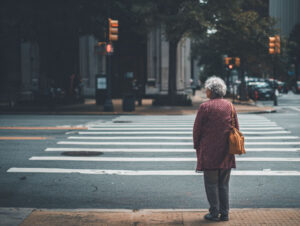
Why didn’t the senior cross in time? Longer pedestrian phases could benefit people with reduced mobility
Road crossings in the UK may be moving too quickly for many people, particularly older adults and those with reduced mobility, according to new academic…
Urban Heat and Historic Prejudice: Influences on Walking Behaviour in the Elderly
The walkability of a neighbourhood is influenced by a range of factors, including its street layout and connectivity, the area’s density, accessibility to key destinations,…
Optimizing Built Environments for Enhanced Athletic Performance
Sports science has grown significantly in recent years, focusing extensively on strategies to optimise athletic performance. However, achieving this goal remains a formidable challenge due…
Gaining Benefits from Observing the Natural World in Urban Areas
Recent eye-tracking research has unveiled compelling insights into the mental health benefits of observing natural elements during urban walks. This study, conducted jointly by Bangor…
Research pinpoints characteristics of cities conducive to supporting the mental health of young people
As urban centres worldwide continue to attract young individuals for employment, education, and social interactions, a recent study highlights urban features that could enhance the…