Thursday, 2 Jul 2026
  • My Feed
  • My Saves
  • History
  • Blog
Living Well Study
  • Blog
  • Ageing Well
  • Brain Health
  • Healthy Diets
  • Physical Wellness
  • Wellness
  • 🔥
  • Wellness
  • older adults
  • Living Well
  • Brain Health
  • dementia
  • public health
  • Ageing Well
  • alzheimer disease
  • physical exercise
  • mental health
Font ResizerAa
Living Well StudyLiving Well Study
  • My Saves
  • My Feed
  • History
Search
  • Pages
    • Home
    • Search Page
  • Personalized
    • Blog
    • My Feed
    • My Saves
    • History
  • Categories
    • Ageing Well
    • Brain Health
    • Healthy Diets
    • Mental Wellness
    • Physical Wellness
    • Wellness
Have an existing account? Sign In
Follow US
© 2022 Foxiz News Network. Ruby Design Company. All Rights Reserved.
Living Well Study > Blog > Ageing Well > Why didn’t the senior cross in time? Longer pedestrian phases could benefit people with reduced mobility
Ageing Well

Why didn’t the senior cross in time? Longer pedestrian phases could benefit people with reduced mobility

support
Share
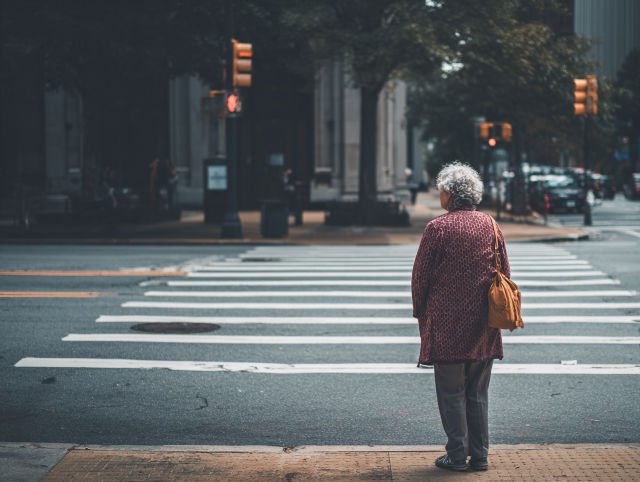
older adult crossing road
SHARE

Road crossings in the UK may be moving too quickly for many people, particularly older adults and those with reduced mobility, according to new academic research that challenges long-standing assumptions in pedestrian infrastructure design. The study suggests that current signal timings often fail to reflect how fast people actually walk, creating barriers that affect not only safety but also independence and everyday participation in community life.

The research, carried out by academics from the University of Bath, the University of Birmingham and the University of Exeter, found that pedestrian crossings typically allow less than 2 seconds for many people with reduced mobility to cross the road comfortably. Most crossings are designed around an assumed walking speed of 1.2 metres per second, a benchmark that does not match the realities of ageing or mobility impairment.

Led by Dr Max Western from the University of Bath, the study showed that only 1.5 per cent of older adults with mobility limitations could cross the road within the time allotted by pedestrian signals while walking at a comfortable pace. For the vast majority, this means hurrying beyond their physical limits or risk being caught in the road when the lights change.

The researchers analysed walking speed data from 1,110 adults aged 65 and over who participated in two major UK research trials. The average walking speed recorded was 0.77 metres per second, well below the level assumed in most crossing designs. At this pace, an individual would need around 6.5 seconds to cross a five-metre-wide road, compared with the just over four seconds typically allowed by pedestrian signals. More than half of the participants would need to increase their comfortable walking speed by at least 50 per cent to cross safely within the current time limits.

Dr Western warned that unrealistic crossing times have consequences that extend beyond the immediate risk of accidents. He noted that when something as routine as crossing the road becomes stressful or unsafe, it can discourage older people from leaving their homes, limiting physical activity and social interaction. Over time, this can contribute to declining health, increased isolation, and a loss of independence.

Professor Afroditi Stathi from the University of Birmingham emphasised the importance of inclusive outdoor design in supporting healthy ageing. She argued that allowing sufficient time to cross the road can boost confidence, help older adults remain active, and enable them to stay connected with their communities, all of which are closely linked to quality of life.

The research team is calling for relatively simple changes, such as extending green signal times and designing crossings around a more realistic walking speed of about 0.7 metres per second. While technologies such as smart crossings and countdown timers are becoming more common, the researchers stress that meaningful improvements depend on inclusive design standards and public health strategies that recognise the needs of an ageing population and people with reduced mobility.

More information: Max Western et al, Why didn’t the senior citizen cross the road? Gait speed in community-dwelling older adults with mobility limitations relative to pedestrian crossing times, Age and Ageing. DOI: 10.1093/ageing/afaf345

Journal information: Age and Ageing Provided by University of Bath

TAGGED:human physiologyolder adultsurban planning
Share This Article
Email Copy Link Print
Previous Article Research highlights limits of lecture-based learning for older adults
Next Article Age-related energy deficits in midbrain neurons may underlie Parkinson’s disease
Leave a Comment

Leave a Reply Cancel reply

Your email address will not be published. Required fields are marked *

Recent Posts

  • The Key to a Fulfilling Retirement: Staying Social
  • Adopting a Healthy Lifestyle Linked to Slower Biological Ageing in Older Men
  • Innovative Wound Treatment Could Improve Healing and Recovery
  • Bringing Toxoplasmosis Into Focus: A Global Call for Recognition
  • Unravelling the Link Between Brain Iron Accumulation and Neurodegeneration

Tags

adolescents adverse effects ageing populations aging populations air pollution alzheimer disease amyloids anxiety artificial intelligence atopic dermatitis behavioral psychology biomarkers blood pressure body mass index brain cancer cancer research cardiology cardiovascular disease cardiovascular disorders caregivers children climate change effects clinical research cognition cognitive development cognitive disorders cognitive function cognitive neuroscience cohort studies COVID-19 dementia depression diabetes diets discovery research disease control disease intervention disease prevention diseases and disorders environmental health epidemiology foods food science gender studies geriatrics gerontology gut microbiota health and medicine health care health care costs health care delivery heart disease heart failure home care human brain human health hypertension inflammation insomnia life expectancy life sciences longitudinal studies memory disorders menopause mental health metabolic disorders metabolism mortality rates neurodegenerative diseases neurological disorders neurology neuroscience nursing homes nutrients nutrition obesity older adults parkinsons disease physical exercise population studies preventive medicine psychiatric disorders psychological science psychological stress public health research impact risk assessment risk factors risk reduction skin sleep sleep apnea sleep disorders social interaction social research socioeconomics tobacco type 2 diabetes weight loss
July 2026
S M T W T F S
 1234
567891011
12131415161718
19202122232425
262728293031  
« Jun    

This website is for information purpose only and is in no way intended to replace the advice, professional medical care, diagnosis or treatment of a doctor, therapist, dietician or nutritionist.

About | Contact | Cookie Policy | Digital Millennium Copyright Act Notice | Disclaimer | Privacy Policy | Terms of Service

You Might Also Like

Brain Health

Creativity keeps the mind young, says worldwide study on brain health

By support
Wellness

Urban Heat and Historic Prejudice: Influences on Walking Behaviour in the Elderly

By support
Wellness

Prolonged exposure to air pollution could elevate the likelihood of hospital admissions due to cardiovascular issues in older adults

By support
Ageing Well

Participating in Nature-Based Groups Enhances Wellbeing in Older Adults Experiencing Social Isolation

By support
Living Well Study
Categories
  • Ageing Well
  • Brain Health
  • Healthy Diets
  • Mental Wellness
  • Physical Wellness
  • Wellness
LivingWellStudy
  • About
  • Contact
  • Cookie Policy
  • Digital Millennium Copyright Act Notice
  • Disclaimer
  • Privacy Policy
  • Terms of Service
Welcome Back!

Sign in to your account

Username or Email Address
Password

Lost your password?