Monthly Archives: March 2025

Barbecue and Grandma’s Treats: A Fresh Look at Comfort and Nostalgia in Cooking for Older Adults

According to recent research from Washington State University, foods that invoke nostalgia and offer a variety of textures are crucial in creating appealing meals for older adults. Carolyn Ross, a professor at WSU’s School of Food Science, emphasises the importance of producing delicious and nutritious meals to combat the prevalence of malnutrition among people over 60. “Even if food is accessible, older adults won’t consume it if it doesn’t appeal to them. Our goal is to balance taste, convenience, and nutrition,” Ross explains.

The study, detailed in a recent issue of the Journal of Food Science, involved Ross and her team crafting nutritious, dairy-rich options for breakfasts and desserts targeted at individuals aged 60 and over. They conducted taste tests with 81 participants who averaged 71 years of age, sampling two breakfast options and two desserts, followed by surveys on their meal experiences and personal eating habits.

Though challenging to quantify, Ross noted that food-related nostalgia was a recurring theme in the feedback. Many participants reminisced about past experiences tied to specific foods, such as a grandparent’s cookies, which increased their enjoyment of the meals. Ross was struck by how personal and poignant these memories were, particularly those associated with barbecue, a frequent nostalgic favourite. “The connection between comfort, nostalgia, and food preference is profound, though hard to articulate. It’s something you recognise instinctively,” she said.

The significance of nostalgia and comfort in food preferences led Ross to consider further studies to refine these concepts to better cater to the dietary needs of the ageing population. She aims to collaborate with prepared food manufacturers to develop nutritious and enjoyable products for seniors, highlighting the urgency given the demographic’s rapid growth. “Our mission is to ensure they remain healthy and content for many years,” she remarked.

Exploring food nostalgia represents a relatively novel area within food science, although studying comfort foods is more established. The research uncovered a strong preference for foods labelled as comfort foods, particularly those containing cheese, which participants associated strongly with comfort. Decreasing the flavour intensity in these meals notably reduced their comfort rating, especially regarding cheese.

Texture also played a pivotal role in meal satisfaction, reinforcing previous findings about its importance in dietary preferences. Ross stated, “It’s not about a single texture, but rather a mix, including crispy, firm, soft, and creamy. This variety is crucial, particularly for older adults who may struggle with harder textures but still benefit from diversity in their diet.”

Looking ahead, Ross plans to focus on flavour and other meal characteristics that enhance comfort to understand further and improve older adults’ dining experiences. This approach addresses nutritional intake and enhances the overall enjoyment and quality of life for seniors through thoughtful meal preparation.

More information: Carolyn Ross et al, Older adults and prepared meals: The influence of comfort, nostalgia, and texture preferences on acceptance, Journal of Food Science. DOI: 10.1111/1750-3841.17655

Journal information: Journal of Food Science Provided by Washington State University

Strength Training Could Be the Most Effective Exercise for Combating Insomnia in the Elderly

Muscle strengthening exercises, such as weightlifting or using one’s body weight, may be the optimal type of exercise for addressing insomnia in older adults, according to a comprehensive analysis of existing research published in the open-access journal Family Medicine and Community Health. This research suggests that aerobic exercises or a combination of strength, aerobic, balance, and flexibility training can improve sleep quality. Sleep quality typically deteriorates with age, and up to one in five older adults suffers from insomnia. This condition is not only associated with various severe health issues and cognitive decline but also increases the risk of workplace underperformance and absenteeism, the researchers highlight.

Previous studies have demonstrated that physical exercise can mitigate insomnia symptoms, although it has been unclear which type of exercise is most beneficial. To clarify this, the researchers reviewed clinical trials from research databases until October 202. These trials compared physical exercise against routine activities, usual care, other non-physical interventions, or health education among individuals formally diagnosed with insomnia, assessed using The Global Pittsburgh Sleep Quality Index (GPSQI).

The studies examined various forms of exercise: aerobic activities like cycling, dancing, swimming, brisk walking, and gardening; resistance exercises such as using weights, performing push-ups, and planks; balance exercises including step-ups and walking heel to toe; flexibility exercises like gymnastics, yoga, and Pilates; and a combination of these exercises. A total of 24 studies involving 2045 participants aged 60 and above (average age 70) were included in the pooled data analysis. These studies were predominantly conducted in Asia (56%), followed by North America (16%), South America (16%), and Europe (12%), with one in five taking place in nursing homes.

The intensity of the exercise reported in these studies ranged from mild to moderate, with the average session lasting just over 50 minutes and occurring about 2 to 3 times a week. The exercise programmes typically spanned around 14 weeks. However, the pooled data analysis focused only on studies involving combination and aerobic exercises due to insufficient data covering other types of exercises.

This analysis revealed that combination exercises improved the GPSQI by 2.35 points, while aerobic activities significantly improved by 4.35 points. Using a network meta-analysis, which combines the direct and indirect effects of different treatments, it was found that strength/resistance exercise was the most effective, enhancing the GPSQI by 5.75 points. Aerobic exercises improved the GPSQI by 3.76 points and combination exercises by 2.54 points.

Compared to other interventions, sleep education was found to be the most effective; however, its precise methods were not well-defined in the studies, and it was still less effective than muscle strengthening or resistance exercises. The researchers note considerable variations in the design and methodology of the studies included, with many not specifying the intensity of the exercises or focusing solely on certain types of exercises. They also highlight that some exercises might be challenging for older adults due to physical limitations.

Despite these challenges, the researchers conclude that exercise, especially strengthening and aerobic exercises, significantly enhances subjective sleep quality compared to normal activities. This conclusion supports the notion that targeted physical activities, specifically tailored for the elderly, can significantly alleviate the burden of insomnia and improve overall health and quality of life in this population.

More information: Pakwan Bahalayothin et al, Impact of different types of physical exercise on sleep quality in older population with insomnia: a systematic review and network meta-analysis of randomised controlled trials, Family Medicine and Community Health. DOI: 10.1136/fmch-2024-003056

Journal information: Family Medicine and Community Health Provided by BMJ Group

Traumatic Childhood Events Hasten Brain Ageing

“Stress and trauma during childhood—ranging from abuse and neglect to domestic violence, substance misuse, criminality within the family, or the loss of a parent—profoundly impact a significant portion of our society,” explains Prof. Christine Heim, the study’s lead researcher and the Director of the Institute of Medical Psychology at Charité. Prof. Heim notes that between 30% and 40% of individuals report experiencing severe stress or trauma in their early years. These early adversities can leave lasting molecular and neurobiological marks, altering the endocrine and immune systems and heightening the lifelong risk of various diseases.

In their research, Prof. Heim and her team explored whether these negative early-life experiences have a prolonged effect on brain ageing and contribute to neurodegenerative processes. The study, a collaboration with the Department of Neurology at Charité, involved 179 women aged between 30 and 60. The focus on women was strategic, as they are at a higher risk of developing neurodegenerative diseases. “Our initial step involved clinical interviews to gauge the extent of stressful or troubling experiences in the participants’ childhoods, specifically before puberty,” mentions Lara Fleck, a doctoral candidate at the Institute and the study’s primary author. The team also analysed participants’ blood samples using high-precision technologies to identify biomarkers indicative of neuroinflammatory processes and nerve cell damage.

Using magnetic resonance imaging, the researchers measured the participants’ brain sizes and the spaces within the brain filled with cerebrospinal fluid. They also assessed cognitive function through a globally recognised standardised test, choosing three specific tests for their precision in detecting early signs of dementia. “The participants had to complete a variety of computer-based tasks tailored to reveal early dementia indicators,” Fleck adds.

The analysis of the data was thorough, incorporating statistical models that factored in socioeconomic and psychiatric conditions, such as depression, which could influence the development of neurodegenerative diseases. This was done to ensure the accuracy of the findings concerning the impact of early-life stress.

The results were unequivocal across all facets of the study: women who had endured significant stress or trauma during childhood exhibited higher levels of biomarkers related to neuroinflammation and neurodegeneration, reduced brain volume, and increased cognitive difficulties. “Our findings clearly demonstrate a link between early-life stress and accelerated brain ageing in women, suggesting that such experiences heighten the risk of developing neurodegenerative conditions,” Prof. Heim concludes, adding that further research is necessary to understand the mechanisms involved so that interventions can be developed to disrupt these disease pathways at an early stage.

“The implications of our study are critical, particularly in light of the rising prevalence of neurodegenerative conditions like Alzheimer’s,” states Prof. Matthias Endres, Director of the Department of Neurology at Charité. “These findings reveal new connections and underscore the importance of our research.” Despite the strong associations found, it is crucial to note that not all individuals who experience childhood trauma will develop dementia. Many show remarkable resilience, managing to navigate severe crises without long-term damage. According to the team, identifying and enhancing these resilience factors is a central focus for future research.

This study’s emphasis on women is driven by the fact that a significantly more significant number of women than men develop dementia, prompting a need to understand if similar patterns hold for men. “So far, our results apply only to women, and they do not suggest that women with stressful childhood experiences are at a higher risk than men,” Prof. Heim clarifies, highlighting an area for further investigation to determine if similar links exist among men.

More information: Lara Fleck et al, Early-Life Adversity Predicts Markers of Aging-Related Neuroinflammation, Neurodegeneration, and Cognitive Impairment in Women, Annals of Neurology. DOI: 10.1002/ana.27161

Journal information: Annals of Neurology Provided by Charité – Universitätsmedizin Berlin

Social Media’s Dual Dilemma: Recent Research Associates Both Active and Passive Usage with Increased Loneliness

“The Epidemic of Loneliness: A Nine-Year Longitudinal Study on the Impact of Passive and Active Social Media Use on Loneliness” delved into how social media use affects loneliness over time. The research unveils a startling reality: the platforms intended to connect us might be fostering an “epidemic of loneliness.”

The study’s findings revealed that both types of social media engagement—passive (PSMU) and active (ASMU)—are linked to increased loneliness as time progresses. Passive usage, characterised by browsing social media without engaging with content, predictably led to greater feelings of loneliness. Surprisingly, active engagement, which includes posting and interacting with others, also correlated with heightened loneliness. These outcomes hint that digital interactions might not satisfy the social necessities of direct, face-to-face communication.

Dr. James A. Roberts, the study’s leading researcher, highlighted social media’s intricate effects on mental health. “Social media provides an unparalleled opportunity to connect with others online; however, it seems that both extensive active and passive use may not only fail to reduce feelings of loneliness but might actually exacerbate them,” explained Dr Roberts.

Additionally, the research identified a bidirectional relationship between loneliness and social media usage. Dr. Roberts noted, “There seems to be a persistent feedback loop between the two. Individuals feeling lonely might seek solace in social media, yet this form of engagement could potentially intensify the loneliness they experience.”

The findings underline the critical need for more comprehensive research into the ramifications of digital interactions, stressing the vital importance of personal connections in fostering well-being. This study contributes significantly to the ongoing discussion about the influence of digital habits on mental health, providing insights that could guide future mental health strategies, policies, and recommendations for a healthier approach to social media usage.

More information: James A. Roberts et al, The Epidemic of Loneliness: A 9-Year Longitudinal Study of the Impact of Passive and Active Social Media Use on Loneliness, Personality and Social Psychology Bulletin. DOI: 10.1177/01461672241295870

Journal information: Personality and Social Psychology Bulletin Provided by Baylor University

Genetic Analysis Connects Faults in Sugar Digestion with Irritable Bowel Syndrome

Sucrase-isomaltase (SI), a crucial intestinal enzyme for the digestion of dietary carbohydrates, including sucrose and starch, has been closely studied by the Gastrointestinal Genetics team at CIC bioGUNE – BRTA and LUM University. Their previous research highlighted a genetic connection between SI deficiencies and Irritable Bowel Syndrome (IBS), pinpointing specific DNA alterations resulting in diminished enzymatic activity and inefficient carbohydrate digestion. These genetic irregularities often trigger symptoms such as bloating, diarrhoea, and abdominal pain. The SI enzyme is unique because it comprises two distinct enzymes—sucrase and isomaltase—both components of the SI protein encoded by a single gene. Although earlier studies established a link between SI genetic abnormalities and IBS, along with reactions to low-carbohydrate diets, the distinct roles of sucrase and isomaltase in disease risk and symptom intensity remained unclear.

Building upon their prior work, the Gastrointestinal Genetics team conducted a new investigation, analysing genetic and health data from over 360,000 individuals registered in the UK Biobank. Their findings revealed that individuals carrying defective variants of sucrase were significantly more prone to IBS, whereas those with isomaltase defects showed no increase in risk. Importantly, those with sucrase deficiencies not only faced a higher risk of IBS but also suffered more severe bowel symptoms and tended to avoid foods rich in sucrose. “On top of digesting maltose from starch, which other enzymes also process, sucrase uniquely breaks down sucrose,” explained Mauro D’Amato, Professor of Medical Genetics at LUM University and Ikerbasque Research Professor at CIC bioGUNE. He noted that sucrose might trigger bowel symptoms in those with genetic mutations that reduce sucrase function. This insight is crucial for understanding IBS risk in individuals predisposed to carbohydrate maldigestion and supports the notion of customising their dietary treatment based on their genetic profile.

IBS, affecting millions globally, often presents with ambiguous causes and limited treatment options. This latest study underscores the significance of digestive enzyme genetics in predisposing individuals to IBS. It offers a rationale for dietary modifications, such as reducing sucrose intake, in those genetically susceptible. “While further research is necessary to confirm these preliminary findings,” added Mauro D’Amato, “our results hold potential implications for the development of novel diagnostic tools, dietary strategies, and even enzyme-targeted therapies aimed at personalised approaches to preventing and treating IBS.” This progressive understanding could lead to more targeted, effective management strategies that enhance the quality of life for those affected by IBS.

More information: Mauro D’Amato et al, Domain-Specific Effects of Sucrase-Isomaltase Genotype in Irritable Bowel Syndrome, Gastroenterology. DOI: 10.1053/j.gastro.2025.01.242

Journal information: Gastroenterology Provided by CIC bioGUNE

Association Between Depression and Increased Risk of Chronic Physical Illnesses

Adults with a history of depression are found to develop long-term physical conditions approximately 30% more rapidly than those without depression, as revealed by research published in the open-access journal PLOS Medicine. The study, conducted by Kelly Fleetwood and her colleagues at the University of Edinburgh, United Kingdom, suggests that depression should be regarded as a condition affecting the whole body. The researchers advocate for integrated approaches to manage mental and physical health concurrently.

Depression, recognised as the most prevalent mental health disorder, is linked to a variety of adverse physical health outcomes, including heart disease and diabetes. Previous studies have compared the health trajectories of individuals with and without depression to gauge the number of physical ailments they develop as they age. However, many of these studies have been limited to a small selection of illnesses. Fleetwood and her team aimed to comprehensively assess the relationship between depression and the rate at which physical conditions accumulate during midlife and later years.

The research team analysed data from 172,556 participants between 40 and 71 years who participated in the UK Biobank study. These volunteers underwent initial assessments from 2006 to 2010. The study monitored 69 physical conditions and followed the participants for an average of 6.9 years. Initially, individuals diagnosed with depression had, on average, three pre-existing physical conditions, compared to two in those without depression. Throughout the study, those with a history of depression developed an additional 0.2 physical conditions per year on average, whereas those without depression developed 0.16 conditions. Notably, the most frequent new conditions identified were osteoarthritis, with 15.7% of those with baseline depression developing it compared to 12.5% of those without, followed by hypertension (12.9% versus 12.0%) and gastroesophageal reflux disease (13.8% versus 9.6%).

These findings underscore that a prior diagnosis of depression is a significant indicator of the risk of acquiring long-term physical health conditions in middle and older age. Current healthcare systems generally focus on treating individual conditions rather than adopting a holistic approach to individuals dealing with multiple health issues concurrently. The researchers argue that adopting integrated methods of managing mental and physical health could substantially enhance care and health outcomes.

Furthermore, the authors emphasise the necessity for healthcare services to adopt a more holistic approach to treating individuals who suffer from both depression and long-term physical health conditions. They argue that existing healthcare infrastructures, which typically address single conditions in isolation, need to be restructured to provide comprehensive care that acknowledges the interconnectedness of mental and physical health. This integrated approach is essential for improving the overall health and quality of life of those affected by both depression and physical health conditions.

More information: Kelly Fleetwood et al, Depression and physical multimorbidity: A cohort study of physical health condition accrual in UK Biobank, PLOS Medicine. DOI: 10.1371/journal.pmed.1004532

Journal information: PLOS Medicine Provided by PLOS

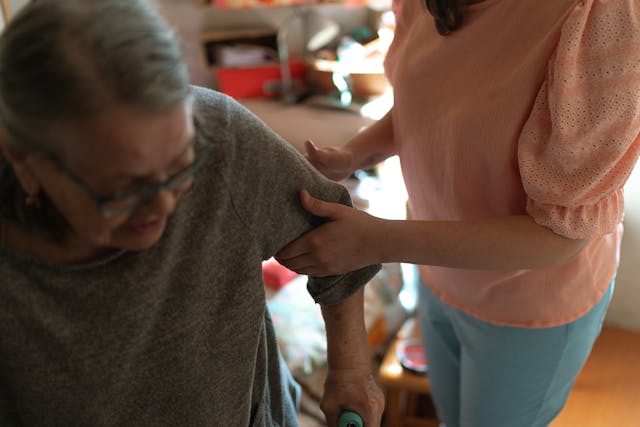
The Quantity of Family Carers Assisting Elderly Individuals Rose by Nearly One-Third from 2011 to 2022

Between 2011 and 2022, the number of family caregivers supporting older adults in home and residential-care environments saw a substantial increase of 32%, rising from 18.2 million to 24.1 million. This significant uptick was highlighted in a recent study by a collaborative team from the Johns Hopkins Bloomberg School of Public Health and the University of Michigan’s Institute for Social Research. Published in the journal Health Affairs on February 3, the research also sheds light on the increased caregiving burdens, particularly noting a nearly 50% rise in the weekly care hours dedicated to older adults with dementia—from an average of 21.4 hours in 2011 to 31.0 hours in 2022.

The researchers speculate that this increase might be partially attributed to more caregivers cohabiting with their care recipients. This comprehensive analysis was underpinned by data from the National Health and Aging Trends Study (NHATS) and the National Study of Caregiving (NSOC) spanning 2011 and 2022. NHATS routinely interviews a representative cohort of Medicare-enrolled older adults concerning their daily activities, while NSOC collects data annually on unpaid and family caregivers.

This particular study focused on older adults who required assistance with self-care, mobility, or household activities for health-related or functional reasons and the family or unpaid caregivers who supported them. In 2022, approximately 12% of these caregivers were non-family members, such as friends or neighbours, with the remainder identifying as family relatives. The leadership for NHATS and NSOC research comes from the Johns Hopkins Bloomberg School of Public Health and the University of Michigan’s Institute for Social Research, with funding from the National Institute on Aging, which is part of the National Institutes of Health.

Interestingly, the study findings revealed that in 2022, the caregivers were aiding older adults who were generally younger, more educated, and more likely to be male than in 2011. Even with an increase in the number of caregivers, the size of care networks for those with dementia remained constant, and there was little reported change in the difficulty of caregiving or the competing responsibilities faced by caregivers, such as employment and childcare—despite a decrease in the use of supportive services like respite care and support groups.

Jennifer L. Wolff, PhD, the director of the Roger and Flo Lipitz Center to Advance Policy in Aging and Disability, commented on the findings, noting, “Our results show remarkable stability in caregiving experiences, even as the number of caregivers has increased significantly. This runs counter to the policy narrative that emphasises dire concern about the effects of increasing demands being placed on family caregivers. However, we must address the specific challenges faced by subgroups, particularly those caring for individuals with dementia.”

The study highlighted that caregiving responsibilities continue to be predominantly assumed by women and some subgroups who are at a greater risk of facing negative consequences—specifically, caregivers to persons with dementia and those with limited financial resources. Given the projections that the population of adults aged 85 and older will triple by 2050, the researchers stressed the urgent need to address disparities in caregiver experiences.

In their detailed examination, the researchers explored three main areas: changes in the number and composition of older adults receiving family care, changes in the size and profile of the older family caregiver workforce, and changes concerning the dementia status of older adults. The NHATS sample included 2,408 older adults in 2011 and 1,856 in 2022, while the NSOC sample comprised 1,969 family caregivers in 2011 and 2,122 in 2022.

The team pointed out that although caregiving can be a manageable commitment for some, it often proves to be incredibly challenging for many Americans who support a person with severe disabilities or dementia. With a growing focus on value-based care and ageing in place, it is frequently assumed that family caregivers are available and capable of providing the necessary support. In conclusion, the researchers called for policymakers to develop robust support systems for family caregivers. Current initiatives, such as Medicaid waivers, the Medicare hospice benefit, and state-level paid family leave policies, provide targeted support. They advocate for a cohesive national strategy to address caregivers’ financial, emotional, and physical challenges, emphasising the critical role that family caregivers play in our healthcare delivery system. As Wolff stated, “Looking ahead, we must identify and support their needs to ensure they can continue providing the critical support that millions of older adults rely on.”

More information: Jennifer L. Wolff et al, The Number Of Family Caregivers Helping Older US Adults Increased From 18 Million To 24 Million, 2011–22, Health Affairs. DOI: 10.1377/hlthaff.2024.00978

Journal information: Health Affairs Provided by Johns Hopkins Bloomberg School of Public Health