Monthly Archives: August 2026

Study Highlights How Social Inequality Hinders Physical Activity

A decade-long study of residents in São Paulo, Brazil, has found that inequalities in leisure-time physical activity have widened, with exercise increasingly concentrated among socially advantaged groups. While highly educated white men became more active over the ten years, women from racial minority groups with lower levels of education consistently had the lowest rates of leisure-time physical activity. In contrast, walking for transportation, such as commuting to work, was distributed much more evenly across the population. The findings were published in the International Journal of Behavioral Nutrition and Physical Activity.

Led by researchers at the University of São Paulo (USP), the study followed 978 adults from 2014 to 2024, collecting data in 2014/15, 2020/21, and 2023/24. Using an intersectional approach that examined how sex, race, and education interact to shape opportunities for physical activity, the researchers argue that public policies should prioritise the most socially vulnerable groups.

“We concluded that engaging in physical activity for leisure doesn’t depend solely on motivation or individual choice,” says corresponding author Andreia Alexandra Machado Miranda of USP’s Center for Epidemiological Research in Nutrition and Health (NUPENS). “It’s shaped by environmental, structural, and social factors. Unfortunately, leisure-time physical activity remains a privilege of the most socially advantaged groups, while women from Black, Brown, Asian, or Indigenous backgrounds with fewer years of schooling face the greatest barriers.”

Co-author Alex Antonio Florindo, a professor at USP, explains that physical activity is influenced by much more than personal motivation. Life experiences, family support, access to safe public spaces, neighbourhood infrastructure, and public policies all affect whether people are able to exercise during their free time. “There’s a significant gap between those who are able to engage in physical activity during their leisure time and those who aren’t, even if they want to,” he says.

The disparities became more pronounced over time. At the beginning of the study, 51% of highly educated white men reported participating in leisure-time physical activity, compared with 29% of the most socially vulnerable group. By the final assessment, those figures had increased to 65% and 39%, respectively, widening the gap between the two groups.

Miranda notes that women often face multiple obstacles to participating in sports and recreational exercise. Beyond carrying a disproportionate share of domestic responsibilities, many earn lower wages, experience safety concerns in public spaces, and live in neighbourhoods with limited green space, poor lighting, or inadequate recreational infrastructure. The researchers assessed these inequalities using the International Physical Activity Questionnaire and a Multiple Jeopardy Index that combined sex, race, and educational attainment into a social vulnerability score.

Regular physical activity is known to improve physical and mental health while reducing the risk of cardiovascular disease, stroke, diabetes, and other chronic conditions. The World Health Organization recommends that adults achieve at least 150 minutes of moderate-intensity or 75 minutes of vigorous-intensity physical activity each week. Yet nearly one-third of adults worldwide failed to meet these recommendations in 2022, contributing to an estimated five million deaths annually from sedentary lifestyles.

Unlike leisure-time exercise, walking for transportation showed no significant association with social vulnerability. Participation increased from 61.8% to 71.6% over the study period and was most common among younger Black or mixed-race men with a high school education. The researchers suggest that walking for commuting is driven more by daily necessity and urban mobility than by personal choice, making it a practical way to increase physical activity while supporting public health and more sustainable transport.

More information: Andreia Alexandra Machado Miranda et al, Social inequalities in leisure-time and transport-related physical activity through the lens of intersectionality: 10-year longitudinal study in Brazil, International Journal of Behavioral Nutrition and Physical Activity. DOI: 10.1186/s12966-026-01900-5

Journal information: International Journal of Behavioral Nutrition and Physical Activity Provided by Fundação de Amparo à Pesquisa do Estado de São Paulo


Beyond Connection: The Mental Health Impact of Smartphones on Older Adults

Compulsive smartphone use among older adults may be linked to a greater risk of depression, according to a new study led by researchers at Rutgers University. While smartphones are often promoted as tools for staying connected, the findings suggest their effects on mental health depend less on the technology itself than on how it is used. Researchers found that smartphones can strengthen relationships when they encourage meaningful communication, but may contribute to isolation when they become a substitute for real-world social interaction. “It comes down to purposeful interaction versus compulsive escapism,” said senior author Chien-Chung Huang, a professor at the Rutgers School of Social Work. “The same device can bridge the gap to loved ones and community or serve as a wall to shut them out.”

Published in JMIR Aging, the study analysed survey data from 2,585 adults aged 60 and older living in Guangzhou, China. Participants reported their smartphone habits, communication preferences and levels of offline social participation, while researchers also collected demographic and health information and assessed depressive symptoms using a validated screening tool. The research team, including collaborators from Guangdong University of Foreign Studies, applied machine learning techniques to identify the factors most strongly associated with depression and uncover patterns that traditional statistical methods might overlook.

Limited social participation emerged as the strongest predictor of depression, followed closely by smartphone addiction, defined as excessive or compulsive phone use that interferes with daily life. Older adults who rarely used interactive smartphone features, such as messaging or video calls, appeared particularly vulnerable. In contrast, using smartphones to maintain relationships through video chats, text messaging and photo sharing was associated with better well-being. Long periods spent scrolling, watching videos or playing games alone, however, were linked to social withdrawal and higher levels of depressive symptoms. “When an older adult uses their phone as a shield to substitute or displace real-life social participation, it acts as a major red flag for depression,” Huang said.

The researchers also identified two groups that appeared especially vulnerable. One included older men with lower levels of education who showed signs of smartphone addiction. Huang suggested that limited digital literacy may make it harder for some older adults to use communication-focused applications, increasing reliance on passive entertainment instead. Men who depend heavily on a spouse for social connection may be particularly at risk if they later experience bereavement or isolation, leaving smartphones to become “an isolating crutch rather than a bridge.”

A second high-risk group consisted of older adults with higher incomes and education levels who also exhibited problematic smartphone use. The findings suggest that financial resources, educational attainment and access to technology alone do not protect against depression when screen time replaces meaningful face-to-face relationships. However, the researchers cautioned that the study cannot determine whether excessive smartphone use contributes to depression, whether depression encourages greater phone use, or whether both reinforce one another over time.

Huang believes the relationship is likely cyclical, with lonely older adults turning to their phones for distraction while gradually replacing the social interactions that help protect mental health. Rather than discouraging smartphone use, he said families, community organisations and healthcare providers should encourage older adults to use technology in ways that strengthen relationships. Activities such as participating in family group chats, sharing photos and scheduling regular video calls can help transform smartphones from tools of passive entertainment into platforms for meaningful social connection and healthier ageing.

More information: Sheng Chen et al, Smartphone Addiction, Use Preferences, and Depression Among Older Adults in the Digital Context: Machine Learning Analysis of Survey Data, JMIR Aging. DOI: 10.2196/84703

Journal information: JMIR Aging Provided by Rutgers University

For Mind and Body: Community Gathering Places Linked to Better Cognitive Health

Community gathering places, where older adults take part in group activities led by residents, have become an important part of Japan’s long-term care prevention strategy. These community programmes often combine light exercise with social interaction to promote healthy ageing and help reduce the risk of cognitive decline. Although they have been widely adopted, previous research has produced mixed results on whether participation is associated with a lower risk of cognitive disability.

To better understand this relationship, a research team led by Associate Professor Kazuki Uemura of Osaka Metropolitan University’s Graduate School of Rehabilitation Science examined whether regular exercise habits influence the potential benefits of these community activities. The researchers analysed questionnaire data and long-term care insurance records from older adults living independently in Habikino City, Osaka Prefecture.

The study initially included 3,511 adults who had not been certified as requiring long-term care. After excluding incomplete or invalid responses, 2,578 participants were included in the primary analysis. Researchers followed participants for four years, comparing those who attended city-supported weekly community exercise groups with those who did not. Survival analysis was used to assess the risk of developing cognitive disability over time.

The findings showed that participation in community gathering places was linked to a substantially lower risk of cognitive disability among older adults who did not already exercise regularly. In this group, participants were about half as likely to develop cognitive disability as non-participants. However, no significant association was observed among individuals who already maintained regular exercise habits, suggesting that the greatest benefits may occur among those who are otherwise less physically active.

“These findings support a growing direction in long-term care prevention policy, which creates opportunities for participation that are accessible to older adults who may find regular exercise difficult,” said Associate Professor Uemura. Additional analyses also found that community participation was associated with a lower risk of physical functional decline among people without regular exercise habits, indicating that these programmes may offer broader health benefits beyond cognitive health.

The researchers believe the findings highlight the value of accessible, community-based programmes for supporting healthy ageing, particularly among older adults who face barriers to regular exercise. “We hope this evidence will help inform community-based initiatives that support a wide range of older adults and contribute to policies aimed at reducing health inequalities,” said Associate Professor Uemura. The study suggests that creating inclusive opportunities for social engagement and light physical activity may be an effective way to help maintain cognitive and physical health as populations age.

More information: Kazuki Uemura et al, Effect Modification by Exercise Habit on the Association Between Participation in Community Gathering Places and Cognitive Disability, Journal of the American Geriatrics Society. DOI: 10.1111/jgs.70499

Journal information: Journal of the American Geriatrics Society Provided by Osaka Metropolitan University

The Way Children Talk May Predict Future Mental Health Challenges

Researchers have found that the way children speak about stressful experiences may help predict their future mental health more accurately than expert clinical assessments. In a study published in Nature Mental Health, scientists used four natural language processing (NLP) models to analyse recorded interviews with more than 200 children aged 9 to 13. The models accurately predicted which children would develop mental health disorders up to six years later, suggesting that speech analysis could become a practical, scalable tool for identifying young people at risk before symptoms appear.

The study found that how children spoke was more informative than what they said. Rather than focusing on the specific stressful events children described, the AI models detected patterns in sentence construction and word choice, including the use of common connector words such as and, to, and but. These subtle features of language consistently outperformed the actual content of children’s stories in predicting later mental health challenges. “We believe this study provides a robust proof of concept for the development of scalable tools that identify markers of risk before individuals are diagnosed,” said lead author Chase Antonacci, a doctoral student in neuroscience at Stanford University.

Adolescence is the period when conditions such as depression and anxiety most commonly emerge. Yet, clinicians currently have limited ways to identify which children are most likely to develop these disorders. Existing approaches often rely on time-intensive clinical assessments or biological measures, such as cortisol levels, stress responses, or telomere length, which require specialised equipment or laboratory testing. “Speech is inexpensive and scalable,” said senior author Ian Gotlib, professor of psychology at Stanford. “It’s easy, it’s accessible, and it may be a stronger predictor of the development of problems than any of these other factors alone.”

The research drew on interviews collected as part of a long-term study examining how early-life stress influences brain development and mental health. Each child participated in a 90-minute interview covering stressful experiences, which were originally evaluated by experts using the Traumatic Events Screening Inventory (TESI). The experts assigned each child a single score representing cumulative stress exposure. However, the researchers suspected that reducing complex conversations to a single number overlooked valuable information contained in the children’s language.

To test this idea, the team applied four NLP models that have previously been used to detect mental health signals in adults’ writing. The analyses revealed that linguistic style was the strongest predictor of future mental health. Certain language patterns, including frequent use of first-person pronouns, prepositions, and conjunctions, have previously been linked to mental health conditions. Although speech content was less predictive, children who described severe physical violence or social exclusion were more likely to experience later mental health problems. In contrast, references to supportive relationships, sports, school clubs, and even therapists or counsellors were associated with greater resilience.

The researchers emphasise that larger studies are needed before language-based screening tools can be introduced into clinical practice. Nevertheless, the findings suggest that analysing everyday speech could provide a simple, low-cost way to identify children who may benefit from early support. If confirmed in future research, the approach could eventually allow clinicians to analyse children’s speech recordings—potentially even those collected on smartphones—to detect mental health risks years before disorders develop, creating new opportunities for early intervention and prevention.

More information: Chase Antonacci et al, Natural language processing of youth speech predicts psychopathology across adolescence, Nature Mental Health. DOI: 10.1038/s44220-026-00683-9

Journal information: Nature Mental Health Provided by Stanford University

Can Eating Less Protein Promote Healthy Ageing?

Protein-fortified foods are now common, appearing in products ranging from breakfast cereals and coffee to protein water. Yet a new review published on July 31 in Cell Press Blue suggests that consuming less protein may, for many people, offer greater health benefits and even help extend lifespan. Reviewing more than 350 studies on protein restriction and ageing, researchers found consistent evidence that lower protein intake may slow biological ageing by improving metabolism, altering how cells respond to nutrients, reducing cellular damage, and preserving healthy cell function.

“It’s absolutely crystal clear that there are benefits of protein to muscle growth and exercise response of active individuals,” says Dudley Lamming, the review’s corresponding author from the University of Wisconsin–Madison. “But because most people are relatively sedentary, many people are likely consuming more protein than they actually need, which probably has negative health consequences.” While calorie restriction has long been shown to extend lifespan and reduce age-related diseases in many species, maintaining a low-calorie diet is difficult. Protein restriction, however, may provide many of the same benefits without reducing total calorie intake.

Evidence from animal studies has shown that reducing protein intake can extend lifespan in flies and rodents, even when calorie consumption remains unchanged. Human clinical trials have also found that protein-restricted diets can reduce body weight, lower fat mass, and improve fasting blood sugar, despite participants often consuming more calories overall. Together, these findings suggest that the quality and quantity of protein consumed may influence health independently of total energy intake.

At the same time, research has demonstrated that higher protein intake, particularly when combined with regular exercise, can promote weight loss and help preserve muscle mass in older adults. These findings contributed to updated U.S. dietary recommendations encouraging adults to consume 1.2–1.6 grams of protein per kilogram of body weight each day—substantially higher than previous guidelines. Against this backdrop of increasing protein consumption, the researchers sought to understand better how protein restriction influences healthy ageing.

The review identifies several biological mechanisms that may explain these benefits. A key factor is fibroblast growth factor 21 (FGF21), a hormone that increases when protein intake is low. Higher FGF21 levels are associated with greater energy expenditure, improved blood sugar regulation, and reduced inflammation. In animal studies, elevated FGF21 has been linked to longer lifespan, with stronger effects observed in male mice. The review also highlights specific amino acids—including methionine, isoleucine, and valine—that may accelerate ageing-related processes when consumed in excess by stimulating pathways associated with obesity, inflammation, and chronic disease.

The authors emphasise that protein requirements should be individualised. Although athletes, pregnant women, and some older adults often benefit from higher protein intake, protein-fortified foods may provide little advantage for the average sedentary adult and could even have unintended health consequences. Lamming suggests that regular physical activity may protect athletes from the metabolic effects of a high-protein diet by directing protein towards muscle growth. “We probably need to personalise protein recommendations based not just on age, but also on how physically active people are,” he says.

More information: Bailey A. Knopf et al, The hallmarks of protein and amino acid restriction in aging and longevity, Cell Press Blue. DOI: 10.1016/j.cpblue.2026.100079

Journal information: Cell Press Blue Provided by Cell Press

Why Keeping a Doctor Is Becoming Harder

If it feels harder to keep the same doctor, you are not imagining it. Across many healthcare systems, retirements, burnout and changing workforce expectations are making it increasingly difficult to retain experienced clinicians. A new study published in the Joint Commission Journal on Quality and Patient Safety suggests that the challenge extends beyond workforce shortages. Interviews with leaders from four major healthcare systems in the Dallas–Fort Worth region reveal that generational shifts are changing who enters healthcare, who stays and why clinicians leave. According to study co-author Dr. William Sage, healthcare organisations are no longer facing simply a staffing problem, but the challenge of supporting five generations of clinicians with different expectations about work, well-being and career longevity.

The study involved 17 senior leaders who consistently identified clinician turnover as one of their greatest concerns. They described the growing number of younger physicians leaving earlier in their careers, while many experienced clinicians have few options between full-time practice and complete retirement. Several participants noted that replacing a seasoned physician may require hiring multiple younger clinicians because of changes in productivity expectations and the way healthcare systems measure performance.

The consequences of clinician turnover extend well beyond filling vacant positions. Co-author Keegan Warren explained that when experienced clinicians leave, organisations lose valuable institutional knowledge, mentoring relationships and practical expertise that can take years to rebuild. Physician departures also carry high financial costs while disrupting continuity of care. The researchers argue that recognising clinicians as individuals with meaningful careers and lives is essential to building a stable workforce and protecting high-quality patient care.

Burnout and evolving workplace expectations were also identified as major drivers of turnover. Younger physicians and nurses increasingly prioritise mental health, work-life balance, flexible scheduling and supportive workplace cultures, expecting employers to address these needs actively. However, the researchers emphasise that these findings should not be viewed as a conflict between generations. Instead, workplace expectations have evolved through broader changes, including work-hour regulations for medical trainees, the shift from physician-owned practices to large healthcare organisations, and the lasting effects of the COVID-19 pandemic.

Rather than focusing solely on recruiting more clinicians, the researchers recommend strategies to strengthen retention throughout the career span. These include expanding mentorship programmes that transfer knowledge from experienced clinicians, improving early-career support through professional development and flexible work arrangements, involving multiple generations in leadership and decision-making, strengthening workforce planning through human resources, creating flexible late-career roles, and improving communication across generations to reduce workplace tensions.

The researchers conclude that a stable clinical workforce is fundamental to ensuring patients have consistent access to high-quality care. Retention can no longer be treated as an afterthought. By designing workplaces that recognise clinicians as people first—with families, responsibilities and limits—healthcare organisations can foster stronger commitment, preserve valuable experience and create a more resilient healthcare system that benefits both clinicians and the patients they serve.

More information: Andrew A. White et al, Generational Change in the Healthcare Workforce: Perspectives from Health System Leaders, The Joint Commission Journal on Quality and Patient Safety. DOI: 10.1016/j.jcjq.2026.06.009

Journal information: The Joint Commission Journal on Quality and Patient Safety Provided by Texas A&M University

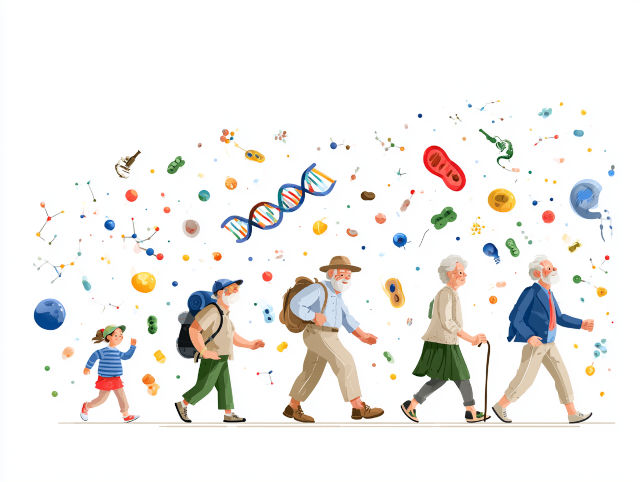
The Changing Science of Ageing: New Perspectives on the Biology of Growing Older

As recently as the mid-20th century, ageing was described by Nobel Prize laureate Peter Medawar as “an unsolved problem in biology”. Today, researchers can analyse the activity of thousands of genes in individual cells and identify genetic variants linked to longevity. These studies identify molecular pathways that influence lifespan, and estimate biological age using epigenetic clocks. Experimental treatments such as senolytics, which target senescent cells, have also emerged. Yet despite these remarkable advances, scientists increasingly recognise that ageing is far more complex than once imagined. A new paper by Dr Piotr Chmielewski of Wroclaw Medical University argues that a single universal mechanism does not drive ageing, but rather the interaction of numerous biological processes operating across different levels of organisation.

Published in Biogerontology, the paper, Ageing was never a singular problem in biology: implications for mechanisms, measurements and interventions, challenges the search for a single cause of ageing. Recent discoveries have identified key pathways, including mTOR, AMPK, FOXO and IGF-1, that regulate growth, metabolism and lifespan. At the same time, advances in DNA sequencing have made it possible to study ageing at the level of individual cells. According to Dr Chmielewski, these discoveries have deepened understanding of specific mechanisms but have also highlighted how many overlapping processes contribute to ageing, making it increasingly difficult to view it as one unified biological phenomenon.

For decades, researchers proposed oxidative stress, DNA damage, telomere shortening, mitochondrial dysfunction, epigenetic changes and chronic inflammation as possible primary drivers of ageing. While each contributes to age-related decline, none alone explains the full picture. Instead, the evidence increasingly supports the idea that ageing reflects the gradual disorganisation of a complex biological system. This perspective is reflected in the widely adopted concept of the “hallmarks of ageing”, a collection of interconnected biological characteristics that collectively influence the ageing process rather than a single underlying cause.

The growing use of epigenetic clocks illustrates both the promise and the uncertainty of modern ageing research. These tools estimate biological age by analysing DNA methylation patterns and have been linked to disease risk and mortality. However, researchers still do not know whether they measure mechanisms that actively drive ageing or reflect biological changes caused by other processes. As Dr Chmielewski notes, determining whether reversing epigenetic changes would genuinely rejuvenate the body or merely alter a biomarker remains one of the field’s most important unanswered questions.

The paper also highlights the limitations of translating laboratory discoveries into human medicine. While many interventions extend the lifespan of mice by 20 to 30 per cent, mice differ fundamentally from humans in lifespan, metabolism, tissue organisation, immune function and repair mechanisms. As a result, therapies that appear highly effective in animal models often fail to deliver comparable benefits in people. Increasingly, researchers believe that youth may depend less on avoiding biological damage—which occurs throughout life—and more on maintaining the ability to repair tissues, adapt to stress and preserve normal function.

According to Dr Chmielewski, this shift in thinking may represent one of the most important developments in biogerontology. Rather than asking what causes ageing, researchers are increasingly asking how some organisms preserve resilience, adaptability and function despite continuous damage. From this perspective, interventions such as regular physical activity, calorie restriction and intermittent fasting may promote healthy ageing not by stopping ageing itself, but by strengthening the body’s capacity to adapt and recover. If this view proves correct, future research may focus less on finding a single cure for ageing and more on helping people maintain health and functional independence for as long as possible.

More information: Piotr Paweł Chmielewski, Ageing was never a singular problem in biology: implications for mechanisms, measurements and interventions, Biogerontology. DOI: 10.1007/s10522-026-10436-x

Journal information: Biogerontology Provided by Wroclaw Medical University